
















Best Plants for Singapore HDB Corridors and Common Areas | Tumbleweed Plants Singapore
Posted on April 10 2026
In this article

The HDB corridor is Singapore's most underused outdoor space. It is the stretch between your front door and the lift — narrow, utilitarian, and usually bare except for a shoe rack and a doormat. But for the majority of Singaporeans who live in HDB flats, the corridor is the only semi-outdoor space they have. And with the right plants, it can become a small, green oasis that greets you every time you come home.
The challenge: HDB corridors are harsh environments for plants. They are hot, exposed to wind tunnels between blocks, receive varying amounts of light (depending on orientation and floor level), and sometimes go days without attention. The plants you choose must be genuinely tough — not Instagram-pretty tropical specimens that wilt at the first sign of neglect.
Corridor Conditions
Light
Corridor light varies dramatically by floor and orientation:
- Low floors (1-5): Often shaded by neighbouring blocks. Low to medium light.
- Mid floors (6-15): Variable. Depends on block orientation and surrounding buildings.
- High floors (15+): More sky exposure. Bright indirect to some direct light.
- East/west-facing: Morning or afternoon direct sun for part of the day.
- North-facing: Consistent indirect light, rarely direct sun.
Temperature
Singapore's year-round 26-33°C, with corridor temperatures potentially higher on sun-exposed floors. Heat-tolerant plants are essential.
Wind
HDB corridors can experience strong wind tunnels, especially on higher floors. Plants need to withstand gusts without toppling or losing leaves.
Maintenance
Corridors are not bedrooms — you might water less consistently. Choose plants that tolerate some neglect.
Best Corridor Plants

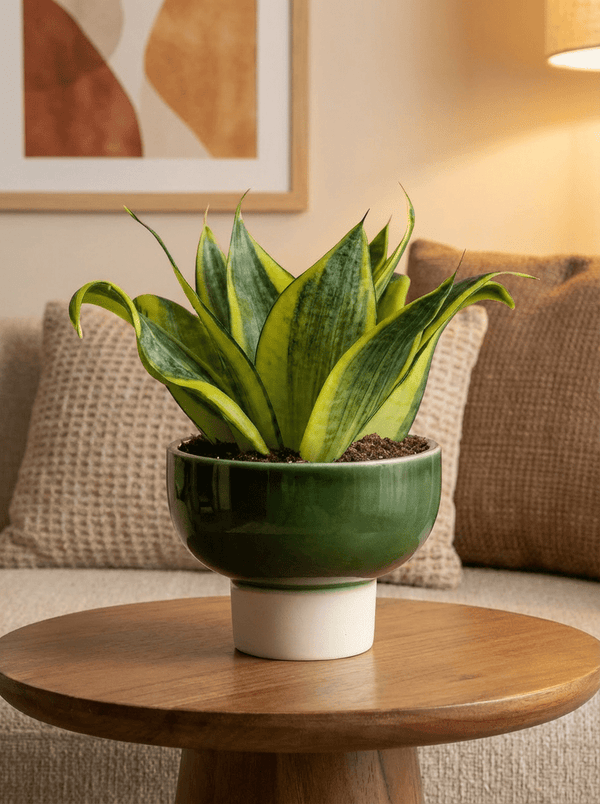
Snake Plant (Sansevieria)
Why it works: Virtually indestructible. Tolerates sun, shade, heat, wind, and irregular watering. The stiff, upright leaves resist wind damage. Multiple varieties available — from tall (120cm) to compact (30cm).
Best varieties for corridors: Sansevieria trifasciata (tall), Sansevieria cylindrica (cylindrical leaves, very wind-resistant).
Placement: Beside the front door. On top of the shoe cabinet. In a corner near the gate.
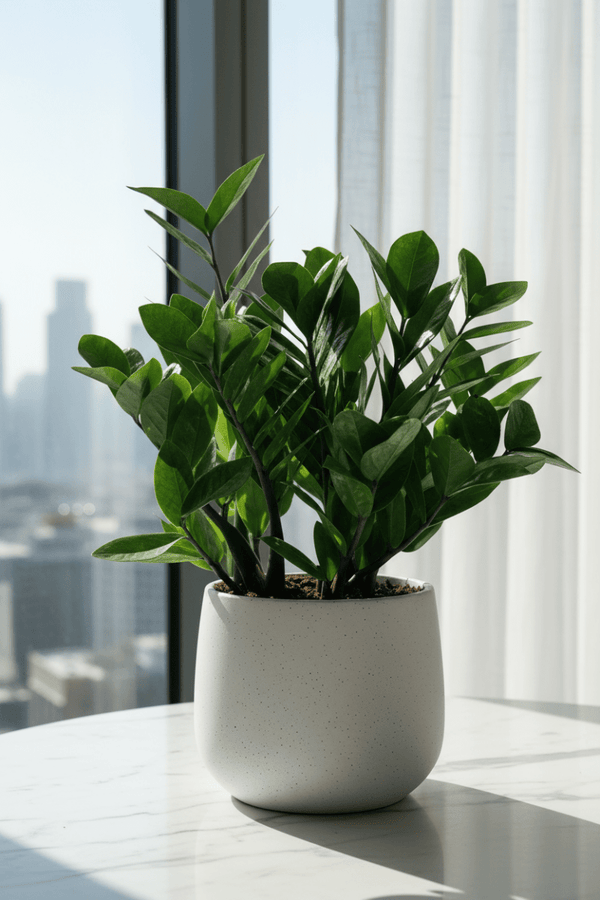
ZZ Plant
Why it works: Drought-tolerant, low-light tolerant, heat-tolerant. The glossy leaves add a polished look to utilitarian corridor spaces. Sturdy stems resist wind.
Placement: On the shoe cabinet or a small table. In a shaded corridor spot.
Aglaonema
Why it works: Colourful foliage (pink, red, silver) brightens the corridor. More heat-tolerant than many tropical houseplants. Handles lower light well.
Placement: On top of the shoe cabinet. In a pot beside the door. Adds colour to an otherwise grey space.
Jade Plant (Crassula ovata)
Why it works: Succulent that handles heat, sun, and drought. Compact, sculptural, and long-lived. Auspicious symbolism (wealth and prosperity) fits well at the entrance.
Placement: On the shoe cabinet or a small stand near the door. Needs more light — best for sun-exposed corridors.
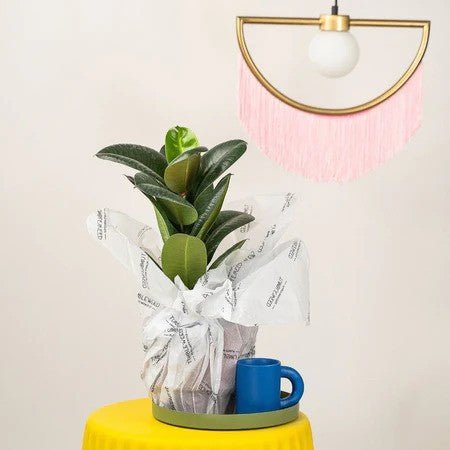
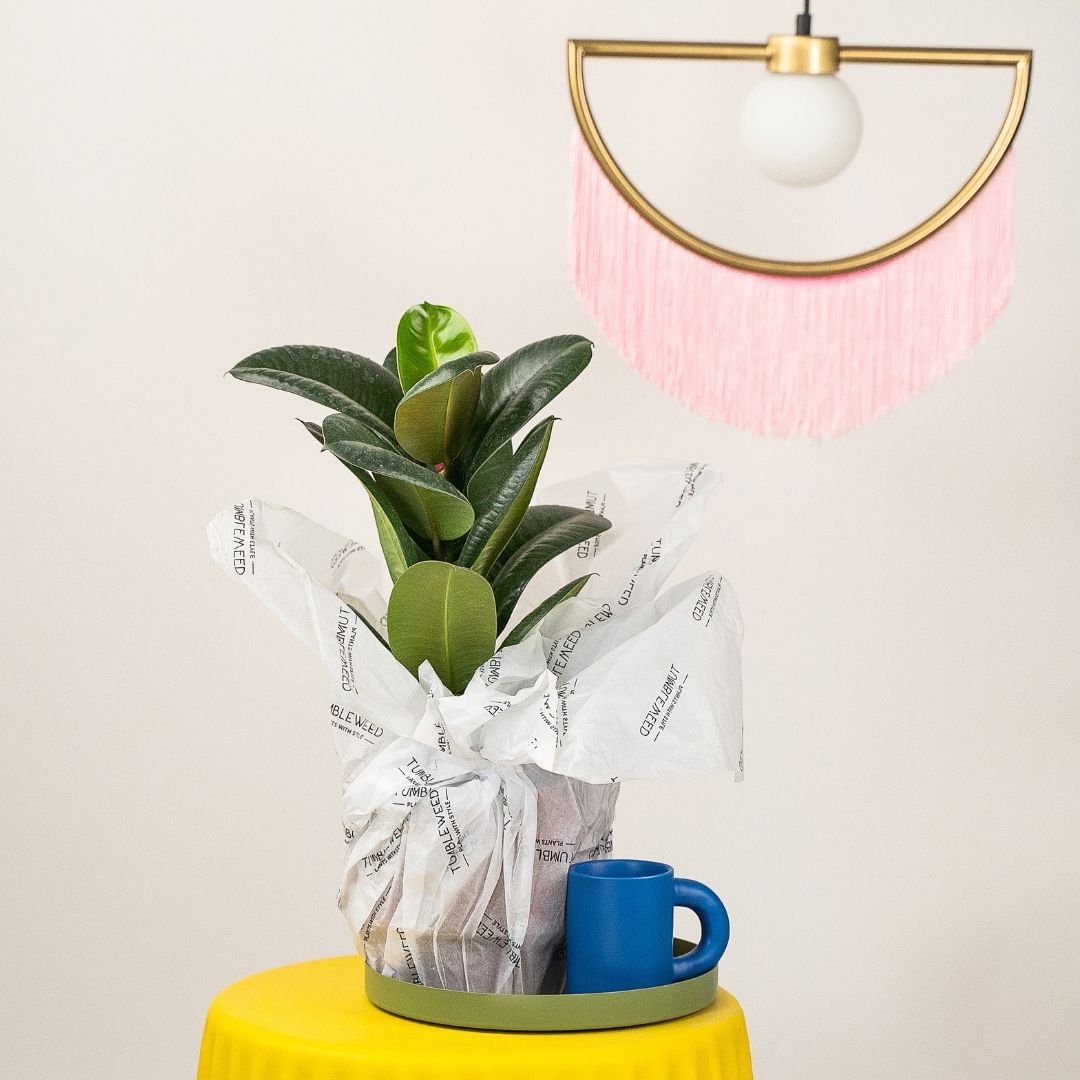
Rubber Plant (Ficus elastica)
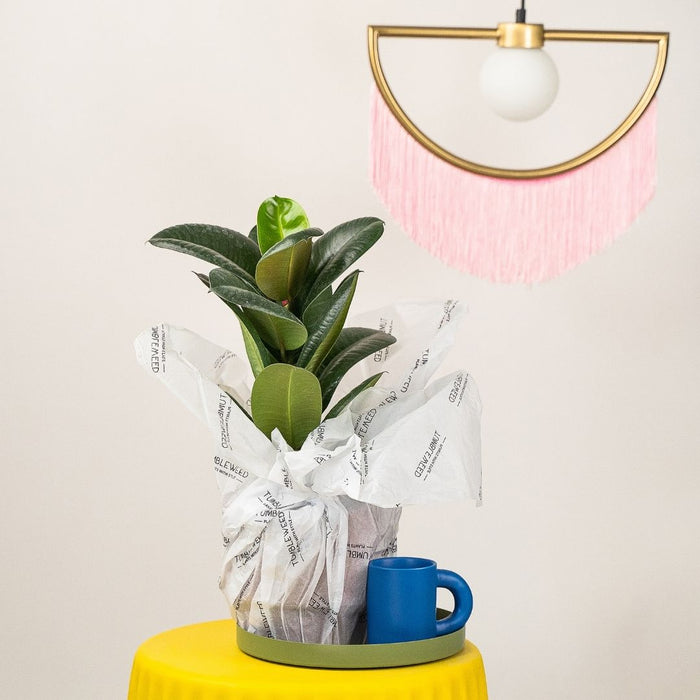
Why it works: Tough, large-leafed, and heat-tolerant. A medium Rubber Plant in a floor pot adds significant greenery to the corridor.
Placement: Floor pot beside the front door (ensure it does not obstruct the corridor width).
Pothos (in a Hanging or Elevated Pot)
Why it works: Trailing vines soften the hard, concrete corridor aesthetic. Drought-tolerant and adaptable to various light levels.
Placement: Hanging from the corridor ceiling (check HDB guidelines) or trailing from the top of the shoe cabinet.
Bird's Nest Fern (Asplenium nidus)
Why it works: A common sight in Singapore's natural environments. Heat-tolerant and handles the humid outdoor conditions well. Large, wavy fronds add a tropical feel.
Placement: Floor pot or on a stand. Best in shaded corridors — direct sun can scorch the fronds.
HDB Guidelines
Before filling your corridor with plants, be aware of HDB regulations:
- Do not obstruct the corridor. The corridor must remain passable. Pots should not block the walkway or create tripping hazards.
- Do not obstruct fire escape routes. Corridors are emergency exit routes. Plants must not impede access.
- Weight limits. Heavy concrete planters may exceed load limits on some corridor floors.
- No structures. Shelving, racks, or plant stands that are permanently installed may violate HDB rules. Freestanding items are generally acceptable.
- Drainage. Ensure pots do not leak water into the corridor walkway.
Best practice: Keep plants on your side of the corridor (near your front door). Use the shoe cabinet top and the space beside your gate. Do not extend into the shared walkway.
Practical Setup

Pot Selection
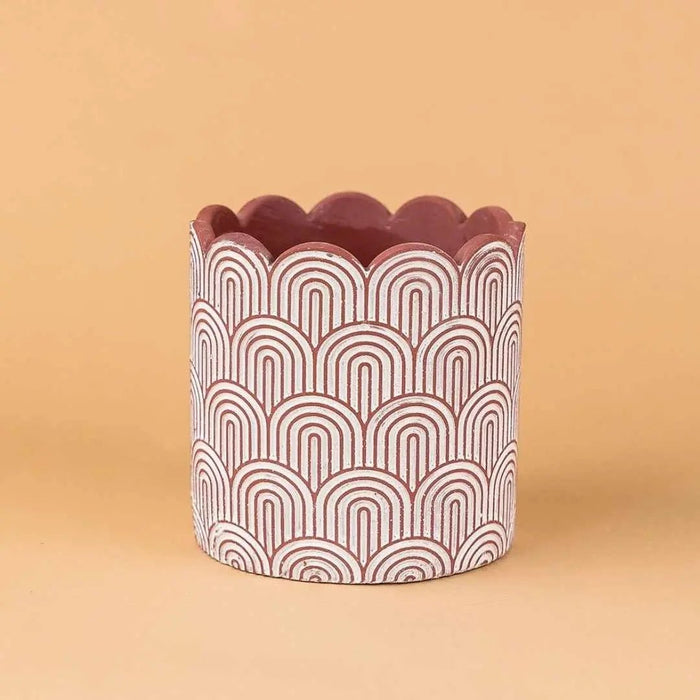
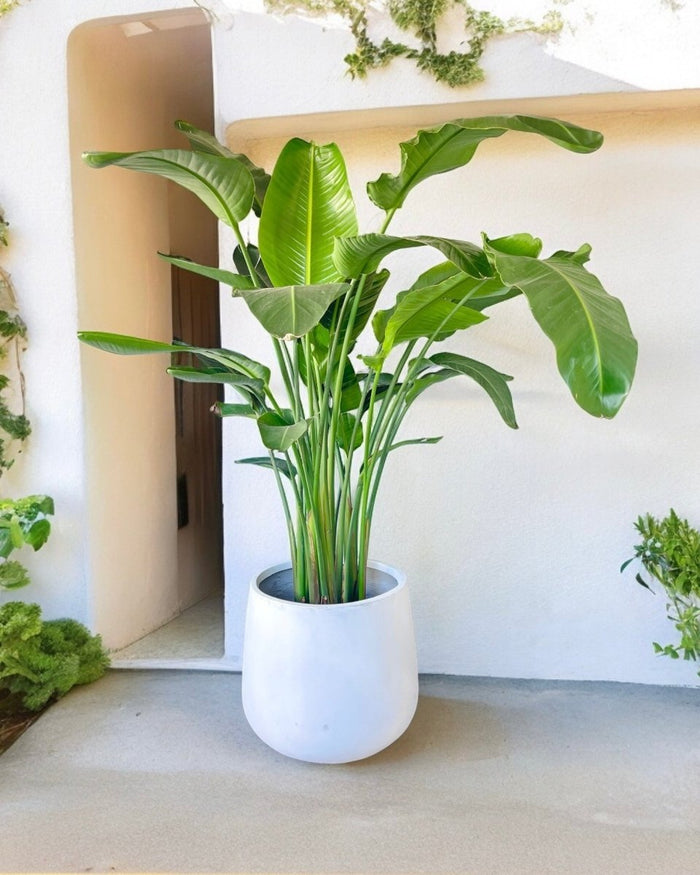
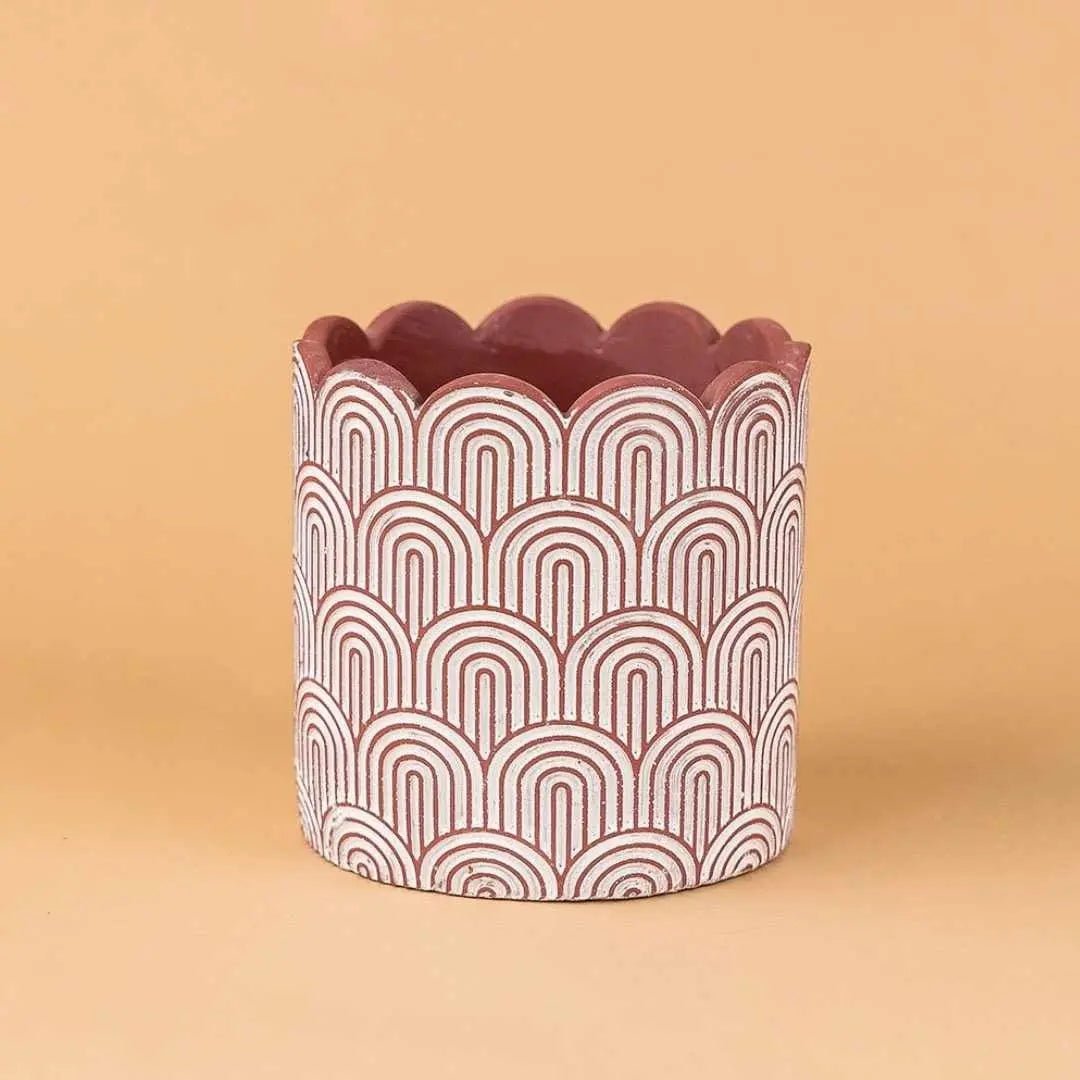
- Heavy pots (ceramic, terracotta, concrete) resist wind and accidental knocks
- Saucers are essential — prevent water staining on the corridor floor
- Avoid lightweight plastic in windy corridors — pots blow over
Watering
- Set a routine — water every time you leave for work or every evening
- Use saucers to catch runoff — neighbours will not appreciate water trailing down the corridor
- Self-watering pots reduce maintenance for busy schedules
Security
Sadly, corridor plants can be stolen or tampered with. Practical deterrents:
- Heavy pots that are difficult to carry
- Less expensive plants that are not worth stealing
- Positioning near your front door where your camera covers
Styling Ideas
The Minimalist Corridor
One Snake Plant beside the door in a clean terracotta pot. Simple, elegant, and nearly impossible to kill.
The Green Welcome
Two to three plants at varying heights near the entrance — a floor plant (Rubber Plant or tall Snake Plant), a medium plant on the shoe cabinet (Aglaonema), and a trailing plant from the cabinet edge (Pothos).
The Succulent Shelf
A row of small succulents and Jade Plants on the shoe cabinet top. Compact, low-maintenance, and visually interesting.
Shop Corridor Plants

Browse our indoor plant collection for tough, beautiful plants that thrive in Singapore's HDB corridor conditions. Delivered to your door — which is exactly where they will live.
The HDB corridor is not glamorous. It is concrete, functional, and shared. But it is also the first thing you see when you come home and the last thing you see when you leave. A Snake Plant beside the door, an Aglaonema on the shoe cabinet, a trailing Pothos softening the hard edges — these small additions transform a corridor from "passage to your flat" into "entrance to your home." The neighbours notice. The visitors notice. And you notice, every evening, when you step out of the lift and see something green and alive waiting at your door.
Quick summary
Key Takeaways
- Corridor Conditions
- Best Corridor Plants
- HDB Guidelines
- Practical Setup
- Styling Ideas
- Shop Corridor Plants
Ready to bring some green into your home?
Browse 250+ hand-picked plants, curated for Singapore homes — delivered to your door.
Browse All Plants →