















How to Style a Balcony Garden in a Singapore Condo
Posted on April 09 2026
In this article

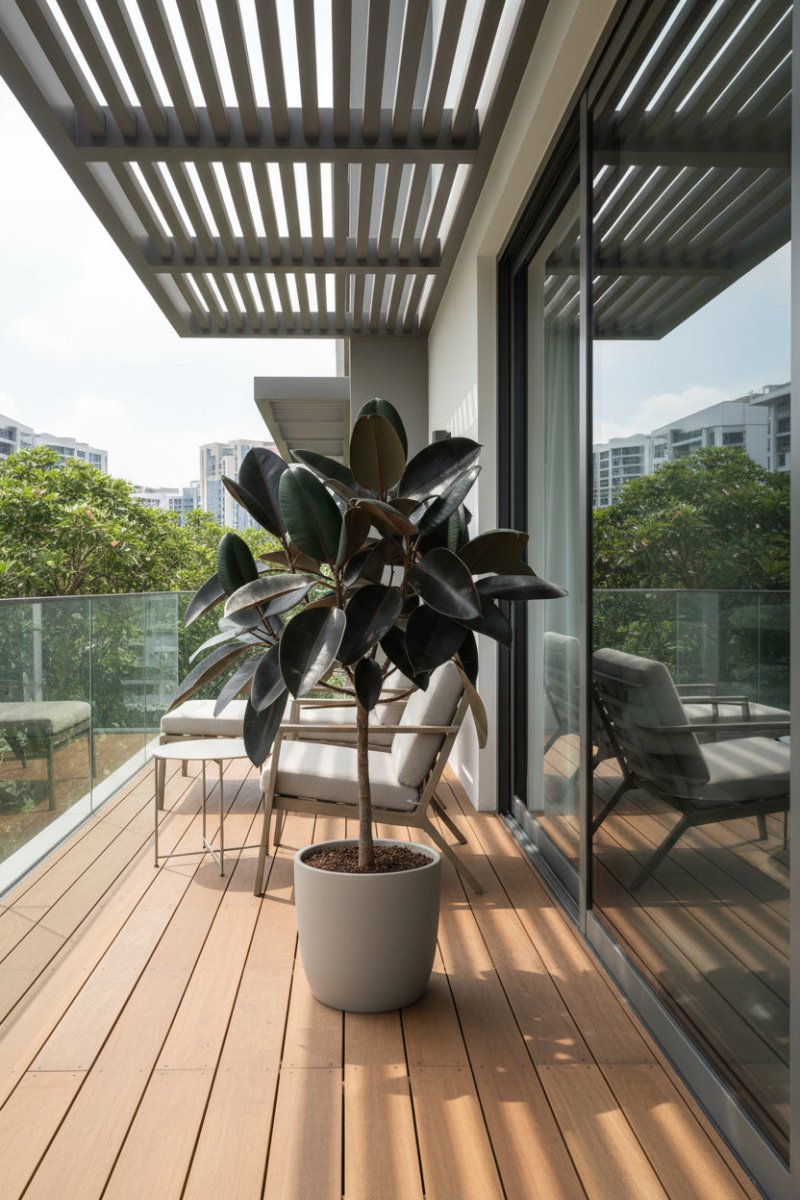
A Singapore condo balcony is a rare luxury — outdoor space in a city where every square metre matters. Yet many balconies sit empty or underused, treated as a place to dry laundry rather than a green retreat. With the right plants, containers, and layout, your balcony can become the most cherished space in your home — a private garden in the sky.
The challenge is that balcony gardening at height is different from ground-level gardening. Wind is stronger, sun exposure is more intense, rain can be horizontal, and weight restrictions apply. This guide covers everything you need to know to build a balcony garden that thrives in Singapore's tropical climate.
Assessing Your Balcony
Before buying a single plant, evaluate your space:
Sun Exposure
Which direction does your balcony face?
- East-facing: Morning sun (6am-12pm), shade in the afternoon. Ideal for most tropical plants.
- West-facing: Intense afternoon sun (12pm-6pm). Challenging — many plants scorch. Choose sun-tolerant varieties.
- North-facing: Consistent gentle light throughout the day. Excellent for shade-loving tropicals.
- South-facing: Strong light for much of the day. Good for sun-loving species.
Is the balcony covered or exposed?
- Covered (with overhang): Protection from direct rain and the harshest sun. Wider plant selection.
- Partially covered: Front edge gets rain and sun, back is sheltered. Create zones accordingly.
- Fully exposed: Maximum light and rain. Choose hardy, weather-resistant plants.
Wind
Higher floors experience significantly more wind. Strong winds:
- Dry out soil and leaves faster
- Topple lightweight pots
- Damage delicate foliage and break stems
- Increase water loss through transpiration
Solutions:
- Use heavy containers (terracotta, concrete) or low, wide pots with a low centre of gravity
- Position wind-sensitive plants behind windbreaks (larger, tougher plants or screens)
- Avoid tall, top-heavy plants on very high floors
- Secure pots to railings or walls with brackets
Weight Limits
Condo balconies have structural load limits. Wet soil is heavy — a single large pot with wet soil can weigh 20-40kg. Check your condo's guidelines and:
- Distribute weight evenly across the balcony floor
- Avoid concentrating all heavy pots in one area
- Use lightweight alternatives (fiberglass pots, LECA instead of soil) where possible
- Consider your drainage approach — pooling water adds weight
Space and Layout
Measure your balcony dimensions and plan zones:
- The railing edge: Railing-mounted planters for herbs and trailing plants
- The floor: Larger pots for statement plants
- The walls: Wall-mounted planters, vertical gardens, or hanging hooks
- The ceiling: Hanging planters for trailing varieties
- A small table or bench: For potted herbs, propagation stations, or simply a place to sit among the greenery
Best Plants for Singapore Balconies

Full Sun (West or South-Facing, Exposed)
- Bougainvillea — Cascading, vibrantly coloured bracts. Drought-tolerant once established.
- Plumeria (Frangipani) — Fragrant flowers, tropical charm. Needs a large pot.
- Herbs — Thai basil, chilli, lemongrass, pandan. Full sun maximises flavour.
- Succulents and cacti — Thrive in intense light and tolerate wind.
- Adenium (Desert Rose) — Sculptural trunk, vibrant flowers. Loves heat and full sun.
- Ti Plant (Cordyline) — Colourful sword-shaped leaves in red, pink, and purple.
Partial Sun (East-Facing, Partially Covered)
- Aglaonema — Colourful foliage, handles both sun and shade.
- Monstera — Under the covered section with filtered light.
- Ferns — In the shaded back section, especially Bird's Nest Fern.
- Heliconia — Tropical flowers, striking form. Needs protection from harsh afternoon sun.
- Alocasia — Dramatic leaves, prefers bright indirect light under the overhang.
- Croton — Multicoloured leaves, more vibrant in brighter conditions.
Shade (North-Facing, Covered)
- Pothos — Trail from railing planters or hanging baskets.
- Peace Lily — Flowers in shade, loves outdoor humidity.
- Calathea — Patterned leaves thrive in sheltered balcony conditions.
- Philodendron — Multiple varieties suit shaded balconies.
- Begonia — Shade-loving with colourful foliage and flowers.
Container Selection
Material Matters
| Material | Pros | Cons | Best For |
|---|---|---|---|
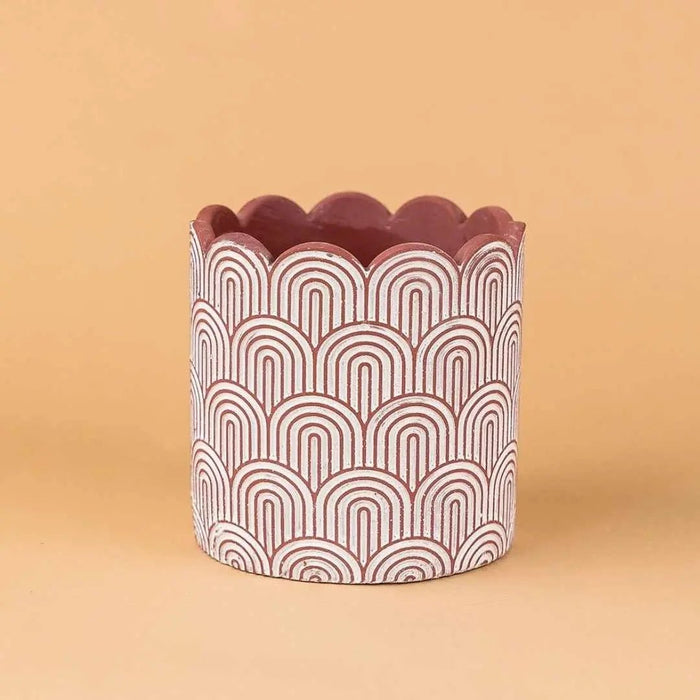
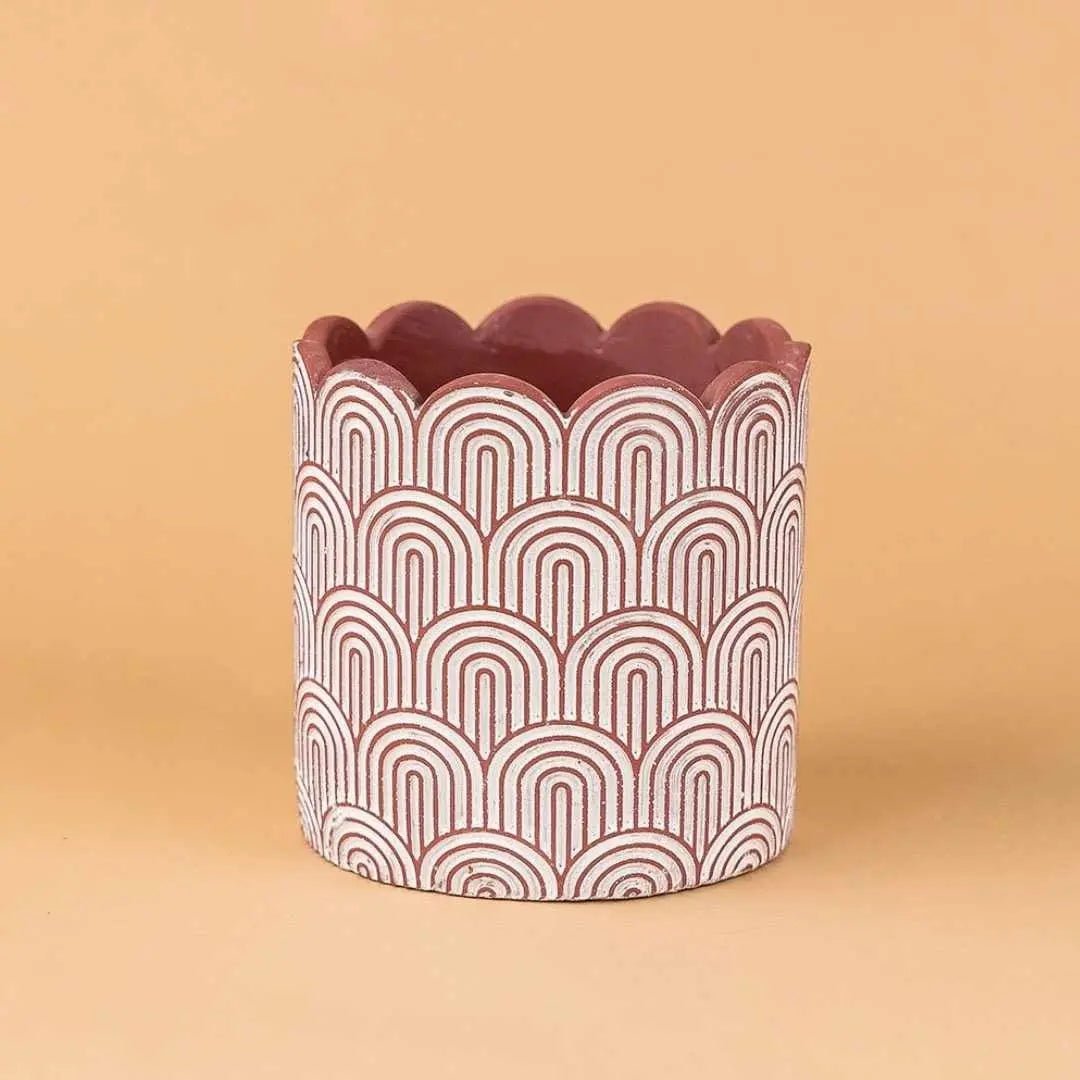
| Terracotta | Breathable, classic look, heavy (stable) | Dries fast, breakable, heavy | Statement plants, windy balconies |
| Glazed ceramic | Attractive, retains moisture | Heavy, breakable | Feature plants, sheltered areas |
| Plastic | Lightweight, affordable, many styles | Heats up in sun, less stable | Large collections, hanging planters |
| Fiberglass | Lightweight, durable, looks like stone/concrete | More expensive | Large pots where weight matters |
| Concrete | Very heavy, modern aesthetic | Extremely heavy, expensive | Ground-level accent pieces |
| Fabric grow bags | Ultra-lightweight, breathable, foldable | Dry fast, informal look | Edibles, temporary setups |
Drainage
Every container must have drainage holes. Balcony plants are exposed to Singapore's sudden tropical downpours — a pot without drainage becomes a waterlogged death trap after a rainstorm.
Manage runoff: Your drainage water flows onto the balcony floor and potentially onto neighbours below. Solutions:
- Use saucers under every pot (empty after rain)
- Install a drainage channel along the balcony edge
- Position pots over the floor drain
- Be a considerate neighbour — nobody wants dirty water dripping onto their laundry
Layout and Design Principles

Create Layers
The most visually appealing balcony gardens use three height layers:
- High: Hanging plants, tall potted trees, wall-mounted planters
- Mid: Medium plants on stands, railing-mounted planters, shelf-level plants
- Low: Floor-level pots, ground-cover plants, herb containers
Frame the View
If your balcony has a good view, do not block it entirely with plants. Use plants to frame the view — taller plants at the sides, lower plants in front.
Create a Focal Point
Designate one plant or arrangement as the centrepiece:
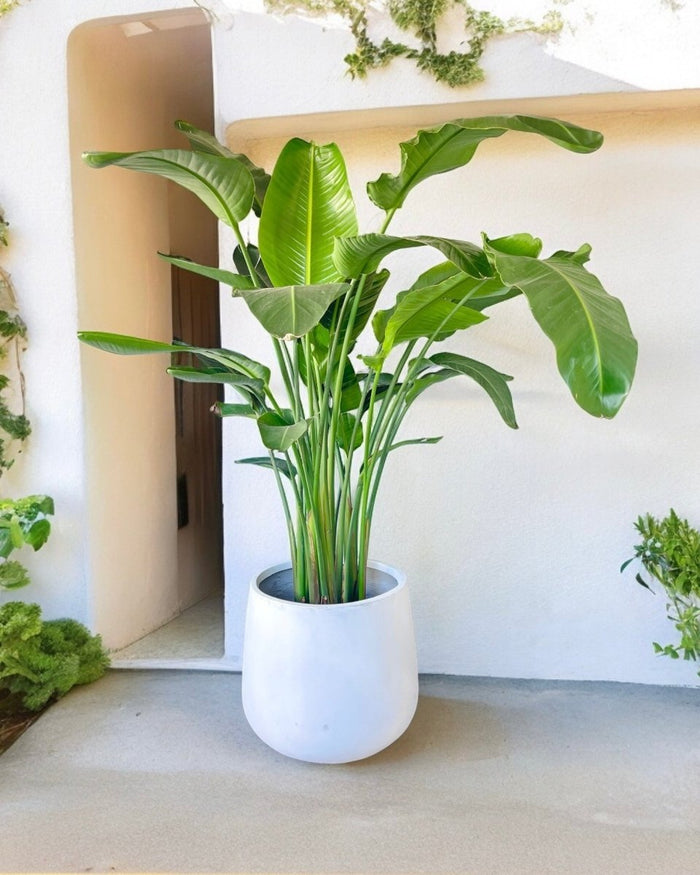
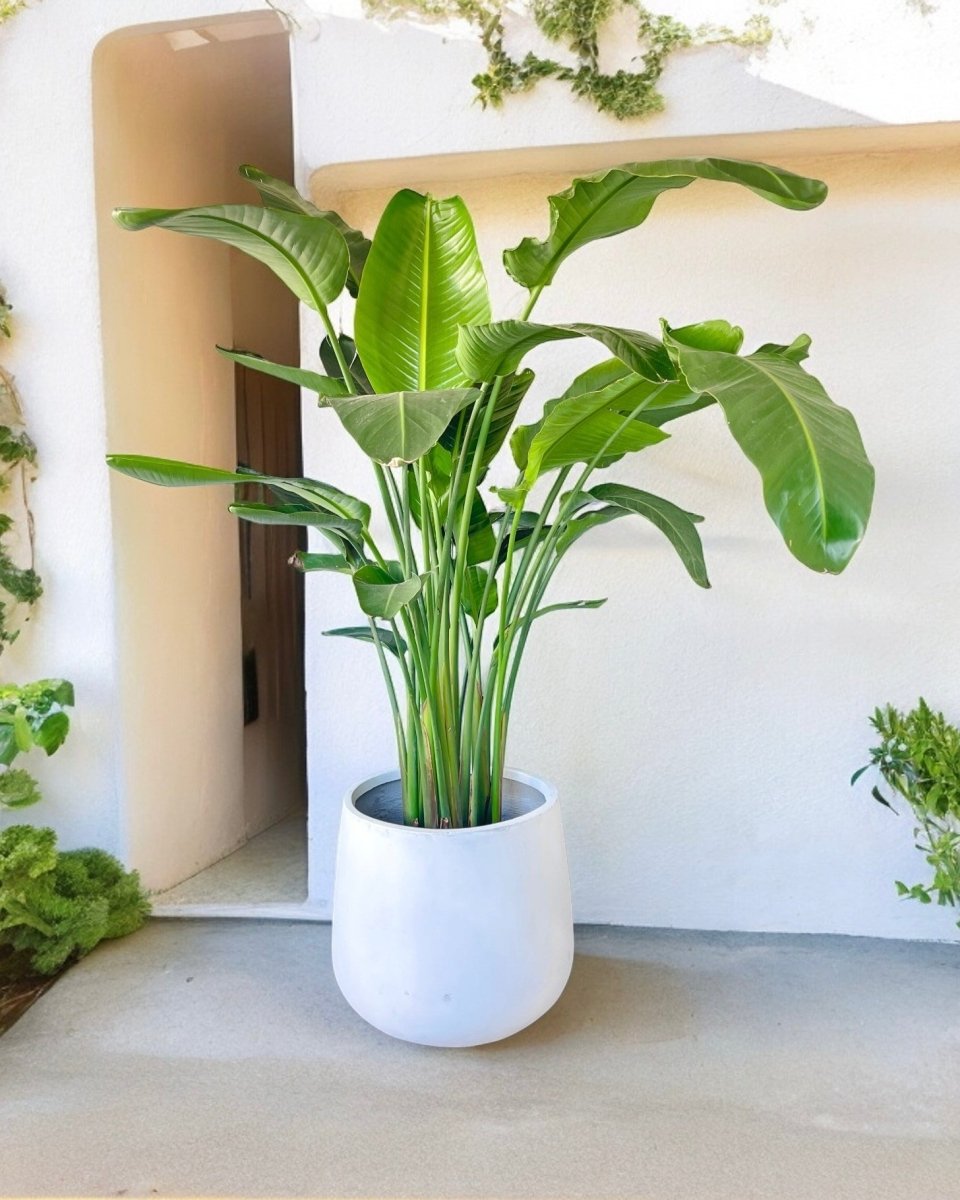
- A large Monstera or Bird of Paradise in the corner
- A feature planter with a mix of textures and heights
- A vertical garden panel on one wall
Leave Room for People
A balcony garden that leaves no room to sit, stand, or move is a nursery, not a garden. Reserve space for at least a small chair or standing area where you can enjoy the greenery.
Edible Balcony Garden
Growing food on your balcony is practical and satisfying in Singapore:
Herbs (minimum 4 hours sun):
- Thai basil, sweet basil
- Mint (grows aggressively — keep in its own pot)
- Pandan
- Lemongrass
- Spring onion (regrows from roots)
Vegetables (minimum 6 hours sun):
- Chilli peppers (bird's eye, cayenne)
- Kangkong (water spinach)
- Cherry tomatoes
- Lady's finger (okra)
- Lettuce and leafy greens (part shade acceptable)
Fruits:
- Lime (dwarf varieties in large pots)
- Passionfruit (trailing vine, needs a trellis)
Tips for edibles:
- Use larger pots than you think necessary — at least 25cm diameter for most vegetables
- Fertilise regularly with organic fertiliser
- Harvest frequently to encourage continued production
- Rotate crops if you notice declining yields
Watering Strategy

Balcony plants in Singapore need different watering approaches depending on exposure:
Covered balcony: Plants may not receive rain. Water manually every two to five days depending on sun exposure and pot size.
Exposed balcony: Rain handles much of the watering, but intense sun between rainstorms can dry pots rapidly. Monitor daily.
High-floor windy balcony: Wind accelerates evaporation. Expect to water more frequently — possibly daily for small pots in full sun.
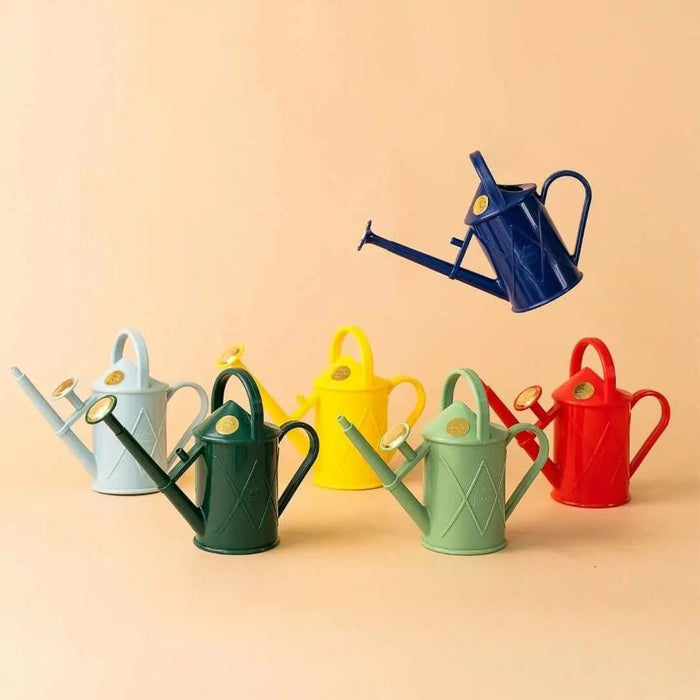
Drip irrigation: For larger balcony gardens, a simple drip irrigation system on a timer ensures consistent watering. Available at garden centres in Singapore.
Balcony Garden Maintenance
Weekly: Check all plants for pests (outdoor balcony plants attract more pests than indoor plants). Water as needed. Remove dead leaves and spent flowers.
Monthly: Fertilise during growing periods. Rotate pots for even growth. Clean leaves of dust and pollution residue.
After storms: Check for wind damage. Drain saucers and pooled water. Reposition any pots that shifted.
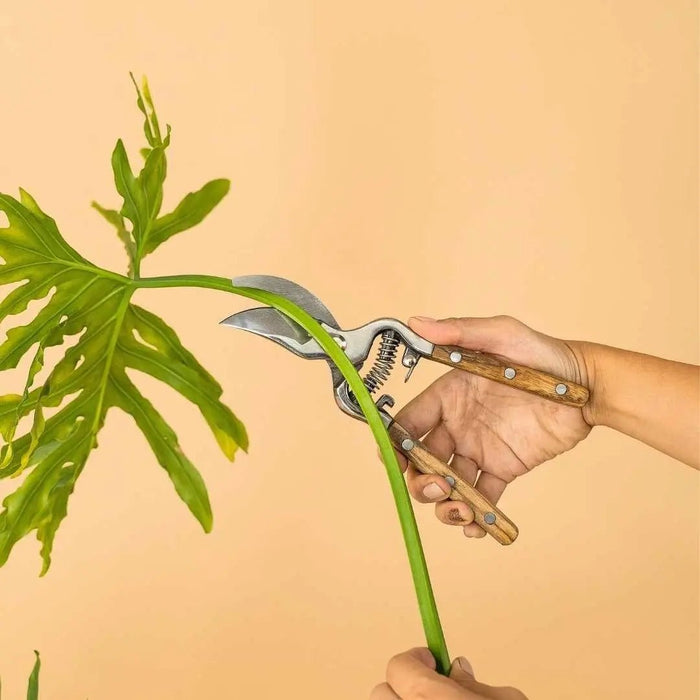
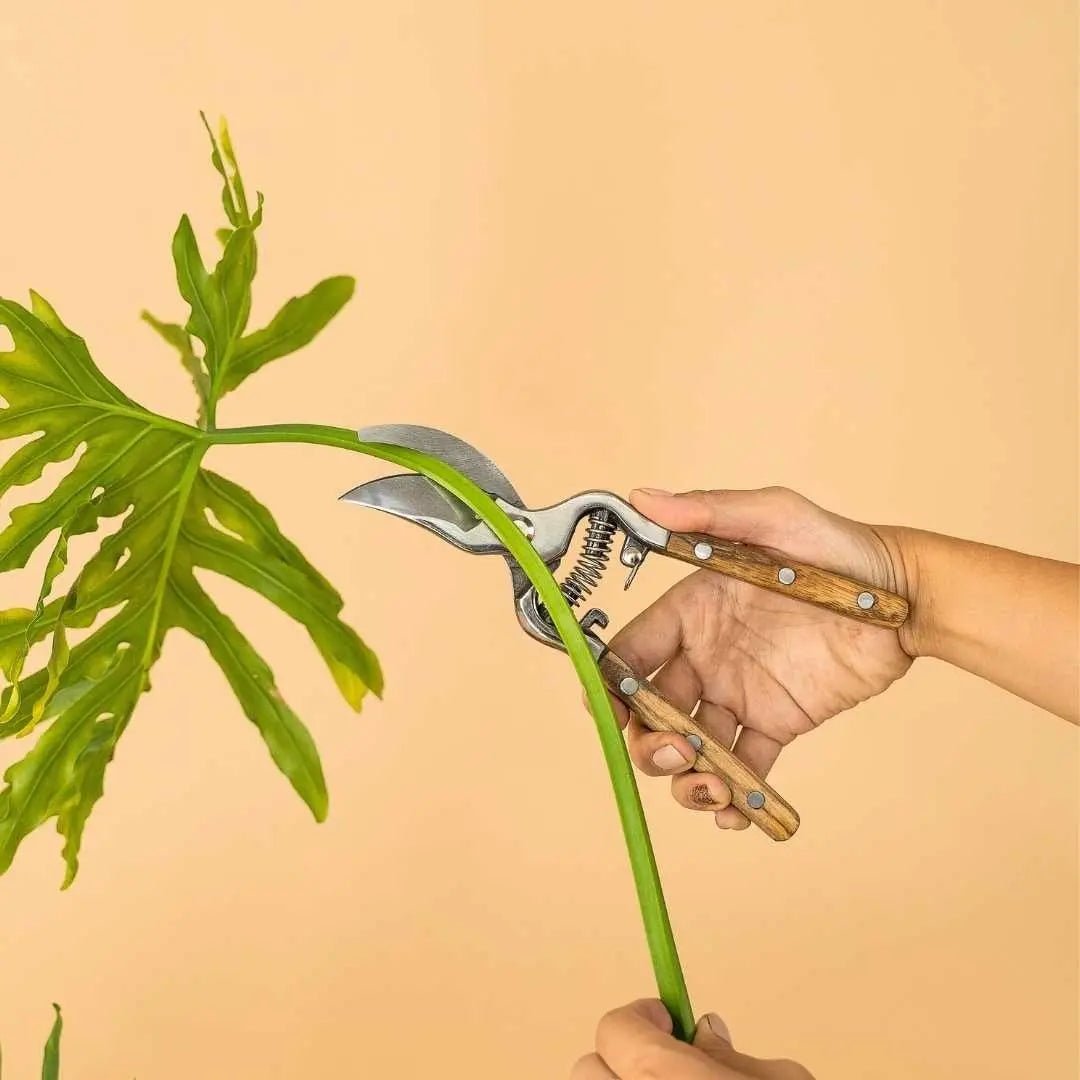
Quarterly: Repot any root-bound plants. Replace depleted soil. Prune overgrown plants.
Shop Balcony Plants
Browse our collection of outdoor-ready indoor plants suited for Singapore balconies. From sun-loving tropicals to shade-dwelling ferns, we deliver healthy plants ready to transform your outdoor space.
Your balcony is waiting. It does not need a landscape designer or a massive budget — just a few well-chosen plants, the right containers, and the willingness to experiment. Start with three to five plants matched to your sun exposure, and build from there. Within a season, you will have a green retreat that makes coming home feel like arriving at a resort.
Quick summary
Key Takeaways
- Assessing Your Balcony
- Best Plants for Singapore Balconies
- Container Selection
- Layout and Design Principles
- Edible Balcony Garden
- Watering Strategy
Ready to bring some green into your home?
Browse 250+ hand-picked plants, curated for Singapore homes — delivered to your door.
Browse All Plants →