














Tulip Terracotta XS Planter in Singapore: Small-Home Styling Guide
Posted on August 25 2026
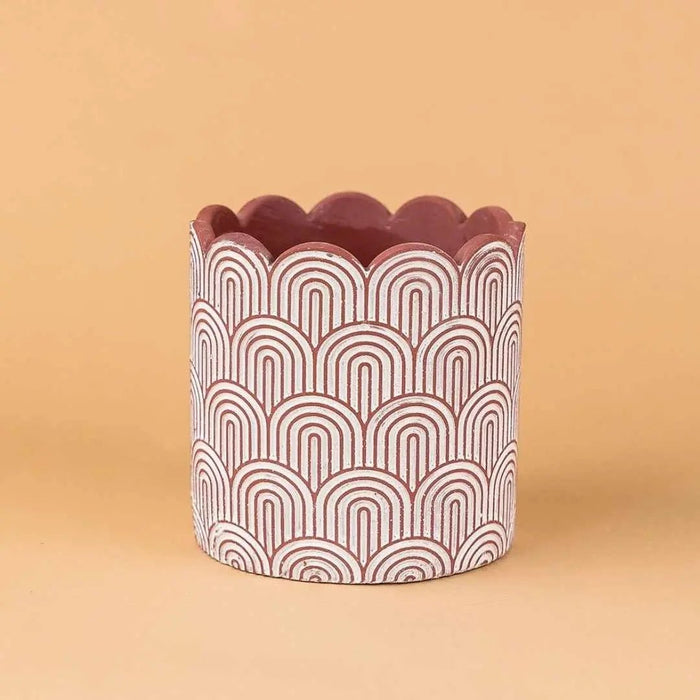
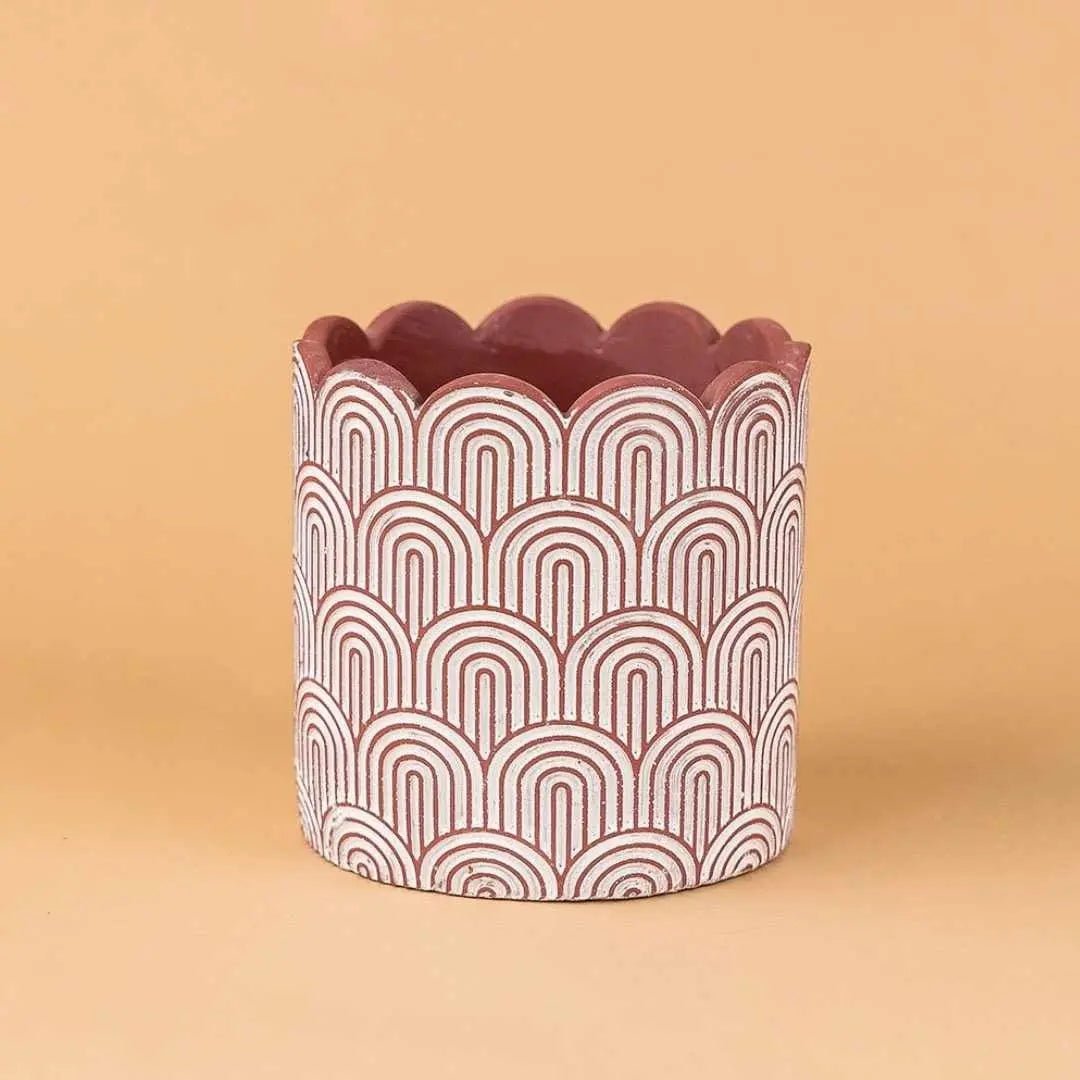
If you are trying to make a small Singapore home feel calmer without adding visual clutter, the right planter can do a lot of quiet work. The Tulip Terracotta XS Planter is a simple way to give a favourite indoor plant a more finished corner, especially in apartments where every shelf, balcony ledge and side table has to earn its place.
Table of contents
- Why decorative pots matter in compact homes
- How to choose the right size
- Where to style the Tulip Terracotta XS Planter
- Watering and maintenance tips
- FAQ
Why decorative pots matter in compact homes
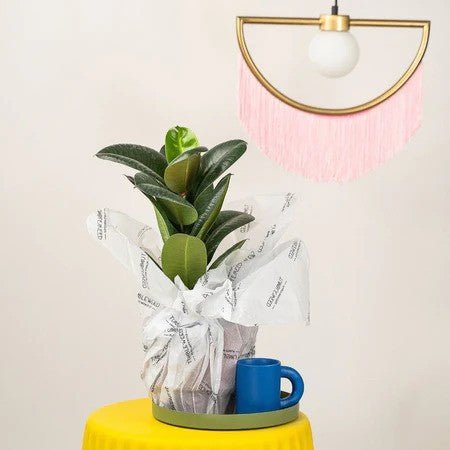
Many indoor plants arrive in practical plastic nursery pots. They are useful for watering and drainage, but they do not always match the rest of your home. A decorative outer pot lets you keep the plant easy to care for while making the whole setup look more polished.
For Singapore homes, this is especially helpful because greenery often sits in visible multi-use spaces: beside a sofa, near a work desk, on a balcony, or by the entryway. A considered pot helps the plant blend with furniture, floors and soft furnishings instead of feeling like a temporary addition.
How to choose the right size
Start with the nursery pot your plant is already growing in. As a rule of thumb, the decorative pot should be slightly wider than the nursery pot so it slips in easily, but not so oversized that the plant looks lost. If you are repotting directly into the planter, check that the plant has enough root room and that your watering routine still makes sense.
- Small plants: use a compact pot on shelves, side tables or work desks.
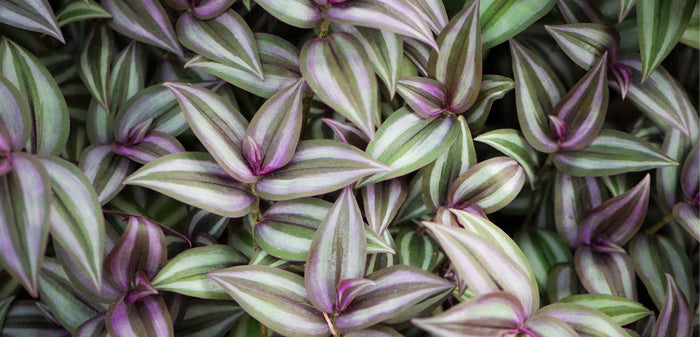
- Trailing plants: let vines soften the edge of a cabinet or plant stand.
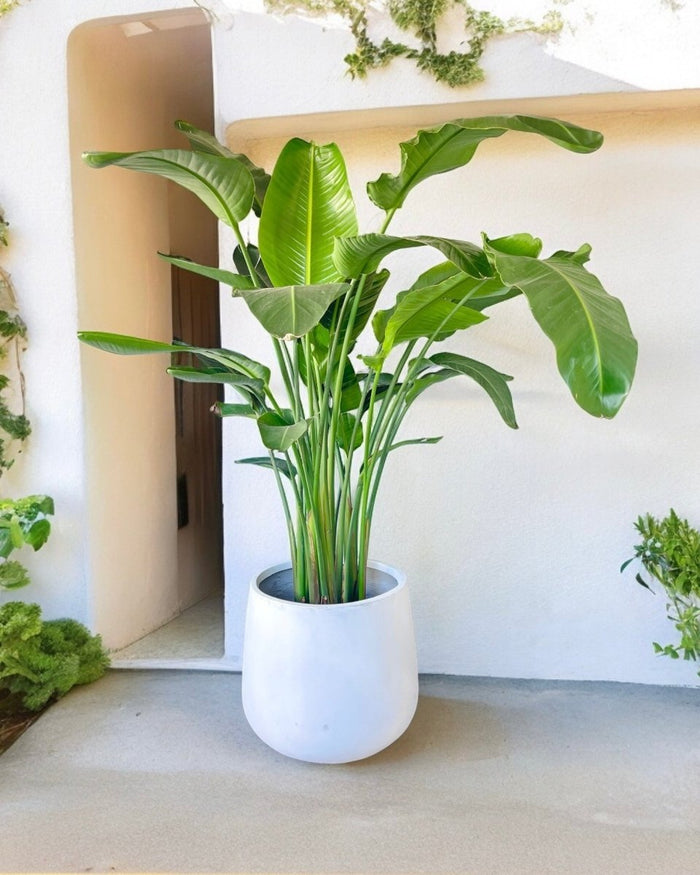
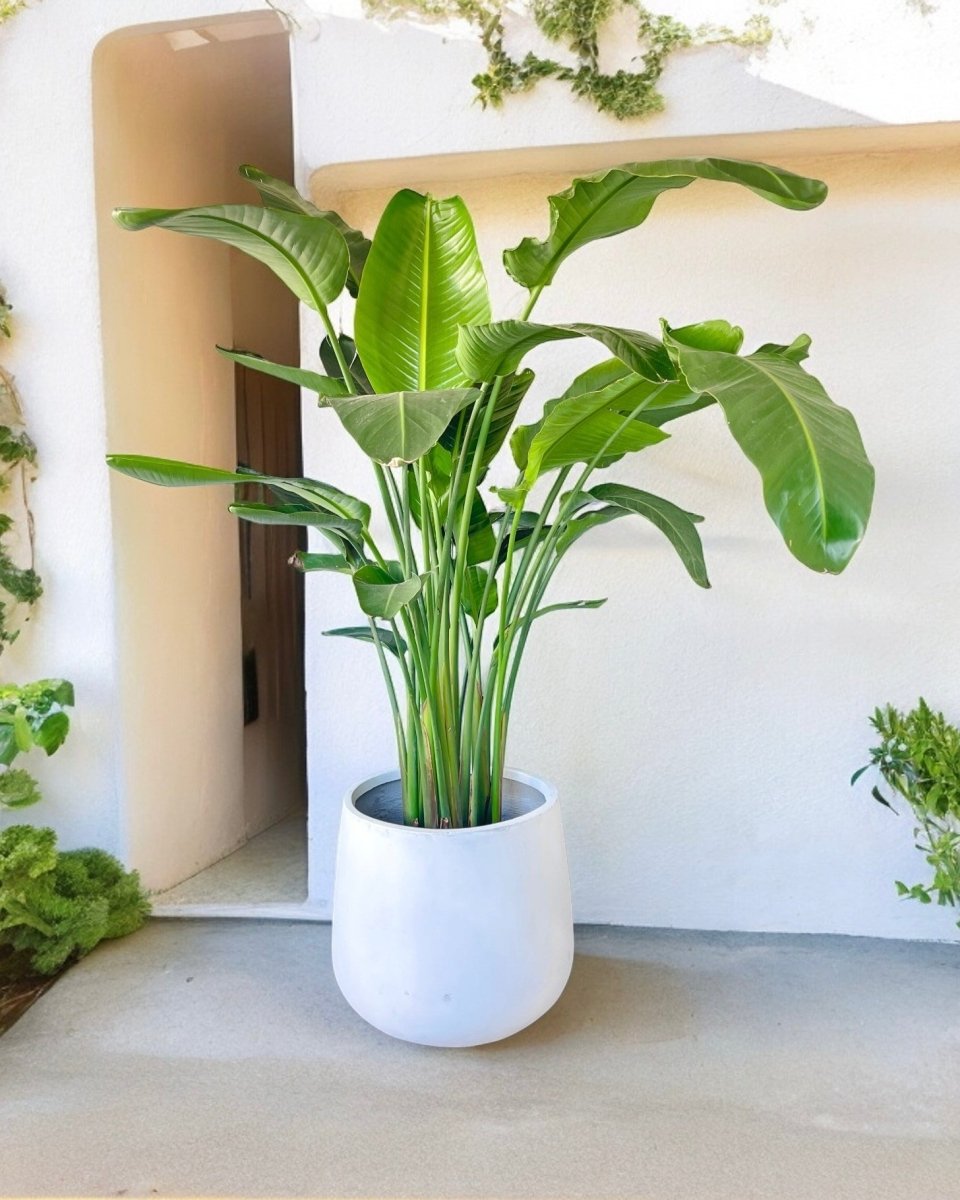
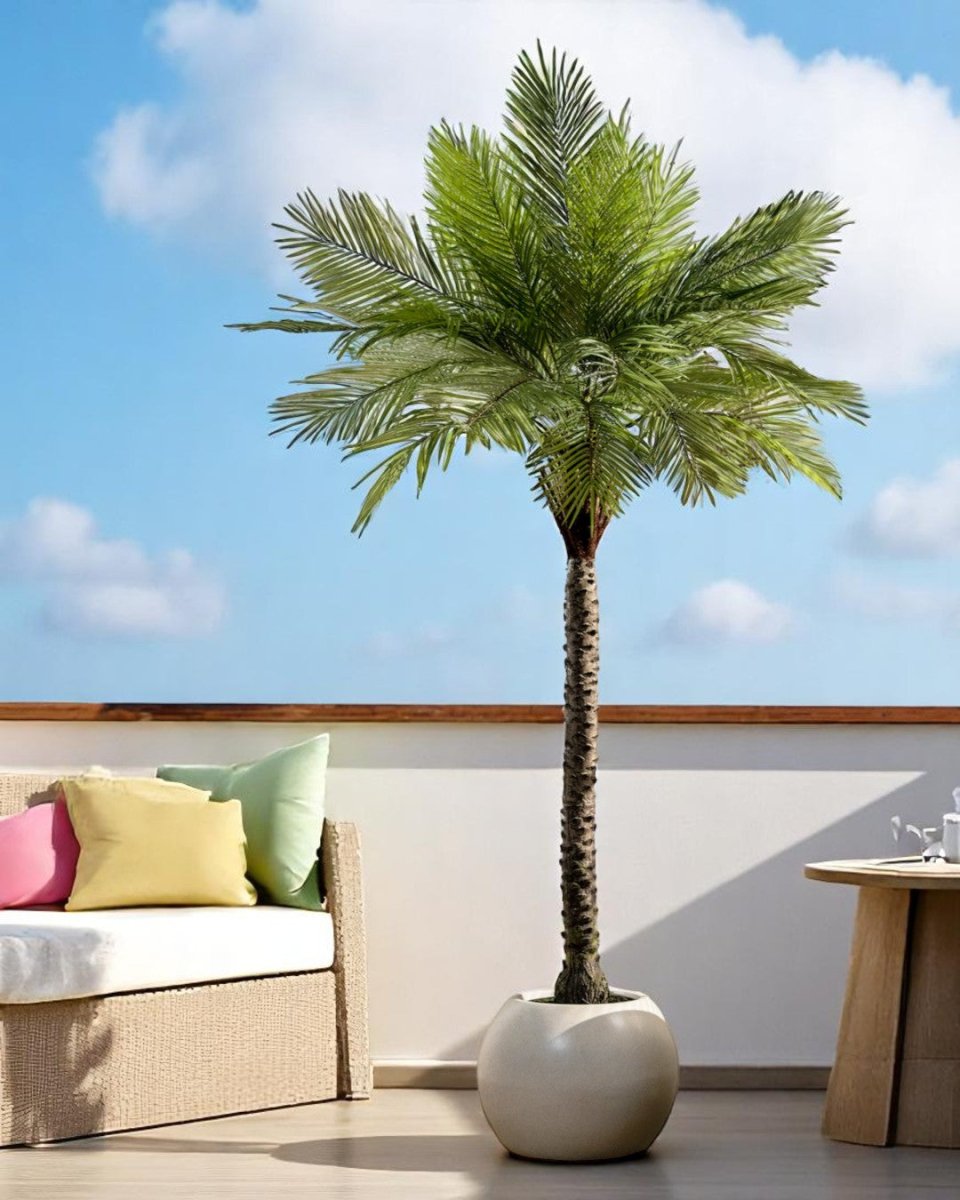
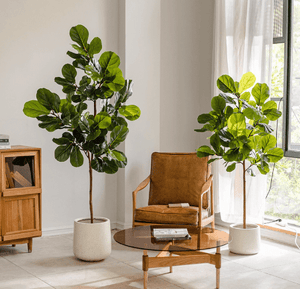
- Statement foliage: pair a larger planter with upright plants such as Monstera, Ficus or palms.
If you are still choosing the plant, browse Tumbleweed's indoor plants collection and match the plant's mature shape to the pot's height and footprint.
Where to style the Tulip Terracotta XS Planter
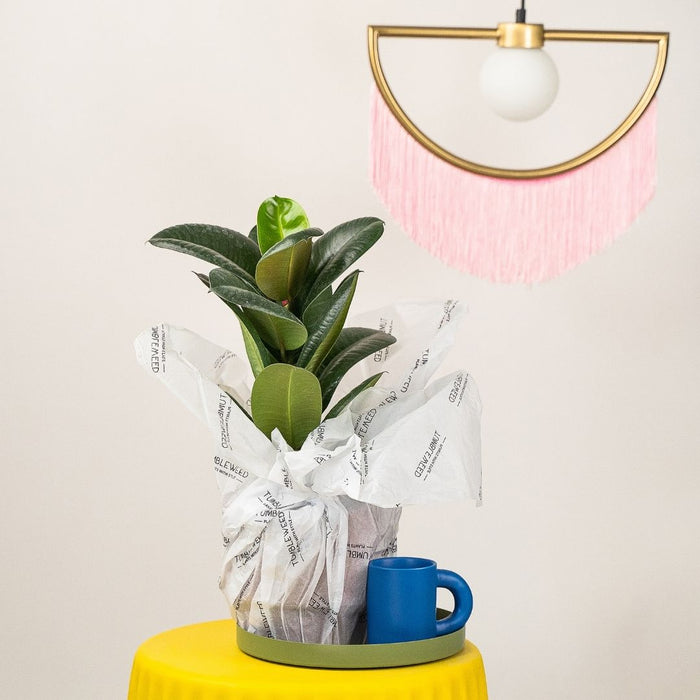
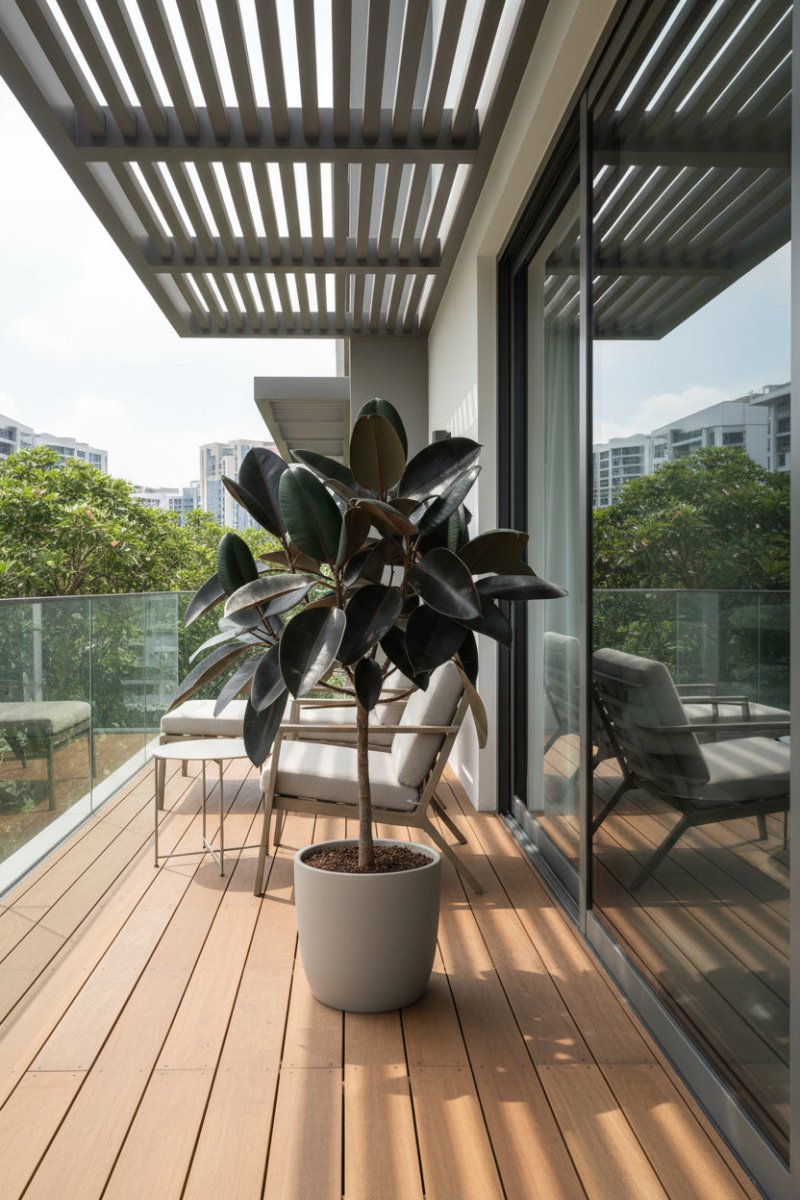
The easiest placements are the ones you already notice daily. Try a bright living-room corner, a bedside ledge with indirect light, a home-office shelf, or a sheltered balcony spot. Keep the plant's light needs first; the pot should support the plant, not force it into a dark corner just because it looks nice there.
For calm corners
Use one decorative pot, one plant and one clear surface. This works well in bedrooms and study areas where visual calm matters.
For layered shelves
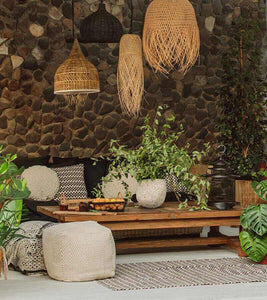
Repeat a similar colour family across two or three pots so different plants still feel cohesive.
For balconies
Choose sheltered positions and check heat exposure. Decorative pots can warm up quickly in direct afternoon sun.
Watering and maintenance tips
Decorative pots make styling easier, but watering still needs attention. If the plant stays in its nursery pot, lift it out to water thoroughly and let excess water drain before placing it back. If your planter has a drainage hole and saucer, empty standing water so roots do not sit wet for too long.
In Singapore's humid weather, many indoor plants dry out more slowly indoors than they do outside. Check the top few centimetres of soil with your finger before watering, and adjust for air-conditioning, balcony breeze and the amount of light the plant receives.

Simple styling checklist
- Match the pot to the plant's current nursery-pot size.
- Prioritise drainage and easy watering over looks alone.
- Repeat one colour, texture or shape from the room.
- Leave enough space around leaves so the plant can grow naturally.
- Use plant pots and planters to refresh existing plants without replacing them.
FAQ
Can I put a nursery pot directly inside the decorative pot?
Yes. This is often the easiest method because you can remove the nursery pot for watering and drainage, then place it back once excess water has run off.
Should the decorative pot have a drainage hole?
Drainage is useful, but not every decorative outer pot needs a hole if the plant remains in a nursery pot. What matters most is that excess water never sits around the roots for long periods.
Which plants look good with decorative pots?
Most indoor plants can work well. Upright plants give structure, trailing plants soften shelves, and broad-leaf plants create a fuller statement. Choose based on your light conditions first.
Ready to refresh a plant corner?
Pair a stocked Tumbleweed plant with a decorative pot that suits your space, light and watering routine.