

















How Plants Reduce Stress and Improve Wellbeing in Singapore
Posted on April 09 2026
In this article
Singapore consistently ranks among the most stressed cities in Asia. Long work hours, dense urban living, and the relentless pace of modern life take a measurable toll on mental health. Yet one of the most effective and accessible stress-relief tools is sitting quietly on your windowsill — or could be.

Table of Contents
The research on plants and mental wellbeing is compelling and growing. Here is what science tells us, and how you can use it in your Singapore life.
The Science of Plants and Stress Reduction
Cortisol and Blood Pressure
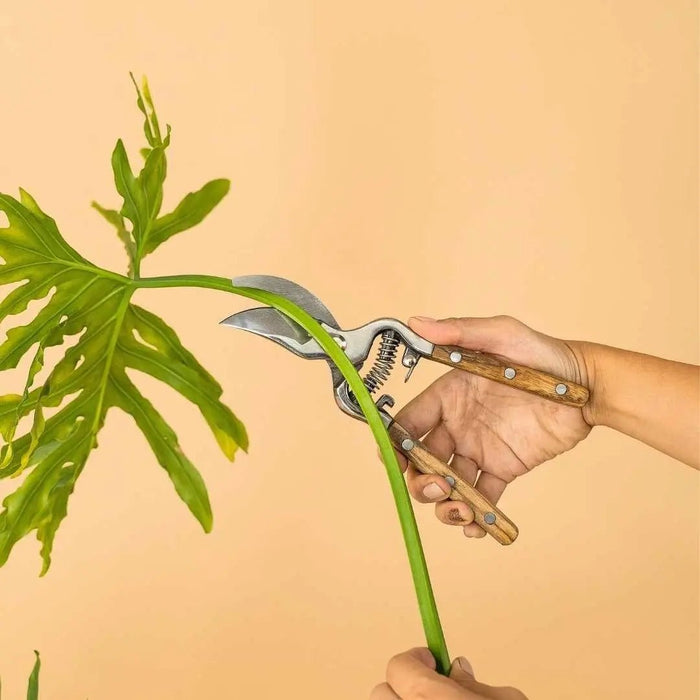
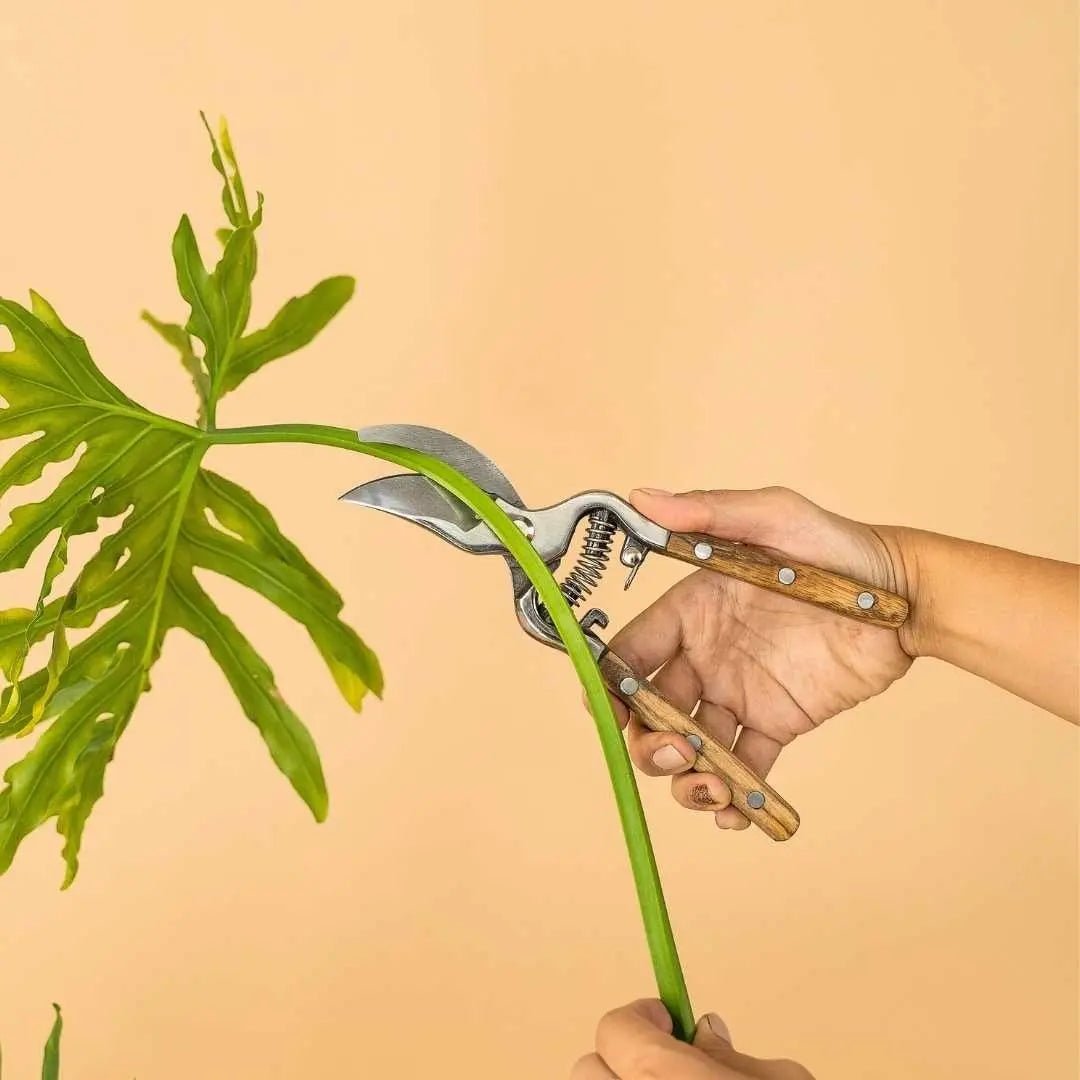
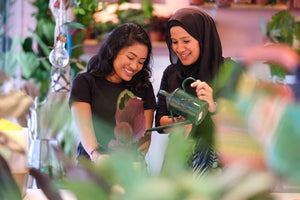
Multiple studies have measured the physiological effects of interacting with indoor plants. A widely cited study published in the Journal of Physiological Anthropology found that active interaction with plants (potting, watering, pruning) significantly reduced cortisol levels and blood pressure compared to computer-based tasks.
The participants did not just feel calmer — their bodies measured calmer. Heart rate decreased, blood pressure dropped, and the stress hormone cortisol fell measurably.
Attention Restoration Theory
Developed by environmental psychologists Rachel and Stephen Kaplan, Attention Restoration Theory explains why natural environments — including indoor plants — help us recover from mental fatigue.
The theory identifies four qualities that make environments restorative:
- Being away — psychological distance from routine demands
- Fascination — elements that hold attention without requiring effort (like watching a plant grow)
- Extent — the sense of being in a larger world
- Compatibility — the environment supports what the person wants to do
Indoor plants provide at least the first two qualities even in a small HDB flat. The act of tending plants shifts attention from work stress to a living, responding organism — a form of mental rest.
Air Quality and Cognitive Function
While NASA's famous Clean Air Study is often oversimplified (you would need a jungle to match an air purifier), research does show that plants contribute to improved indoor air quality through oxygen production and some pollutant absorption.
More importantly, the presence of plants in workspaces correlates with:
- Higher reported productivity
- Improved focus and concentration
- Reduced sick leave
- Greater job satisfaction
Whether this is from air quality, visual pleasure, or psychological comfort, the net effect is real and measurable.
Plants in the Singapore Context

Urban Stress
Singapore's urban density means most of us spend our days surrounded by concrete, steel, and glass. Even with our extensive public greening, the average Singaporean spends the majority of their time indoors — at home, at work, and in transit.
Indoor plants bridge the gap between our indoor lives and the natural world. They bring the biophilic connection — our innate need for nature — into spaces that would otherwise lack it.
Work From Home
Since 2020, working from home has become standard practice for many Singaporeans. The home office doubles as a workspace, and the psychological boundaries between work and rest blur. Plants can help delineate these zones:
- A plant on your desk signals "work mode" while providing calming visual relief during stressful tasks
- A lush corner of plants in the living area becomes a visual cue for relaxation
- The ritual of morning plant care becomes a transition between sleep and productivity
Small Space Living
You do not need a sprawling garden to benefit. Research suggests that even a single plant on your desk provides measurable psychological benefits. The effect scales with plant density, but the threshold is low.
A small collection of 3-5 plants in an HDB bedroom can transform the room's feel without sacrificing valuable floor space.
How Plants Improve Specific Aspects of Wellbeing
Sleep Quality
Plants in the bedroom remain controversial, but the evidence is nuanced:
Oxygen production: Plants produce oxygen during the day through photosynthesis. At night, most switch to consuming oxygen — but the amounts are negligible compared to room volume.
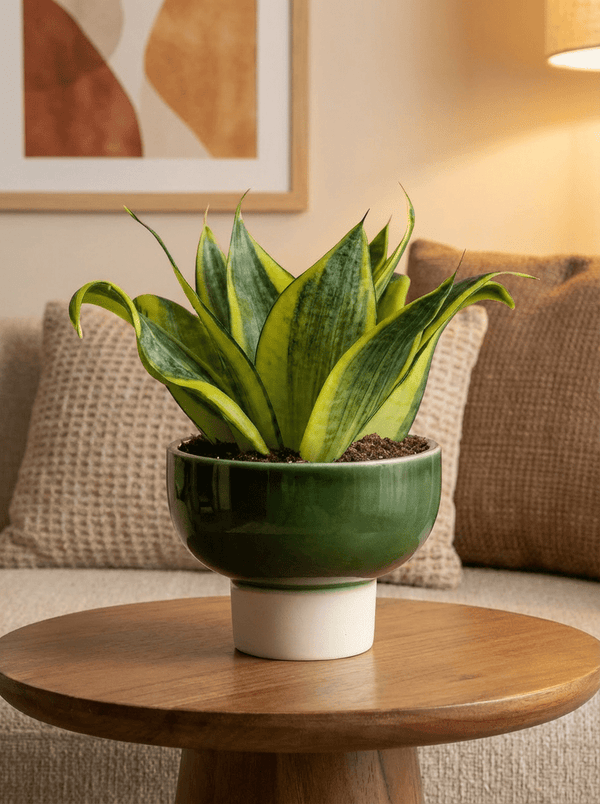
Snake Plants and orchids perform a type of photosynthesis (CAM) that produces oxygen at night. Placing one or two in your bedroom may marginally improve overnight air quality.
Psychological effect: The calming presence of plants in the bedroom promotes relaxation before sleep. This psychological benefit likely matters more than the air chemistry.
Focus and Productivity
Studies in office environments consistently show that workers with plants in their line of sight report:
- 15% higher productivity
- Fewer errors on cognitive tasks
- Lower self-reported fatigue
- Higher job satisfaction
For Singapore's knowledge workers, a desk plant is a low-cost productivity investment.
Best desk plants for focus:
- Small Snake Plant (clean lines, minimal distraction)
- Pothos in a self-watering pot (zero maintenance during work hours)
- Lucky Bamboo (culturally meaningful and care-free)
Mood and Emotional Regulation
Caring for a plant provides:
- A sense of purpose — something depends on you
- Patience practice — plants grow on their own schedule
- Mindfulness opportunities — watering, pruning, and observing engage you in the present moment
- Achievement satisfaction — watching a plant thrive under your care builds confidence
For people dealing with anxiety or mild depression, the predictable, low-stakes responsibility of plant care can be genuinely therapeutic. Several Singapore mental health practitioners now recommend plant keeping as a complementary wellness activity.
Social Connection
Singapore's plant community is vibrant and welcoming. Plant keeping opens doors to:
- Online groups where knowledge and cuttings are shared freely
- Physical plant markets and swap events
- Conversations with neighbours (a plant on your HDB corridor is a natural icebreaker)
- Gifts and shared experiences with friends and family
The social dimension of plant keeping should not be underestimated — connection is one of the strongest predictors of wellbeing.
Building a Wellness-Focused Plant Collection

If your goal is wellbeing rather than aesthetics (though both can coexist), consider these principles:
Choose Easy-Care Plants
Stressing about a dying plant defeats the purpose. Start with forgiving species:
- Pothos
- Snake Plant
- Spider Plant
- ZZ Plant
These let you enjoy the benefits without the anxiety of demanding care routines.

Prioritise Interaction
The wellbeing benefits increase with active engagement, not passive observation. Choose plants that invite regular interaction:
- Herbs that you harvest daily for cooking
- Trailing plants that need regular trimming
- Plants that display visible growth (new leaf unfurling)
Create Rituals
Make plant care a deliberate part of your routine:
- Morning check: Five minutes with your plants while your coffee brews
- Weekend care session: Repotting, pruning, and feeding as a mindful activity
- Evening wind-down: A few minutes of plant observation before bed
Place Plants Intentionally
Put them where you will see and interact with them:
- Desk plants within arm's reach
- Kitchen herbs you use daily
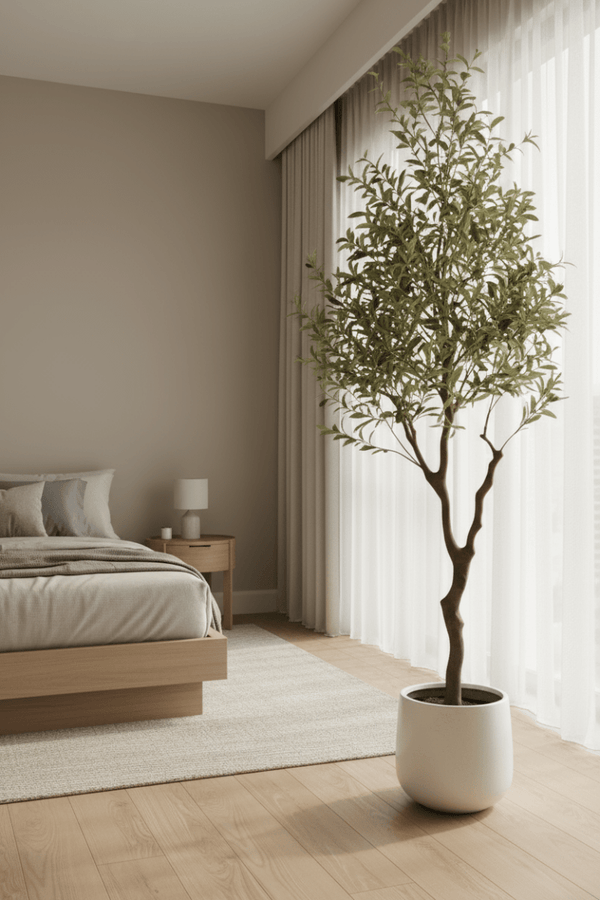
- Bedroom plants visible from your pillow
- Living room plants near your main seating area
The Therapeutic Garden Movement in Singapore
Singapore's National Parks Board (NParks) has established therapeutic gardens in public parks across the island — designed specifically to promote mental wellbeing through horticultural engagement.
These gardens are professionally designed to provide sensory stimulation, accessible gardening opportunities, and restful green spaces. Locations include HortPark, Bishan-Ang Mo Kio Park, and several community gardens.
Visiting these spaces can inspire your own indoor garden and introduce you to the principles of therapeutic horticulture.
Final Thoughts

In a city as fast-paced and urbanised as Singapore, the simple act of keeping plants at home is a quiet but powerful form of self-care. The science supports what plant lovers have always known intuitively — being around growing things makes us feel better.
You do not need a green thumb or a big budget. One small plant on your desk is enough to start. Let it grow, and let yourself grow with it.
Start your wellness garden at Tumbleweed Plants — browse our beginner-friendly collection for plants that thrive with minimal fuss.
How Plants Reduce Stress and Improve Wellbeing in Singapore
Quick Summary · Tumbleweed Plants Singapore
Ready to bring some green into your space?
Free same-day delivery across Singapore · 30-day plant guarantee
Browse All Plants →Quick summary
Key Takeaways
- The Science of Plants and Stress Reduction
- Plants in the Singapore Context
- How Plants Improve Specific Aspects of Wellbeing
- Building a Wellness-Focused Plant Collection
- The Therapeutic Garden Movement in Singapore
- Final Thoughts
Ready to bring some green into your home?
Browse 250+ hand-picked plants, curated for Singapore homes — delivered to your door.
Browse All Plants →









Comments
0 Comments
Leave a Comment