















Bird of Paradise Care Guide for Singapore | Tumbleweed Plants Singapore
Posted on April 10 2026
In this article
The Bird of Paradise — Strelitzia — is the closest thing to a tropical resort in a pot. Its massive, paddle-shaped leaves fan outward and upward, creating a dramatic silhouette that transforms any room into a tropical statement. It is the plant interior designers reach for when they want impact, scale, and architectural presence.

In Singapore, the Bird of Paradise is one of the most popular statement plants, and for good reason. Our tropical climate provides the warmth and humidity it craves. The main challenge indoors is light — the Bird of Paradise is a sun-lover, and meeting its light needs is the key to success.
Varieties
Strelitzia nicolai (White Bird of Paradise / Giant Bird of Paradise) — The one most commonly sold as an indoor plant. Large, banana-like leaves that grow 1.5-3 metres tall indoors. Does not typically flower indoors but the foliage alone is stunning.
Strelitzia reginae (Orange Bird of Paradise) — Smaller, with narrower leaves. The species famous for its striking orange and blue flowers. Harder to flower indoors but possible with very bright light. Grows 1-1.5 metres indoors.
For indoor use in Singapore: S. nicolai is the standard choice. Its larger leaves create more drama, and it adapts better to indoor conditions than S. reginae.
Light
This is the make-or-break factor.
Bright indirect light — The minimum for healthy growth. Place within 1-2 metres of a large, unobstructed window. In medium light, the plant survives but grows very slowly and produces fewer new leaves.
Direct sun (2-4 hours) — Ideal. Morning sun is excellent. The Bird of Paradise is one of the few popular houseplants that genuinely benefits from direct sun exposure. In its native South Africa, it grows in full sun.
Low light — The plant survives but becomes leggy, produces small leaves, and may lean dramatically toward the nearest light source. Not recommended.
Best placement in Singapore: Next to a large window, on a balcony, or in a room with floor-to-ceiling windows. East or west-facing positions that receive a few hours of direct sun produce the best results.
Leaf splitting note: The Bird of Paradise's leaves naturally split along their veins. This is not damage — it is an evolutionary adaptation to allow wind to pass through the leaves without toppling the plant. If splits are excessive, the plant may be in too much wind or too close to a busy pathway.
Watering
Schedule in Singapore:
- Water when the top 3-5cm of soil is dry
- Every 7-10 days in naturally ventilated, bright rooms
- Every 10-14 days in air-conditioned rooms
Technique:
- Water thoroughly until it drains from the bottom
- Empty saucers promptly
- Allow the top portion of soil to dry between waterings
Overwatering signs: Yellow leaves (starting with lower/older leaves), mushy stem bases, root rot.
Underwatering signs: Leaves curling inward, crispy brown edges, drooping.
The Bird of Paradise is moderately drought-tolerant — underwatering is easier to recover from than overwatering.
Soil

A well-draining mix:
- 50% potting mix
- 25% perlite
- 15% orchid bark
- 10% coarse sand or pumice
The Bird of Paradise has a robust root system that fills pots quickly. Good drainage is essential to prevent waterlogging in Singapore's humidity.
Humidity
Singapore's natural 70-80% humidity is ideal. The Bird of Paradise thrives in our ambient conditions.
AC rooms (40-50%): Acceptable. May develop slightly crispy leaf edges in very dry conditions. Misting or a humidifier helps but is not critical.
Temperature

Singapore's 24-32°C is perfect. The Bird of Paradise loves warmth and grows actively in tropical temperatures year-round.
Fertilising
- Balanced liquid fertiliser at half strength every 4-6 weeks during active growth
- A fertiliser with higher nitrogen (the first number) supports leaf development
- Reduce to every 8 weeks during slower periods
- The Bird of Paradise is a moderate to heavy feeder — regular fertilising supports the production of those large, impressive leaves
Growth Rate and Leaf Production

Expectations: In good indoor conditions, expect 1-3 new leaves per year. In excellent conditions (bright direct light, regular fertilising, warm temperatures), up to 4-5 new leaves. Each new leaf takes several weeks to unfurl from its rolled position.
Patience required: New leaves emerge tightly rolled and slowly unfurl over 1-2 weeks. Do not try to help them open — forcing a leaf open can damage it. The plant knows what it is doing.
Common Problems
Curling Leaves
Cause: Underwatering or low humidity. The leaf curls inward to reduce moisture loss.
Fix: Water thoroughly. Increase humidity. The leaves uncurl within hours of adequate watering.
Brown Leaf Edges
Cause: Low humidity, underwatering, over-fertilising, or water quality issues.
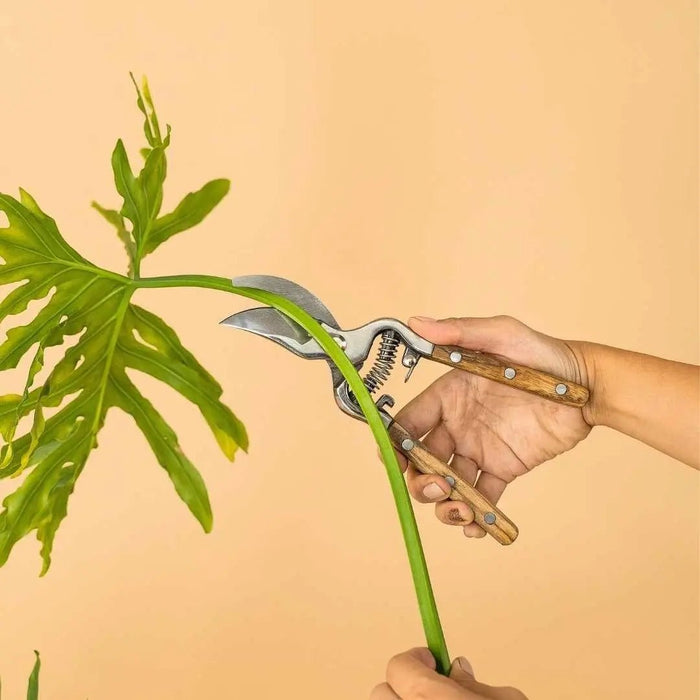
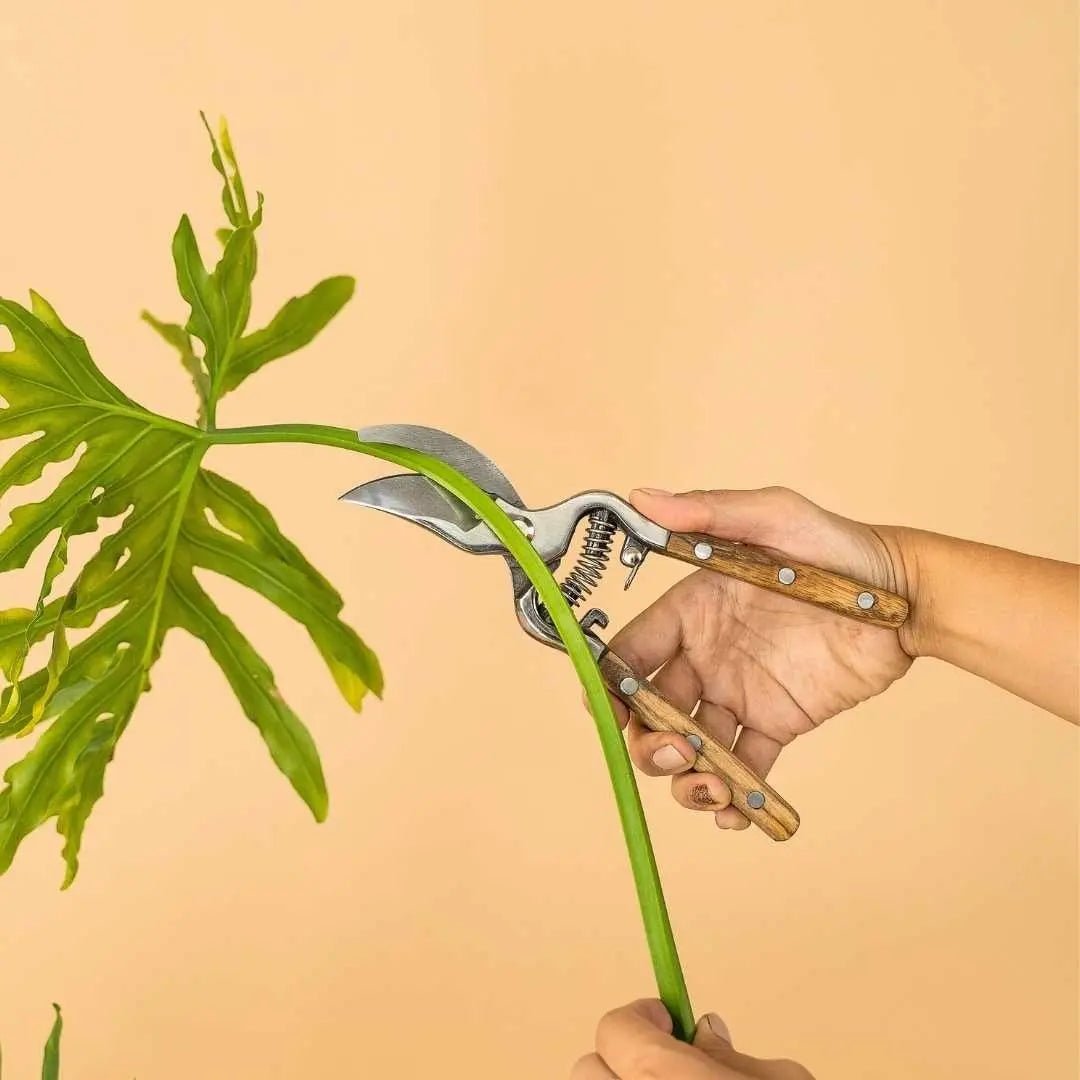
Fix: Address the most likely cause. Trim brown edges with clean scissors for a cleaner appearance. The trim will brown slightly at the cut — this is normal.
Yellow Lower Leaves
Cause: Natural ageing (oldest leaves are shed as new ones grow) or overwatering if many leaves yellow at once.
Fix: Remove naturally yellowed leaves at the base. If multiple leaves are yellowing, reduce watering and check root health.
Leaf Splitting
Cause: Normal. Wind, physical contact, or natural adaptation. Not a problem unless the splits are so severe they compromise the leaf.
No New Growth
Cause: Insufficient light (the most common reason), cold temperatures, or pot-bound roots that have exhausted available nutrients.
Fix: Move to brighter light. Fertilise regularly. Repot if the plant has been in the same pot for more than 2 years.
Pests
- Spider mites — fine webbing on leaf undersides. More common in dry conditions. Increase humidity, wash leaves, treat with neem oil.
- Mealybugs — white, cottony masses where leaves meet the stem. Treat with rubbing alcohol and neem oil.
- Scale — brown bumps on stems and leaf veins. Scrape off and treat.
Regular leaf cleaning with a damp cloth prevents pest buildup and keeps the large leaves looking their best.
Repotting
The Bird of Paradise has a vigorous root system:
- Repot every 1-2 years in a pot 3-5cm larger in diameter
- Spring or early summer is ideal
- Use a heavy pot (concrete, ceramic) — top-heavy Bird of Paradise plants tip over in lightweight plastic pots
- The Bird of Paradise is slightly root-bound tolerant — being snug in its pot encourages flowering (though indoor flowering is rare)
Styling
The Bird of Paradise is a statement plant:
- Living room anchor — A large specimen (1.5-2m) beside a sofa or in a corner creates an instant focal point
- Entryway statement — A pair flanking the entrance of a home or office
- Tropical resort feel — Beside glass doors or large windows for an indoor-outdoor tropical aesthetic
- Minimalist drama — One large Bird of Paradise in a clean, simple pot against a white wall
- Balcony feature — Thrives outdoors on a sheltered balcony with direct light
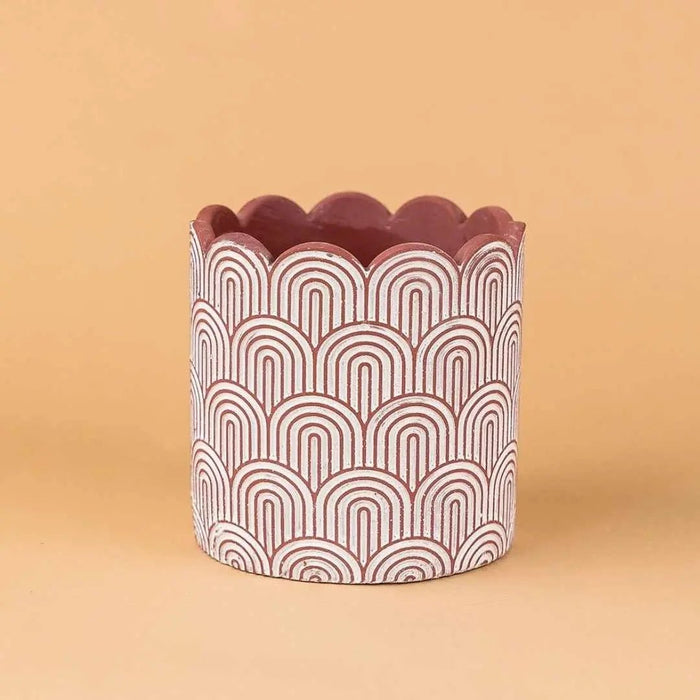
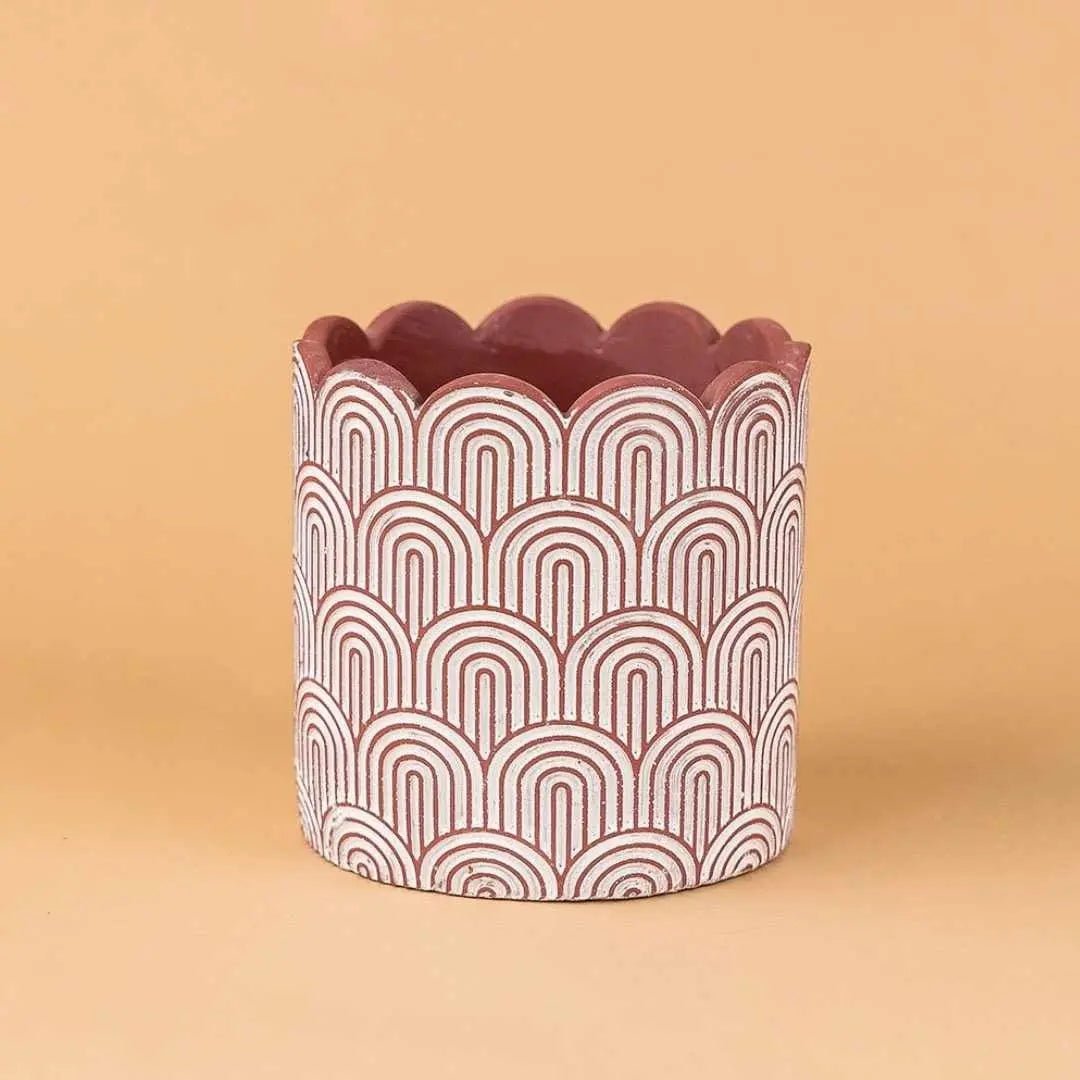
Pot choice: Heavy, substantial pots suit the Bird of Paradise's scale. Concrete, large ceramic, or rattan baskets. Avoid small, delicate pots that look disproportionate.
Is Bird of Paradise Toxic?
Mildly toxic if ingested — can cause nausea, vomiting, and digestive upset in pets and children. Keep away from animals that chew plants.
Shop Bird of Paradise
Browse our indoor plant collection for Bird of Paradise plants delivered across Singapore.
The Bird of Paradise is not a subtle plant. It does not blend into the background or fill a small gap on a shelf. It commands a room. Its massive leaves, its architectural form, and its unapologetically tropical presence make it the centrepiece of any space it occupies. Give it bright light, regular water, and a heavy pot to keep it grounded — and it will reward you with the most dramatic foliage any indoor plant can produce.
Quick summary
Key Takeaways
- Varieties
- Light
- Watering
- Soil
- Humidity
- Temperature
Ready to bring some green into your home?
Browse 250+ hand-picked plants, curated for Singapore homes — delivered to your door.
Browse All Plants →