
























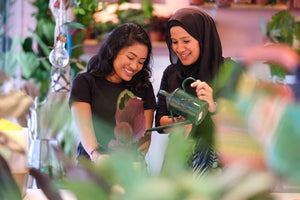

Best Plant Markets and Pop-Ups in Singapore 2026
Posted on April 09 2026
In this article

Singapore's plant community has grown from a niche hobby group into a vibrant culture with its own events calendar. Plant markets, pop-up sales, swap meets, and green fairs now happen across the island throughout the year — offering plant lovers the chance to discover rare finds, meet local growers, attend workshops, and connect with fellow enthusiasts.
Whether you are looking for a specific rare variety, want to support local growers, or simply enjoy the social atmosphere of a plant event, this guide covers where to go and what to expect.
Regular Plant Markets
HortPark Plant Sales
Where: HortPark, 33 Hyderabad Road
HortPark hosts periodic plant sales featuring selections from NParks' nurseries and partner growers. The events typically coincide with garden festivals and seasonal celebrations.
What to expect: A mix of common and uncommon varieties at reasonable prices. Orchids, tropical foliage, herbs, and ornamental plants. Expert advice from NParks staff.
Best for: Beginner to intermediate plant owners looking for quality plants with reliable growing advice.
World Farm
Where: 15 Bah Soon Pah Road
Not technically a market event, but World Farm operates like a permanent plant bazaar. This sprawling nursery complex is a weekend destination for serious plant shoppers in Singapore.
What to expect: Massive variety at competitive prices. Indoor plants, outdoor plants, pots, soil, fertiliser, and accessories. Expect to spend hours browsing.
Best for: Stocking up on plants, pots, and supplies. The sheer variety means you will find plants here that are unavailable elsewhere.
Thomson Road Nurseries
Where: Along Thomson Road (Eng Hup, Candy Floriculture, and others)
The Thomson Road nursery strip is Singapore's traditional plant shopping district. Multiple nurseries line the road, each with different specialties and price points.
What to expect: Competitive pricing due to proximity of multiple vendors. Good for comparing prices and finding deals on common varieties.
Best for: Price-conscious plant shoppers and those who want to see and compare plants in person.
Pop-Up Events and Fairs

Plant Swap Meets
Singapore's plant community organises regular swap meets — events where plant lovers bring cuttings, rooted plants, and pups to exchange with other enthusiasts.
How they work:
- Bring plants you want to trade (cuttings, propagations, plants you have outgrown)
- Browse what others have brought
- Negotiate swaps — no money changes hands, only plants
- Many swaps have a "free table" for giveaways
Where to find them: Follow plant community groups on Telegram, Facebook (Singapore Plant Lovers, SG Plant Exchange), and Instagram. Swaps are announced one to two weeks in advance and held at community spaces, cafes, and parks.
Tips:
- Label your plants clearly (species name, care notes)
- Bring a variety of sizes — small cuttings trade easily, but a mature plant can command a rare cutting in return
- Arrive early for the best selection
- Bring your own bags and newspaper for wrapping
Green Festival Markets
Several annual and biannual festivals feature dedicated plant sections:
Artbox Singapore — The popular container market often includes plant vendors and terrarium workshops among its creative stalls.
Boutique Fairs — Periodic lifestyle markets at locations like F1 Pit Building that include local plant businesses alongside artisanal food and craft vendors.
Community Centre Events — Neighbourhood CCs occasionally host garden fairs with plant sales, workshops, and gardening demonstrations.
Online Pop-Ups
The pandemic normalised online plant sales, and this format has endured:
Instagram Live sales — Local growers host live-streamed plant sales where viewers claim plants in real-time via comments. Fast-paced, social, and often featuring rare or limited varieties.
Telegram group sales — Grower-run Telegram channels announce plant drops with photos and prices. First-come, first-served.
Carousell — Singapore's classifieds platform has an active plant section where individuals sell, trade, and give away plants.
Workshops and Experiences
Terrarium Workshops
Multiple venues across Singapore offer terrarium-building workshops — hands-on sessions where you create a miniature ecosystem in a glass container to take home.
What to expect: Materials provided (glass vessel, soil layers, plants, decorative elements). Guided instruction for 60-90 minutes. You leave with a finished terrarium.
Price range: $40-$80 per person depending on vessel size and materials.
Best for: Date nights, team-building events, and gifts (purchase a workshop voucher for a birthday present).
Kokedama Workshops
Kokedama — Japanese moss ball planting — is a popular workshop format in Singapore. You wrap plant roots in soil and moss to create a hanging or sitting display that needs no pot.
Price range: $35-$60 per person.
Propagation Workshops
Some plant shops and community groups host propagation workshops where you learn cutting, dividing, and water propagation techniques hands-on. You take home rooted cuttings to start or expand your collection.
Bonsai Workshops
For the more patient plant lover, bonsai workshops teach the fundamentals of selecting, shaping, and maintaining miniature trees. These tend to be longer sessions (two to three hours) with higher material costs.
Price range: $60-$150 depending on the tree provided.
Supporting Local Growers

One of the best aspects of Singapore's plant market scene is the opportunity to support local, independent growers:
Why buy local:
- Plants are acclimatised to Singapore conditions (they have already adapted to our climate)
- No import stress or quarantine period
- You get personalised care advice from someone growing in the same conditions as you
- You support small businesses and passion projects
- Often better prices than imported specimens
Where to find local growers:
- Instagram — search hashtags like #SGplants, #singaporeplants, #plantsSG
- Plant community Telegram groups
- Pop-up markets and swap meets
- Carousell and Facebook Marketplace
What to Look for at Plant Markets
Signs of a Healthy Plant
- Firm, turgid leaves — not wilted, yellowed, or brown-edged
- Clean foliage — no spots, holes, or discolouration
- No pests — check leaf undersides, axils, and soil surface for bugs, webs, or cottony masses
- Active growth — new leaves unfurling or visible growth points
- Stable in the pot — the plant should not wobble (indicating recent repotting or poor root development)
Red Flags
- Heavily discounted rare plants (may be sick or dying)
- Plants with mealybugs, scale, or spider mites (do not bring these home)
- Soil that smells sour or mushy (root rot)
- Vendors who cannot tell you the plant's species or care requirements
Negotiation
At physical markets and nurseries, polite negotiation is common:
- Buying multiple plants often earns a discount
- Ask about "clearance" plants — slightly imperfect specimens at reduced prices can be great value
- Bring cash — many market vendors prefer cash transactions
Seasonal Calendar

While Singapore does not have traditional seasons, the plant market calendar follows certain patterns:
Chinese New Year (January-February): Orchid sales boom. Lucky plants (jade, money plant, lucky bamboo) are prominently displayed.
March-April: Post-CNY plant sales and clearances. Good time for bargains.
May-June: Mother's Day and Father's Day gift plant promotions.
July-August: National Day period often coincides with garden festivals and community events.
September-December: Year-end markets, holiday gift plants, terrarium workshop peak season.
Stay Connected
Browse our curated plant collection online — we deliver across Singapore. And when you are ready to explore the community in person, follow Singapore's plant groups on social media for the latest market dates, pop-up locations, and swap meet announcements.
Singapore's plant market scene is more than shopping — it is community. The growers, the collectors, the weekend browsers, and the swap-meet regulars form a network of people who share knowledge, cuttings, and genuine enthusiasm for growing things. Whether you attend your first swap meet or your fiftieth nursery visit, there is always something new to discover.
Quick summary
Key Takeaways
- Regular Plant Markets
- Pop-Up Events and Fairs
- Workshops and Experiences
- Supporting Local Growers
- What to Look for at Plant Markets
- Seasonal Calendar
Ready to bring some green into your home?
Browse 250+ hand-picked plants, curated for Singapore homes — delivered to your door.
Browse All Plants →









Comments
0 Comments
Leave a Comment