

















Biophilic Design in Singapore Homes and Offices | Tumbleweed Plants Singapore
Posted on April 10 2026
In this article

Biophilic design is the practice of incorporating nature into built environments — not as decoration, but as a fundamental design principle. The word comes from biophilia, biologist E.O. Wilson's term for humanity's innate connection to nature. Biophilic design says: we evolved in nature, our brains expect nature, and our well-being suffers without it.
In Singapore, biophilic design has moved from niche concept to mainstream practice. The country is already one of the greenest cities in the world — trees line every highway, parks are abundant, and Gardens by the Bay attracts millions. But most Singaporeans spend 90% of their time indoors, in homes and offices where nature is largely absent. Biophilic design addresses this gap.
The Principles
Direct Experience of Nature
The most obvious: actual nature inside the building. Plants, water features, natural light, and views of greenery.
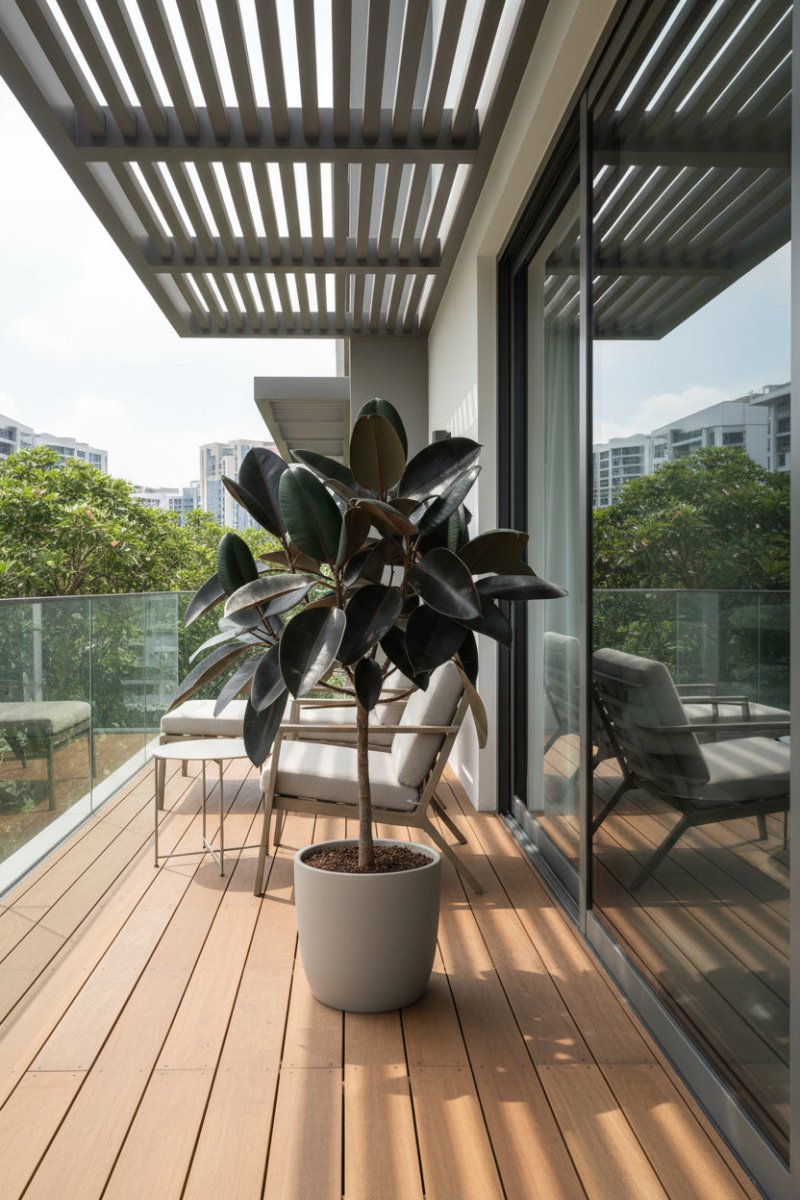
In your home: Indoor plants, a small water feature, maximising natural light through window treatments, and views of trees or sky.
In offices: Living walls, desk plants, interior gardens, and windows positioned for green views.
Indirect Experience of Nature
Natural materials, patterns, and colours that evoke nature without being literal nature.
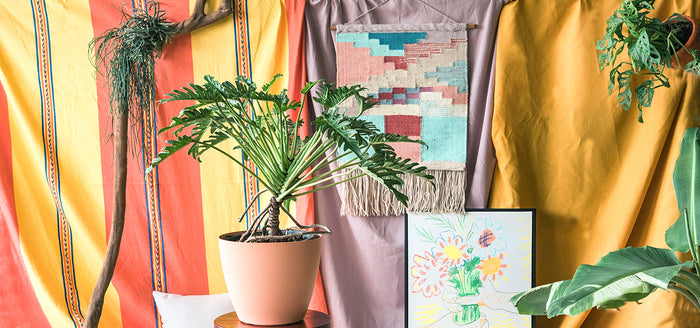
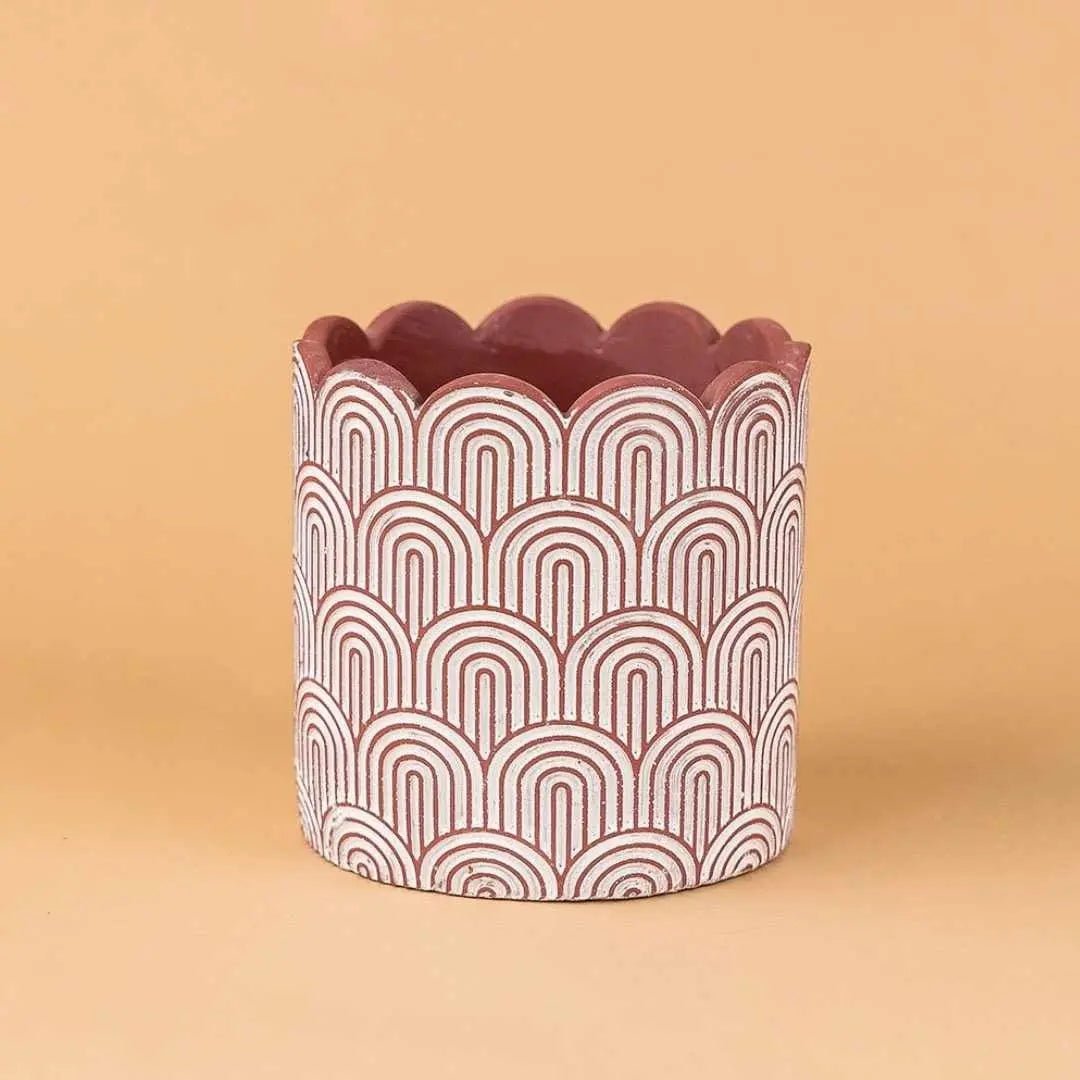
Examples: Wood surfaces (tables, shelving, flooring), stone textures, earth-toned colours (green, brown, terracotta), organic shapes in furniture, and nature photography or art.
Experience of Space and Place
Spatial qualities that mimic natural environments — variation, refuge (cosy nooks), prospect (open views), and mystery (partially hidden spaces that invite exploration).
Examples: Varied ceiling heights, alcoves and reading nooks, open-plan areas with defined zones, and transitional spaces between rooms.
Plants as the Foundation

Plants are the most accessible and impactful element of biophilic design. They bring literal nature indoors with minimal cost and maximum flexibility.
The Research
- Productivity: A 2014 study in the Journal of Experimental Psychology found that enriching offices with plants increased productivity by 15%.
- Well-being: A 2020 systematic review found that indoor plants consistently reduce stress markers, improve mood, and enhance perceived well-being.
- Air quality perception: While plants do not meaningfully purify air at typical indoor quantities, they improve perceived air quality — people feel the air is fresher around plants.
- Noise reduction: Large-leafed plants absorb sound, reducing noise levels in open-plan spaces by a measurable amount.
How to Apply It
The minimum: One plant per room. Even a single plant signals "nature is present" to the brain.
The standard: Plants at multiple height levels — floor, surface, and hanging/wall. This creates a layered, immersive green effect.
The advanced: A dedicated green corner, a plant wall, or an indoor vertical garden that makes nature a dominant visual element.
Biophilic Design for Singapore HDB Flats
Living Room
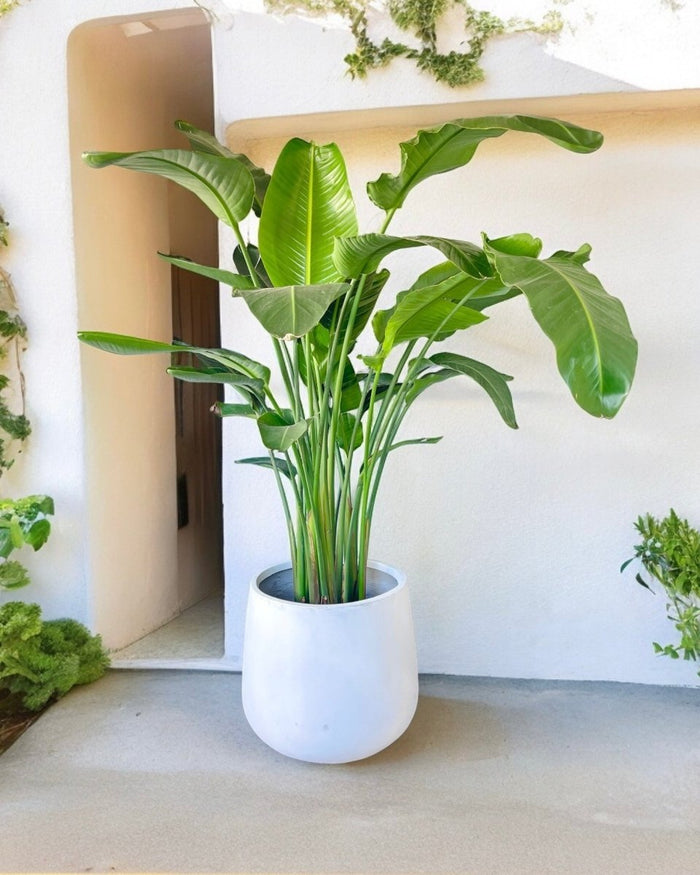
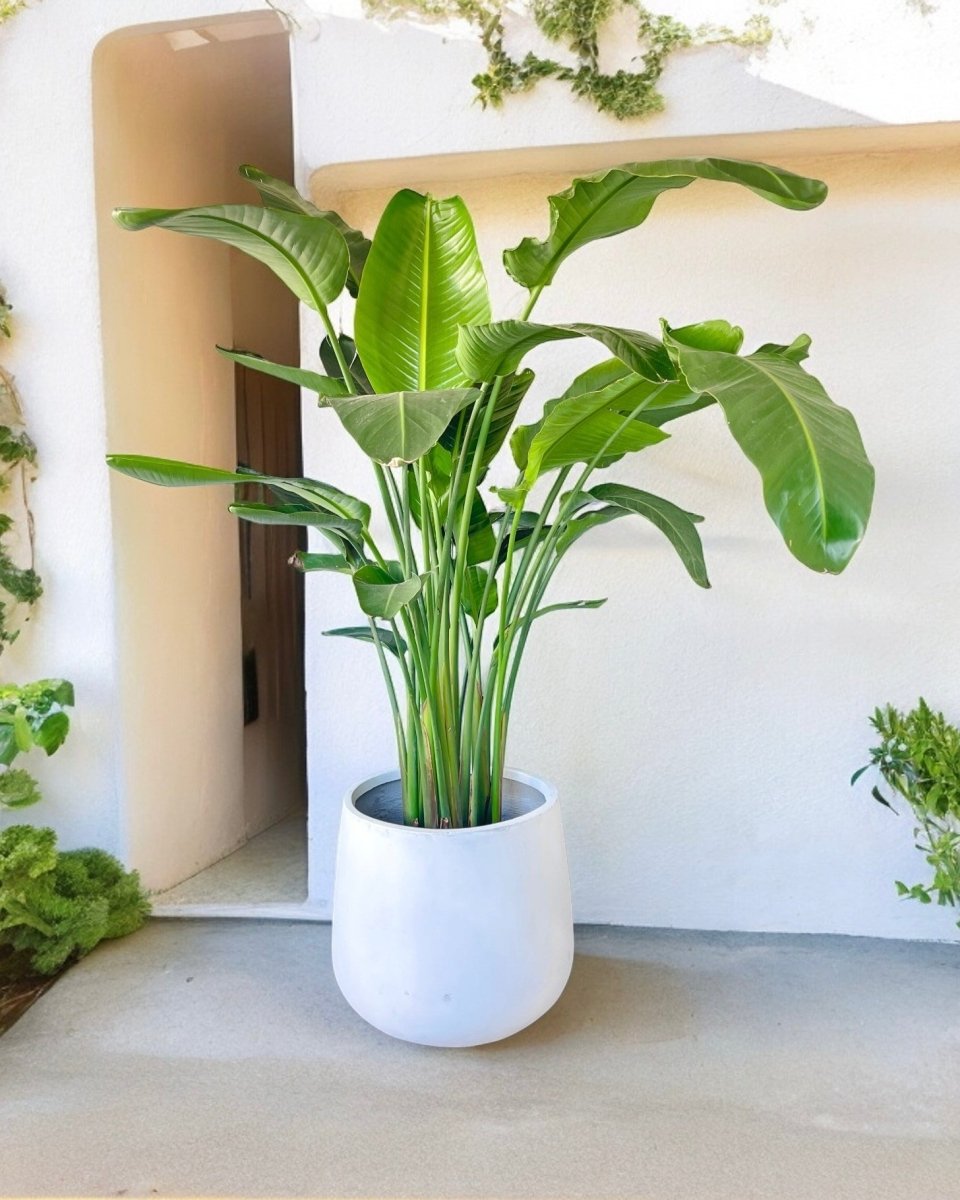
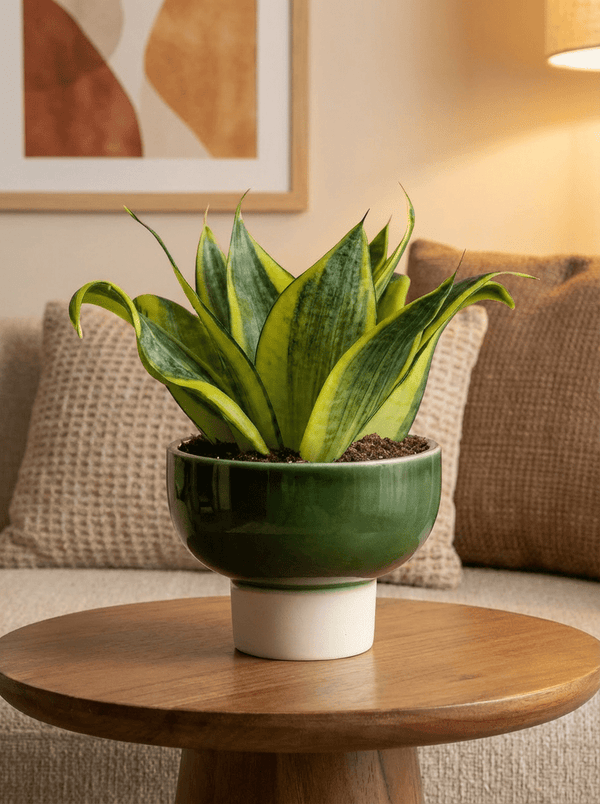
- Floor plants: Monstera, Bird of Paradise, or tall Snake Plant in the brightest corner
- Shelf plants: Aglaonema, Peperomia, and trailing Pothos on existing shelving
- Natural materials: Rattan furniture, wooden coffee table, jute rug
- Colour palette: Earth tones — sage green, warm white, terracotta accents
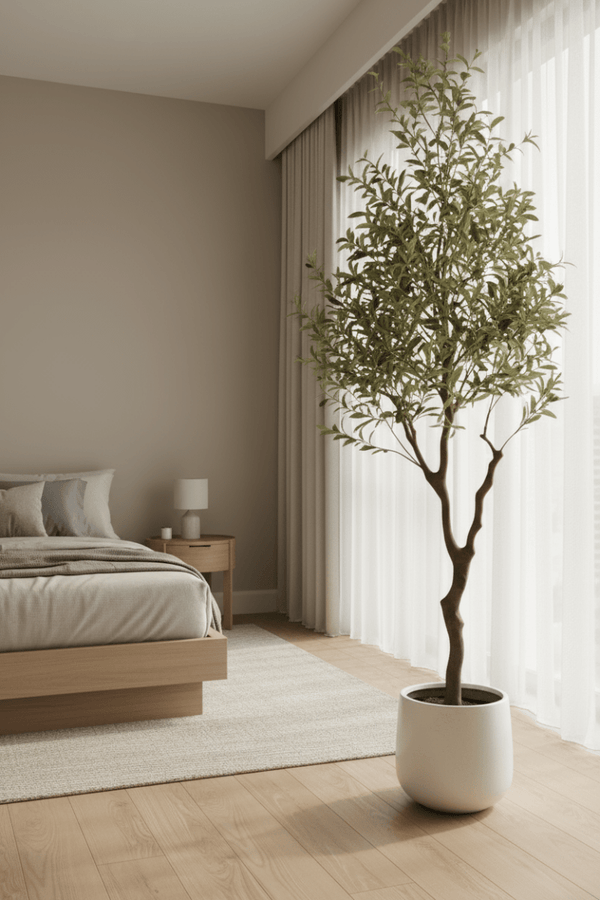
Bedroom
- Bedside plants: Peace Lily or Calathea on the nightstand
- Natural textiles: Linen bedding, cotton curtains, wooden headboard
- Lighting: Warm-toned lights that mimic evening light, avoid cool blue LEDs
- Views: If possible, position the bed to face a window with a green view
Kitchen
- Herbs on the windowsill: Functional biophilic design — you cook with the plants
- Natural materials: Wooden cutting boards, stone countertops, ceramic containers
- Plant accents: Small trailing plant from the top of the fridge or cabinets
Bathroom
- Humidity-loving plants: Ferns, Peace Lily, small Pothos (if there is natural light)
- Natural materials: Stone tiles, wooden bath accessories, bamboo organisers
- The spa effect: A few plants in a bathroom instantly evoke a spa atmosphere
Corridor / Entrance
- Welcome plant: A small ZZ Plant or Snake Plant at the entrance
- Natural flooring: Wooden or stone-look tiles
- Transition element: The entrance plant signals the shift from urban to home
Biophilic Design for Singapore Offices

Individual Workstations
- One desk plant per employee — Aglaonema, small Snake Plant, or Peperomia
- Allow personalisation — employees choose their own plants
- Ensure maintenance support (many offices have plant maintenance contracts)
Common Areas
- Large floor plants in reception areas, meeting rooms, and break rooms
- Living walls (vertical gardens) in high-visibility areas
- Planters as space dividers in open-plan offices
Meeting Rooms
- One medium plant per meeting room — visible from all seats
- Natural materials on the table (wood, not laminate)
- Views of greenery if possible; if windowless, large nature photography
Break Rooms and Pantries
- A cluster of plants creating a green retreat
- Herbs for tea or garnishing — a functional, interactive element
- Natural seating (wooden chairs or benches)
Beyond Plants: Other Biophilic Elements
Natural Light
Maximise daylight penetration. In Singapore:
- Use sheer curtains instead of blackout blinds during the day
- Place reflective surfaces opposite windows to bounce light deeper into rooms
- Arrange workspaces to face windows where possible
Water
The sound and sight of water is deeply calming:
- Small tabletop fountains
- Indoor water features in larger homes or offices
- Even a fish tank (with live plants inside) qualifies
Natural Materials
Replace synthetic with natural wherever practical:
- Wood over laminate
- Stone over synthetic countertops
- Rattan and bamboo over plastic
- Cotton and linen over polyester
Nature Sounds
In offices or homes far from nature:
- Background nature sounds (rain, forest, birds) through speakers
- Position desks near windows where outdoor sounds are audible
The Singapore Advantage

Singapore is uniquely positioned for biophilic design:
- Tropical plants grow indoors year-round — no seasonal dormancy limits
- Year-round warmth means outdoor-indoor transitions are seamless
- Government investment in greenery (HDB green towns, Skyrise Greenery programme) normalises nature in built environments
- Cultural appreciation for gardens and plants across communities
Shop Biophilic Plants
Browse our indoor plant collection for plants that bring nature into your Singapore home or office. Delivered across the island.
Biophilic design is not a trend — it is a recognition that our built environments have been ignoring a fundamental human need. We need nature. Not in the abstract, "I should go hiking sometime" way, but in the daily, immediate, "there is a living plant on my desk and I feel better" way. In Singapore, where the density of urban living can make nature feel distant despite the city's green reputation, bringing plants, natural materials, and daylight into our homes and offices is not a luxury. It is how we design spaces that work for human beings — because human beings, no matter how urban, are still biological creatures wired for the living world.
Quick summary
Key Takeaways
- The Principles
- Plants as the Foundation
- Biophilic Design for Singapore HDB Flats
- Biophilic Design for Singapore Offices
- Beyond Plants: Other Biophilic Elements
- The Singapore Advantage
Ready to bring some green into your home?
Browse 250+ hand-picked plants, curated for Singapore homes — delivered to your door.
Browse All Plants →









Comments
0 Comments
Leave a Comment