




















How to Start a Plant Business in Singapore | Tumbleweed Plants Singapore
Posted on April 10 2026
In this article

Singapore's plant community is vibrant, growing, and commercial. What started as a pandemic hobby for many has matured into a legitimate side business — or even a full-time income — for propagators, collectors, and entrepreneurs who spotted the opportunity. From Carousell sellers moving a few cuttings a week to Instagram shops with dedicated followings, plant businesses in Singapore range from micro to substantial.
If you have been thinking about turning your plant hobby into income, here is a practical look at what it takes, what it costs, and what the realistic path looks like.
The Business Models
Home Propagator
What it is: You propagate plants at home — rooting cuttings, dividing mature plants, growing from seed — and sell the results online.
Startup cost: Low ($50-$200 for soil, pots, and propagation supplies). Your existing plant collection is your stock.
Revenue potential: $200-$1,000/month depending on volume and plant rarity.
Platforms: Carousell, Instagram, Telegram groups, Facebook Marketplace.
Best for: People with a growing collection, space to propagate, and patience for the slow timeline of plant growing.
Curated Online Shop
What it is: You source plants from local nurseries, importers, or your own propagation, and sell through a website or social media with curated presentation, branding, and delivery.
Startup cost: Moderate ($500-$2,000 for inventory, website, branding, and packaging).
Revenue potential: $1,000-$5,000/month with consistent inventory and marketing.
Platforms: Shopify, WooCommerce, Instagram, own website.
Best for: People with design/branding skills, marketing knowledge, and a clear niche (e.g., rare aroids, beginner-friendly plants, premium pots).
Workshop and Experience Provider
What it is: You run terrarium-making, propagation, or plant care workshops — either at your own space, at partner venues (cafes, coworking spaces), or as corporate team-building events.
Startup cost: Moderate ($300-$1,000 for materials, plus venue costs).
Revenue potential: $500-$3,000/month depending on frequency and pricing.
Platforms: Instagram, own website, event platforms, corporate channels.
Best for: People who enjoy teaching, are comfortable presenting, and can create engaging hands-on experiences.
Plant Styling and Maintenance Service
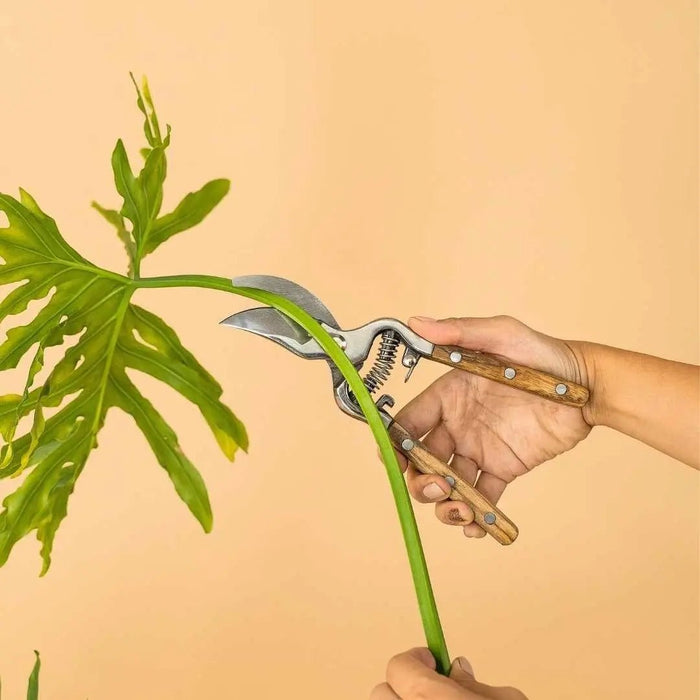
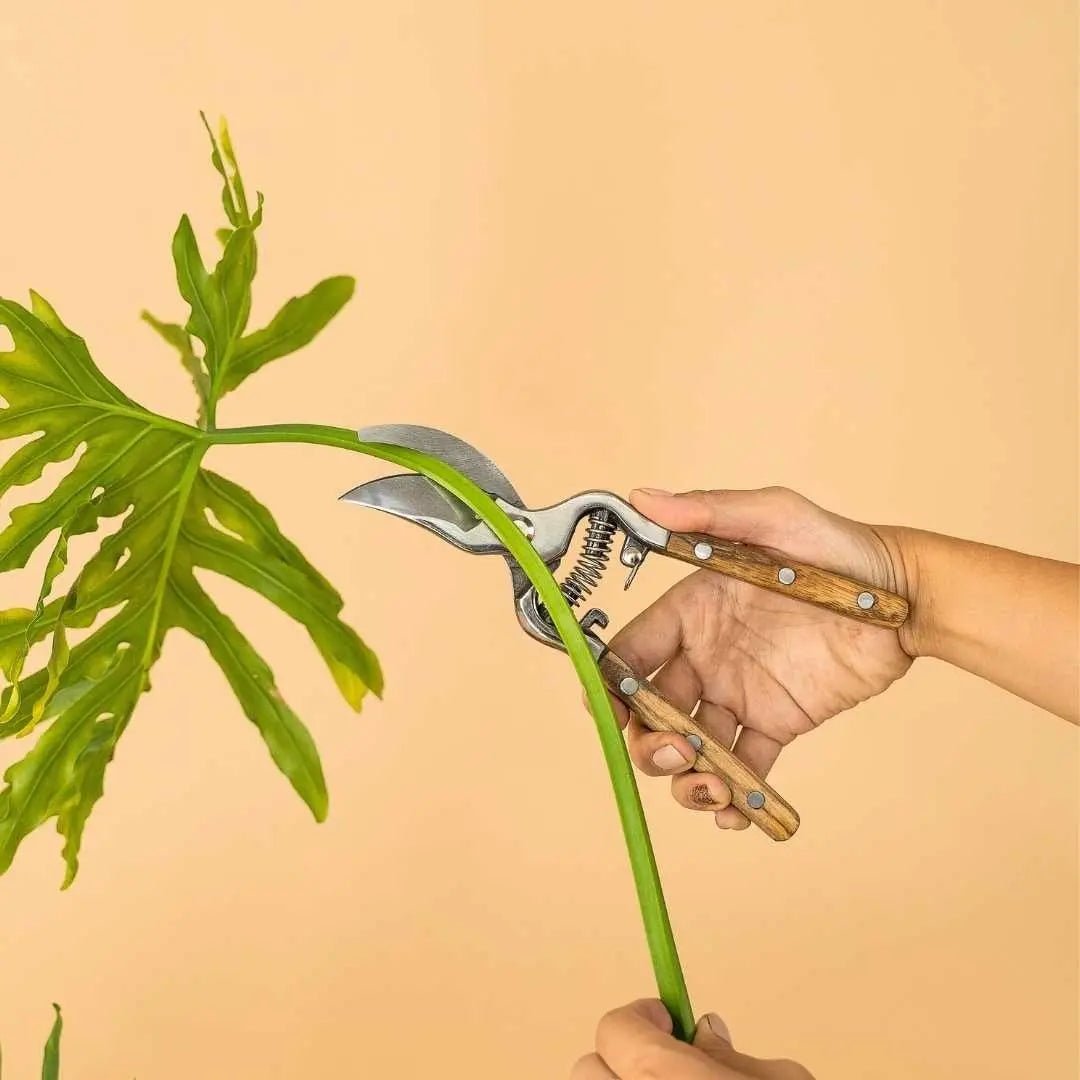
What it is: You design plant installations for offices, restaurants, and homes, and provide ongoing maintenance (watering, pruning, replacement).
Startup cost: Low to moderate ($200-$500 for tools, transport).
Revenue potential: $1,000-$5,000/month with recurring maintenance contracts.
Best for: People with design sense, plant care expertise, and the ability to manage client relationships.
Getting Started: Practical Steps

1. Define Your Niche
The Singapore plant market is competitive. Broad, generic plant selling is harder to stand out in than a focused niche:
- Rare aroids — Philodendron, Anthurium, Monstera varieties
- Beginner bundles — curated sets for new plant owners
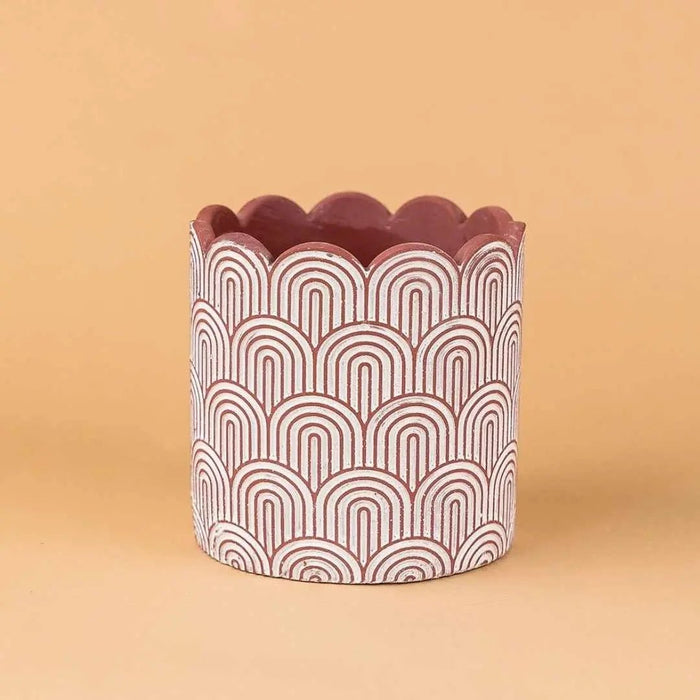
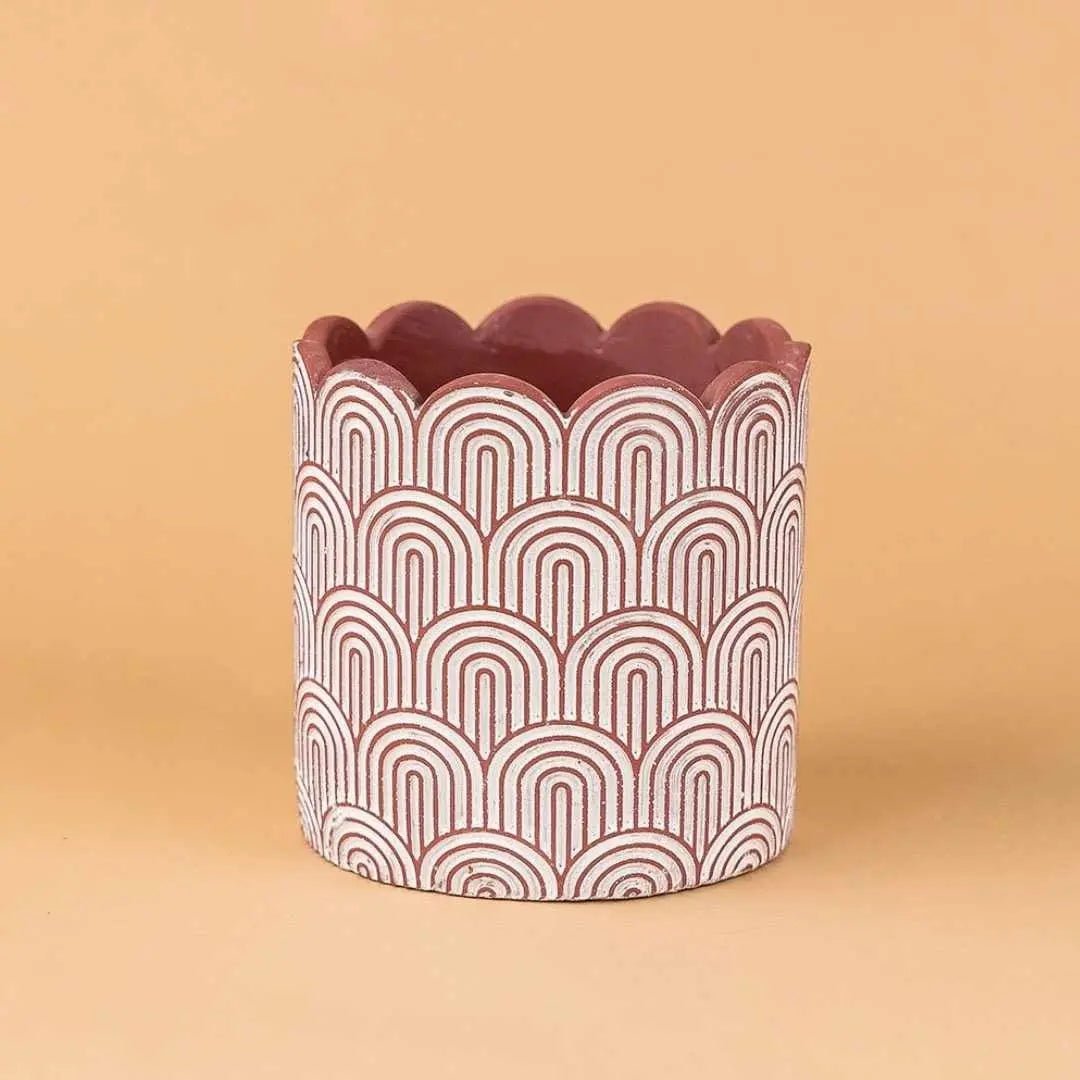
- Premium pots and planters — sourced or locally made
- Pet-safe plants — a growing demand niche
- Herbs and edibles — practical plants for kitchens and balconies
- Corporate and office plants — B2B opportunity
2. Source Your Inventory
Self-propagation: Lowest cost, highest margin, slowest timeline. Propagate from your existing collection. Takes months to build sellable stock.
Local nurseries: Buy wholesale or in bulk from nurseries. Prices are lower than retail but margins are thinner.
Importers: For rare or unusual plants, connect with importers who bring in tissue culture or wild-collected specimens. Higher risk (plant quality varies) but access to sought-after species.
Other hobbyists: Buy, trade, or consign from other collectors. The plant community is collaborative.
3. Set Up Your Sales Channel
Carousell: The lowest barrier to entry. Create a seller profile, photograph your plants, and list. Free to use (with optional paid promotions). Best for starting out and testing demand.
Instagram: Build a following with quality photos, care tips, and plant content. Sell via DM or link to your shop. Requires consistent content creation.
Shopify or own website: For a more professional, branded shop. Monthly costs ($30-$80/month) but better customer experience and brand building.
Telegram groups: For plant community sales. Direct access to enthusiast buyers. Join existing groups and participate before selling.
4. Handle Logistics
Delivery: Most Singapore plant sellers self-deliver or use courier services. Lalamove and Grab Express handle same-day delivery. Plan packaging carefully — plants need protection during transit.
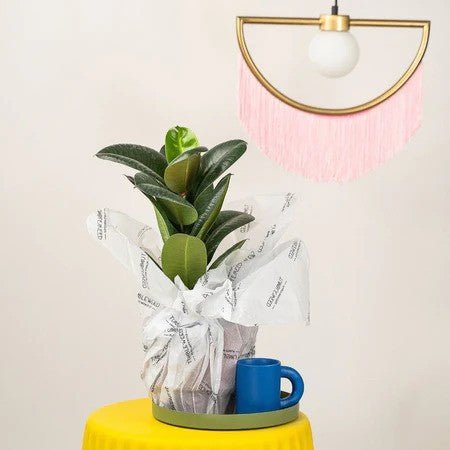
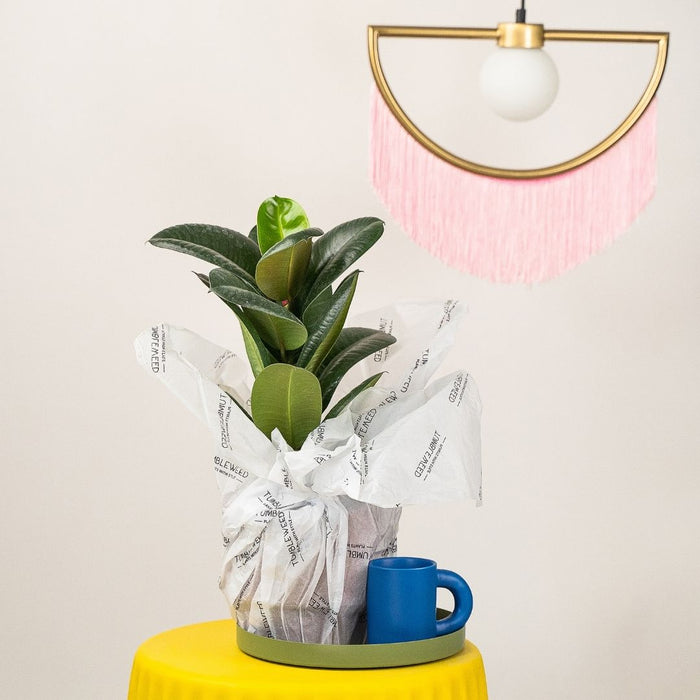
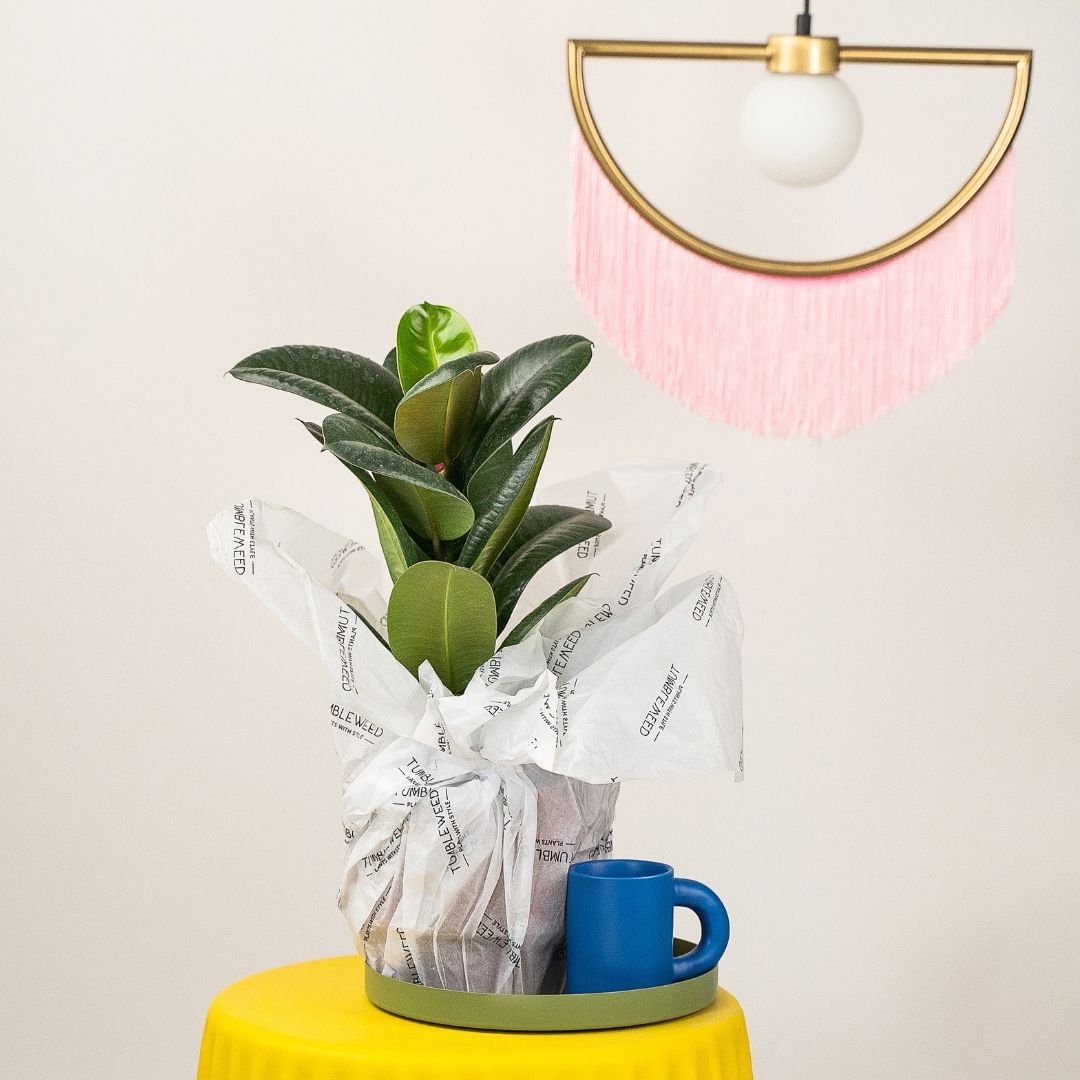
Packaging: Newspaper wrapping for basic orders, tissue paper and boxes for premium. Include a care card. Secure the pot to prevent tipping.
Self-collection: Offering self-collection from your home or an MRT station reduces delivery costs and allows buyers to inspect plants.
5. Legal Basics
Business registration: If revenue exceeds a casual hobby level, register a business with ACRA (Accounting and Corporate Regulatory Authority). A sole proprietorship is the simplest structure ($115 annual fee).
GST: Not required until revenue exceeds $1 million annually. Most small plant businesses are well below this threshold.
AVA/SFA regulations: Importing plants may require a license from NParks/SFA. Check regulations if you plan to import directly.
Home business rules: HDB home businesses have restrictions — check HDB guidelines on operating a business from your flat.
Realistic Expectations
Timeline to profitability: 3-6 months for simple propagation selling. 6-12 months for a branded online shop.
Margins: 40-60% on self-propagated plants. 20-40% on sourced/wholesale plants. Higher margins on premium pots and bundles.
Competition: Singapore has hundreds of plant sellers. Standing out requires a clear niche, quality presentation, and consistent customer experience.
Seasonality: Plant demand peaks around holidays (Mother's Day, Christmas, Chinese New Year), during renovation/moving season, and whenever a plant trends on social media.
Keys to Success

Quality photos. In online plant selling, photography is everything. Learn to photograph plants in natural light with clean backgrounds. Your Instagram or Carousell listing is your shopfront.
Consistent availability. Buyers return to sellers who consistently have stock. Plan your propagation pipeline months ahead.
Customer service. Respond quickly. Be honest about plant condition. Offer care advice. The plant community is small — reputation spreads fast.
Community engagement. Participate in plant groups, attend swap meets, and contribute knowledge. Community trust drives sales more than advertising.
Honest grading. Price plants fairly based on size, health, and rarity. Overpricing erodes trust quickly.
Shop Plants
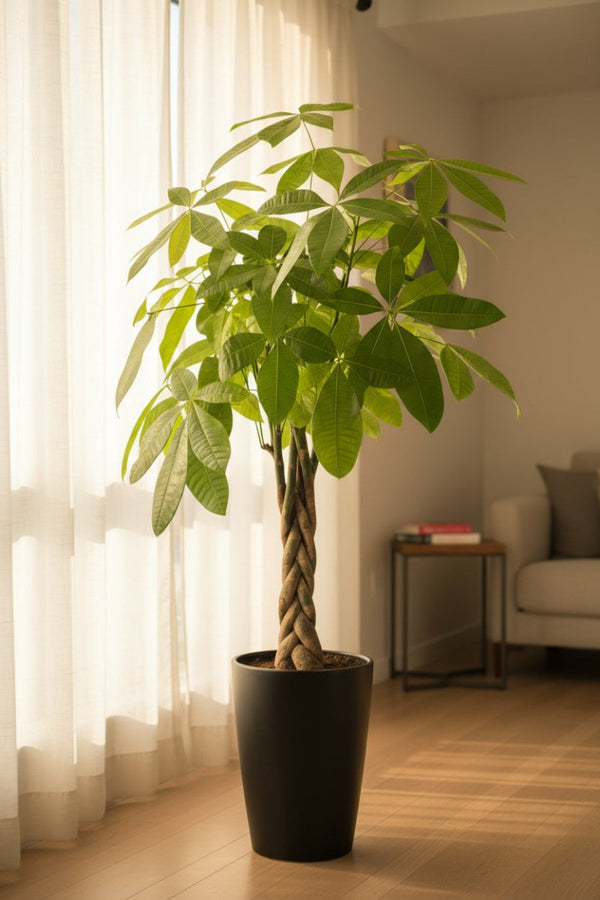
Browse our indoor plant collection for inspiration on how a curated plant shop presents its collection. From product photography to plant descriptions, see how quality presentation drives plant sales.
Starting a plant business in Singapore is accessible, relatively low-risk, and genuinely fun if you love plants. It is not a get-rich-quick scheme — it is a slow-growing venture, much like the plants themselves. Start small, propagate from what you have, sell on Carousell, and grow from there. The plant community is supportive, the demand is real, and the joy of turning a hobby into income is worth the effort.
Quick summary
Key Takeaways
- The Business Models
- Getting Started: Practical Steps
- Realistic Expectations
- Keys to Success
- Shop Plants
Ready to bring some green into your home?
Browse 250+ hand-picked plants, curated for Singapore homes — delivered to your door.
Browse All Plants →









Comments
0 Comments
Leave a Comment