


















How to Start a Plant Collection in Singapore | Tumbleweed Plants Singapore
Posted on April 10 2026
In this article

Nobody plans to become a plant person. You buy one plant — maybe a small Pothos for your desk or a Snake Plant because someone told you it is impossible to kill. You water it. It grows. You feel a small, unexpected satisfaction. Then you buy another one. And another. And suddenly you are reorganising furniture to fit more plants near the window and your Shopee cart is full of ceramic pots.
This is how plant collections begin — not with a plan, but with a feeling. The plan comes later, when you realise you need one. This guide is that plan.
Phase 1: The First 1-3 Plants
What to Buy
Start with plants that forgive mistakes. Your first plants are where you learn watering rhythm, light assessment, and the basic skills of keeping something alive indoors. This is not the time for finicky species.
The starter trio:
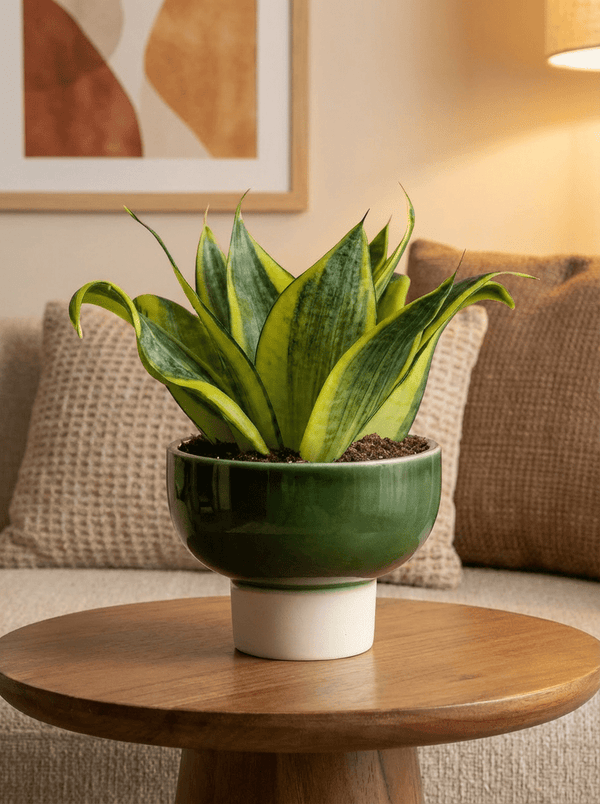
- Snake Plant — Tolerates any light, any watering schedule, any level of neglect. Your training wheels.
- Pothos — Fast-growing, visually rewarding, and nearly as forgiving as a Snake Plant. Trailing vines show you what healthy growth looks like.
- ZZ Plant — Glossy, architectural, and drought-tolerant. Complements the vertical Snake Plant and trailing Pothos with a bushy, structured form.
What to Learn
- How to check soil moisture. Insert your finger 2-3cm into the soil. Dry = water. Damp = wait. This five-second habit prevents most plant deaths.
- How light works in your home. Observe which windows get direct sun, which get bright indirect light, and which areas are genuinely dim. This determines what you can grow and where.
- How to recognise overwatering. Yellow leaves, mushy stems, soil that smells sour. Most beginners water too much, not too little.
Timeline
Spend 2-3 months with your first plants before buying more. This period teaches you the care rhythm for your specific home conditions — your humidity, your light, your AC schedule.
Phase 2: Expanding (4-10 Plants)

What to Add
Now that you understand the basics, branch into plants that offer more visual variety:
- Aglaonema — Colourful foliage (pink, red, silver) that your starter plants lacked. Low-light tolerant.
- Monstera deliciosa — The iconic split-leaf plant. Your first "statement" plant that says "I am doing this seriously now."
- Philodendron — Many varieties to explore. Heartleaf for trailing, Birkin for upright, Brasil for colour.
- Peperomia — Compact and varied. Watermelon, Raindrop, and Ripple varieties offer interesting textures.
- Peace Lily — Your first flowering houseplant. Elegant white blooms with minimal effort.
What to Learn
- Different watering needs. Not every plant follows the same schedule. A Calathea wants consistent moisture; a Snake Plant wants to dry out completely.
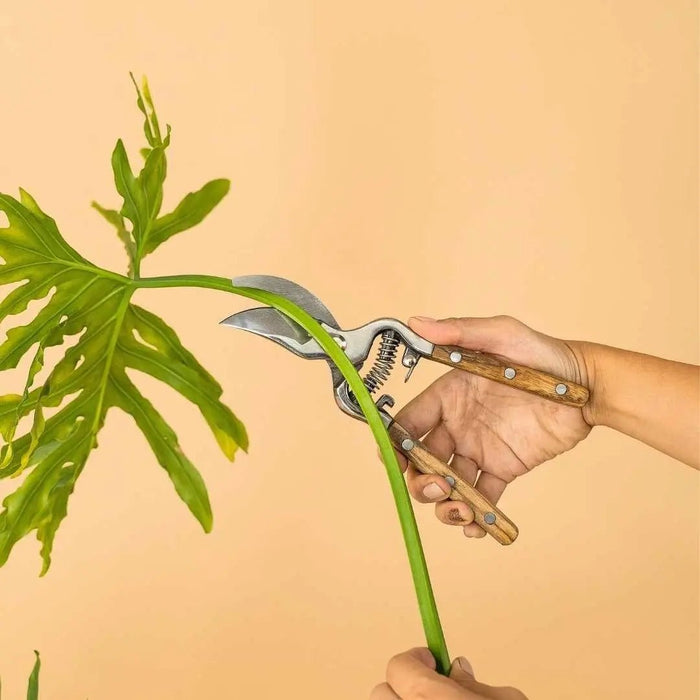
- Propagation. Take your first cutting from your Pothos, root it in water, and pot it up. This is the moment plant collecting becomes addictive — free plants from plants you already own.
- Pest identification. At some point, you will encounter fungus gnats, mealybugs, or spider mites. Learn to identify and treat them early.
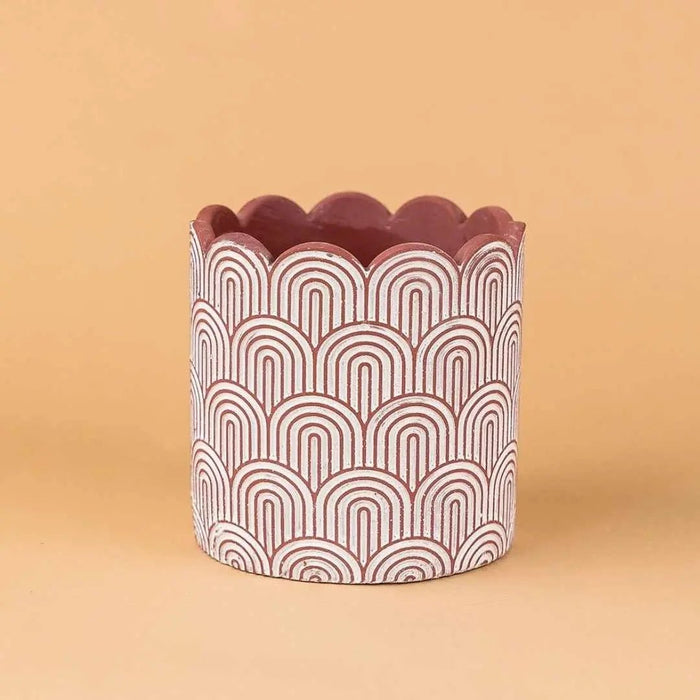
- Pot selection. You begin caring about pots — drainage holes, material, size relative to the plant. Your nursery pots start looking inadequate.
Timeline
This phase typically lasts 3-6 months. You are actively learning and adding plants with intention.
Phase 3: The Collection (10-20+ Plants)
What Happens
Your collection has a character now — you know what you like. Maybe you gravitate toward aroids (Monstera, Philodendron, Alocasia). Maybe you love trailing plants. Maybe you are building a tropical corner in your living room.
What to Add
- Specialty plants: Calathea (prayer plants with moving leaves), Hoya (waxy flowers), Begonia rex (painted leaves)
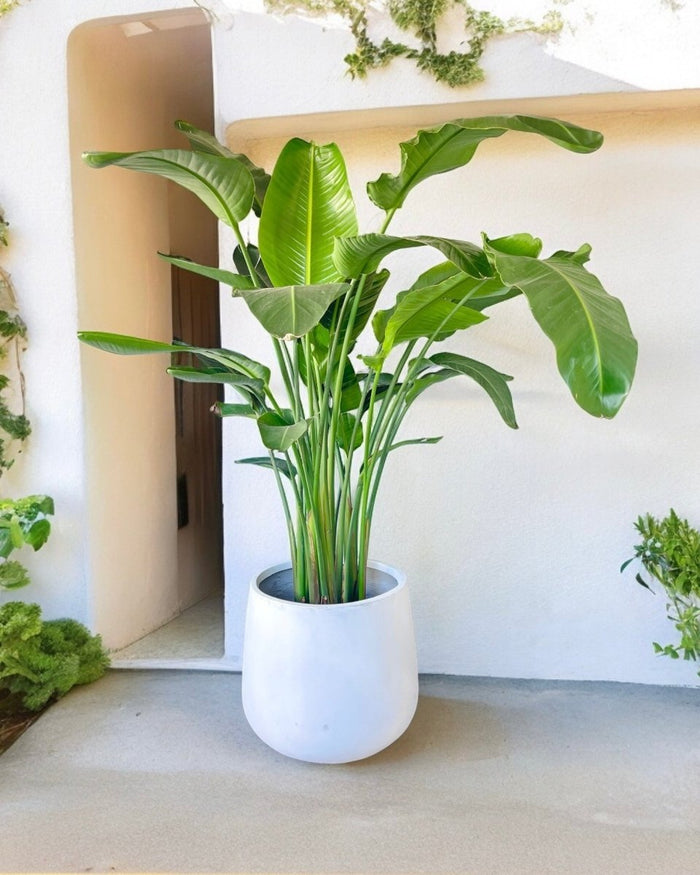
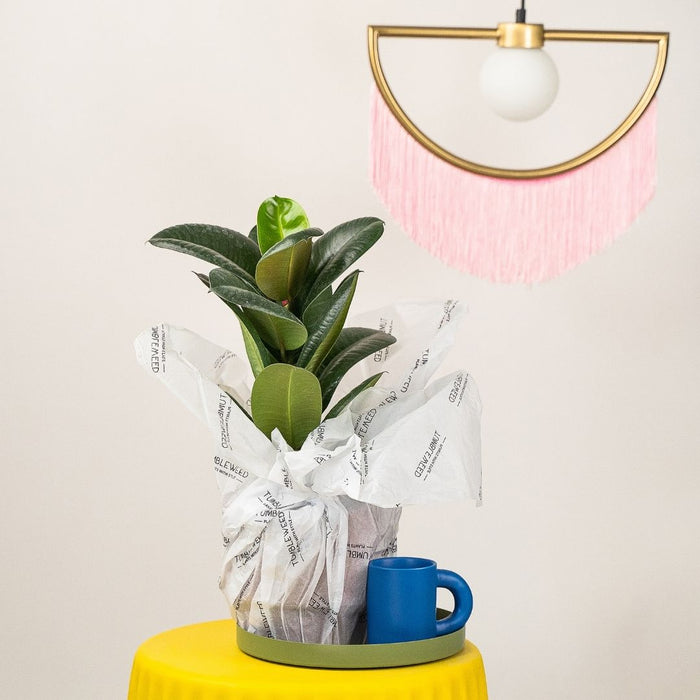
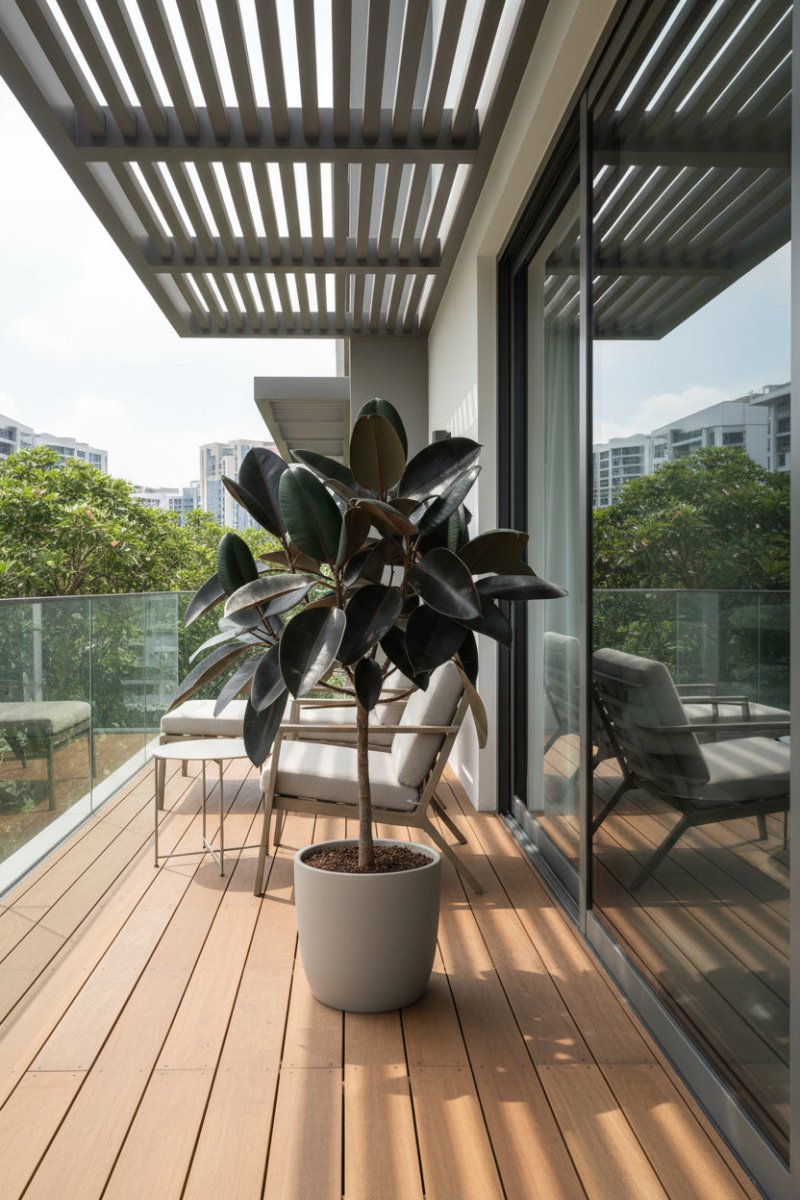
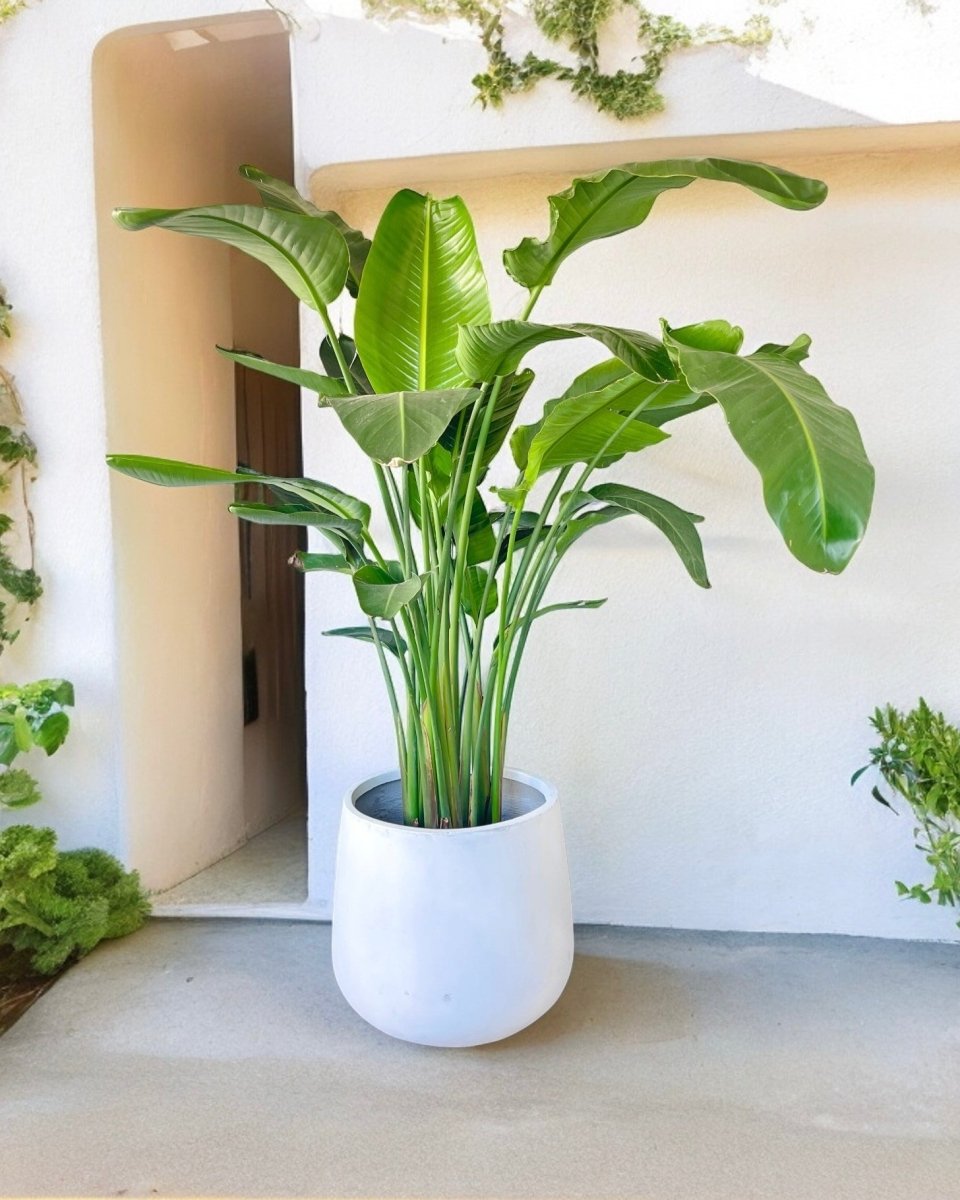
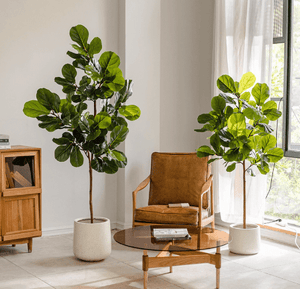
- Statement pieces: Bird of Paradise, Fiddle Leaf Fig, large Rubber Plant
- Rare varieties: Variegated versions, unusual cultivars, plants from specialty sellers
What to Learn
- Humidity management. As your collection diversifies, some plants need higher humidity than Singapore's AC rooms provide. Group plants, use pebble trays, or invest in a humidifier.
- Soil mixing. You start mixing your own soil — potting mix, perlite, orchid bark, in ratios tailored to each plant type.
- Fertilising routine. A growing collection needs systematic feeding — balanced liquid fertiliser on a regular schedule.
- Space management. Where do all these plants go? Shelves, stands, hanging solutions. Your home layout starts to revolve around light availability.
Common Beginner Mistakes

Buying Too Many Plants Too Fast
The excitement of a new hobby leads to impulse purchases. Suddenly you have 15 plants and no watering routine, no understanding of their individual needs, and several are dying.
Fix: Add 1-2 plants at a time. Learn each plant's needs before adding more.
Overwatering Everything
The most common cause of houseplant death. Beginners water on a schedule ("every Monday") rather than based on soil moisture.
Fix: Check soil before watering. Every time. For every plant.
Ignoring Light Requirements
Placing a sun-loving succulent in a dim corner, or a shade-loving fern in direct sun. Light is the most important factor in plant health, and beginners often underestimate its importance.
Fix: Research each plant's light needs before choosing its location. Use a light meter app for objective measurement.
Neglecting Drainage
Pots without drainage holes are death traps for beginners. Water pools at the bottom, roots rot, the plant dies.
Fix: Every pot needs drainage holes. If you love a pot without drainage, use it as a cache pot — place the nursery pot (with drainage) inside the decorative pot.
Comparing to Social Media
Instagram plant accounts show perfect, curated collections in ideal light. Your reality will include yellow leaves, leggy growth, and occasional pest outbreaks. This is normal plant ownership.
Fix: Social media shows highlights, not reality. A few yellow leaves do not mean you are failing.
Building Your Collection in Singapore
Where to Buy
- Online plant shops (like Tumbleweed Plants) — Convenient, delivered to your door, often with care guides
- Local nurseries — Sungei Buloh, Thomson Road, HDB void deck plant sellers
- Carousell — Second-hand and homegrown plants from local sellers. Good for affordable starters and rare finds
- Plant swaps — Community events where plant owners trade cuttings and divisions
Singapore-Specific Tips
- Water less than guides suggest. Our humidity means soil dries slower than in temperate climates.
- AC rooms are different. Lower humidity, lower temperature — some plants (Pilea, some succulents) actually prefer AC conditions.
- Use well-draining soil. Singapore's humidity means standard potting mix stays wet too long. Add perlite (25-30% of the mix) to everything.
- North-facing HDB units get limited direct light. Focus on low-light tolerant plants (Snake Plant, ZZ Plant, Pothos, Aglaonema).
- Higher floors get more light. If you live on a high floor with good sun exposure, you can grow light-hungry plants that lower-floor residents cannot.
Shop Your First Plants

Browse our indoor plant collection for beginner-friendly plants delivered across Singapore. Every plant ships in well-draining soil with care instructions — everything you need to start growing.
A plant collection is not a destination — it is a practice. You start with one plant and a vague hope that you will not kill it. You learn by doing — overwatering once, under-lighting once, finding your first pest and feeling briefly horrified. Then you fix it, adjust, and buy another plant because you now know enough to be dangerous. The collection grows not from a plan but from accumulated curiosity and the simple, repeating pleasure of watching something alive respond to your care. Start small. Pay attention. The collection will build itself.
Quick summary
Key Takeaways
- Phase 1: The First 1-3 Plants
- Phase 2: Expanding (4-10 Plants)
- Phase 3: The Collection (10-20+ Plants)
- Common Beginner Mistakes
- Building Your Collection in Singapore
- Shop Your First Plants
Ready to bring some green into your home?
Browse 250+ hand-picked plants, curated for Singapore homes — delivered to your door.
Browse All Plants →









Comments
0 Comments
Leave a Comment