
















Indoor Plant Trends in Singapore for 2026
Posted on April 09 2026
In this article

- 1. The Rise of "Low-Fuss Luxury"
- 2. Plant Tech Goes Mainstream
- 3. Vertical and Wall Gardens in Compact Homes
- 4. The Edible-Ornamental Crossover
- 5. Minimalist Plant Styling
- 6. Community-Driven Culture
- 7. Rare Plant Prices Normalise
- 8. Sustainable Plant Care
- 9. Plants as Wellbeing Tools
- 10. The Terrarium Revival
- What It All Means
- Stay Current with Tumbleweed Plants
Singapore's indoor plant scene continues to evolve. What started as a lockdown-era boom has matured into a sustained lifestyle movement with its own culture, aesthetics, and market dynamics. The collectors who started with a single Pothos in 2020 now curate sophisticated collections. The trend-followers who bought a Fiddle Leaf Fig because Instagram told them to have either deepened their commitment or moved on — and the community that remains is more knowledgeable, more discerning, and more creative than ever.
Here are the trends shaping indoor plant culture in Singapore heading into the second half of 2026.
1. The Rise of "Low-Fuss Luxury"
The days of spending $300 on a rare Philodendron that dies in AC are fading. Singapore plant lovers are increasingly drawn to plants that look premium without demanding premium care.
What is trending:
- Aglaonema in designer colours (pink, red, silver) — colourful, affordable, virtually unkillable
- ZZ Raven — the dramatic black foliage looks expensive and rare but thrives on neglect
- Large-form Pothos on moss poles — familiar plant, elevated presentation
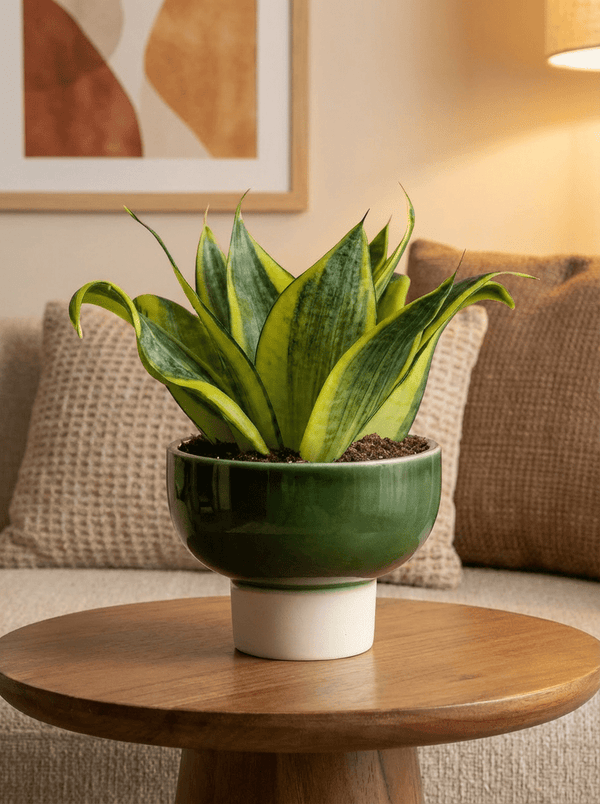
- Mature Snake Plants — a 1.2m Sansevieria in a minimalist pot has the visual weight of a designer object
Why it matters: The market is maturing. Early enthusiasm for collecting rare plants is giving way to curated, intentional displays where each plant earns its spot through a combination of beauty and livability.
2. Plant Tech Goes Mainstream

Smart plant care tools have moved from niche gadget territory to mainstream accessories:
Popular tech:
- Soil moisture sensors with phone apps — real-time monitoring replaces the finger test for tech-forward plant parents
- Automated watering systems — drip irrigation on timers, increasingly popular for balcony gardens and large indoor collections
- Full-spectrum LED grow lights — sleek designs that double as home decor (pendant lights, floor lamps, shelf-mounted strips)
- Plant care apps — identification, watering reminders, and community features. Several Singapore-specific apps have launched with local plant databases
Why it matters: Technology lowers the barrier to successful plant care, bringing in people who want greenery but lack confidence in their ability to keep plants alive.
3. Vertical and Wall Gardens in Compact Homes
As Singapore homes get smaller (or at least stay the same size while ambitions grow), vertical gardening solutions are booming.
What is trending:
- Modular wall planter systems that mount like picture frames
- Living walls made from moss panels and preserved plants (zero maintenance)
- Trellis-trained climbing plants as room dividers
- Repurposed pallet gardens for balconies and service yards
Why it matters: Floor space is the ultimate constraint in Singapore. Vertical solutions let plant lovers expand their collections without sacrificing living area.
4. The Edible-Ornamental Crossover

The line between decorative and functional plants is blurring. Singaporeans are growing food that looks as good as it tastes:
What is trending:
- Kitchen herb gardens styled as interior design features (matching pots, coordinated labels)
- Chilli plants as colourful ornamentals — varieties chosen as much for fruit colour as for flavour
- Pandan plants in decorative pots as living room features (not just relegated to the kitchen)
- Microgreens grown in aesthetic countertop setups
Why it matters: Rising food costs and a growing interest in sustainability make home-grown produce appealing. Combining food production with interior aesthetics makes it practical for apartment living.
5. Minimalist Plant Styling
The maximalist "jungle" aesthetic of 2020-2022 is evolving into something more restrained and intentional:
What is trending:
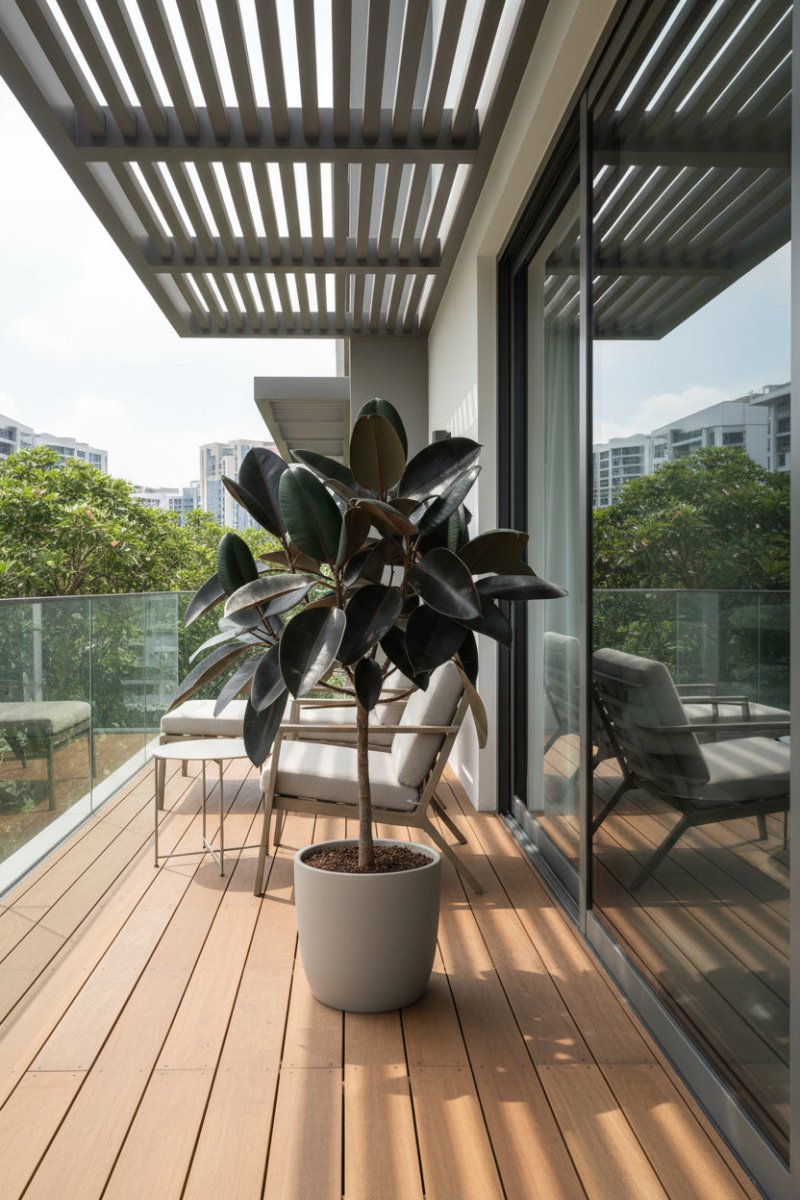
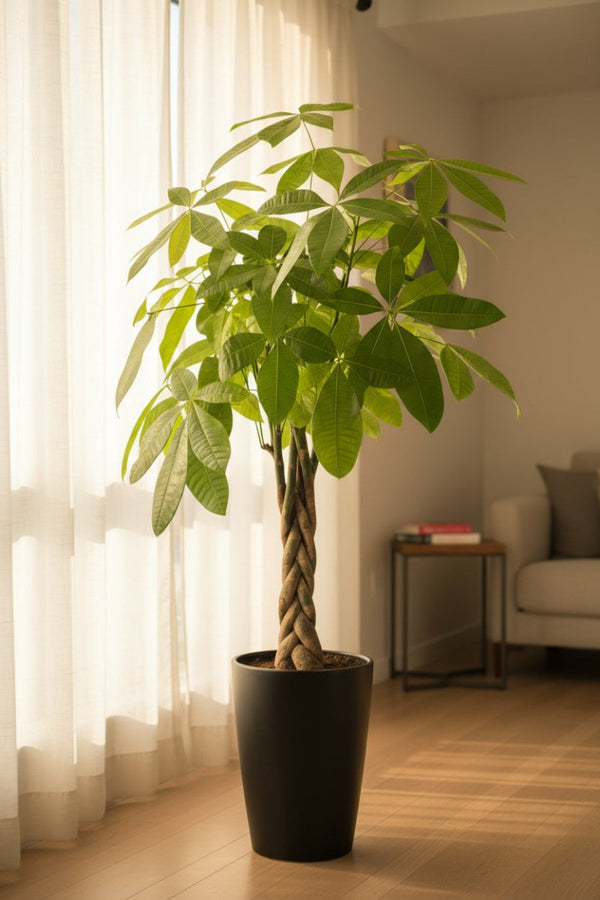
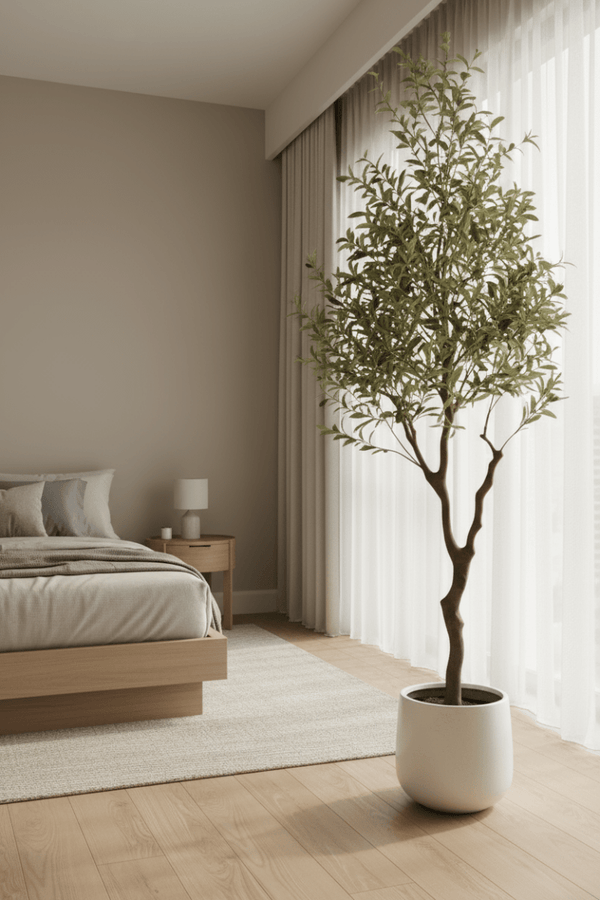
- One statement plant per room rather than a plant on every surface
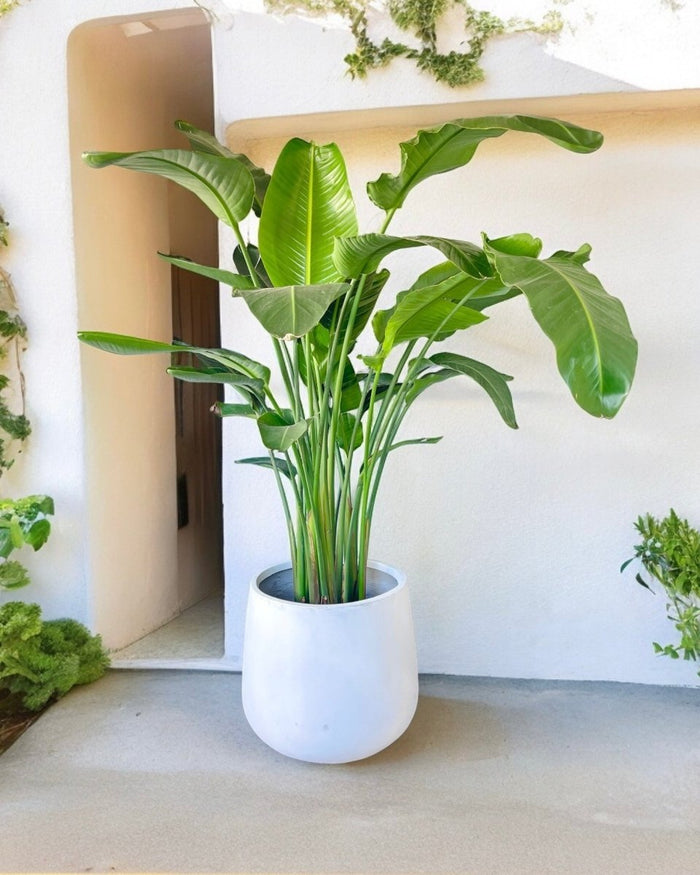
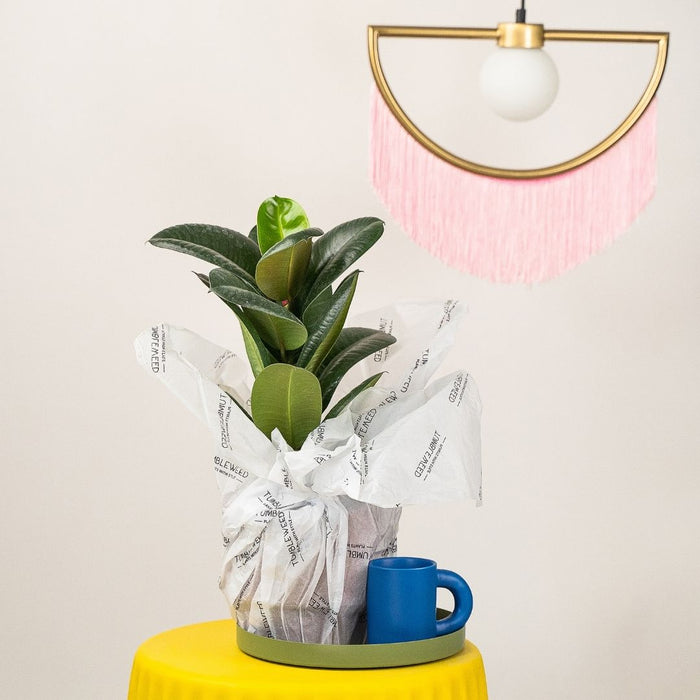
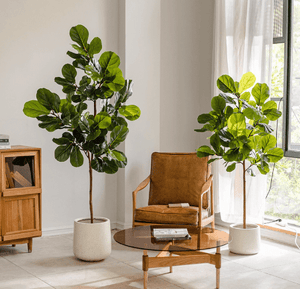
- Architectural plants (Snake Plant, ZZ Plant, Fiddle Leaf Fig) as sculptural objects
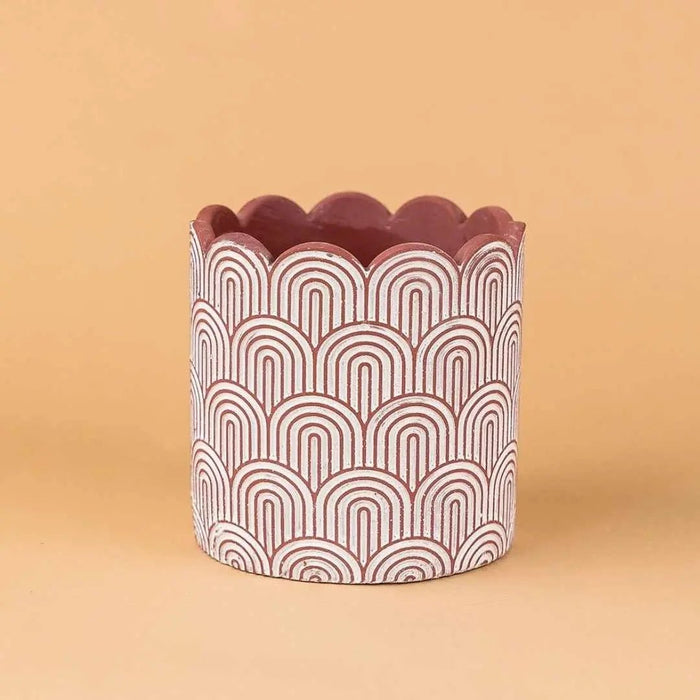
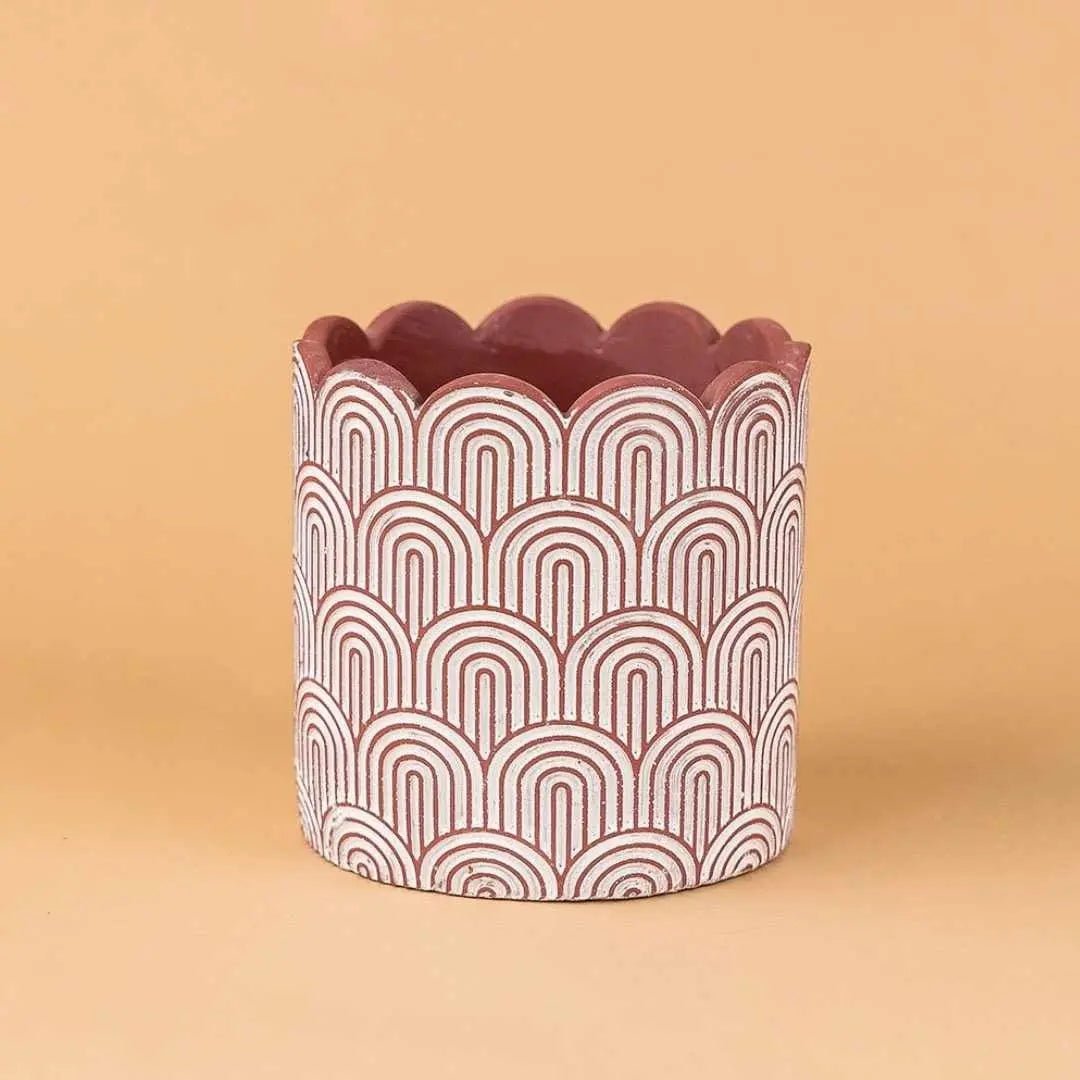
- Monochrome pot collections — all white, all terracotta, or all concrete
- Negative space — deliberate gaps between plants to let each one stand out
- Japanese-inspired wabi-sabi aesthetics — imperfect, natural, understated
Why it matters: As collections mature, many plant owners are editing down rather than accumulating. Quality over quantity. The Instagram grid has shifted from "look how many plants I have" to "look how beautifully I've styled these three."
6. Community-Driven Culture

Singapore's plant community has become one of the most active in Southeast Asia:
What is happening:
- Regular plant swap events across the island
- Pop-up markets featuring local growers and small businesses
- Online communities sharing hyper-local knowledge (which nursery has the best prices, how to care for plants in specific HDB orientations)
- Plant-sitting networks for travellers
- Workshop culture — propagation workshops, terrarium building, kokedama making
Why it matters: Community transforms plant ownership from a solitary hobby into a social activity. Knowledge sharing accelerates everyone's learning curve.
7. Rare Plant Prices Normalise
The speculative bubble in rare plants has largely deflated. Plants that commanded three-figure prices in 2021-2022 — Philodendron Pink Princess, Monstera Thai Constellation, various Anthuriums — are now widely available at reasonable prices as tissue culture production has caught up with demand.
What this means:
- Former "grail plants" are now accessible to casual collectors
- The definition of "rare" has shifted to truly uncommon species and unusual cultivars
- Value is increasingly placed on specimen quality (size, form, health) rather than mere rarity
- First-time plant buyers can access a much wider variety at entry-level prices
8. Sustainable Plant Care
Eco-consciousness is shaping how Singapore plant lovers source, grow, and maintain their collections:
What is trending:
- Organic and homemade fertilisers (compost tea, banana peel water, rice water)
- Recycled and upcycled planters (repurposed containers, tin cans, vintage ceramics)
- Peat-free potting mixes (coco coir and bark-based alternatives)
- Local sourcing — buying from Singapore growers rather than imported stock
- Plant swaps and cutting trades as alternatives to buying new
Why it matters: Sustainability is no longer a niche concern. It is increasingly mainstream, especially among younger plant enthusiasts.
9. Plants as Wellbeing Tools
The connection between plants and mental health, always implicit, is becoming explicit:
What is trending:
- Intentional "green corners" designed for meditation or reading
- Workplaces investing in office plant programmes for employee wellbeing
- Horticultural therapy workshops and community programmes
- Slow-gardening content — mindful plant care as a form of daily practice rather than a productivity hack
Why it matters: In one of the world's most intense work cultures, plants offer a tangible, accessible way to create calm spaces and daily rituals that support mental health.
10. The Terrarium Revival
Terrariums — miniature ecosystems in glass containers — are experiencing a resurgence:
What is trending:
- Closed terrariums with tropical ferns, mosses, and miniature foliage plants
- Open terrariums with succulents and air plants
- Large, statement terrarium vessels as coffee table centrepieces
- DIY terrarium kits as gifts
- Terrarium workshops as social activities
Why it matters: Terrariums offer the appeal of gardening in the smallest possible footprint — perfect for Singapore. They also appeal to plant lovers who travel frequently, as closed terrariums require almost no maintenance.
What It All Means
The overarching narrative is maturity. Singapore's plant culture has moved past the initial wave of enthusiasm into a more thoughtful, sustainable, community-driven phase. The trends all point in the same direction: fewer, better plants; smarter care; more intentional styling; and a deeper connection between greenery and daily wellbeing.
Stay Current with Tumbleweed Plants
Browse our curated collection to find plants that align with 2026's biggest trends — from low-fuss statement plants to rare specimens that have become newly accessible. We deliver across Singapore, keeping your collection current and your home green.
Quick summary
Key Takeaways
- 1. The Rise of "Low-Fuss Luxury"
- 2. Plant Tech Goes Mainstream
- 3. Vertical and Wall Gardens in Compact Homes
- 4. The Edible-Ornamental Crossover
- 5. Minimalist Plant Styling
- 6. Community-Driven Culture
Ready to bring some green into your home?
Browse 250+ hand-picked plants, curated for Singapore homes — delivered to your door.
Browse All Plants →








Comments
0 Comments
Leave a Comment