















Artificial Plants vs Real Plants: When Each Makes Sense
Posted on April 08 2026
In this article

Meta title: Artificial vs Real Plants Singapore: Honest Comparison
Meta description: Artificial or real plants? We weigh up both honestly for Singapore homes — covering maintenance, cost, air quality, and when real plants are worth it.
---
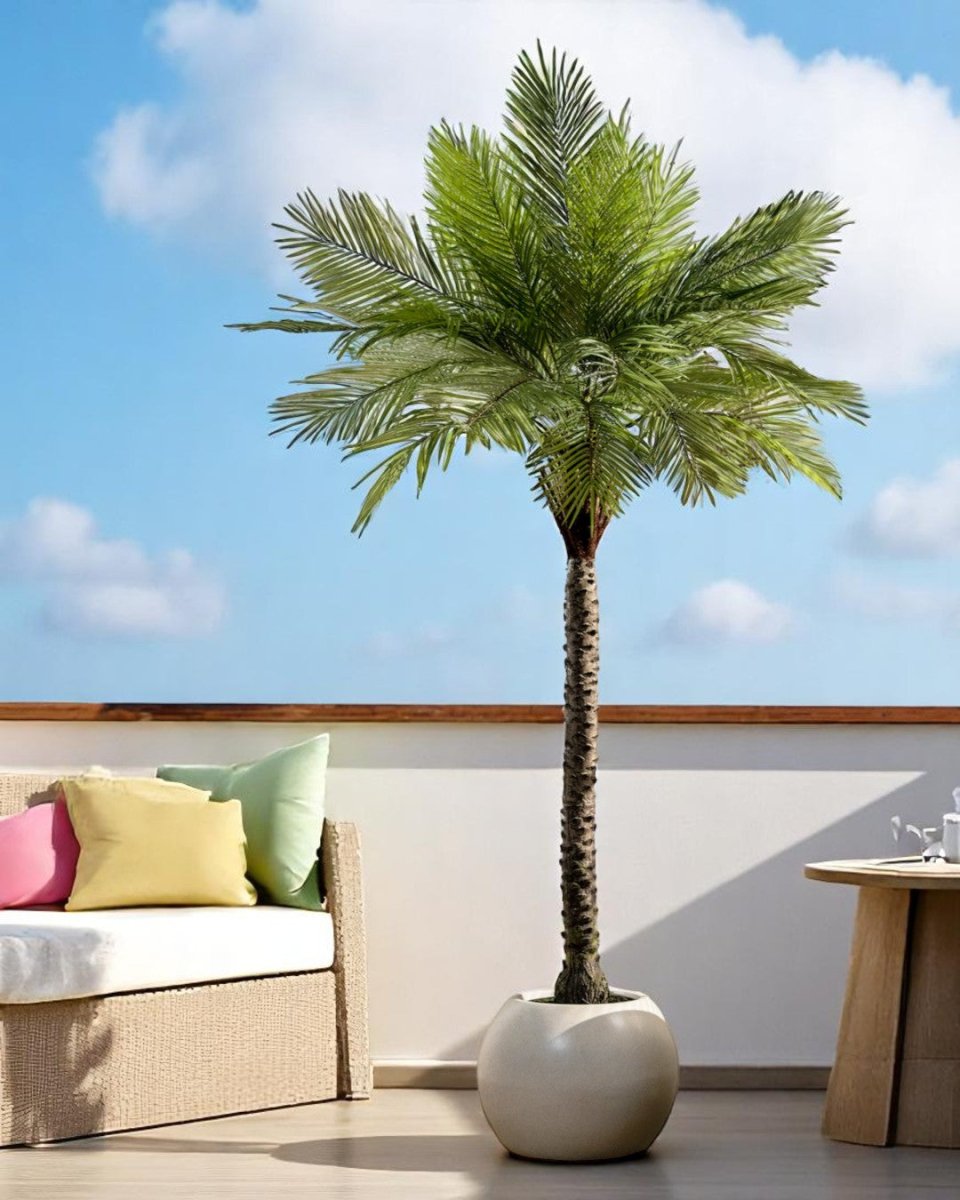
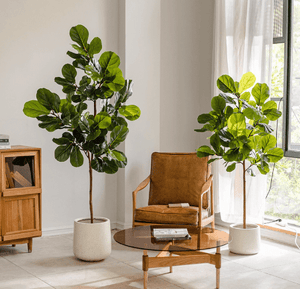
Let's be honest about something: artificial plants have gotten significantly better. A well-made artificial fiddle leaf fig from a quality supplier looks convincingly real from across a room. So why do we — a plant store — still believe real plants are almost always the better choice?
Because the benefits of real plants go far beyond aesthetics. But artificial plants do have legitimate use cases, and pretending otherwise doesn't serve anyone. Here's a genuinely honest comparison.
The Case for Artificial Plants
We'll give artificial plants their due before making the case for real ones.
Zero Maintenance
This is the headline argument for artificial plants, and it's real. No watering, no fertilising, no repotting, no pest management, no worrying while you're on holiday for two weeks. If you genuinely cannot commit to regular plant care — due to travel, work schedule, or simply being at a stage of life where one more thing to remember is too much — artificial plants deliver green without obligation.
Works in Truly Lightless Spaces
Real plants need light. Even the most shade-tolerant plant needs some — and no plant survives indefinitely in a completely dark corner, a windowless corridor, or a room with sealed artificial lighting. If you want greenery in a space where natural light is genuinely absent and grow lights aren't practical, artificial plants are the only viable option.
Consistent Appearance
Real plants change. They grow, they sometimes look tatty after a rough week, they lose leaves, they go through less-attractive phases. An artificial plant looks exactly the same on day one as it does on day three hundred. For some applications — particularly retail displays, hotel lobbies, or corporate spaces where visual consistency is a priority — this matters.
Allergy Considerations
A small number of people are genuinely allergic to specific plants or the pollen they produce. In these cases, an artificial plant solves the problem without sacrificing the visual effect of greenery.
The Case for Real Plants

Now for the fuller picture.
Real Plants Actually Improve Your Environment
This is not marketing. Real plants:
- Filter indoor air — NASA's Clean Air Study demonstrated that common houseplants remove VOCs (volatile organic compounds) including benzene, formaldehyde, and xylene from indoor air
- Increase humidity — In Singapore's air-conditioned indoor spaces, where air can become very dry, plants release moisture through transpiration
- Reduce stress — Multiple peer-reviewed studies demonstrate measurable reductions in cortisol levels and physiological stress markers in the presence of real plants
- Improve focus and productivity — Offices with plants consistently show higher self-reported wellbeing and productivity metrics
An artificial plant does none of these things. It is, functionally, a decorative object.
[LINK: /collections/air-purifying-plants]
Real Plants Grow and Evolve
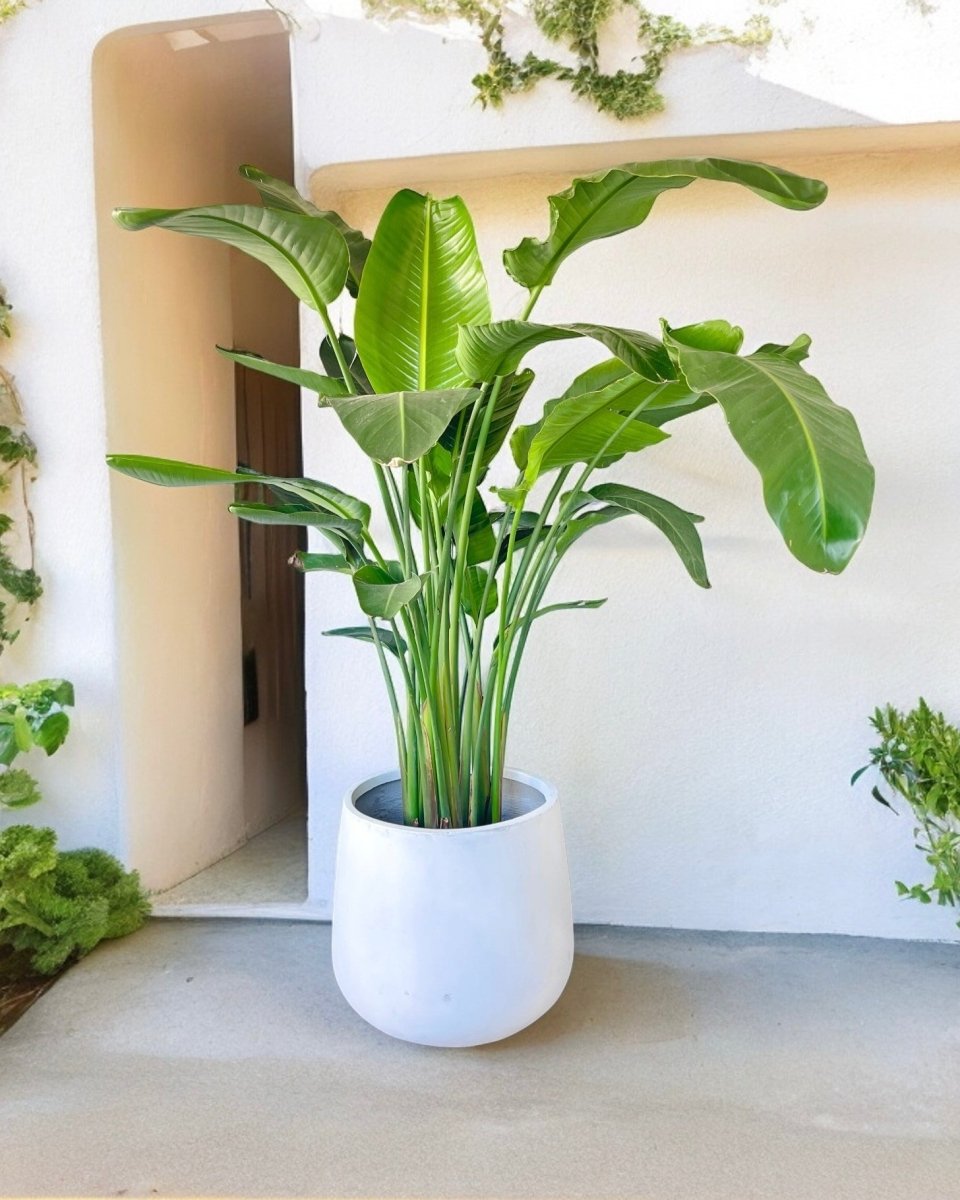
This is framed as a disadvantage of real plants (they change), but it's actually one of the most rewarding things about them. Watching a monstera put out a new leaf with deeper splits than the last. A fiddle leaf fig finally pushing through its first branch. A peace lily blooming for the first time in your new flat. These small events create genuine satisfaction — a connection to a living thing that artificial plants simply cannot replicate.
The Cost Equation Is Not What People Think
Artificial plants appear cheaper upfront. A convincing large-format artificial fiddle leaf fig costs $80–$150 from a quality supplier. But it will look dated and dusty in three to five years and will need replacing.
A real fiddle leaf fig at a similar price point, properly cared for, will be larger, more impressive, and more valuable five years from now. Real plants appreciate. Artificial plants depreciate.
[LINK: /collections/fiddle-leaf-fig]
Artificial Plants Require Maintenance Too
People often assume artificial plants are entirely maintenance-free. They're not. They accumulate dust on every leaf surface, and in Singapore's humid environment, this dust can develop a grimy film. Cleaning an artificial plant with many small leaves is genuinely tedious — often more work than simply watering a real one.
Outdoor artificial plants in Singapore's UV-intense sun degrade quickly, fading and becoming brittle within one to two seasons.
When We'd Honestly Recommend Artificial Plants
Despite our obvious bias as a real plant store, there are scenarios where artificial plants make sense:
- Truly windowless spaces where even grow lights aren't practical
- High-traffic areas where plants would be constantly knocked, touched, or damaged (certain retail environments)
- Specific allergy situations where real plants are a medical issue
- Temporary staging for property photography or short-term events
That's a fairly short list. For the vast majority of Singapore homes and offices, a real plant — chosen correctly for the light and care level available — will outperform an artificial alternative on every meaningful metric.
Choosing Real Plants for Low-Effort Living

The most common reason people choose artificial plants is fear that they'll kill the real thing. This is an understandable concern, but it's often solved simply by choosing the right plant.
For near-zero-maintenance real plants in Singapore:
- ZZ Plant — Water once a fortnight, tolerates low light, essentially indestructible
- Snake Plant — Survives neglect, needs no humidity, minimal watering
- Pothos — Trails beautifully, tolerates low light, tells you when it's thirsty by drooping slightly and recovering immediately after watering
- Cactus or succulent — For very bright spaces, water once a week or less
[LINK: /collections/easy-care-plants]
These plants are not high-maintenance. They're lower maintenance than keeping a pet succulent tray from a chain bookstore. With the right choice, the real plant is almost always the better option.
The Bottom Line
Artificial plants have a place. We've acknowledged it honestly. But for most people in most spaces, the right real plant — matched to your light conditions and lifestyle — will look better over time, do more for your environment and wellbeing, and give you something an artificial plant never can: the quiet satisfaction of keeping something alive and watching it grow.
[LINK: /collections/all-plants]
Quick summary
Key Takeaways
- The Case for Artificial Plants
- The Case for Real Plants
- When We'd Honestly Recommend Artificial Plants
- Choosing Real Plants for Low-Effort Living
- The Bottom Line
Ready to bring some green into your home?
Browse 250+ hand-picked plants, curated for Singapore homes — delivered to your door.
Browse All Plants →