



















How to Read Your Plant's Leaves | Tumbleweed Plants Singapore
Posted on April 10 2026
In this article

Your plant cannot talk, but it is constantly communicating. Every yellow leaf, brown tip, curling edge, and drooping stem is a message about what the plant needs — or what it has too much of. Learning to read these signals turns you from someone who reacts to plant problems into someone who prevents them.
This is the diagnostic guide. When something looks wrong with your plant, check the leaves first. They are the most visible indicator of root health, water status, light exposure, and nutrient balance.
Yellow Leaves
Lower Leaves Yellowing
What it means: Usually normal. Most plants naturally shed their oldest lower leaves as they grow. The plant redirects nutrients to newer, better-positioned foliage.
When to worry: If only 1-2 lower leaves yellow over several weeks, relax. If many lower leaves yellow simultaneously, overwatering is likely.
Action: Remove yellow leaves at the base. If multiple leaves are yellowing, check soil moisture and reduce watering.
All-Over Yellowing
What it means: The entire plant is turning pale yellow-green. This indicates a systemic issue — usually overwatering, nutrient deficiency, or severely insufficient light.
Diagnosis:
- Soil constantly wet? Overwatering. Let soil dry, check for root rot.
- Soil bone dry? Severe underwatering. Give a thorough soak.
- Plant in very low light? Move to brighter location.
- Not fertilised in months? Nitrogen deficiency. Resume balanced fertilising.
Yellow with Green Veins (Interveinal Chlorosis)
What it means: The leaf turns yellow but the veins remain green, creating a distinctive patterned appearance. This is usually an iron or manganese deficiency, often caused by soil pH being too high (alkaline).
Action: Apply a chelated iron supplement. Check if the soil has accumulated mineral salts from tap water — flush with plain water or repot with fresh soil.
Brown Spots

Brown Tips Only
What it means: The most common leaf symptom. Causes include:
- Low humidity — dry AC air dries leaf tips first
- Fluoride/chlorine in tap water — burns leaf tips over time
- Over-fertilising — salt buildup damages extremities
- Underwatering — prolonged drought dries tips
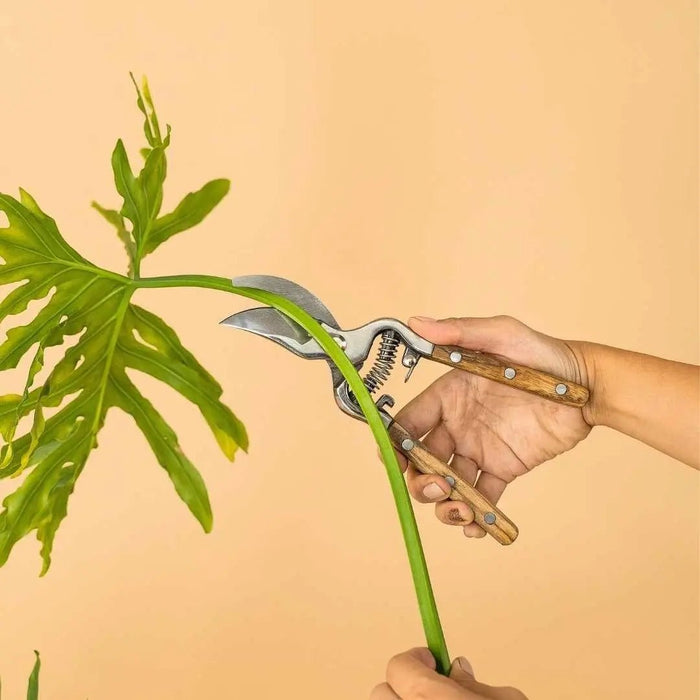
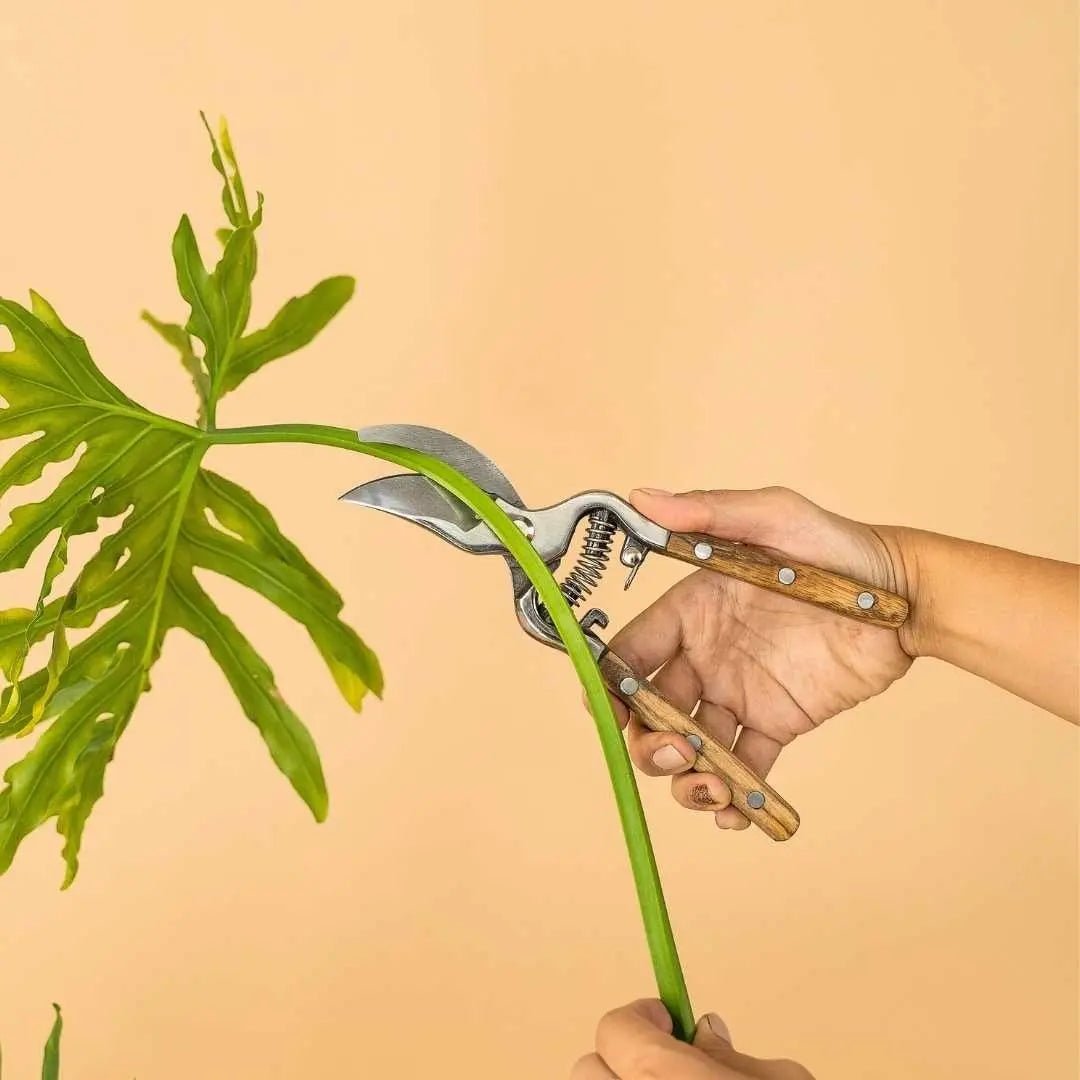
Action: Trim brown tips at an angle. Address the most likely cause — increase humidity, use filtered water, reduce fertiliser, or adjust watering.
Brown Spots in the Centre of Leaves
What it means: Usually overwatering or root rot. Water damage travels from the roots through the vascular system and manifests as brown, sometimes mushy spots in the middle of leaves.
Action: Check roots. Reduce watering. Improve drainage. Remove severely damaged leaves.
Brown Crispy Patches
What it means: Sunburn. Direct sun has damaged the leaf tissue, creating dry, brown patches — usually on the side of the plant facing the light source.
Action: Move away from direct sun. The damaged tissue will not recover, but new leaves will grow undamaged. Trim badly burned leaves.
Brown Spots with Yellow Halos
What it means: Often a bacterial or fungal infection. The yellow halo indicates active spreading of the pathogen.
Action: Remove affected leaves immediately. Improve air circulation. Reduce watering (wet conditions promote fungal growth). Treat with a fungicide if spreading.
Curling Leaves
Curling Inward (Toward the Centre)
What it means: The plant is trying to reduce moisture loss. Causes:
- Underwatering — the most common reason
- Low humidity — the plant conserves moisture
- Heat stress — from proximity to a heat source or direct sun
Action: Water if the soil is dry. Move away from heat sources. Increase humidity in AC rooms.
Curling Outward (Edges Curl Down)
What it means: Less common. Can indicate overwatering (roots are waterlogged and cannot function), over-fertilising, or nitrogen toxicity (if leaves are also very dark green).
Action: Check soil moisture. If wet, let it dry. If you have recently fertilised heavily, flush the soil with water.
Drooping

Drooping When Soil Is Dry
What it means: Underwatering. The plant has used its available water and cannot maintain turgor pressure (the internal water pressure that keeps stems and leaves upright).
Action: Water thoroughly. The plant should recover within hours. Plants like Peace Lily, Spathiphyllum, and Pothos droop dramatically when thirsty and recover quickly — this is normal behaviour, not an emergency.
Drooping When Soil Is Wet
What it means: Root rot. The roots are damaged and cannot absorb water, so the plant wilts despite having plenty of moisture available. This is the more concerning scenario.
Action: Remove from pot, inspect roots. Trim rotted (brown, mushy) roots. Let healthy roots dry for several hours. Repot in fresh, well-draining soil. Water lightly and hope for recovery.
Pale or Washed-Out Colour
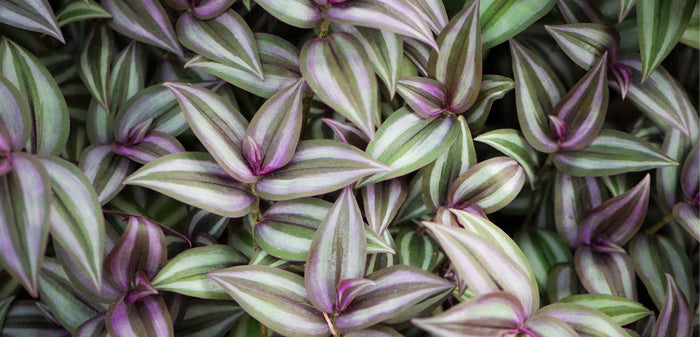
Loss of Variegation
What it means: Variegated plants (with white, cream, pink, or yellow patterns) revert to solid green in low light. The plant produces more chlorophyll to compensate for insufficient light, which overtakes the variegated portions.
Action: Move to brighter indirect light. New growth should display proper variegation. Green-reverted leaves will not change back.
Generally Pale Foliage
What it means: Insufficient light or nutrient deficiency. The plant cannot produce adequate chlorophyll for rich, deep colouring.
Action: Increase light exposure. Resume or adjust fertilising schedule.
Leaf Drop

Sudden Leaf Drop (Many Leaves at Once)
What it means: Environmental shock. The plant experienced a sudden change — relocation, temperature drop, watering change, or transport stress.
Common in: Fiddle Leaf Fig, Ficus benjamina, Calathea, newly purchased plants.
Action: Stabilise conditions. Do not overreact by changing watering, moving the plant again, or fertilising. Give the plant 2-4 weeks to adjust. New leaves will emerge once conditions are stable.
Gradual Lower Leaf Loss
What it means: Normal ageing in most cases, especially for plants that naturally develop bare trunks (Dracaena, Fiddle Leaf Fig, Rubber Plant). If combined with other symptoms, overwatering may be a factor.
Sticky Residue on Leaves
What it means: Pest infestation. The sticky substance is honeydew — a sugary excretion produced by sap-sucking insects (mealybugs, scale, aphids, whiteflies).
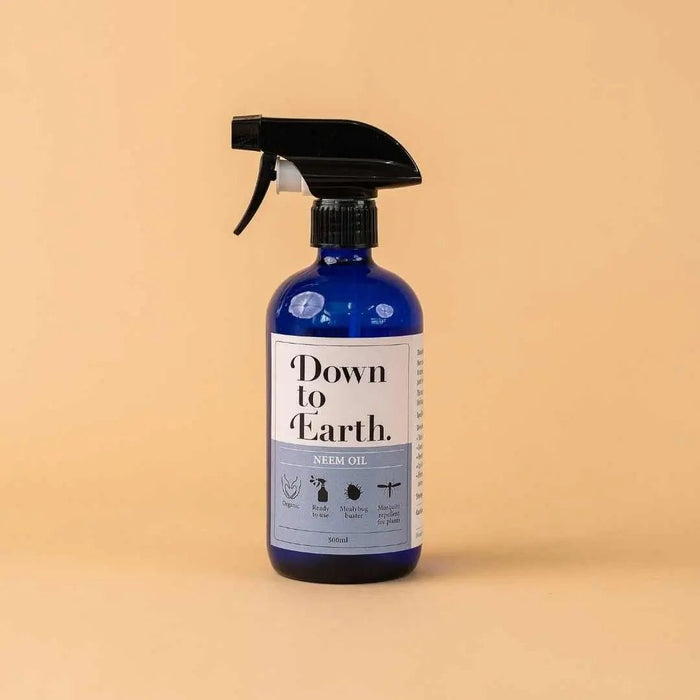
Action: Inspect thoroughly. Look under leaves, in stem joints, and at the base. Treat with neem oil or rubbing alcohol depending on the pest type. Clean sticky residue with a damp cloth.
Small White Dots or Webbing
What it means: Spider mites. These tiny arachnids create fine webbing on leaf undersides and cause stippled, silvery damage on the leaf surface.
Action: Increase humidity (spider mites thrive in dry conditions). Wash leaves with a strong water spray. Apply neem oil. Repeat treatment for 3-4 weeks.
Singapore-Specific Leaf Reading
Brown tips in AC rooms are almost always humidity-related. Before investigating other causes, increase humidity and see if new growth improves.
Slow growth is not a leaf symptom — it is often just Singapore's consistent-but-moderate indoor light levels. Most indoor plants grow more slowly than their outdoor potential suggests.
Fungal spots in wet seasons — during heavy rain periods, increased humidity can promote fungal leaf spots. Improve air circulation and avoid wetting foliage when watering.
Shop Plants
Browse our indoor plant collection for healthy plants delivered across Singapore. Every plant ships in optimal condition — and now you have the diagnostic skills to keep it that way.
Your plant's leaves are a dashboard. Every colour change, curl, spot, and droop is a data point telling you what is happening below the soil surface and inside the plant's systems. Learn to read the dashboard, and you will catch problems early, fix them faster, and keep your plants healthy for years.
Quick summary
Key Takeaways
- Yellow Leaves
- Brown Spots
- Curling Leaves
- Drooping
- Pale or Washed-Out Colour
- Leaf Drop
Ready to bring some green into your home?
Browse 250+ hand-picked plants, curated for Singapore homes — delivered to your door.
Browse All Plants →