
















Why Plant Leaves Turn Yellow: Causes & Fixes
Posted on April 08 2026
In this article

- Thumbnail Specification
- Hero Image
- First: What Does the Yellowing Look Like?
- Diagnostic Flowchart
- Cause #1: Overwatering (Most Common — Especially in Singapore)
- Cause #2: Underwatering
- Cause #3: Natural Leaf Aging
- Cause #4: Insufficient Light
- Cause #5: Nutrient Deficiency
- Cause #6: Root Bound / Needs Repotting
- Cause #7: Temperature Stress or Air-Conditioning (Very Common in Singapore)
- Cause #8: Pests
- Quick Diagnosis Chart — Singapore Edition
- Treatment Summary Table
- When Yellow Leaves Mean a Dying Plant
- Still Not Sure?
Target keyword: `why are my plant leaves turning yellow` / `yellow leaves on houseplants`
Monthly search volume: ~25,000–35,000 combined (very high-intent problem-solving search)
Intent: Problem-solving — people search this when something is wrong
Pillar: B (Problem-Solving)
Publish date: Week 3, Day 6
CTA: Link to plant collection / care guides
Tags: yellow leaves, plant problems, houseplant care, overwatering, plant troubleshooting, Singapore plant care
---
Thumbnail Specification
| Field | Spec |
|-------|------|
| Dimensions | 1200 × 628 px (Open Graph / social share) or 800 × 800 px (square, Instagram-ready) |
| Primary image | Split-image: yellowing leaf on the left, healthy green leaf on the right — visual contrast hook |
| Text overlay | "Why Are My Plant Leaves Turning Yellow?" in bold; "8 Causes + Fixes" as subtitle |
| File format | JPG or WebP, <200 KB |
| Alt text | `"Yellow plant leaves vs healthy leaves — causes and fixes guide from Tumbleweed Plants Singapore"` |
---
Hero Image

Photo: Yellow vs. healthy leaf comparison. Source: internal shoot (photograph a plant during recovery from mild overwatering for authentic content) or licensed stock (Unsplash: search "yellow plant leaf" and "healthy monstera leaf" and composite in Canva). Target: emotionally resonant — the viewer should recognise their own plant.
---
Yellow leaves are the most common distress signal houseplants send — and one of the most confusing to diagnose, because at least eight different problems can cause the same symptom.
Before you water more, fertilize, or panic, work through this guide. Identify which type of yellowing you're seeing, and you'll have a clear fix in minutes.
Singapore plant owners note: The two most common causes in our climate are overwatering (Singapore's humidity slows soil drying dramatically) and air-conditioning stress (cold aircon air dehydrates leaves and stresses tropical plants). Scroll to Causes #1 and #7 first if you're in Singapore.
---
First: What Does the Yellowing Look Like?
The pattern and location of yellow leaves is the fastest clue:
- Lower/older leaves yellowing first → usually normal leaf aging, overwatering, or root rot
- Uniform yellowing across the whole plant → often underwatering, rootbound, or light deficiency
- Yellowing between leaf veins (green veins, yellow tissue) → nutrient deficiency (chlorosis)
- Yellow with brown edges or tips → underwatering, low humidity, or fertilizer burn
- Yellow patches on otherwise green leaves → direct sun damage or pests
- New leaves coming in yellow → severe nutrient deficiency, root damage, or pest issue
---
Diagnostic Flowchart

Flowchart design suggestion: Start with 2 branches (soil wet / soil dry), then 2-3 sub-branches each leading to a diagnosis box with a colour-coded fix label. Create in Canva, Miro, or Figma. Export at 1200px wide minimum for clarity on desktop. Alt text should describe the decision path for accessibility.
---
Cause #1: Overwatering (Most Common — Especially in Singapore)
Photo source: Internal — photograph a plant that has been slightly overwatered for 2–3 weeks (then rescue it). Authentic documentation works better than stock. Alternatively: Unsplash "overwatered plant yellowing".
Symptoms: Lower leaves turn yellow first, then drop. Soil is consistently wet or damp. Stems may feel soft at the base.
Why it happens: Waterlogged soil suffocates roots. Without oxygen, roots can't absorb water or nutrients, causing leaves to yellow despite the soil being wet.
Singapore context: This is the #1 cause of yellowing for Singapore plant owners. Our ambient humidity of 70–90% slows soil evaporation dramatically — a plant that needs watering every 5 days in a temperate climate may only need watering every 10–14 days here. Always stick a finger 2 inches into the soil before watering.
The fix:
- Stop watering immediately
- Check the soil — stick a finger 2 inches in. If wet, wait until completely dry before watering again
- If the soil smells sour or the base is mushy, you may have root rot → remove plant from pot, trim rotted roots, repot in fresh soil
- Ensure the pot has drainage holes
Prevention: Always check soil before watering, not on a schedule.
---
Cause #2: Underwatering

Photo source: Internal or Unsplash "dry plant soil drooping". Key distinguishing visual from overwatering: the soil should be visibly dry and cracked, and the leaf edges should be crispy brown, not soft.
Symptoms: Leaves yellow, then dry out and become crispy. Lower leaves affected first. Soil is very dry, possibly pulling away from pot edges.
Why it happens: Without water, plants can't transport nutrients to leaves.
Singapore context: In heavily air-conditioned rooms (common in Singapore offices and some HDB rooms), air-con draws moisture from the soil and from leaves simultaneously. The plant may look fine one day and severely stressed the next. Check more frequently in fully air-conditioned environments — every 3–4 days rather than weekly.
The fix:
- Water thoroughly until it runs from drainage holes
- For very dry soil, try bottom watering: set the pot in a shallow tray of water for 20–30 minutes
- Trim yellowed/crispy leaves
Prevention: Check soil regularly — water when the top 1–2 inches are dry (varies by plant species).
---
Cause #3: Natural Leaf Aging
Symptoms: A single lower/older leaf turns yellow occasionally. The rest of the plant looks healthy. No pattern of spreading.
Why it happens: Plants naturally shed old leaves from the bottom as they produce new growth. One or two yellow leaves every few weeks is normal.
The fix: None needed — just remove the yellowed leaf. If many leaves are yellowing at once, it's a different cause.
---
Cause #4: Insufficient Light
Photo source: Internal — photograph the same plant species in two different light conditions. Alternatively: Unsplash comparison of "pale pothos" vs "healthy pothos". The visual should make the difference immediately obvious.
Symptoms: Overall pale or light-green color rather than deep yellow. Leggy growth. Yellowing may be uniform across the plant rather than localized.
Why it happens: Without enough light, plants can't photosynthesize effectively. Chlorophyll (what makes leaves green) degrades.
The fix:
- Move the plant to a brighter location (still indirect light for most houseplants)
- Rotate the pot regularly so all sides receive equal light
- Consider a grow light for rooms with limited natural light
Common affected plants: Monstera, pothos, and philodendrons frequently pale in low light despite tolerating it.
---
Cause #5: Nutrient Deficiency
Symptoms: Yellow tissue between green veins (called interveinal chlorosis). Affects younger leaves for some deficiencies, older leaves for others. Plant may look washed out overall.
Why it happens: Most commonly nitrogen deficiency (most common nutrient deficiency in houseplants), but also iron, magnesium, or manganese deficiency.
The fix:
- If the plant hasn't been fertilized in the current growing season → apply a balanced liquid fertilizer at half-strength
- If you suspect iron deficiency (interveinal chlorosis on young leaves, high soil pH) → use a chelated iron supplement
- Repot into fresh soil if the plant has been in the same pot for 2+ years (soil nutrients deplete)
Prevention: Fertilize with a balanced fertilizer every 2–4 weeks in the growing season.
---
Cause #6: Root Bound / Needs Repotting
Symptoms: Yellowing despite good watering and light. Plant hasn't been repotted in 2+ years. Roots visibly growing from drainage holes.
Why it happens: When a plant is severely root-bound, roots can't absorb nutrients and water efficiently. The soil also depletes faster in cramped conditions.
The fix:
- Remove from the pot and inspect roots — if circling tightly or filling the entire pot, it's time to repot
- Move to a pot 1–2 inches larger in diameter with fresh potting mix
- In Singapore, repotting can happen year-round — no need to wait for a specific season
---
Cause #7: Temperature Stress or Air-Conditioning (Very Common in Singapore)
Photo source: Internal — a plant placed too close to an aircon unit showing one-sided yellowing. This is a highly Singapore-specific image that will resonate strongly with local readers and be useful for SEO. Label clearly in caption.
Symptoms: Yellowing that appears suddenly, often near an air vent or window. May affect one side of the plant more than others.
Why it happens: Cold aircon air blowing directly on tropical plant leaves causes cellular damage — the leaves chill faster than the roots can compensate, and the dry aircon air also dehydrates leaf surfaces.
Singapore context: This is extremely common in Singapore homes and offices. Air-conditioning units run for many hours daily, and tropical plants (monsteras, peace lilies, calathea, pothos) are all sensitive to cold aircon drafts. The fix is simple — move the plant at least 1–2 metres from the aircon unit or rotate it so leaves aren't in the direct airflow.
Monsoon season note: During the Northeast Monsoon (November–January), outdoor humidity spikes and temperatures drop slightly — plants near single-pane windows or louvres may experience cold stress during heavy rain periods.
The fix:
- Move the plant away from the aircon vent or draft source
- Keep houseplants away from exterior doors, AC vents, and areas where cold air blows directly on foliage
---
Cause #8: Pests
Photo source: Macro photography of leaf underside with visible mites/stippling. Unsplash or iNaturalist have pest identification photos. Alternatively: commissioned macro photography. This is a high-value image that builds trust and helps readers self-diagnose.
Symptoms: Yellow stippling, patches, or overall paleness. Look closely at leaf undersides — you may see tiny bugs, webbing (spider mites), or sticky residue (aphids, scale).
Why it happens: Sap-sucking pests (spider mites, aphids, scale, thrips) puncture leaf cells and extract sap, causing yellow spots that spread.
Singapore context: Singapore's warm, humid climate is ideal for rapid pest reproduction. Spider mites, fungus gnats, and mealybugs are the most common culprits locally. Inspect new plants carefully before placing them near existing plants.
The fix:
- Isolate the plant immediately
- Inspect all leaves, stems, and soil
- Identify the pest
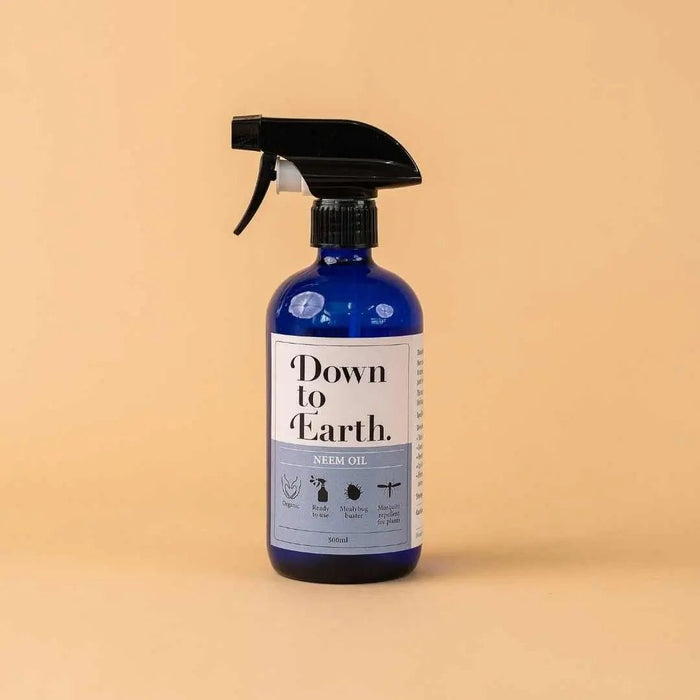
- Treat with neem oil, insecticidal soap, or appropriate method for the specific pest
---
Quick Diagnosis Chart — Singapore Edition
| Yellowing Pattern | Most Likely Cause | Singapore Priority? |
|------------------|-------------------|---------------------|
| Lower leaves only, soil is wet | Overwatering / root rot | High — #1 cause in SG |
| Lower leaves only, soil is dry | Underwatering or natural aging | Check aircon rooms |
| Uniform pale green | Insufficient light | Check HDB interior rooms |
| Yellow tissue, green veins | Nutrient deficiency | Common in old soil |
| Sudden yellowing near aircon/vent | Cold draft / AC stress | Very common in SG |
| Yellow spots/patches, no pattern | Pests — check undersides | Check new plants first |
| All leaves, plant root-bound | Needs repotting | No seasonal restriction in SG |
| 1–2 lower leaves periodically | Normal aging — no action needed | — |
| Yellow + brown tips, aircon room | AC stress + underwatering | Very common in SG offices |
---
Treatment Summary Table
| Cause | Immediate Action | Timeframe to Improvement |
|-------|-----------------|--------------------------|
| Overwatering | Stop watering; check for root rot | 2–4 weeks if no root rot |
| Underwatering | Water thoroughly; bottom-water if very dry | 1–3 days |
| Natural aging | Remove leaf | Immediate |
| Low light | Move to brighter indirect light | 2–6 weeks |
| Nutrient deficiency | Fertilize at half-strength | 3–6 weeks |
| Root-bound | Repot one size up | 2–4 weeks |
| AC stress / cold draft | Move away from aircon vent | 1–3 weeks |
| Pests | Isolate + treat immediately | 2–4 weeks |
---
When Yellow Leaves Mean a Dying Plant
Multiple leaves yellowing rapidly, combined with soft stems, foul-smelling soil, and collapse — this points to severe root rot. Act immediately: unpot the plant, trim all rotted roots back to healthy tissue, treat with hydrogen peroxide, and repot in fresh soil. The plant may recover if enough healthy roots remain.
---
Still Not Sure?
Drop a description or photo in the comments below — include the plant species, how often you water, and what the soil looks like. We'll help diagnose it.
Browse our healthy plant collection for plants selected for resilience and ease of care. Looking for something that thrives in Singapore's HDB conditions with minimal fuss? Our same-day plant delivery brings robust, acclimatised plants right to your door.
---
What's yellowing on your plant? Leave a comment and we'll help troubleshoot.
---
Quick summary
Key Takeaways
- Thumbnail Specification
- Hero Image
- First: What Does the Yellowing Look Like?
- Diagnostic Flowchart
- Cause #1: Overwatering (Most Common — Especially in Singapore)
- Cause #2: Underwatering
Ready to bring some green into your home?
Browse 250+ hand-picked plants, curated for Singapore homes — delivered to your door.
Browse All Plants →