















Why Are My Plant's Leaves Turning Brown? A Complete Troubleshooting Guide
Posted on April 16 2026
In this article

- Step 1: Look at Where and How the Brown Appears
- Cause 1: Brown Leaf Tips (Crispy Tips)
- Cause 2: Brown Leaf Edges (Whole Edges, Not Just Tips)
- Cause 3: Brown Spots with Yellow Halos
- Cause 4: Dry, Crispy Brown Spots (Not at Edges)
- Cause 5: Soft, Mushy Brown Leaves
- Cause 6: Lower Leaves Yellowing Then Browning
- Cause 7: New Growth Browning Before It Opens
- Singapore-Specific Troubleshooting Summary
- The Most Important Thing to Remember
Thumbnail image spec: 1200x628px | Alt: "Close-up of crispy brown leaf tips on an indoor tropical plant in a Singapore home" | Source: Original product photography or Unsplash (search: brown leaf tips houseplant)
---
Different types of leaf browning tell different stories about what your plant needs — here's how to read each one.
Brown leaves on houseplants are one of the most common care complaints — and one of the most confusing, because the same symptom can have completely different causes depending on where the browning appears and what it looks like.
This guide breaks down every type of leaf browning, what's causing it, and exactly how to fix it — with specific notes for Singapore's tropical climate, where some causes (like tap water minerals and air conditioning effects) are particularly common.
---
Step 1: Look at Where and How the Brown Appears
Before reaching for any fix, observe the brown carefully. The location and pattern tell you almost everything:
| Brown Pattern | Most Likely Cause | Common in Singapore? |
|--------------|-------------------|---------------------|
| Tips only, spreading inward | Low humidity, fluoride/salt in water, or fertilizer burn | Very common — tap water + aircon |
| Entire leaf edges, crispy | Underwatering or very low humidity | Common in aircon-heavy homes |
| Whole leaf, soft and mushy | Overwatering or root rot | Very common — especially in monsoon season |
| Brown spots with yellow halo | Fungal disease or bacterial infection | Moderate — Singapore's humidity can encourage this |
| Brown spots, dry and crispy | Sunburn or cold damage | Common — Singapore's afternoon sun is intense |
| Lower leaves only, yellowing then brown | Normal aging — or overwatering | Normal aging is common |
| New growth brown before unfurling | Low humidity or cold aircon air | Common in heavily aircon'd spaces |
---
Cause 1: Brown Leaf Tips (Crispy Tips)

What it looks like: The very tips of leaves turn brown and papery, sometimes spreading an inch or two inward along the leaf edge.
Most common cause: Low humidity or tap water minerals (fluoride, chlorine, or high salt from fertilizer).
This is the most common type of browning in Singapore, and it's almost never life-threatening. It's cosmetic, but it does indicate an environmental issue worth correcting.
Alt: Close-up of crispy brown leaf tips on a calathea plant — the most common type of browning in Singapore homes with tap water or heavy aircon use | Source: Plant care photography or Unsplash
How to fix it:
- Switch to filtered or distilled water — or collect rainwater. Tap water fluoride is the #1 cause of brown tips in sensitive plants (calatheas, spider plants, peace lilies, dracaenas). In Singapore, rainwater collection is practical and very effective — collect from a sheltered outdoor area during our frequent rain.
- Increase humidity. In Singapore homes with heavy aircon use, indoor humidity can drop significantly. Group plants together, use a pebble tray with water, or run a humidifier nearby. Target 40–60% relative humidity.
- Flush the soil. If you've been fertilizing regularly, salt may have accumulated. Water heavily three times in a row, letting it drain completely each time. This flushes accumulated minerals.
- Reduce fertilizer frequency. More fertilizer is not better. Once a month at half-strength is plenty for most plants.
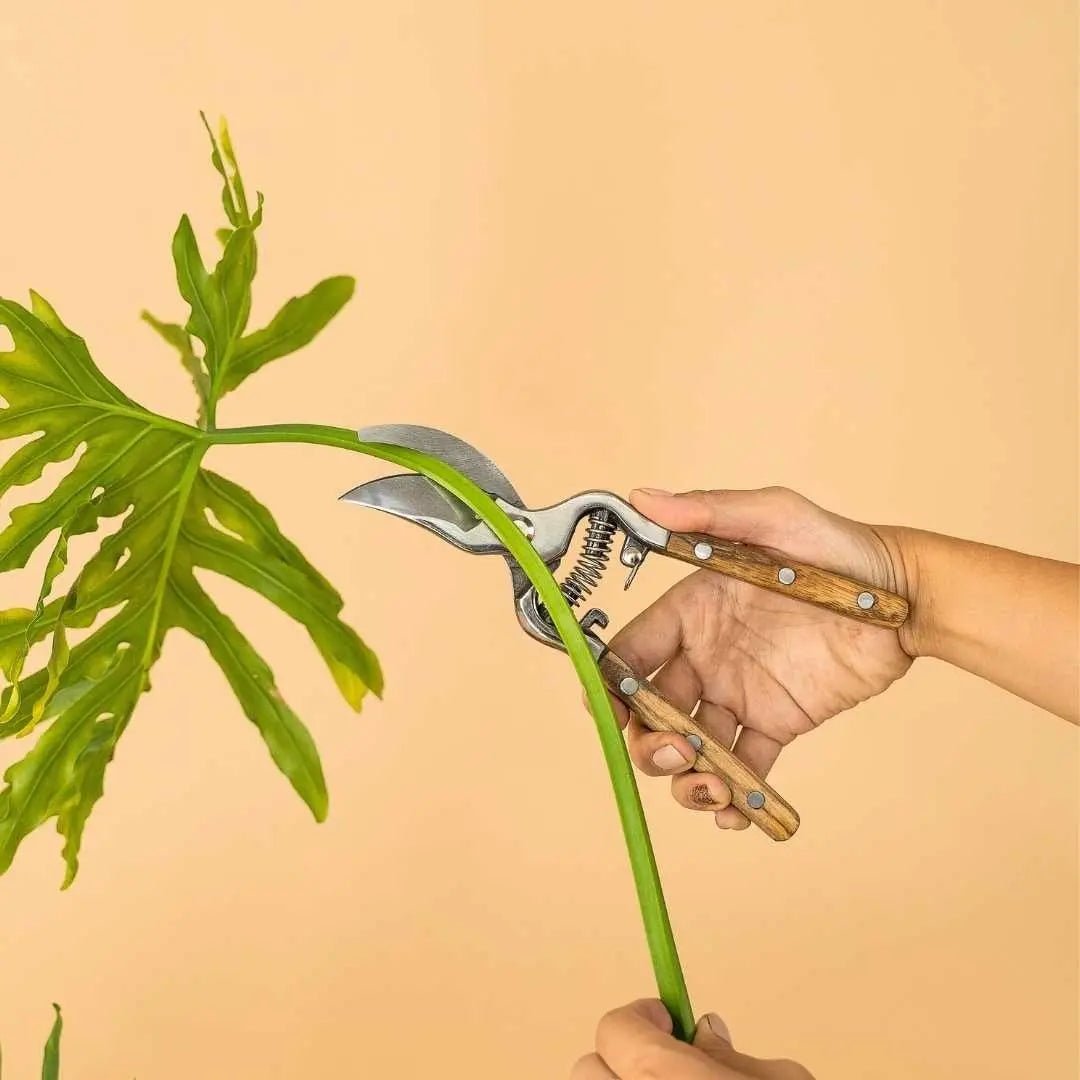
Note: Once tips are brown, they stay brown. Trim them off with clean scissors (cut at a slight angle to mimic the natural leaf shape) and correct the underlying issue to prevent new browning.
---
Cause 2: Brown Leaf Edges (Whole Edges, Not Just Tips)
What it looks like: The entire margin of the leaf — not just the tip — turns brown and crispy, sometimes curling inward.
Most common cause: Underwatering or very dry air.
How to fix it:
- Check the soil immediately. If it's bone dry and the pot feels light, water thoroughly right away. Soak the pot in a tub of water for 20–30 minutes if the soil has become hydrophobic (water is running off without absorbing).
- Establish a consistent watering schedule. Boom-and-bust watering — completely dry, then soaked — stresses plants. Water when the top 1–2 inches of soil are dry, not when the entire pot is parched.
- Address humidity. In Singapore's aircon-heavy indoor environments, increase humidity with a pebble tray, humidifier, or plant grouping.
Singapore note: During the Northeast Monsoon (November–January), overcast days reduce evaporation and soil stays moist longer. During drier inter-monsoon periods, soil in aircon-cooled rooms can dry out faster than expected — adjust your watering schedule accordingly.
---
Cause 3: Brown Spots with Yellow Halos

What it looks like: Irregular brown spots, often with a yellow ring surrounding them. May feel soft or water-soaked. Can spread from leaf to leaf.
Most likely cause: Fungal disease (like leaf spot) or bacterial infection.
Singapore relevance: Singapore's warm, humid climate means fungal issues can develop more readily here than in drier countries — particularly in poorly ventilated spaces or if water has been sitting on leaves.
How to fix it:
- Remove affected leaves immediately. Do not compost them — discard them.
- Improve air circulation. Fungal diseases thrive in stagnant, humid air. Move the plant to a spot with better airflow — near a fan set on low, or an open window.
- Avoid wetting the leaves when watering. Water at soil level, not overhead. Wet foliage in Singapore's warm climate encourages fungal growth.
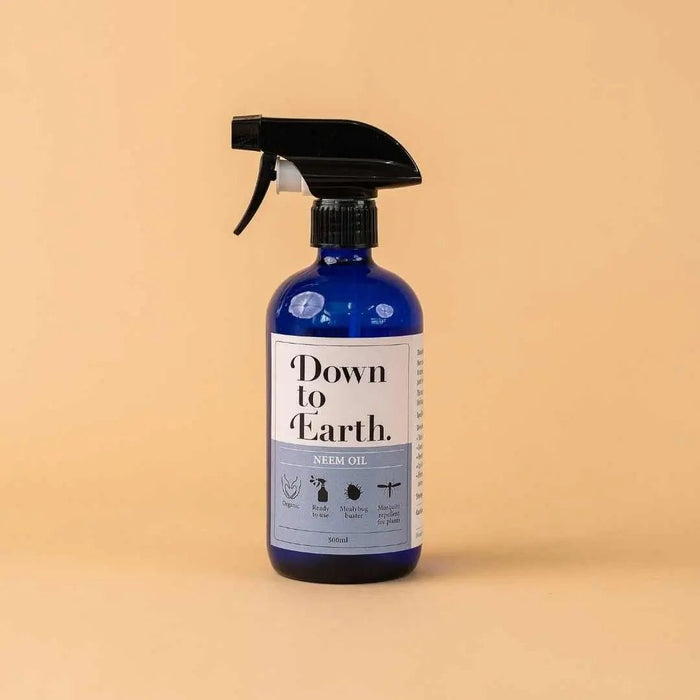
- Apply a fungicide if the problem persists. Neem oil diluted in water (1 tsp per litre) works as a preventive spray — widely available at local nurseries in Singapore.
- Isolate the plant from others until the issue resolves.
---
Cause 4: Dry, Crispy Brown Spots (Not at Edges)
What it looks like: Dry, papery brown patches — sometimes with a bleached or washed-out center — in random areas on the leaf surface.
Most likely cause: Sunburn or cold water shock.
Sunburn is particularly common in Singapore because our afternoon sun is extremely intense — especially through west-facing windows between 2–6pm. A plant moved from a shaded spot to a sunny windowsill can sunburn rapidly.
Cold water shock happens when you water a tropical plant with cold tap water — the leaf cells rupture from the sudden temperature change.
How to fix it:
- Move the plant away from intense direct sun, especially west-facing afternoon sun in Singapore.
- Water with room-temperature or slightly warmed water. Let cold tap water sit for 20–30 minutes before using it on tropical plants.
- Introduce new light positions gradually. Move plants in stages over 1–2 weeks rather than in one sudden change.
Alt: Close-up of a rubber plant leaf with a bleached, papery sunburn patch from intense afternoon sun exposure | Source: Plant care photography
---
Cause 5: Soft, Mushy Brown Leaves

What it looks like: Leaves turn brown or yellow and feel soft, almost transparent. Often accompanied by wilting despite wet soil. A musty or sour smell from the soil is common.
Most likely cause: Overwatering or root rot.
Singapore relevance: This is one of the most common plant problems in Singapore. During the monsoon season, ambient humidity is high and soil dries much more slowly than normal — leading many plant owners to overwater without realizing it.
Healthy roots are firm and white; rotted roots are brown, black, and mushy.
How to fix it:
- Unpot the plant and inspect the roots. Remove all soil and look at every root.
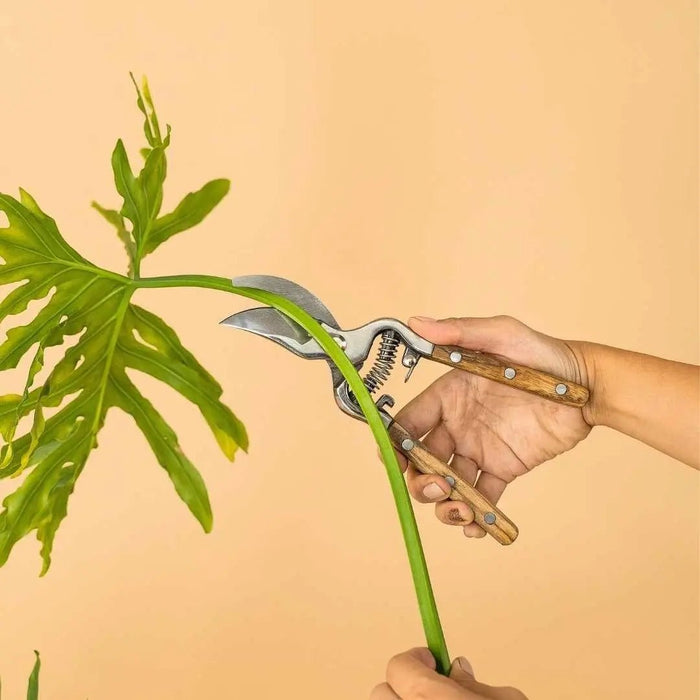
- Cut away all rotted roots with clean scissors or pruning shears. Sterilize the tools with rubbing alcohol first.
- Let the roots air-dry for 1–2 hours before repotting.
- Repot in fresh, dry, well-draining soil. Do not water immediately — wait 3–5 days to allow any cut root ends to callous.
- Correct your watering habits. Always check the soil before watering. During Singapore's wet season, many plants need watering far less frequently than during dry periods.
---
Cause 6: Lower Leaves Yellowing Then Browning
What it looks like: The lowest, oldest leaves on the plant turn yellow, then brown, then drop. No other leaves are affected.
If it's just 1–2 leaves at the very bottom: This is normal aging. Plants shed old leaves as they put energy into new growth. No fix needed.
If multiple leaves are dropping: Could indicate overwatering, low light, or root crowding.
---
Cause 7: New Growth Browning Before It Opens
What it looks like: New leaves emerge brown, twisted, or crispy before they even fully open.
Most likely cause: Very low humidity or cold aircon air hitting new growth (which is more tender than mature leaves).
How to fix it:
- Move the plant away from direct aircon vents — the most common cause in Singapore homes.
- Increase humidity with a pebble tray or humidifier.
- Ensure the plant is not placed directly in the path of a ceiling aircon unit.
---
Singapore-Specific Troubleshooting Summary
| Problem | Singapore-Specific Cause | Fix |
|---|---|---|
| Crispy brown tips | Tap water fluoride + aircon humidity | Collect rainwater; reduce aircon near plants |
| Brown edges | Aircon drying air out | Humidifier or pebble tray |
| Soft, mushy leaves | Overwatering during monsoon season | Reduce watering frequency in wet months |
| Sunburn spots | Intense west-facing afternoon sun | Move plant or add sheer curtain |
| New growth brown | Aircon vent directly above plant | Reposition plant away from aircon |
| Fungal spots | Stagnant humid air, wet leaves | Improve airflow; water at soil level only |
---
The Most Important Thing to Remember
Brown leaves almost always tell you something meaningful about your plant's environment. Rather than treating the symptoms (removing brown leaves), focus on identifying and correcting the cause. Once you fix the underlying issue, healthy new growth will emerge — and the brown leaves, once trimmed, won't return.
If you're unsure which cause applies, the safe approach is always to:
- Check the soil moisture first
- Check the light situation
- Consider your water source and fertilizer frequency
- In Singapore: check whether the plant is in direct aircon airflow
Most browning problems resolve once watering habits and humidity are corrected.
---
Have a plant that's struggling? Share what you're seeing and we'll help diagnose it. Browse our full plant collection — and if you're thinking about adding easy-care plants that resist these problems, check our snake plants and ZZ plants, both of which are remarkably forgiving in Singapore homes.
---
Quick summary
Key Takeaways
- Step 1: Look at Where and How the Brown Appears
- Cause 1: Brown Leaf Tips (Crispy Tips)
- Cause 2: Brown Leaf Edges (Whole Edges, Not Just Tips)
- Cause 3: Brown Spots with Yellow Halos
- Cause 4: Dry, Crispy Brown Spots (Not at Edges)
- Cause 5: Soft, Mushy Brown Leaves
Ready to bring some green into your home?
Browse 250+ hand-picked plants, curated for Singapore homes — delivered to your door.
Browse All Plants →