















Fiddle Leaf Fig Care Guide for Singapore | Tumbleweed Plants Singapore
Posted on April 10 2026
In this article

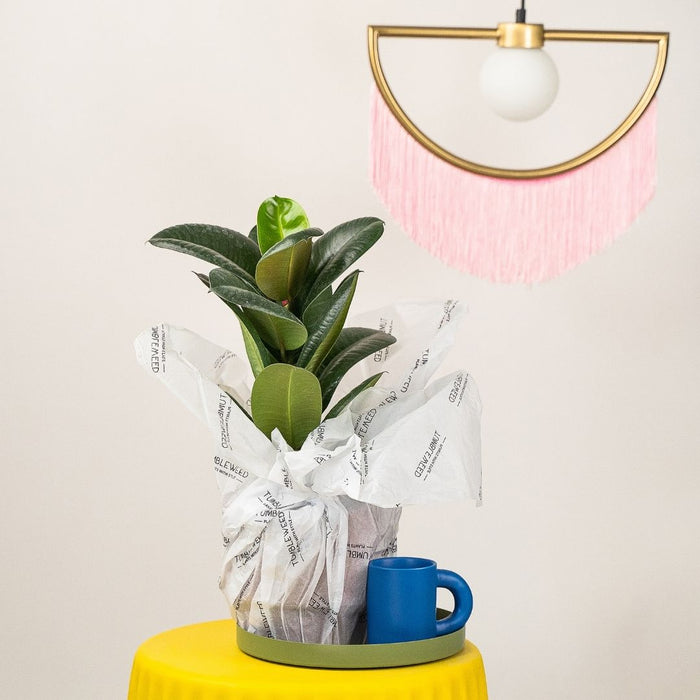
The Fiddle Leaf Fig — Ficus lyrata — is the most desired and most feared houseplant simultaneously. Desired because its large, violin-shaped leaves and architectural trunk create a designer statement that no other plant replicates. Feared because it has a reputation for being difficult, dramatic, and prone to sudden leaf drop that turns a beautiful tree into a bare stick.
Here is the truth: Fiddle Leaf Figs are not as hard as their reputation suggests. They are particular — they want consistent conditions and do not respond well to change — but once established in a spot that suits them, they are remarkably stable. In Singapore, our warm, humid climate actually gives us advantages that temperate growers envy. Most Fiddle Leaf Fig problems stem from cold, dry air and low light — issues we rarely face.
Varieties
Ficus lyrata (Standard) — The full-size tree. Grows 1.5-3 metres indoors with large, dramatic leaves up to 30cm long. The iconic designer plant.
Ficus lyrata 'Bambino' (Dwarf) — A compact variety with smaller, more closely spaced leaves. Grows 60-90cm tall. Better suited for smaller spaces and desks. Bushier growth habit.
Ficus lyrata 'Compacta' — Similar to Bambino. Compact growth, smaller leaves, more manageable size.
Light

Light is the single most important factor for Fiddle Leaf Fig success. Get this right and most other issues become manageable.
The requirement: bright indirect light. The Fiddle Leaf Fig needs more light than most houseplants. In its native West African tropical forest, it grows in bright clearings and forest edges, not in the dense understory.
Ideal placement in Singapore:
- Within 1 metre of a large, unobstructed window
- Near east or south-facing windows that receive morning sun
- In a naturally bright room where daylight fills the space
Direct morning sun is tolerated and often beneficial. An hour or two of gentle morning sun helps maintain leaf health. Avoid direct afternoon sun, which can scorch leaves.
Signs of insufficient light:
- Leggy growth with large gaps between leaves
- New leaves are smaller than older ones
- Leaning dramatically toward the window
- Slow or no growth
Signs of too much direct sun:
- Brown, crispy patches on leaves (sunburn)
- Bleached or faded leaf colour
Critical rule: Once your Fiddle Leaf Fig is happy in a spot, do not move it. Fiddle Leaf Figs respond to location changes with stress — often dropping leaves. If you must move it, do so gradually over several days.
Watering
Consistent, regular watering is essential — the Fiddle Leaf Fig dislikes both drought and waterlogging.
Schedule in Singapore:
- Water when the top 3-5cm of soil is dry
- Every 7-10 days in naturally ventilated rooms
- Every 10-14 days in air-conditioned rooms
Technique:
- Water thoroughly until water drains from the bottom
- Empty the saucer immediately
- Never let the plant sit in standing water
- Water the soil directly, avoiding the leaves
Consistency matters. The Fiddle Leaf Fig prefers a regular watering schedule. Wildly inconsistent watering — drought followed by flooding — causes leaf drop and brown spots.
Overwatering signs: Brown spots that start at the centre of leaves and spread outward, yellow leaves, mushy stems, root rot.
Underwatering signs: Leaves curling inward, crispy brown edges, drooping, leaf drop.
Soil

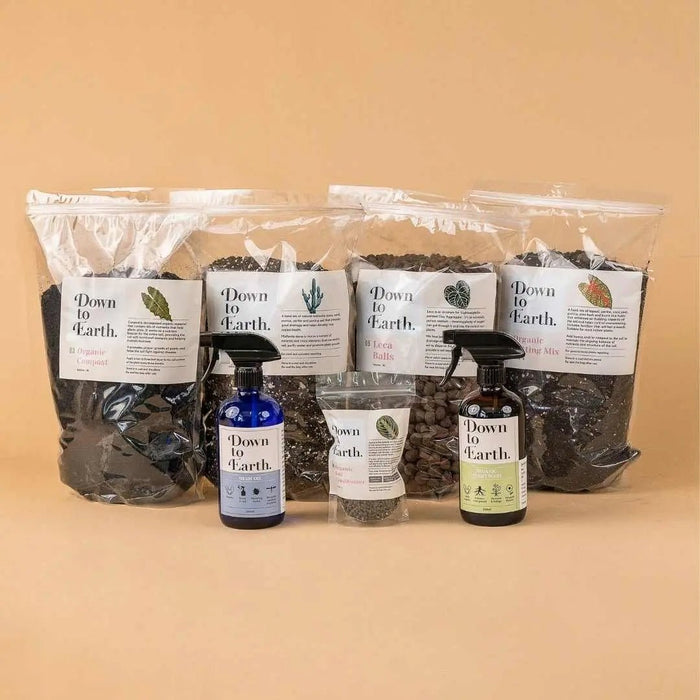
A well-draining aroid-style mix:
- 40% potting mix
- 30% perlite
- 20% orchid bark
- 10% charcoal
Drainage is critical. The Fiddle Leaf Fig cannot tolerate waterlogged soil. If your mix stays wet for more than a week after watering, add more perlite.
Humidity
Singapore advantage: Our 70-80% ambient humidity is excellent for Fiddle Leaf Figs. This is one area where Singapore growers have it easy — temperate growers struggle with dry winter air, while we provide ideal humidity year-round.
AC rooms (40-50% humidity): Acceptable but not ideal. If your Fiddle Leaf Fig is in an AC room full-time, occasional misting or a nearby humidifier helps. Brown leaf edges in AC rooms are often humidity-related.
Temperature

Singapore's 24-32°C range is within the Fiddle Leaf Fig's comfort zone. Avoid cold drafts from AC vents — the Fiddle Leaf Fig dislikes sudden temperature drops. Position away from direct AC airflow.
Fertilising
- Balanced liquid fertiliser at half strength every 4-6 weeks during active growth
- Reduce to every 8 weeks during slower periods
- Some growers use a specialised Ficus fertiliser with slightly higher nitrogen for leaf development
- Do not over-fertilise — salt buildup damages roots
Common Problems
Brown Spots on Leaves
Root rot (overwatering): Brown spots that start in the middle of the leaf and spread. The leaf may also feel soft. Check roots — if mushy and brown, root rot has set in. Reduce watering, improve drainage, and trim rotted roots.
Bacterial infection: Brown spots with a yellow halo, often starting at the leaf edge. Remove affected leaves, reduce watering, and improve air circulation.
Sunburn: Brown, dry, crispy patches — usually on the side of the plant facing the window. Move away from direct sun.
Dryness: Brown, crispy leaf edges. Increase watering frequency or humidity.
Leaf Drop
The Fiddle Leaf Fig's most dramatic stress response. Causes:
- Location change — most common. Moving the plant triggers leaf drop
- Overwatering or underwatering — inconsistent watering stresses the plant
- Temperature shock — sudden cold from AC or drafts
- Low light — the plant sheds leaves it cannot sustain
Fix: Identify the cause, correct it, and wait. The plant will stabilise and produce new leaves once conditions are consistent.
Leggy Growth
The trunk grows tall with few leaves, especially at the bottom. This is natural growth — Fiddle Leaf Figs become tree-like over time. To encourage branching:
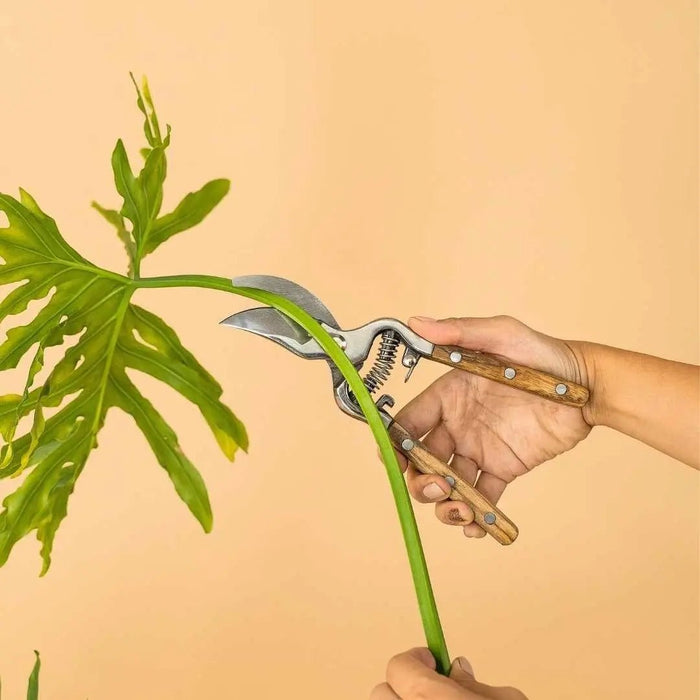
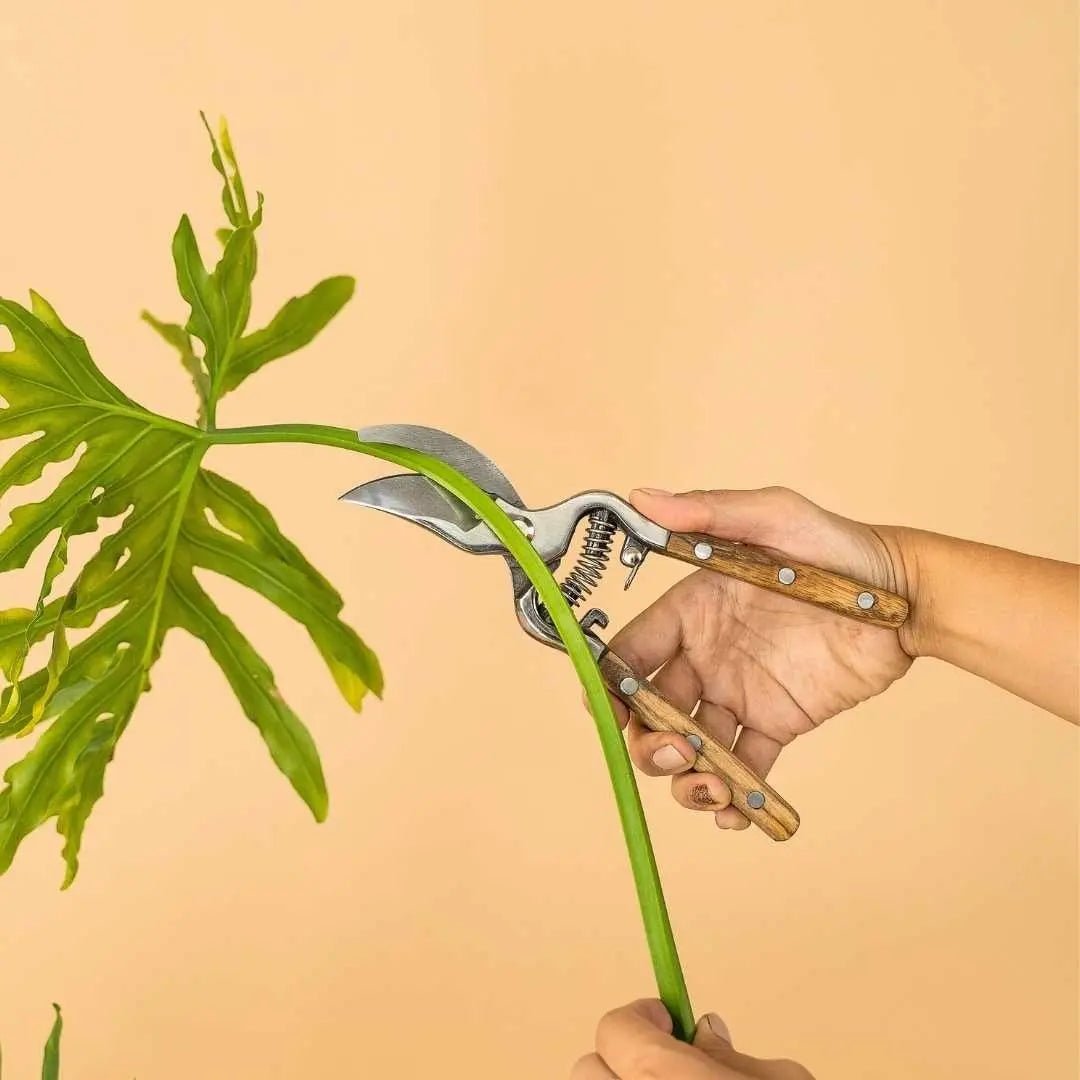
- Pruning: Cut the top to encourage branching below the cut
- Notching: Make a small cut above a dormant node to stimulate new branch growth
Small New Leaves
New leaves that are significantly smaller than older ones indicate insufficient light or nutrition. Move to brighter light and resume regular fertilising.
Pests
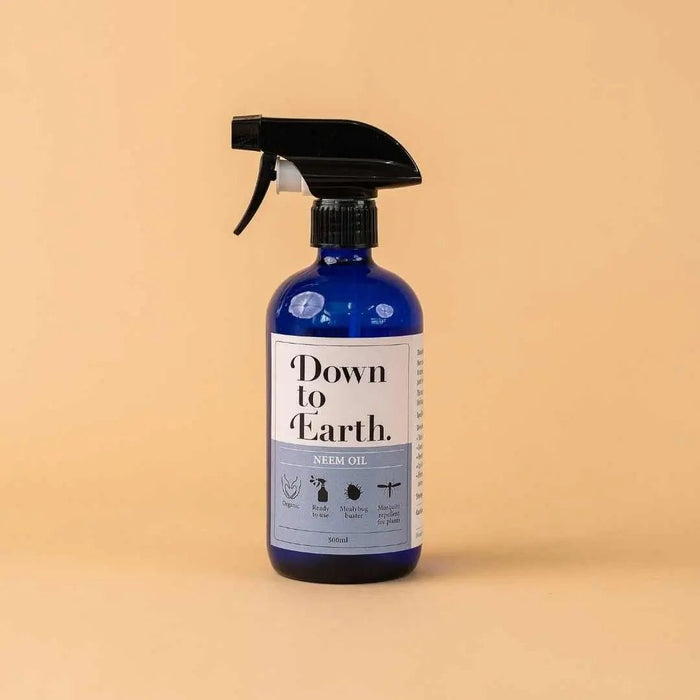
- Mealybugs — in leaf joints and on stems. Treat with rubbing alcohol and neem oil.
- Spider mites — fine webbing on leaf undersides. Increase humidity, wash leaves, treat with neem oil.
- Scale — brown bumps on stems and leaves. Scrape off and treat with neem oil.
Prevention: Wipe leaves monthly with a damp cloth. This removes dust, improves photosynthesis, and allows early pest detection.
Propagation
Stem Cutting
- Cut a stem section (15-20cm) with at least 2-3 leaves
- Remove the lowest leaf
- Place in water or moist soil
- In water: roots develop in 4-8 weeks
- Transfer to soil once roots are 5-8cm long
Air Layering
For larger, more established plants:
- Make a shallow cut on the stem where you want roots
- Apply rooting hormone
- Wrap the area with moist sphagnum moss and plastic wrap
- Roots develop inside the moss in 6-10 weeks
- Cut below the roots and pot the new plant
Styling
The Fiddle Leaf Fig is a design statement plant:
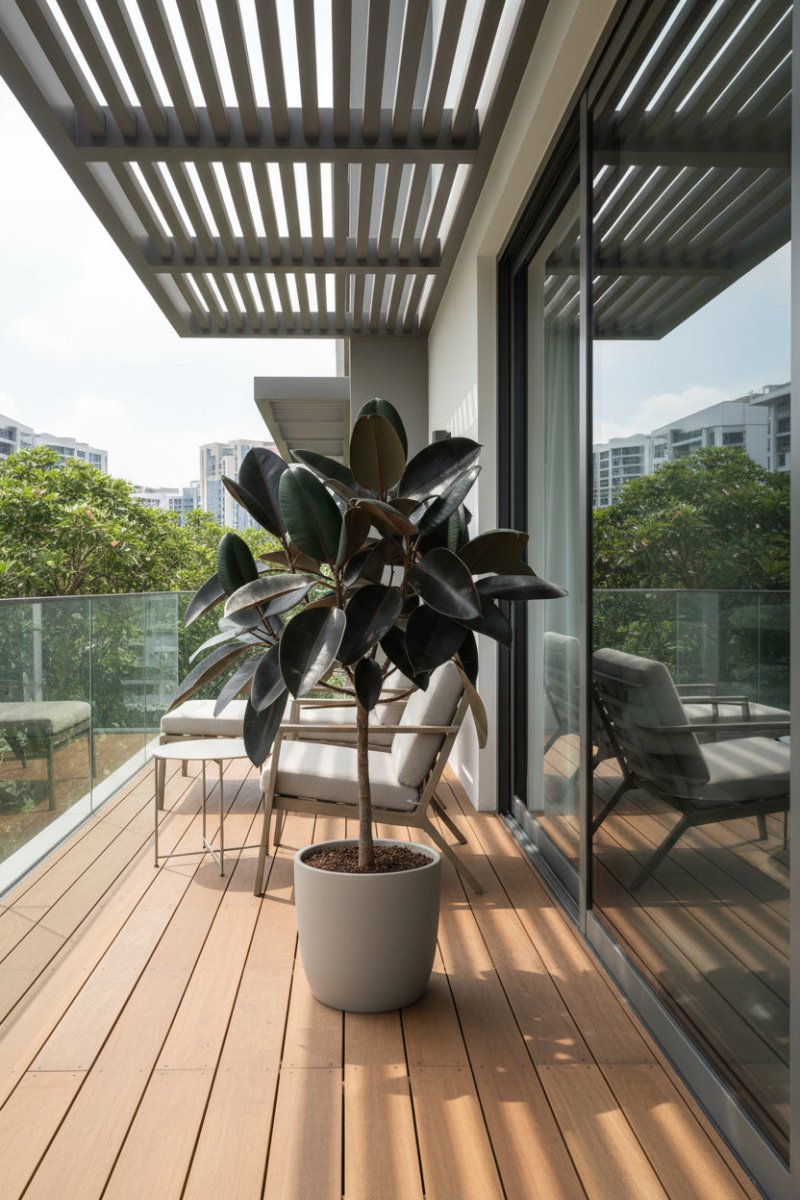
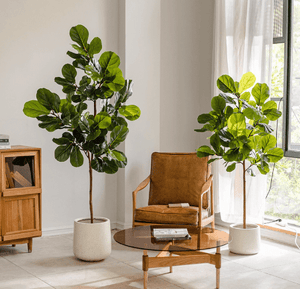
- Solo floor plant — A tall Fiddle Leaf Fig (1.5-2m) beside a sofa or reading chair is the classic placement
- Paired entry — Two matched Fiddle Leaf Figs flanking a doorway or entrance
- Bright corner — Fills an empty corner with dramatic vertical greenery
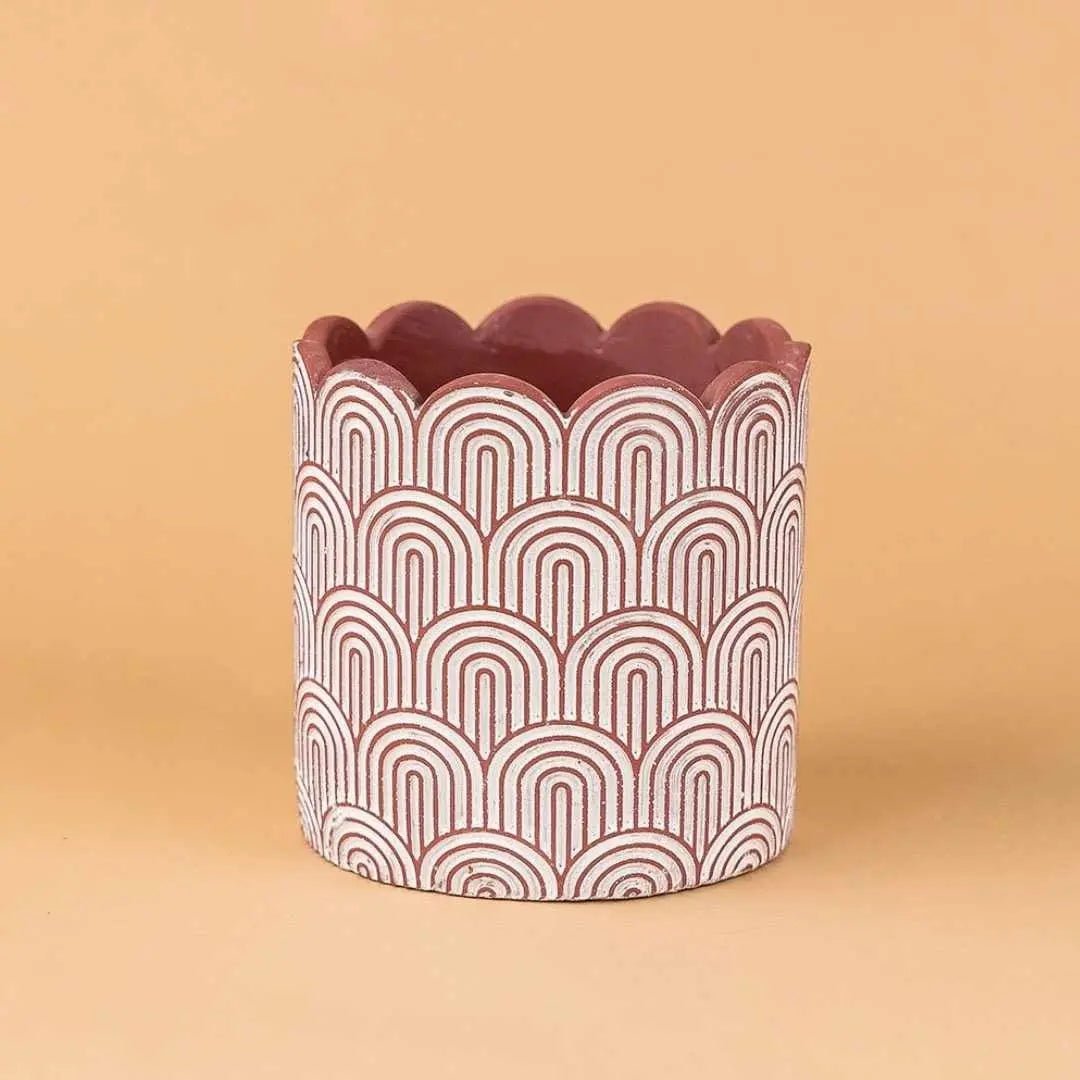
- Statement pot — Choose a pot that enhances the tree-like form — woven baskets, large ceramic, or concrete
Pot sizing: The pot should look proportional to the plant — not too small (top-heavy appearance) and not too large (dwarfs the trunk).
Is Fiddle Leaf Fig Toxic?
Mildly toxic. The sap contains ficin, which irritates skin and mucous membranes. Can cause mouth irritation and digestive upset if ingested by pets or children. The sap may cause skin irritation — wash hands after pruning.
Shop Fiddle Leaf Fig
Browse our indoor plant collection for Fiddle Leaf Fig varieties delivered across Singapore.
The Fiddle Leaf Fig rewards consistency. Give it bright light, regular watering, a stable position, and occasional feeding, and it will grow into the architectural statement plant you see in design magazines. Its reputation for difficulty is overblown — it is not difficult, it is consistent. Treat it the same way every week, and it will reward you with bold, beautiful foliage that anchors your space with quiet drama.
Quick summary
Key Takeaways
- Varieties
- Light
- Watering
- Soil
- Humidity
- Temperature
Ready to bring some green into your home?
Browse 250+ hand-picked plants, curated for Singapore homes — delivered to your door.
Browse All Plants →