















Haws Watering Can for Indoor Plants in Singapore: How to Water Evenly Without Splashing
Posted on July 22 2026
Watering sounds simple until an indoor plant starts yellowing, fungus gnats appear, or soil splashes across a clean shelf. In humid Singapore homes, the right watering tool matters because many plants need gentle, even moisture—not a sudden flood. This guide explains how to use a Haws-style watering can for indoor plants, when to water, and how to avoid the common mistakes that come from guessing.
In this guide

Why a fine-sprinkler watering can helps
A good indoor watering can does more than hold water. A balanced can with a fine sprinkler rose helps spread water across the soil surface instead of punching one wet crater into the mix. That matters for houseplants in smaller pots, where a harsh stream can expose roots, compact the soil, splash furniture or run straight down the side of a dry root ball.
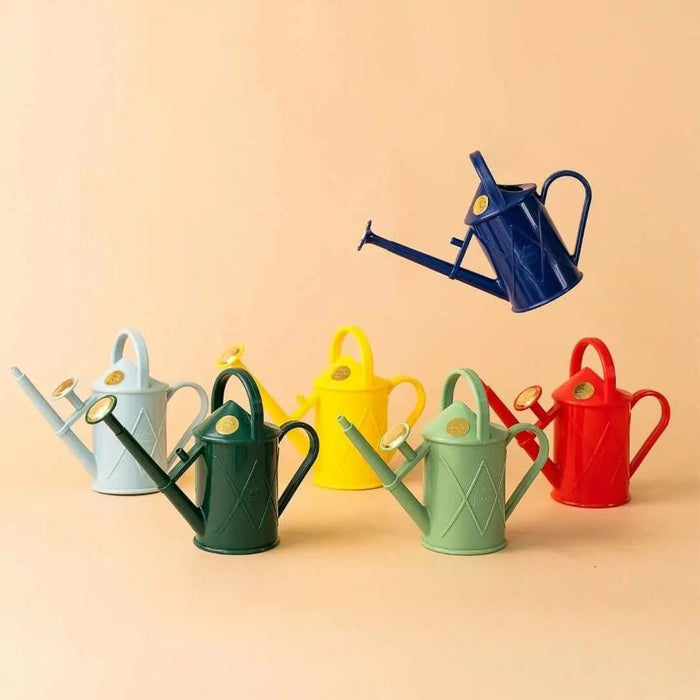
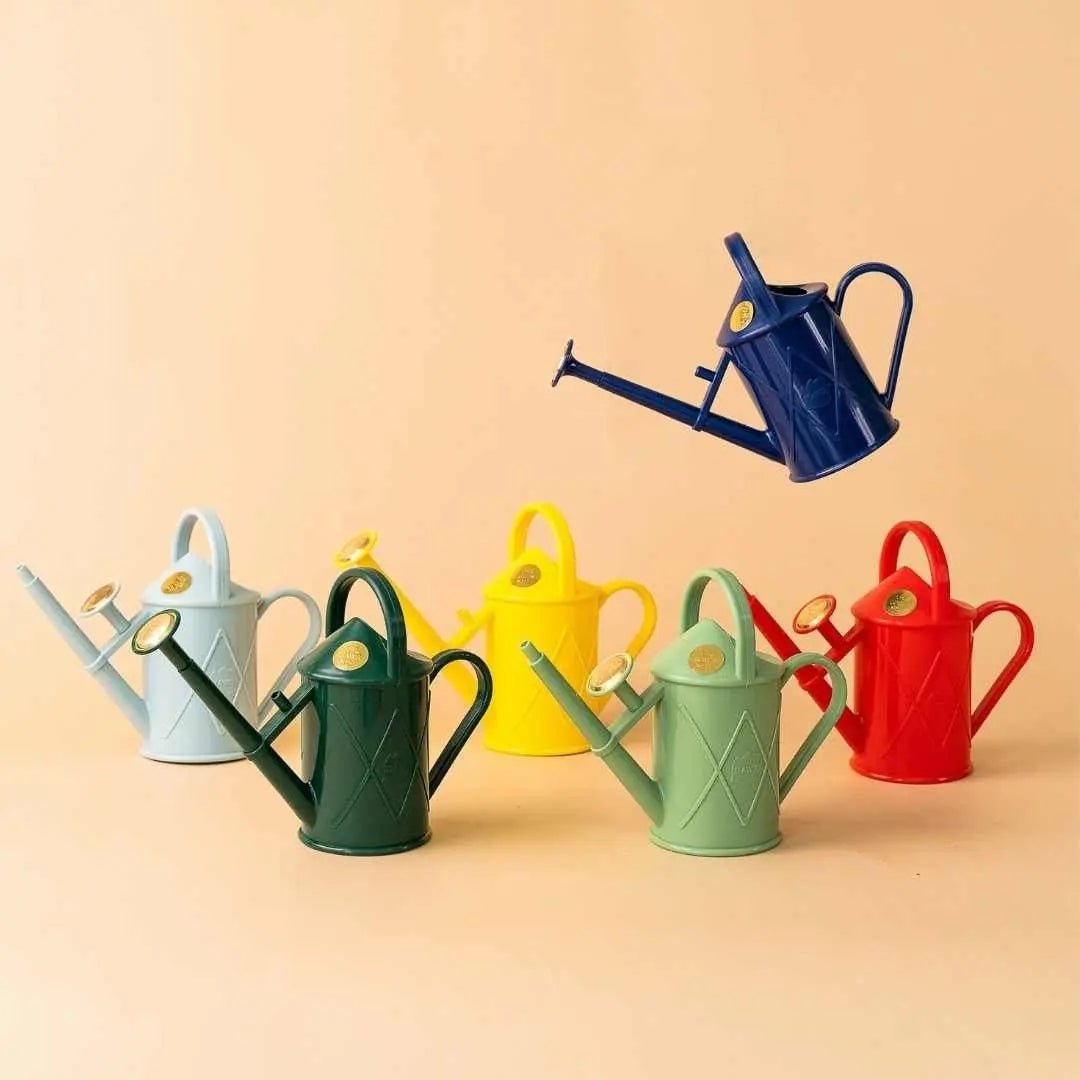
The Langley Sprinkler Watering Can by Haws is especially useful for plant parents who keep plants on shelves, plant stands, desks or balconies. Its gentle shower pattern encourages slower absorption, which makes it easier to stop before the pot becomes waterlogged.
The Langley Sprinkler Watering Can by Haws
A fine-sprinkler watering can for giving indoor and balcony plants a softer, more even drink.
Shop NowHow to water indoor plants evenly
Start by checking the soil, not the calendar. Push a finger into the mix or use a moisture meter if the pot is deep. If the top looks dry but the lower root zone is still wet, wait. When it is time to water, move slowly around the pot so the whole surface gets moisture. This is better than pouring everything in one spot and hoping it spreads.
- Water the soil, not the leaves: most indoor foliage plants prefer moisture at the roots, while wet leaves in still indoor air can encourage spotting.
- Pause and let water sink in: dry potting mix can repel water at first; two gentle passes often work better than one heavy pour.
- Stop when drainage begins: empty saucers after the pot drains so roots do not sit in standing water.
- Adjust by pot size: small tabletop plants need a lighter touch than large floor plants.
If water immediately runs out of the base while the plant still wilts, the mix may be too dry, compacted or pulling away from the pot edge. In that case, water slowly in rounds and consider refreshing the potting mix if the problem keeps happening.

3-in-1 Moisture Meter
Helpful for checking moisture below the surface before watering, especially in deeper decorative pots.
Shop NowSingapore-specific watering tips
Singapore’s humidity can make soil dry more slowly, especially in air-conditioned bedrooms, bathrooms and shaded HDB corners. At the same time, bright balcony plants may dry faster because of sun and airflow. This is why fixed advice like “water once a week” can be misleading. Use your watering can as a precision tool: check, water gently, then observe how quickly the pot dries in that exact spot.
For indoor plants in decorative planters, always confirm there is a drainage path. A beautiful cover pot can hide excess water at the bottom. If the nursery grow pot sits inside a decorative planter, lift it out after watering or check that no water has pooled inside the cover pot.

AirLite Growpot - Medium
A lightweight grow pot option for plants that need drainage and easier watering checks.
Shop Now
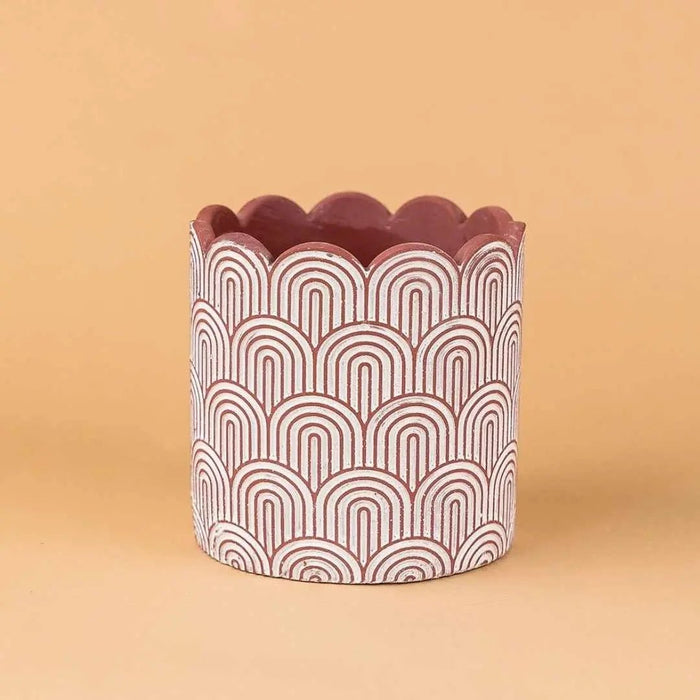
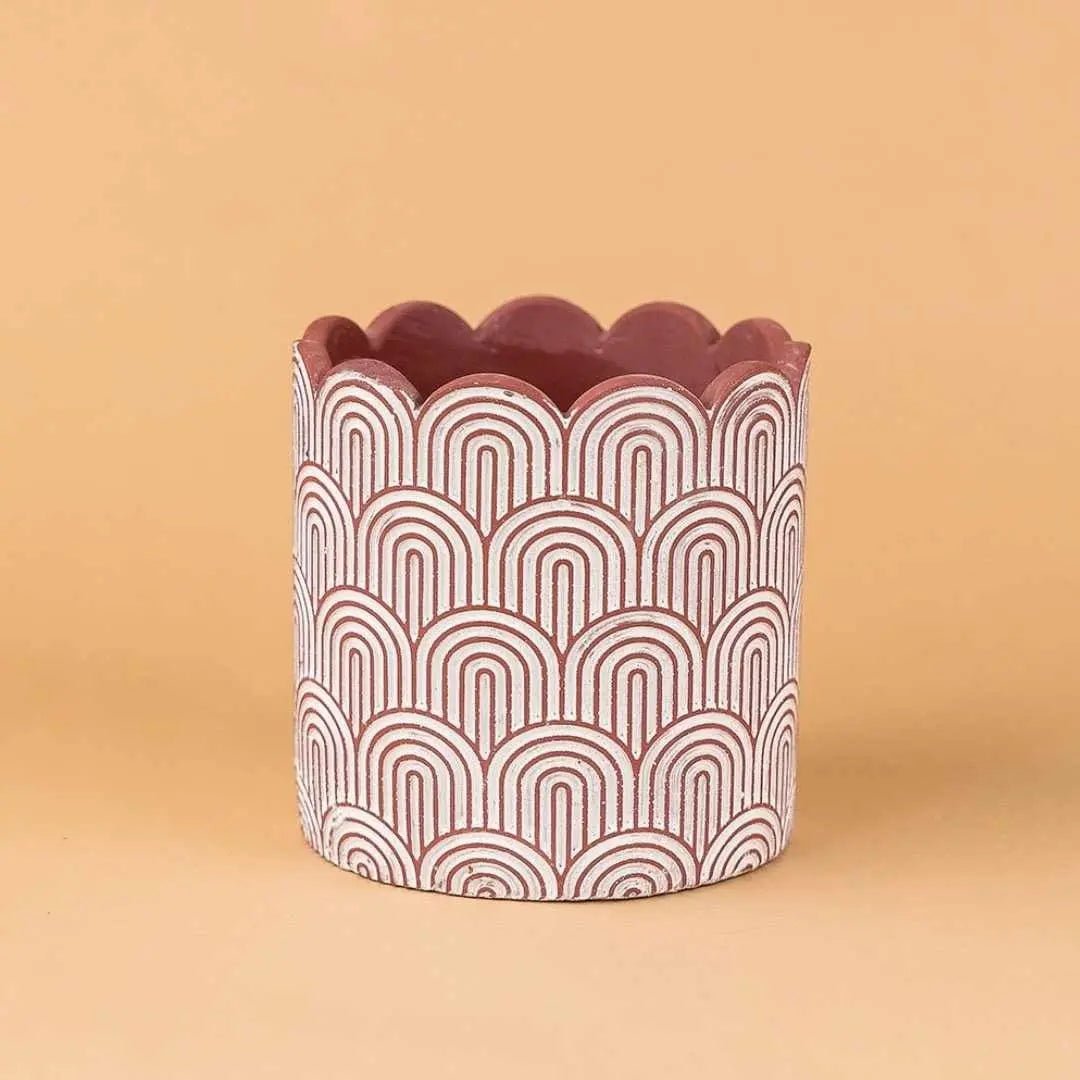
Aria Pots
A clean decorative pot option when paired thoughtfully with the right grow pot and watering routine.
Shop NowWhat to pair with a watering can
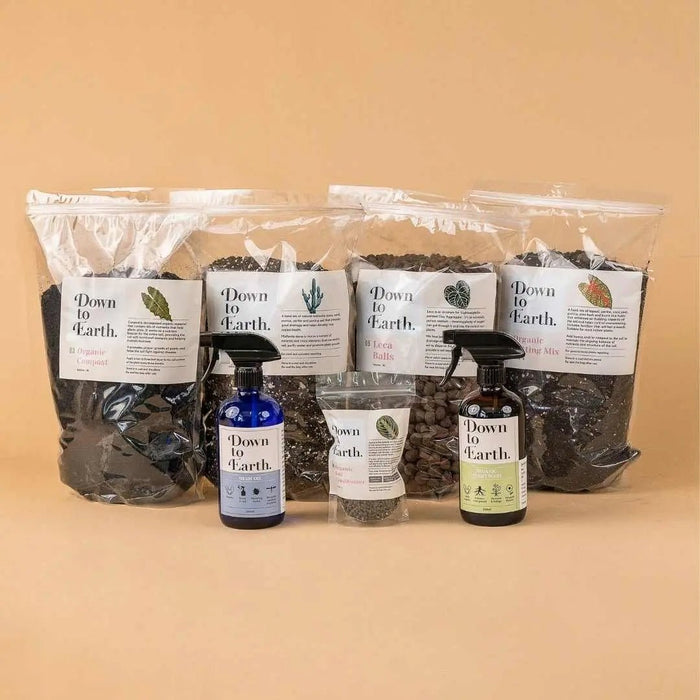
A watering can works best when the potting mix can absorb and drain properly. Fresh, airy mix helps water move through the root zone instead of sitting heavily around roots. If your plant’s soil has become dense, sour-smelling or permanently wet, changing the mix may do more than simply changing how often you water.

Down To Earth. 01 Organic Potting Mix
A fresh potting mix helps roots breathe and makes gentle watering more effective.
Shop NowQuick watering routine
- Check the soil before watering.
- Use a gentle shower pattern across the whole soil surface.
- Water in two light passes for very dry pots.
- Let excess water drain fully.
- Empty saucers and avoid standing water.
FAQ
Is a watering can better than a cup?
For most indoor plants, yes. A fine-sprinkler watering can spreads water more evenly and reduces soil splash, while a cup often dumps water in one spot too quickly.
Should I mist my plants instead of watering?
Misting does not replace watering the root zone. Some plants enjoy extra humidity, but roots still need proper soil moisture. In Singapore, avoid keeping leaves constantly wet in still indoor air.
How do I know if I watered too much?
Watch for soil that stays wet for days, yellowing lower leaves, a sour smell, fungus gnats or mushy stems. Check drainage and let the mix dry appropriately before watering again.
Do balcony plants need the same routine?
No. Bright balcony plants often dry faster than indoor plants, especially in wind and sun. Check them separately rather than watering every plant on the same schedule.
Make watering easier at home
Browse Tumbleweed’s watering tools, plant-care essentials, pots and indoor plants for Singapore homes.