


















How to Plant Succulents for Beginners
Posted on December 18 2025
Succulents represent one of the most diverse and rewarding plant families available to modern gardeners. These remarkable specimens have evolved sophisticated water-storage mechanisms that allow them to thrive in arid conditions, making them exceptionally forgiving plants for busy households and novice gardeners alike. However, despite their reputation for resilience, succulents do require specific planting techniques and environmental conditions to truly flourish. Drawing from decades of horticultural experience, I'll guide you through every aspect of successful succulent cultivation, from initial selection through long-term establishment.
1. Understanding Succulent Biology
Before we discuss planting techniques, it's essential to understand what makes succulents unique. These plants have adapted to store water in their leaves, stems, or roots, allowing them to survive extended drought periods. This adaptation influences every aspect of their care. Their shallow, fibrous root systems are designed to quickly absorb moisture from brief rainfall events, then remain dormant during dry periods. This biological reality means that traditional planting methods used for other houseplants can actually harm succulents by creating conditions that encourage root rot and fungal diseases.
2. Selecting Quality Specimens
What to Look For
Your success begins at the point of purchase. When selecting succulents, examine each plant carefully for signs of health and vigor. Healthy specimens display firm, plump leaves with good color saturation appropriate to their variety. The stem should be strong and upright without any soft or mushy areas that might indicate rot or disease.
Avoid plants with shriveled, yellowing, or translucent leaves, as these indicate either dehydration or root problems. Check the base of the plant and underside of leaves for mealybugs, which appear as small white cottony masses, or scale insects, which look like small brown bumps. If you can gently wiggle the plant and it feels loose in its soil, this may indicate root problems. Similarly, if leaves fall off with minimal contact, the plant is likely stressed or diseased.

Recommended Beginner Varieties
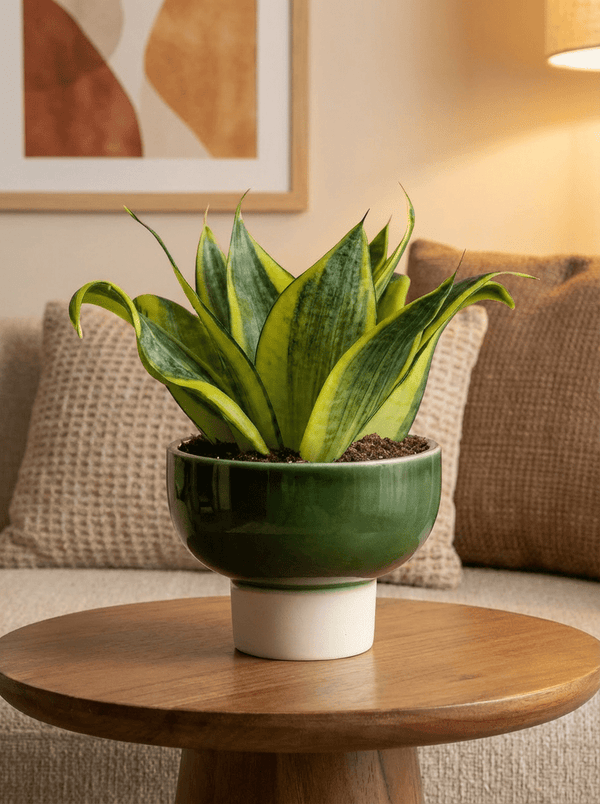
Popular beginner-friendly varieties include Echeveria, known for their stunning rosette formations and wide range of colors. Sedum species offer incredible diversity in form, from trailing ground covers to upright shrubs. Haworthia varieties are perfect for lower-light situations and feature attractive striped or windowed leaves. Crassula (Jade plants) develop tree-like growth patterns and can live for decades with proper care. Various Aloe species provide both ornamental beauty and practical medicinal properties. You can explore a wide selection of these varieties at Tumbleweed Plants' succulent collection.
3. Soil Composition: The Foundation of Success
Why Soil Matters
The single most critical factor in succulent cultivation is proper soil composition. Standard potting soil, even high-quality brands, retains far too much moisture for succulent roots. In their native habitats, succulents grow in rocky, sandy, or gravelly soils that drain almost instantly. We must replicate these conditions in cultivation to ensure long-term plant health.
A proper succulent mix should feel gritty when rubbed between your fingers and should allow water to pass through rapidly when watered. The ideal pH should be slightly acidic to neutral, ranging from 6.0 to 7.0, which most succulents prefer naturally.
DIY Soil Mix Recipe
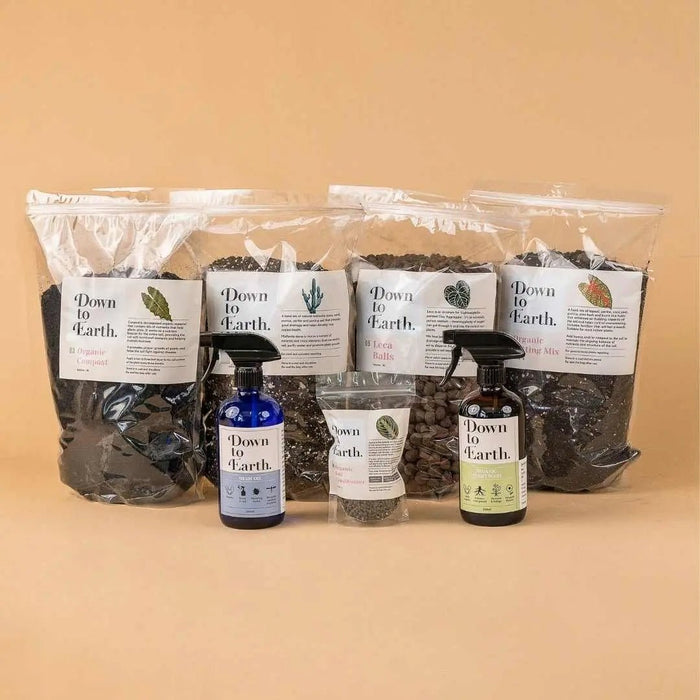
You can purchase pre-made succulent or cactus mixes from garden centers, but I recommend creating your own blend for optimal results. My preferred formula consists of 40% quality potting soil, 20% coarse sand (not fine sandbox sand, which compacts), 20% perlite for aeration, and 20% pumice or fine gravel for drainage and mineral content. The potting soil component provides organic matter and nutrients, while the mineral components ensure rapid drainage and prevent compaction over time. For those looking for ready-made options, specialized succulent potting mixes like Formula 02 are specifically designed for cacti and succulents.
Avoid any soil amendments that retain moisture, such as vermiculite or excessive peat moss. Some growers add a small amount of coconut coir for moisture retention in extremely arid climates, but this should be used sparingly and only when environmental conditions demand it.
4. Container Considerations
Essential Features
Container selection significantly impacts your succulent's health and longevity. The absolute requirement is adequate drainage, typically achieved through holes in the container bottom. Without drainage, even the most well-draining soil mix will eventually become waterlogged, leading to root rot. If you've fallen in love with a container without drainage holes, you have two options: drill holes yourself using appropriate bits for the material, or use it as a decorative cachepot with a properly draining inner pot.
Best Container Materials
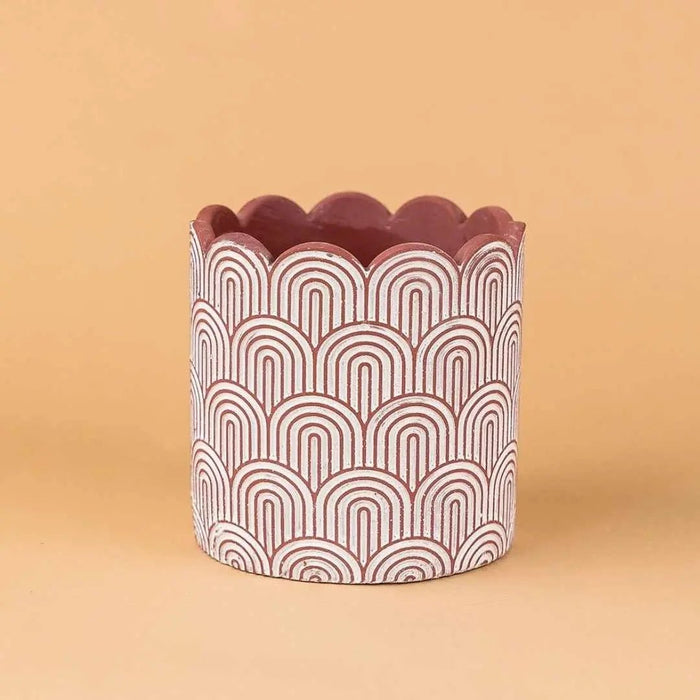
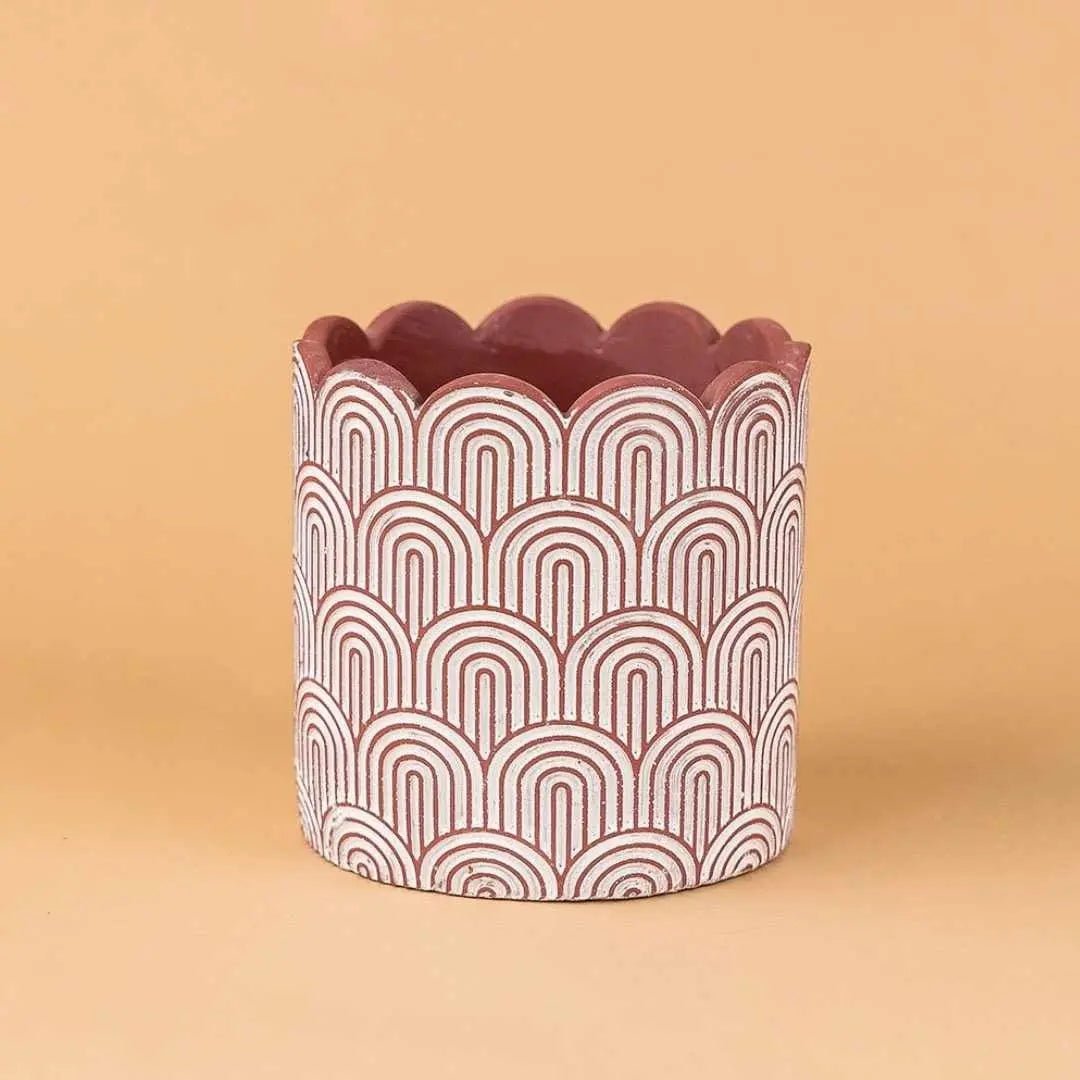
Terracotta and unglazed ceramic pots are ideal for succulents because their porous nature allows moisture to evaporate through the pot walls, creating additional drying beyond what occurs at the soil surface. This extra evaporation helps prevent overwatering problems, which are the most common cause of succulent death. For a wide selection of stylish planters and pots, you can find everything from basic terracotta to designer ceramic options.
Plastic planters and pots are perfectly acceptable and offer advantages like being lightweight and affordable, making them good choices for hanging planters. However, they require more careful watering since they don't breathe like terracotta.
Glazed ceramic, metal, and glass containers should be approached with extra caution due to their non-porous nature. These materials require precise watering management and are generally best reserved for experienced growers who can carefully monitor soil moisture levels.
Proper Sizing
Size matters significantly in container selection. While it might seem generous to give your succulent a large pot with room to grow, oversized containers hold excessive soil that stays wet far too long. Choose a container that provides just one to two inches of space around the root ball. Shallow, wide containers often work better than deep, narrow ones since succulent roots naturally spread laterally rather than diving deep into the soil.
5. The Planting Process: Step-by-Step
Materials and Preparation
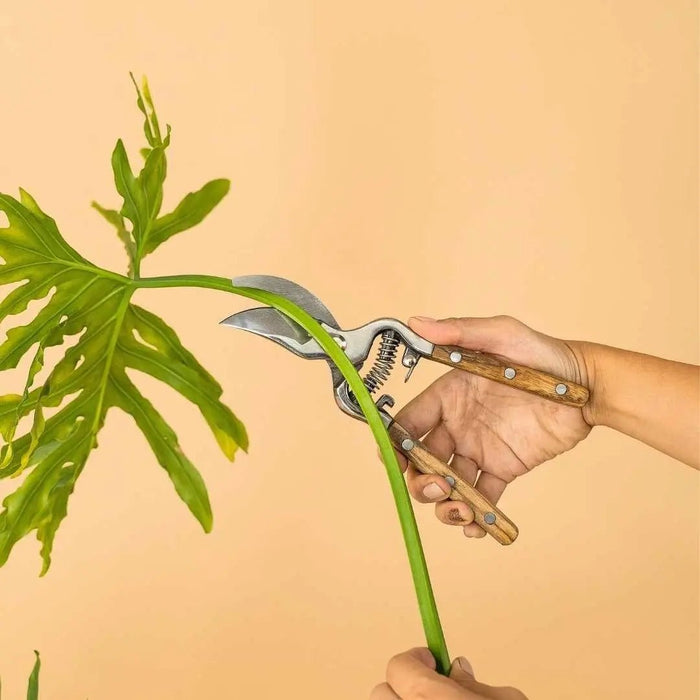
Begin by gathering all necessary materials: your selected container with drainage holes, succulent soil mix, the plant itself, gloves if handling spiny varieties, and a small trowel or spoon for soil manipulation. You'll also want clean, sharp scissors or pruning shears on hand for any necessary root trimming.
If your succulent is in a nursery pot, water it lightly a day before transplanting to help the root ball hold together during removal. This pre-watering makes the extraction process much smoother and reduces stress on the plant.
The Planting Steps
Removing from the nursery pot: When ready to plant, gently squeeze the nursery pot's sides to loosen the root ball. Turn the pot upside down, supporting the plant's base with your hand, and carefully slide the container off. If roots have grown through drainage holes, you may need to cut these to free the plant without causing excessive damage.
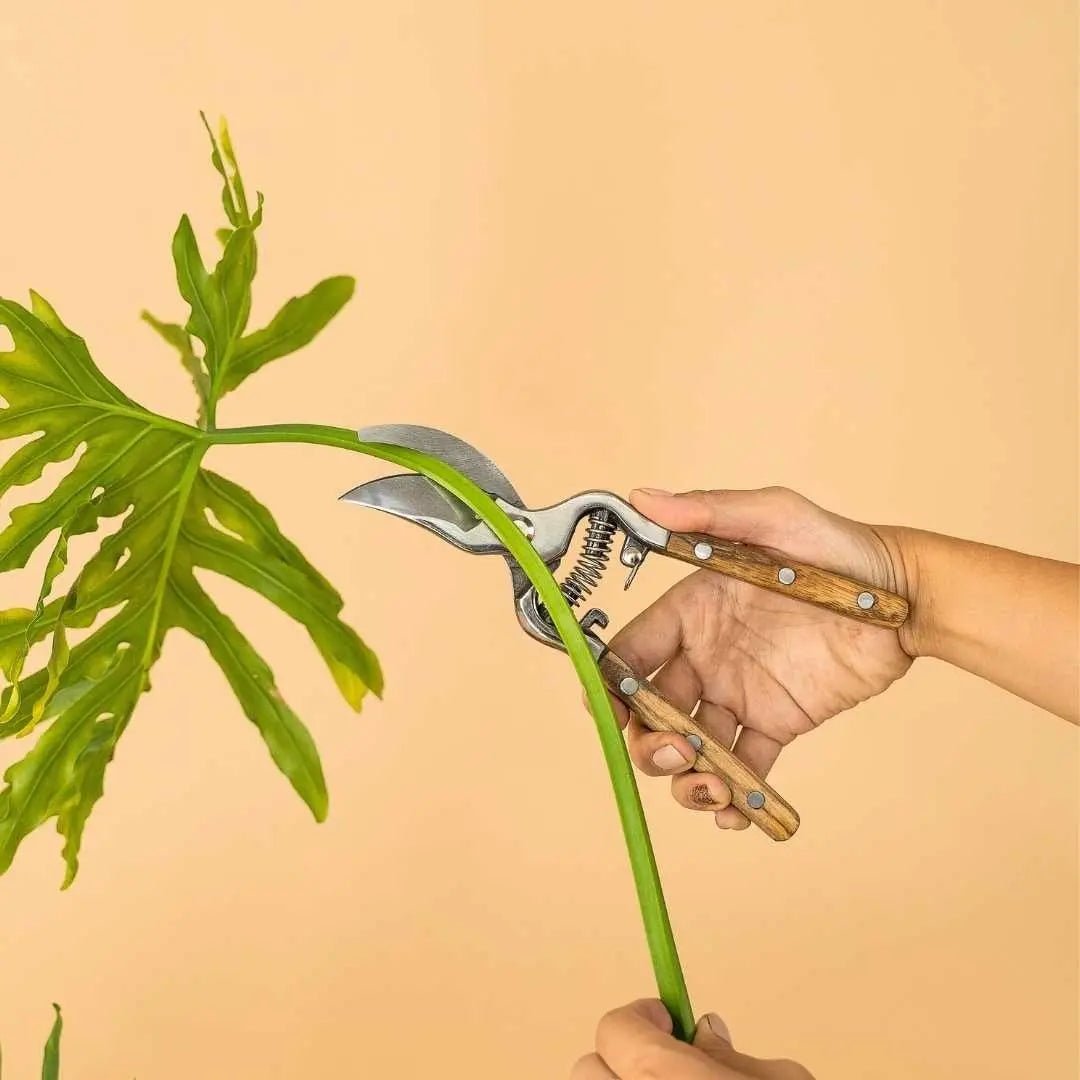
Inspecting and preparing roots: Examine the root system carefully. Healthy roots should be white to light tan and firm to the touch. Dark, mushy, or foul-smelling roots indicate rot and should be pruned away with clean, sharp scissors or pruning shears. If you remove diseased roots, allow the cuts to dry for twenty-four hours before planting, as this callusing period prevents infection and promotes healthy regrowth. Gently tease apart any circled or compacted roots to encourage outward growth in the new container.
Positioning in the container: Place a small amount of soil mix in your container's bottom, enough to position the plant at the proper height. The succulent should sit at approximately the same depth it was growing previously, with the soil line falling just below where the leaves begin. Positioning it too deep invites stem rot, while planting too shallow leaves roots exposed and vulnerable to drying out.
Filling with soil: Hold the plant in position while adding soil around the root ball. Work the soil in gently, using your fingers or a tool to eliminate air pockets without compacting the mix excessively. Fill to within half an inch of the container rim to allow adequate space for watering.
Optional finishing touch: Some growers prefer to add a top dressing of decorative gravel or small stones, which serves both aesthetic and functional purposes by preventing the lowest leaves from resting directly on moist soil.
6. Critical Post-Planting Period
The Waiting Game
The days immediately following planting are crucial for establishment. Resist the urge to water immediately after planting, a mistake made by countless well-intentioned gardeners. Any roots damaged during transplanting need time to heal, and watering freshly disturbed roots invites fungal and bacterial infections. Instead, place your newly planted succulent in bright, indirect light and wait three to seven days before the first watering.
This waiting period allows damaged root tissues to form protective calluses that prevent infection. The plant's water-storage capacity means it can easily survive this brief dry period without stress.
First Watering
When you do provide that first watering, do so thoroughly. Water should flow freely from the drainage holes, ensuring the entire root zone is moistened. Then allow the soil to dry completely before watering again. The "soak and dry" method is fundamental to succulent care and begins immediately after planting. This approach mimics the natural rainfall patterns in their native habitats and promotes healthy root development.
7. Light Acclimation
Why Acclimation Matters
Even sun-loving succulents require gradual introduction to direct sunlight after the stress of transplanting. Sudden exposure to intense light causes sunburn, which manifests as brown or white patches on leaves and represents permanent tissue damage that will not heal.
The Acclimation Schedule
Begin by placing your succulent in bright, indirect light for the first week. This might be near a sunny window but not in the direct beam, or outdoors in a location that receives filtered sunlight through tree canopy or shade cloth. After this initial period, gradually increase light exposure over two to three weeks, starting with gentle morning sun which is less intense than afternoon sun.
Most succulents ultimately prefer several hours of direct morning sun, along with bright indirect light for the remainder of the day. Desert species like Agave and many Aloe varieties can tolerate full sun once properly acclimated, while forest cacti and Haworthia prefer more shaded conditions throughout their lives.
8. Establishing a Watering Routine
The Golden Rule
Water management makes or breaks succulent cultivation. These plants evolved to tolerate drought, not constant moisture. Understanding this fundamental principle will guide all your watering decisions and prevent the most common cause of succulent failure.
Growing Season Watering
During the growing season, typically spring through fall, water thoroughly when the soil has completely dried and leaves begin showing subtle signs of thirst such as slight wrinkling, less rigid texture, or inward curving of leaves. The frequency depends on numerous variables including light intensity, temperature, humidity, pot material, and soil composition. In general, this might mean watering every one to three weeks during active growth, but you must assess soil dryness rather than following a calendar schedule.
To test soil moisture, insert your finger two inches into the soil. If it feels completely dry, water thoroughly. If any moisture remains, wait several more days before checking again. When you do water, ensure that water flows freely from the drainage holes, indicating complete saturation of the root zone. Empty any water that collects in saucers beneath pots, as standing water can lead to root rot even with well-draining soil.
Winter Dormancy Watering
During winter dormancy, most succulents require significantly less water. Some varieties need no water at all for months, while others benefit from light watering once monthly just to prevent excessive root desiccation. Observe your specific plants for guidance, as some succulents are winter growers and require normal watering during cold months while entering dormancy during summer heat.
9. Long-Term Success Factors
Temperature Management
Temperature preferences vary by species, but most common succulents thrive in temperatures between 60-80°F and tolerate brief exposures down to 40°F without damage. Freezing temperatures are lethal to most species except cold-hardy varieties like certain Sempervivum and Sedum, which have evolved to survive harsh alpine conditions.
Fertilization Guidelines
Fertilization should be minimal with succulents. Apply fertilizer only during the growing season and at half the recommended strength for typical houseplants. Excess fertility causes weak, elongated growth and reduces the plant's natural stress tolerance. A balanced fertilizer with equal nitrogen, phosphorus, and potassium ratios works well, applied monthly or less frequently depending on the specific plant's growth rate and vigor.
When to Repot
Watch for signs that repotting is needed, including roots emerging from drainage holes, water running straight through without absorption indicating the soil has broken down, or severely slowed growth despite adequate care. Most succulents benefit from repotting every two to three years, providing an opportunity to refresh the soil mix and inspect root health for any developing problems. The best time for repotting is early in the growing season when the plant can quickly recover from any transplant stress.
10. Quick Reference Summary
Essential Practices
Success with succulents requires using well-draining soil mix, choosing containers with drainage holes, waiting 3-7 days after planting before first watering, and watering thoroughly only when soil is completely dry. Acclimate plants gradually to direct sunlight, use terracotta pots when possible for their breathing properties, inspect plants regularly for pests and problems, and provide good air circulation around all plants.
Common Mistakes to Avoid
Never use standard potting soil alone without amendments, don't water on a fixed schedule regardless of soil moisture, never water immediately after planting, and don't leave plants sitting in standing water. Avoid exposing newly planted succulents to full sun, resist the temptation to over-fertilize, don't plant in oversized containers that hold excessive moisture, and never ignore signs of stress or disease hoping they'll resolve on their own.
Conclusion
Planting succulents successfully requires understanding their unique biological needs and resisting the urge to treat them like typical houseplants. With proper soil composition, appropriate containers, careful planting technique, and restrained watering practices, these remarkable plants will reward you with years of striking beauty and minimal maintenance demands. For quality plant supplies, you can find everything you need to start your succulent journey.
The key principle to remember is that with succulents, less is almost always more. Less water, less fertilizer, less intervention. By respecting their evolutionary adaptations and providing conditions that mirror their native habitats, you'll discover why succulents have become one of the most beloved plant families in modern horticulture.
Success comes from understanding that these plants are designed to survive drought and neglect far better than they tolerate excessive care. Trust the process, exercise patience during the establishment period, and let your succulents thrive in the conditions they've evolved over millennia to master. With these principles as your foundation, you'll enjoy healthy, beautiful succulents for years to come. For additional succulent care tips, you can find comprehensive guidance and expert advice.