



















The Complete Guide to Buying Plants Online in Singapore | Tumbleweed Plants Singapore
Posted on April 10 2026
In this article

Buying plants online has become the default for many Singapore plant owners. The convenience is compelling — browse hundreds of options from your sofa, compare prices across sellers, and have plants delivered to your door. No driving to Thomson Road, no parking struggles, no melting in 32°C heat while carrying a Monstera to the car.
But online plant shopping also means you cannot inspect the plant before purchase. You are trusting the seller's photos, descriptions, and packaging. Getting it right requires knowing what to look for — and what to avoid.
Where to Buy Plants Online in Singapore
Dedicated Plant Shops (Online)
Established plant businesses with their own websites. These typically offer:
- Curated selections of quality plants
- Consistent photography and accurate descriptions
- Proper packaging and delivery logistics
- Return or replacement policies
- Care guidance included with each plant
Advantages: Reliability, quality control, customer service.
Trade-off: Often higher prices than marketplace sellers.
Shopee and Lazada
The major marketplaces have extensive plant sections with hundreds of sellers ranging from large nurseries to individual hobbyists.
Advantages: Widest selection, competitive pricing, frequent promotions, buyer protection.
Trade-off: Quality varies dramatically between sellers. Photos may not represent the actual plant shipped.
Carousell
Singapore's resale platform has an active plant section. Sellers are typically individual collectors and hobbyists.
Advantages: Unique and rare plants, negotiable prices, direct communication with sellers.
Trade-off: No formal buyer protection. Quality depends entirely on the individual seller.
Instagram and Telegram
Many Singapore nurseries and plant sellers operate primarily through Instagram and Telegram, announcing new stock drops and taking orders via direct message.
Advantages: First access to rare plants, direct relationship with the seller, community atmosphere.
Trade-off: No formal marketplace protection. Payment is often via PayNow before seeing the plant.
What to Look For When Shopping Online

Photos
Good signs:
- Multiple angles (front, top, side)
- Close-ups of leaves and stems
- Photos of the actual plant being sold (not a stock image)
- Consistent, natural lighting that shows true colour
- Size reference (a hand, ruler, or common object for scale)
Red flags:
- Single photo or only one angle
- Stock photos or heavily filtered images
- Photos that do not match the species description
- No size reference (a "large" plant might be 15cm)
Descriptions
Good signs:
- Scientific name and common name
- Actual pot size (in cm)
- Plant height or spread measurement
- Number of leaves or stems
- Honest condition notes ("minor imperfections," "acclimating")
- Care requirements
Red flags:
- Vague descriptions ("beautiful plant," "healthy and lush")
- No measurements
- No species identification
- Exaggerated health claims
Seller Reputation
Check:
- Ratings and reviews (look for reviews with photos)
- Number of completed sales
- Response rate and speed
- How they handle complaints (read negative reviews carefully)
- Instagram presence (shows their plants, facility, and packaging)
Pricing
Reality check:
- If the price seems too good to be true, the plant may be smaller, less healthy, or a different species than advertised
- Compare prices across 3-4 sellers for the same species and size
- Factor in delivery costs — a cheap plant with expensive delivery may not be a bargain
Delivery Considerations
Timing
Best delivery times:
- Morning deliveries (before the heat peaks) are safest
- Avoid deliveries during the hottest part of the day (12-3pm)
- Weekday mornings are ideal — you are more likely to receive the package promptly
Worst case: A plant sitting in a delivery van or at a collection point in 35°C heat for hours. This can cause severe stress, leaf burn, or even death for sensitive species.
Packaging
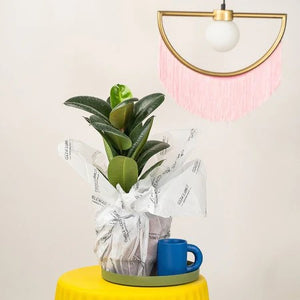
Good packaging includes:
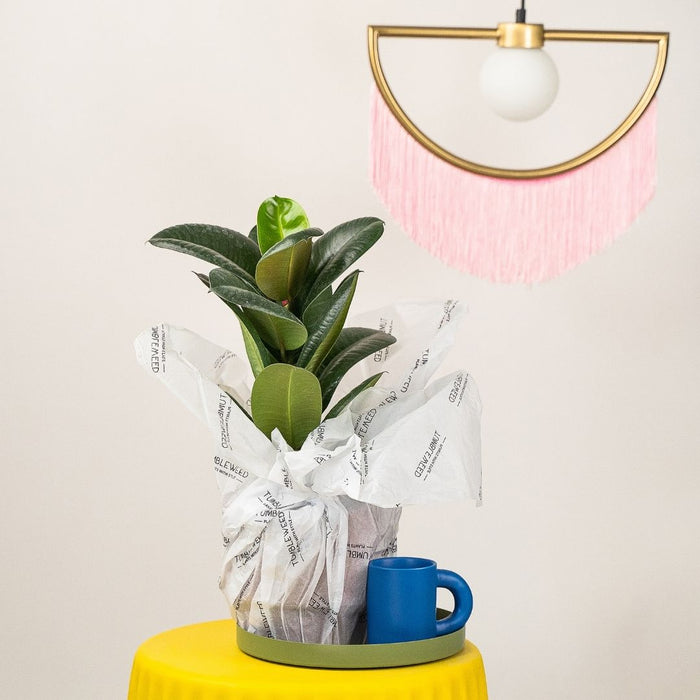
- Newspaper or tissue wrapped around the pot to secure soil
- The pot secured upright (not on its side) in the delivery box
- Paper or padding around the plant to prevent leaf damage
- Adequate box size — the plant should not be crushed
- For hot weather: insulated packaging or cool packs
Red flags:
- Plant shipped loosely in a bag
- No soil protection (soil spilling everywhere)
- Plant crammed into an undersized box
- No cushioning around leaves
What to Do Immediately After Delivery
- Unbox carefully. Remove packaging gently to avoid breaking leaves or stems.
- Inspect the plant. Check for damage (broken stems, crushed leaves), pest signs, and overall health.
- Document any issues. Photograph damage immediately — you may need evidence for a replacement claim.
- Water if dry. The soil may have dried during transit. Give a light watering if the soil feels dry.
- Place in a suitable location. Not direct sun — give the plant a few days in a shaded, stable environment to recover from shipping stress.
Acclimating Online Purchases

Plants shipped online have experienced stress — darkness inside a box, temperature fluctuations, physical jostling. Give them time to recover.
Week 1-2: Recovery Period
- Place in medium indirect light (not bright, not dark)
- Water normally when soil dries
- Do not fertilise
- Do not repot
- Expect some leaf yellowing or drop — this is normal stress response
- Do not panic and change conditions constantly
Week 2-4: Acclimation
- Gradually move to the plant's preferred light level
- Maintain normal watering
- Monitor for pests (shipping stress can make plants more susceptible)
- New growth indicates successful acclimation
After 4 Weeks: Normal Care
- The plant has adjusted to your home conditions
- Resume normal care routine including fertilising
- Repot if needed (but only if the plant is healthy and showing new growth)
Returns and Replacements
Before purchasing, check the seller's policy on:
- Dead-on-arrival plants
- Plants that arrive damaged
- Plants that do not match the description
- Time limits for claims (usually 24-48 hours)
- Photo documentation requirements
Tips:
- Photograph the plant immediately upon opening
- Contact the seller within the stated timeframe
- Be specific about the issue (broken stem, pest infestation, wrong species)
- Good sellers will offer replacement or refund without excessive friction
When to Buy In-Person Instead
Some purchases are better made in person:
- Large, expensive plants — inspect before committing $100+
- Rare or collector plants — verify authenticity and condition in person
- Plants you have never owned — see the actual size and form before buying
- Pots and planters — colour and texture are hard to judge from photos
Shop Online With Confidence
Browse our indoor plant collection for plants photographed honestly, described accurately, and packaged with care. Every plant is inspected before shipping, delivered across Singapore, and backed by our quality guarantee.
Online plant shopping in Singapore is convenient, varied, and — with the right knowledge — reliable. The key is treating it like any other considered purchase: research the seller, read the reviews, understand what you are buying, and know what to do when the plant arrives. Do that, and the convenience of doorstep delivery comes without the risk of disappointment.
Quick summary
Key Takeaways
- Where to Buy Plants Online in Singapore
- What to Look For When Shopping Online
- Delivery Considerations
- Acclimating Online Purchases
- Returns and Replacements
- When to Buy In-Person Instead
Ready to bring some green into your home?
Browse 250+ hand-picked plants, curated for Singapore homes — delivered to your door.
Browse All Plants →









Comments
0 Comments
Leave a Comment