















Understanding Plant Light Requirements | Tumbleweed Plants Singapore
Posted on April 10 2026
In this article

Every plant care guide uses the same terms: "bright indirect light," "medium light," "low light." But what do these actually mean? How bright is "bright"? How indirect is "indirect"? And most importantly, how do you figure out which category your specific room, corner, or shelf falls into?
Light is the most critical factor in plant success — more important than watering, soil, or fertiliser. A plant in the right light tolerates watering mistakes. A plant in the wrong light struggles no matter how perfectly you water it. Understanding light is understanding how to match the right plant to the right spot in your home.
The Light Spectrum: What Plants Need
Plants use light for photosynthesis — converting light energy into the sugars they need to grow. They primarily use blue light (400-500nm) for leaf growth and red light (600-700nm) for flowering and overall energy. Full-spectrum white light (which includes all wavelengths) is what they receive from the sun and from most artificial lights.
Key insight: Plants care about light intensity (how bright) and duration (how many hours), not just whether light is "on" or "off." A room that feels well-lit to human eyes may be far too dim for a light-loving plant.
Defining Light Levels

Bright Direct Light
What it means: Unfiltered sunlight hitting the plant directly. The sun's rays are visible on the leaves. If you place your hand between the plant and the light source, a sharp, defined shadow falls on the plant.
Where in a Singapore home: Directly in front of unobstructed east, west, or north-facing windows. Balconies. Any spot where the sun hits the plant for part of the day.
Singapore-specific note: Singapore's equatorial sun is significantly more intense than temperate sun. "Full sun" here can mean 100,000+ lux at midday — strong enough to scorch many houseplants. Morning direct sun (east-facing) is gentler than afternoon direct sun (west-facing).
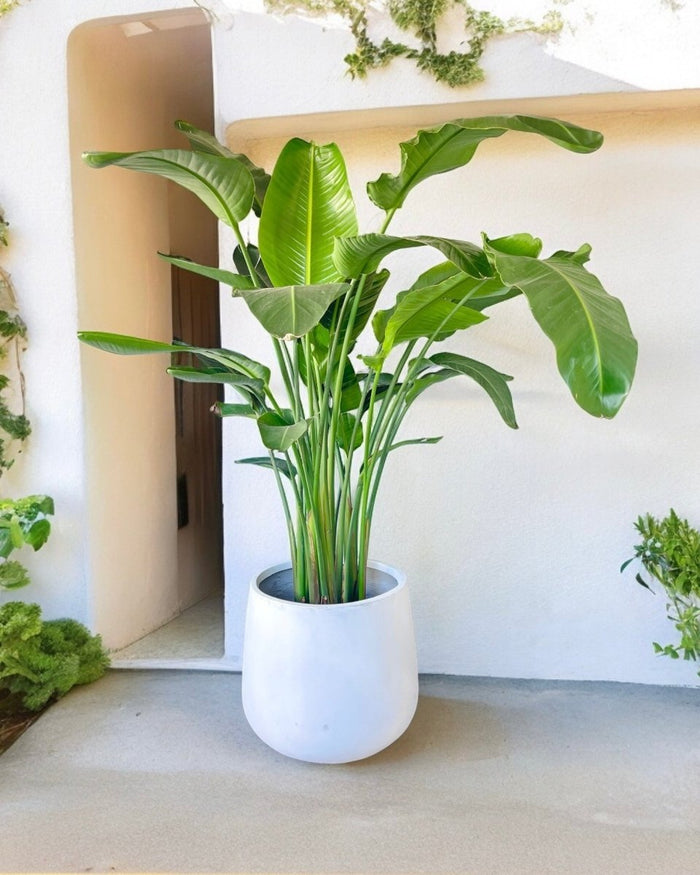
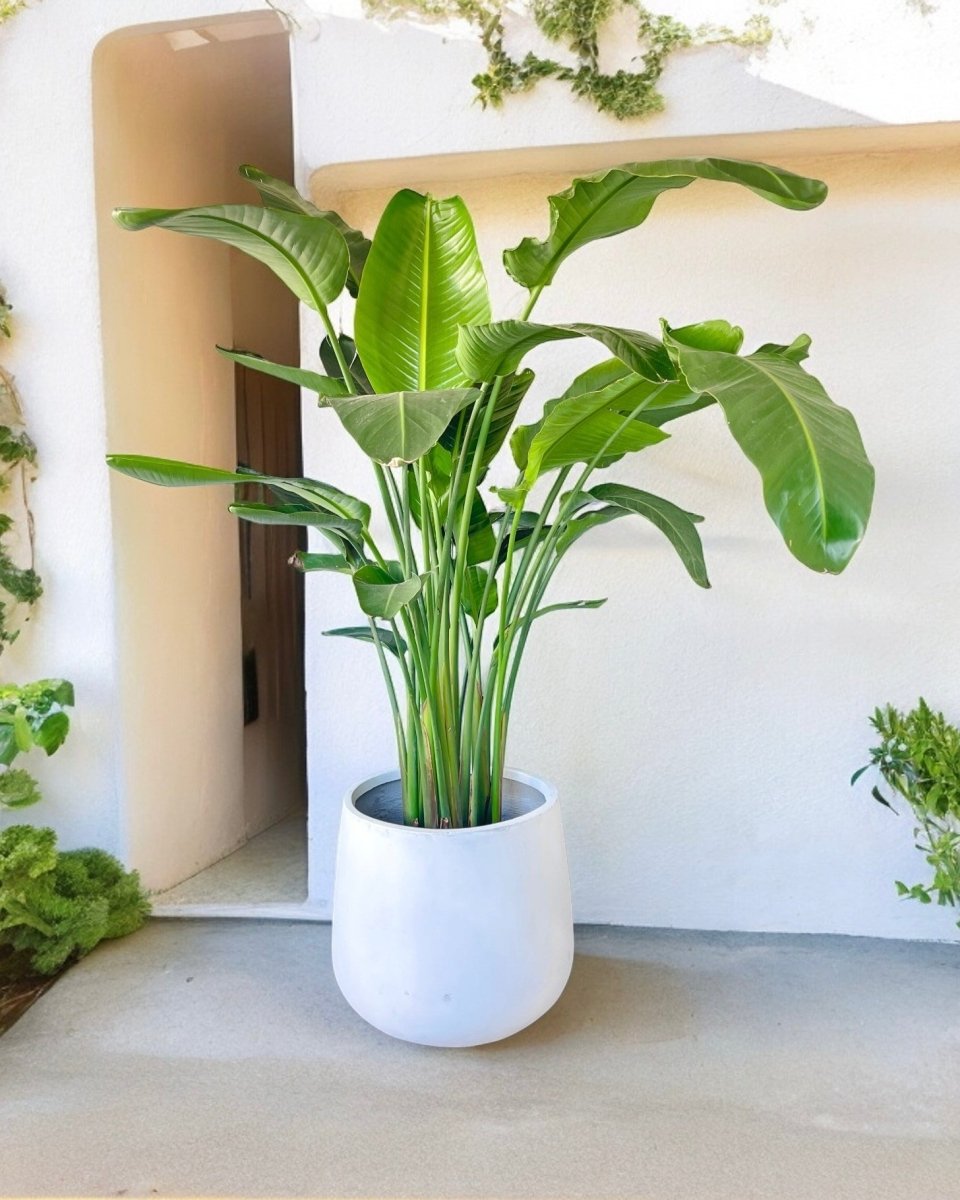
Good for: Succulents, cacti, herbs, Bird of Paradise, some Hoya species.
Avoid for: Most tropical foliage plants, ferns, Calathea.
Bright Indirect Light
What it means: Bright light that does not hit the plant directly. The room is well-lit, you can easily read a book without additional lighting, and a shadow cast by your hand is soft-edged but clearly visible.
Where in a Singapore home:
- Within 1-2 metres of a bright window, but not in the direct sun path
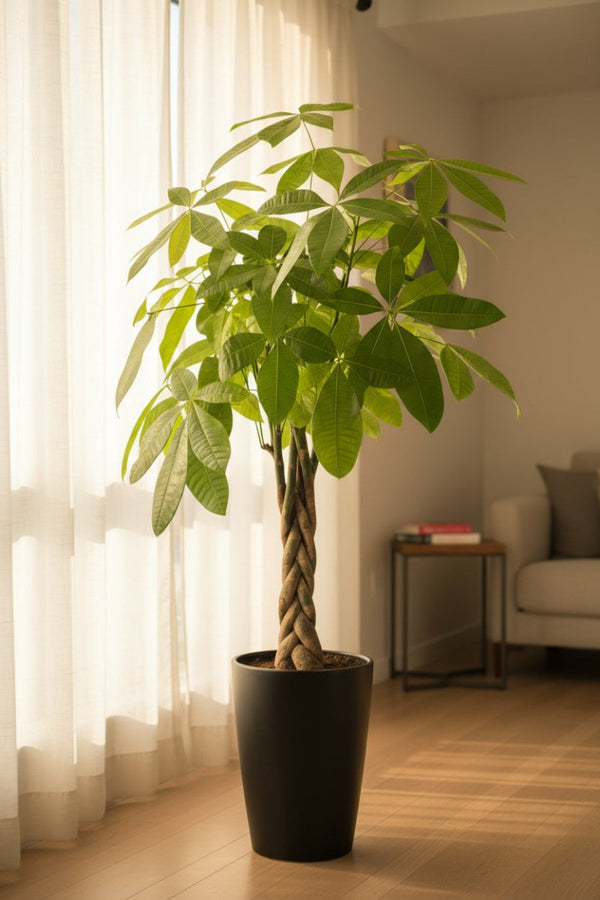
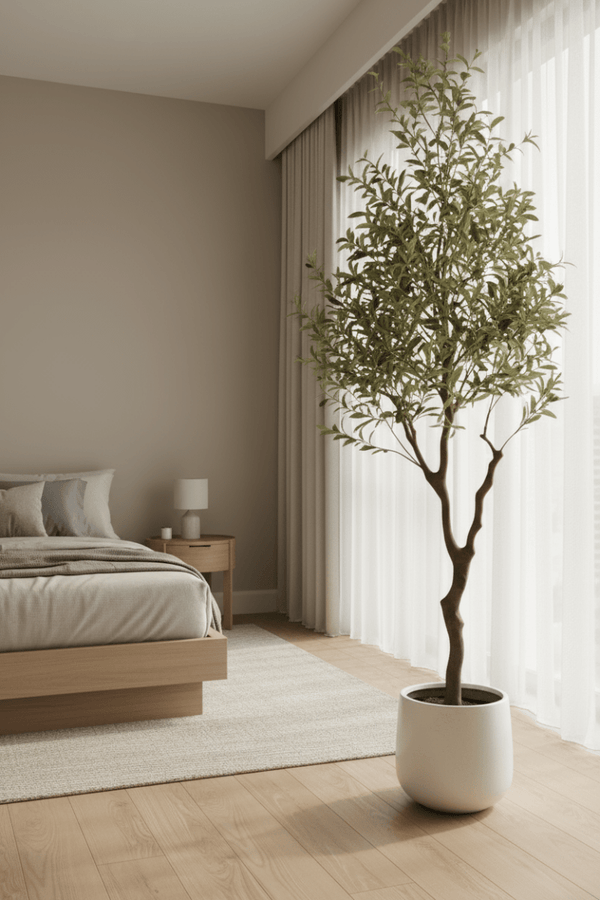
- Behind a sheer curtain that filters direct sun
- In a well-lit room with large windows, slightly off to the side
Light level: Approximately 10,000-25,000 lux. Enough for most houseplants to thrive.
Good for: Monstera, Philodendron, Fiddle Leaf Fig, Rubber Plant, Aglaonema, Pothos, most houseplants.
This is the sweet spot. If you can provide bright indirect light, you can grow almost any common houseplant.
Medium Indirect Light
What it means: The room receives natural light but the plant is not near a window. You can read comfortably but may want additional light on cloudy days. A hand shadow is visible but very soft and diffused.
Where in a Singapore home:
- 2-3 metres from a window
- In the centre of an open-plan living/dining area
- In a room with a single window, away from the window wall
- Near a window that faces a neighbouring building (reflected, reduced light)
Light level: Approximately 2,500-10,000 lux.
Good for: Pothos, Aglaonema, Peace Lily, Philodendron, Spider Plant, Dracaena, Calathea.
Low Light
What it means: Dim conditions. You would need to turn on a light to read comfortably during the day. No direct sun reaches this area. Hand shadows are barely visible or non-existent.
Where in a Singapore home:
- Internal rooms with no windows (bathrooms, storerooms, some bedrooms)
- Corridors and entrance foyers
- Corners far from windows
- Rooms with small or north-facing windows that are blocked by buildings
Light level: Below 2,500 lux.
Good for: Snake Plant, ZZ Plant, Cast Iron Plant, Pothos (survives, does not thrive).
Important: Very few plants actually thrive in low light. Most "low-light tolerant" plants survive but grow slowly, produce smaller leaves, and may become leggy. No plant can survive in zero light indefinitely — even the toughest species need some light.
How to Measure Light at Home
The Shadow Test
Hold your hand 30cm above a white surface (table or paper) between the plant location and the light source:
- Sharp, defined shadow: Bright light
- Soft but visible shadow: Medium light
- Faint, barely visible shadow: Low light
- No shadow: Very low light (most plants will struggle)
The Lux Meter (Most Accurate)
Use a lux meter app on your smartphone (many free options exist):
- 500-2,500 lux: Low light
- 2,500-10,000 lux: Medium light
- 10,000-25,000 lux: Bright indirect light
- 25,000+ lux: Direct sun or very bright conditions
Measure at different times of day — light levels change significantly from morning to afternoon.
The Reading Test
If you can comfortably read a book in natural light at the plant's location:
- Easily, all day: Bright light
- Comfortably in the morning, dimmer in the afternoon: Medium light
- You'd prefer to turn on a lamp: Low light
- You need a lamp to read: Very low light
Light Changes Through the Day

Light in any location changes throughout the day:
- Morning (7-10am): East-facing windows receive direct gentle sun. Other orientations receive ambient light.
- Midday (11am-2pm): Light intensity peaks. Overhead sun means less direct light through vertical windows.
- Afternoon (2-5pm): West-facing windows receive intense direct sun. This is the most damaging period for sensitive plants.
- Evening (5-7pm): Light fades. Supplemental artificial light can extend the light period for plants.
Tip: Observe your chosen plant location at 3-4 different times during a day before deciding it is suitable. A spot that seems bright at 9am may be dim by 2pm.
Improving Light in Dark Rooms
If your ideal plant spot has insufficient light:
Move the plant closer to the window. Even 30cm closer can make a significant difference.
Clean the windows. Dirty windows in Singapore (where dust and pollution film accumulates) can reduce light transmission by 10-20%.
Use mirrors. A mirror opposite a window reflects light deeper into the room.
Use grow lights. A simple LED grow light on a timer provides supplemental light for plants in dark rooms. Modern full-spectrum LED grow lights look like normal room lighting.
Choose the right plant. Rather than fighting the light conditions, select a plant that is genuinely happy in whatever light you have.
Shop Plants by Light Level

Browse our indoor plant collection for plants suited to every light condition in your Singapore home. From shade-tolerant Snake Plants to sun-loving succulents, we deliver healthy plants across Singapore.
Light is not complicated once you learn to read it. A bright room feels different from a dim one — and your hands, your eyes, and a free smartphone app can tell you exactly what category your space falls into. Match the plant to the light, and everything else — watering, growth, health — follows naturally. Get the light wrong, and nothing else you do will compensate.
Quick summary
Key Takeaways
- The Light Spectrum: What Plants Need
- Defining Light Levels
- How to Measure Light at Home
- Light Changes Through the Day
- Improving Light in Dark Rooms
- Shop Plants by Light Level
Ready to bring some green into your home?
Browse 250+ hand-picked plants, curated for Singapore homes — delivered to your door.
Browse All Plants →