














Understanding Plant Light Requirements in Singapore
Posted on April 09 2026
In this article

Light is the single most important factor in indoor plant health — more important than watering, soil, or fertiliser. A plant in perfect soil with a flawless watering routine will still decline if it does not receive enough light. Conversely, a plant in adequate light can tolerate imperfect watering and still thrive.
Yet light is also the most misunderstood aspect of indoor plant care. What does "bright indirect light" actually mean in a Singapore HDB? How do you know if your bedroom window provides "medium light" or "low light"? And why do plant labels use such vague language?
This guide cuts through the confusion with practical, Singapore-specific advice.
The Three Categories of Indoor Light
Plant care guides typically describe light in three broad categories. Here is what each actually means in a Singapore home:
Direct Light
Definition: Unfiltered sunlight hitting the plant's leaves directly. You can see a sharp, defined shadow of the plant on the wall or floor.
In a Singapore HDB/condo: The area within 30 centimetres of a window that faces east (morning sun), west (afternoon sun), or receives unobstructed sky exposure. If you can feel warmth from the sun on the back of your hand when you hold it where the plant sits, that is direct light.
Which plants need it:
- Succulents and cacti
- Most herbs (basil, chilli, mint)
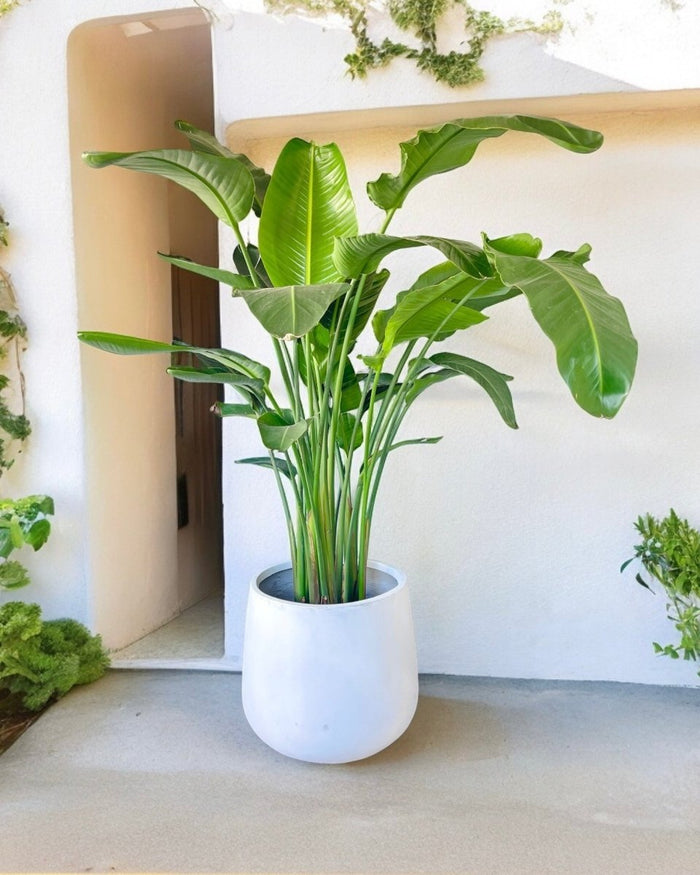
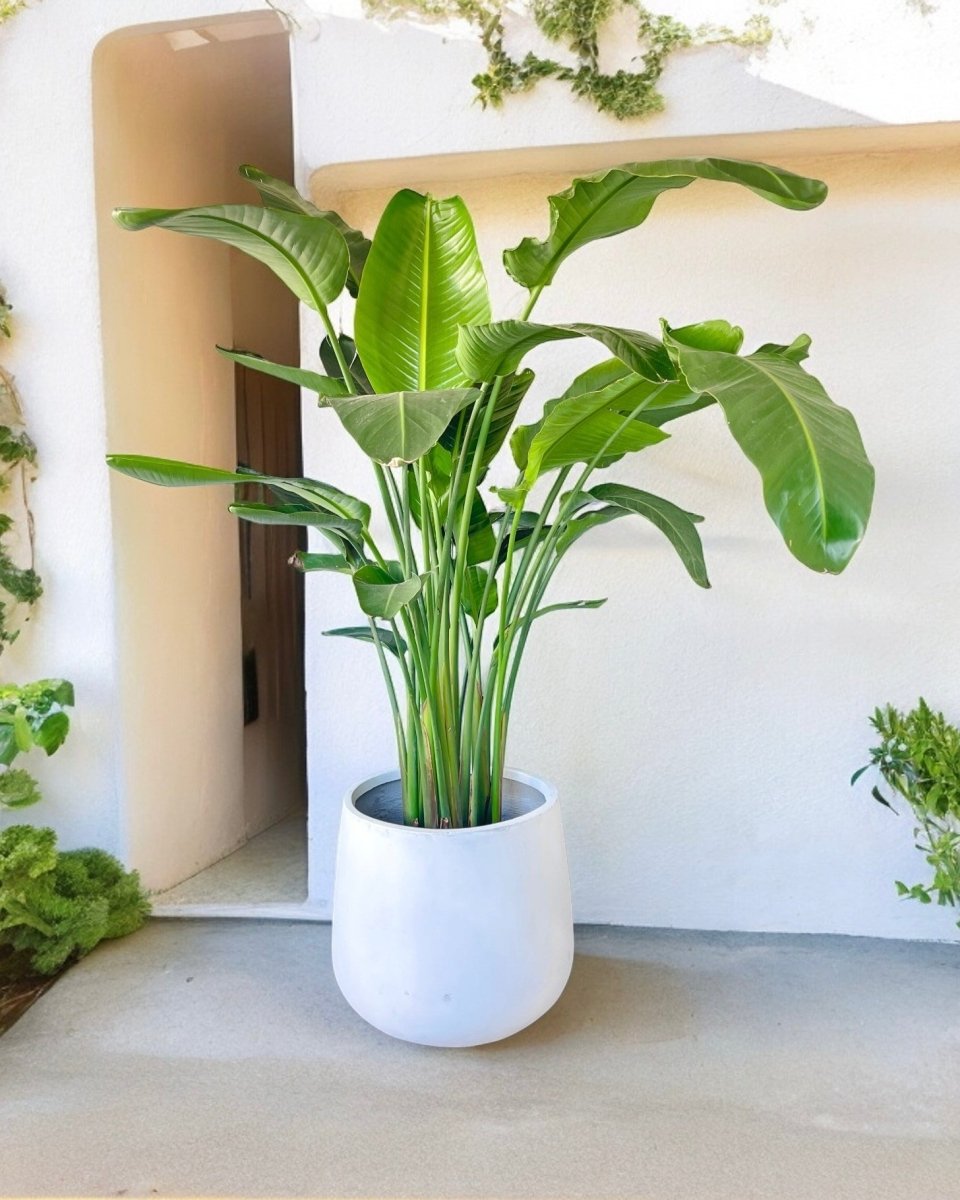
- Bird of Paradise (tolerates, even prefers some direct light)
- Adenium (Desert Rose)
Caution: In Singapore, direct afternoon sun (west-facing windows between 1pm and 5pm) is intense enough to scorch most foliage plants. Even sun-loving plants benefit from sheer curtains during peak afternoon hours.
Bright Indirect Light
Definition: Strong, ambient light that does not hit the plant directly. No harsh shadows — the plant casts a soft, diffused shadow. The room feels well-lit without sunbeams touching the foliage.
In a Singapore HDB/condo:
- Within one to two metres of an east-facing or north-facing window
- Near a window with sheer curtains or frosted glass
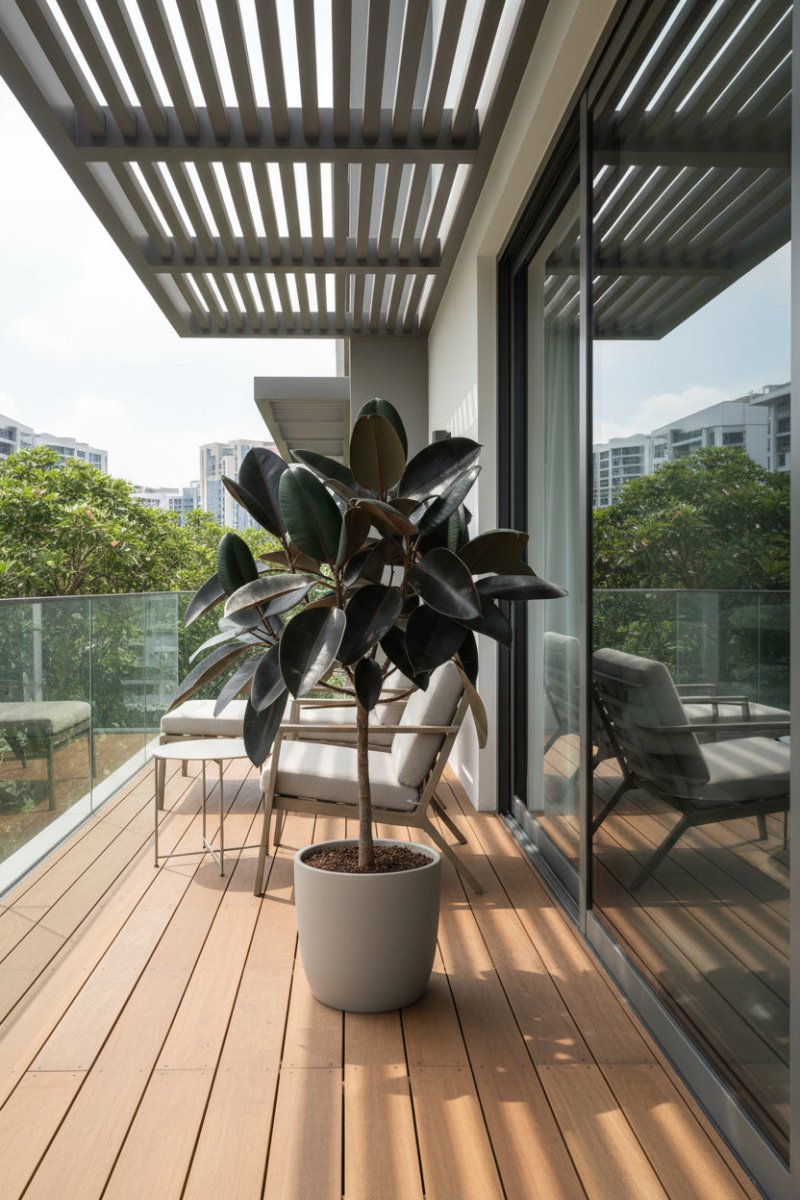
- Beside a balcony sliding door (the overhang filters direct sun)
- In a well-lit living room with large windows, even two to three metres away
Which plants need it:
- Monstera
- Philodendron (especially variegated types)
- Calathea
- Fiddle Leaf Fig
- Alocasia
- Most ferns
- Rubber Plant (variegated varieties)
This is the "Goldilocks zone" for the majority of popular houseplants. If your home has one spot with bright indirect light, put your most demanding plant there.
Low Light
Definition: The plant receives ambient light but no direct sun. Shadows are faint or absent. The room is comfortable for reading without a lamp during the day, but you would not call it "bright."
In a Singapore HDB/condo:
- Interior rooms with no windows but an open doorway to a lit room
- Hallways and corridors
- The far side of a room from the window (three or more metres away)
- Rooms facing the airwell or service corridor with small windows
- Bomb shelters with the door left open
Which plants tolerate it:
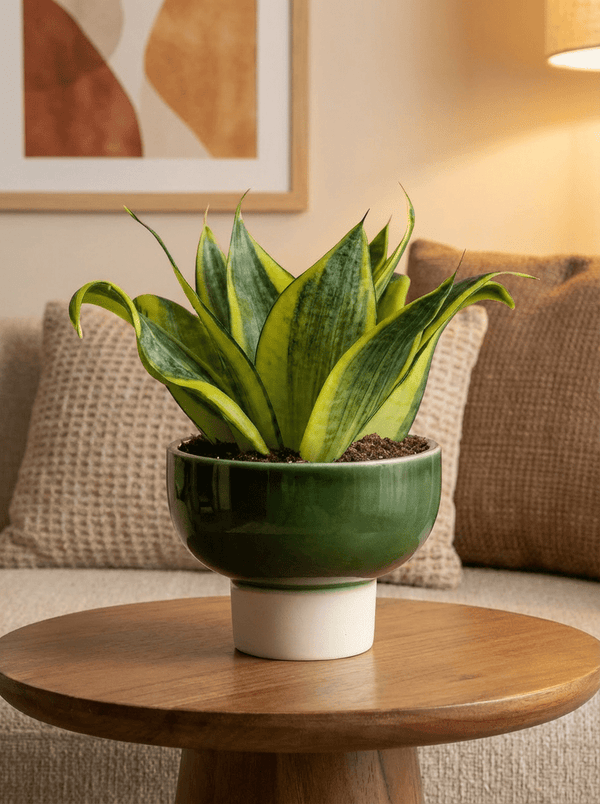
- Snake Plant (Sansevieria)
- ZZ Plant
- Pothos (will grow, but slower and with smaller leaves)
- Aglaonema (green varieties)
- Peace Lily (will survive but may not flower)
- Cast Iron Plant (Aspidistra)
Important: "Low light tolerant" does not mean "no light." Every plant needs some light to survive. A windowless bathroom with the door closed is not low light — it is darkness, and no plant will thrive there long-term without grow lights.
How to Assess Your Home's Light

The Shadow Test
Hold your hand about 30 centimetres above a white surface in the spot where you want to place a plant:
- Sharp, well-defined shadow = direct light
- Soft shadow with blurry edges = bright indirect light
- Barely visible shadow = low light
- No shadow at all = insufficient light for most plants
Perform this test at the brightest time of day (typically 10am to 2pm in Singapore) for the most accurate reading.
The Newspaper Test
Can you comfortably read a newspaper or book in the spot without turning on a lamp? If yes during midday, the spot has at least medium light. If you need a lamp, it is genuinely low light.
Using a Light Meter App
Smartphone apps like "Lux Light Meter" measure light intensity in lux. While not as accurate as professional meters, they give a useful ballpark:
| Lux Reading | Light Category | Suitable Plants |
|---|---|---|
| 10,000+ | Direct light | Succulents, cacti, herbs |
| 5,000-10,000 | Bright indirect | Monstera, Philodendron, Calathea |
| 1,000-5,000 | Medium indirect | Pothos, Aglaonema, ferns |
| 500-1,000 | Low light | Snake Plant, ZZ Plant |
| Below 500 | Very low | Grow lights recommended |
Tip: Take readings at multiple times of day. A spot that reads 8,000 lux at 10am might drop to 1,000 lux by 3pm as the sun moves.
Singapore-Specific Light Factors
HDB Orientation
The direction your unit faces significantly affects available light:
- North-facing units receive consistent, gentle light throughout the day — ideal for most foliage plants
- East-facing units get bright morning sun and shade in the afternoon — excellent for most houseplants
- West-facing units receive intense afternoon sun that can scorch sensitive plants — use sheer curtains
- South-facing units in Singapore (near the equator) can receive strong light for much of the day
High-Rise Effects
Singapore's high-rise living has unique implications for light:
- Higher floors receive more unobstructed light because fewer buildings block the sky
- Lower floors may be shaded by adjacent blocks, especially in dense HDB estates
- Corridor units receive light primarily from the front (living room) and back (kitchen/service yard), with bedrooms along the corridor receiving minimal natural light
The Corridor and Common Corridor
The internal corridor of an HDB flat is typically the lowest-light zone. Plants here need to be true low-light champions or rotate to brighter spots every few weeks.
The common corridor outside your unit may actually receive decent light depending on your floor and orientation. If you have permission to place plants there, it can be an excellent spot for sun-loving varieties.
Air Wells and Light Wells
Some HDB and condo designs include air wells or light wells — vertical shafts that bring light to interior rooms. These provide surprisingly good indirect light, especially on lower floors where the light well channels reflected light downward.
Supplementing with Grow Lights

When natural light is insufficient, grow lights bridge the gap. Modern LED grow lights are energy-efficient, emit minimal heat, and come in designs that blend with home decor.
Types of Grow Lights
Full-spectrum LED panels — The most versatile option. Mount above plants or on a shelf. Available in white light (4000K-6500K) that looks natural in a living space.
LED light strips — Mount under shelves to illuminate plants below. Low-profile and discreet. Good for bookshelf plant displays.
Clip-on grow lamps — Attach to shelf edges or desk surfaces. Adjustable gooseneck designs let you direct light precisely.
Floor-standing grow lamps — Double as design statement pieces. Place beside a plant corner or reading nook.
How Long to Run Grow Lights
Most houseplants need 10 to 14 hours of supplemental light per day. Use a plug-in timer to automate the schedule. Running lights during daytime hours (7am to 9pm) maintains a natural day-night cycle for the plant.
Distance from Plants
- LED panels: 30 to 60 centimetres above the foliage
- Clip-on lamps: 20 to 40 centimetres from the leaves
- Closer placement increases light intensity but also heat — monitor leaf temperature
Moving Plants and Light Adjustment
When you move a plant from a lower-light spot to a brighter one (or vice versa), do it gradually over one to two weeks. Sudden light changes stress plants:
- Low to bright: Move the plant progressively closer to the window over several days. Direct exposure after being in shade can cause sunburn (yes, plants get sunburn — it appears as white or brown bleached patches on leaves).
- Bright to low: This transition is less stressful, but the plant may drop some leaves as it adjusts to reduced photosynthesis capacity.
Matching Plants to Your Space

The easiest approach is to assess the light in each room first, then choose plants that match:
| Room / Area | Typical Light Level | Recommended Plants |
|---|---|---|
| Living room (near window) | Bright indirect | Monstera, Calathea, Fiddle Leaf Fig |
| Living room (far from window) | Medium | Pothos, Aglaonema, Peace Lily |
| Bedroom | Medium to low | Snake Plant, ZZ Plant, Philodendron |
| Kitchen (window ledge) | Bright (possibly direct) | Herbs, Aloe Vera, succulents |
| Bathroom | Low to medium | Ferns, Pothos, Spider Plant |
| Corridor / hallway | Low | Snake Plant, ZZ Plant, Cast Iron Plant |
| Balcony | Direct to bright indirect | Outdoor tropicals, herbs, succulents |
Shop by Light Requirements
Not sure what suits your space? Browse our full collection of indoor plants — each product page includes detailed light requirements tailored to Singapore conditions. Whether you have a sun-drenched balcony or a corridor that never sees direct sun, there is a plant that will thrive there.
Understanding light is the foundation of successful indoor gardening. Once you know what your space offers and what your plants need, everything else — watering, feeding, placement — falls into place naturally.
Quick summary
Key Takeaways
- The Three Categories of Indoor Light
- How to Assess Your Home's Light
- Singapore-Specific Light Factors
- Supplementing with Grow Lights
- Moving Plants and Light Adjustment
- Matching Plants to Your Space
Ready to bring some green into your home?
Browse 250+ hand-picked plants, curated for Singapore homes — delivered to your door.
Browse All Plants →