












How to Build a Terrarium: A Step-by-Step Guide for Beginners
Posted on April 16 2026
In this article

Thumbnail image: 1200×628px — a beautiful closed glass terrarium with lush tropical moss, fittonia, and a tiny fern on a rattan tray in a Singapore home; text overlay: "How to Build a Terrarium — Singapore DIY Guide"
---
![Hero image: A stunning finished glass terrarium on a timber shelf in a Singapore HDB home — lush tropical moss, bright green fittonia, and a miniature fern inside. Warm natural light from a nearby window. Alt: DIY terrarium in a Singapore HDB home — Tumbleweed Plants terrarium guide.]
A terrarium is one of the most satisfying plant projects you can take on. In a few hours, you build a self-contained living ecosystem — a miniature landscape that requires almost no maintenance once established. Closed terrariums can go weeks or months without watering. Open terrariums become dynamic, evolving displays that change as plants grow.
Singapore is an exceptional place to build terrariums. Our tropical climate naturally provides the warmth and humidity that terrarium plants thrive in — and the year-round growing season means your terrarium will be actively growing and evolving all 12 months.
This guide covers everything you need to build your first terrarium: what type to make, what to put in it, and how to set it up.
---
Two Types of Terrariums: Open vs. Closed
The first decision is which type you're building.
Closed Terrarium (Glass Container with a Lid)
A closed terrarium creates a nearly self-contained water cycle. Moisture from the plants and soil evaporates, condenses on the glass walls, and drips back down to the soil — recycling water continuously.
In Singapore: Closed terrariums are exceptionally well-suited to our climate. The warmth accelerates the water cycle, and our natural humidity makes it easy to achieve the balanced condensation that keeps the ecosystem healthy. Once established, a well-balanced Singapore closed terrarium may need watering only a few times a year.
Best for: Humidity-loving tropical plants — mosses, ferns, nerve plants, fittonias, small calatheas
Light: Indirect — direct equatorial sun through glass in a closed container creates extreme heat
Maintenance: Very low once established
Open Terrarium (Bowl, Dish, or Unlidded Container)
An open terrarium allows moisture to escape and requires regular — though still infrequent — watering. It can support a wider range of plants.
In Singapore: Note that succulents and cacti (the most common open terrarium plants) can be challenging in Singapore's humidity. Bird's nest ferns, air plants, and compact tropical foliage plants often work better for Singapore open terrariums than the desert-style succulent arrangements common in temperate-climate guides.
Best for: Air plants, compact tropical foliage, drought-tolerant plants; adaptable plant arrangements
Maintenance: Water every 1–3 weeks depending on plant type
![Image 1: Side-by-side comparison — a lush closed tropical terrarium and a clean open terrarium with air plants on a Singapore home shelf. Alt: Closed vs. open terrarium comparison — Singapore home decor.]
---
What You'll Need

Container
Any clear glass or clear plastic container with no drainage holes works. Options:
- Glass geometric terrariums (widely available from IKEA, Daiso, and local Singapore shops)
- Large fish tanks or glass bowls
- Apothecary jars, cloches, mason jars (for smaller terrariums)
- Hanging glass globes (for air plants)
Drainage Layer
Since terrariums have no drainage holes, you need to create an internal drainage zone:
- Pebbles or gravel — 1–2 inches at the bottom
- LECA (expanded clay pebbles) — excellent drainage layer that also buffers moisture
Separation Layer (Optional but Recommended)
A thin layer of horticultural charcoal (activated carbon) placed above the drainage layer absorbs toxins, prevents bacterial growth, and keeps the terrarium smelling fresh. About 1/2 inch is sufficient.
You can also use a thin layer of fine mesh or horticultural fabric between the drainage layer and soil to prevent the layers from mixing.
Substrate (Soil)
The type of soil depends on your plants:
- Tropical/moss terrarium: A mix of potting soil + coco coir (50/50) or commercial terrarium mix
- Air plant or open display: No soil needed — use pebbles, sand, or decorative materials
Depth: at least 2–3 inches for most small plants; 4+ inches for plants with deeper root systems.
Plants
See plant recommendations by type below.
Decorative Elements (Optional)
- Decorative stones, pebbles, or sand for top dressing
- Driftwood, cork bark, or small stones as hardscape — driftwood found in Singapore craft shops works beautifully
- Miniature figurines or decorative elements
Tools
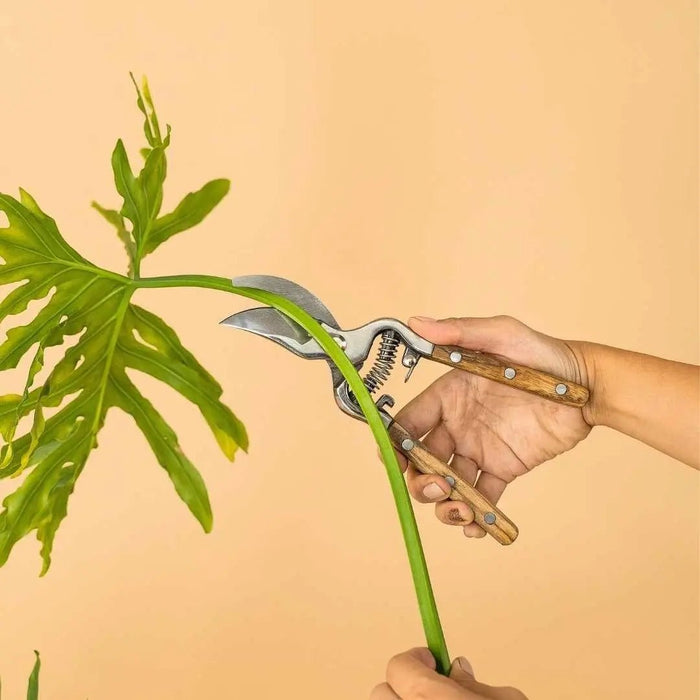
- Long tweezers or chopsticks for placing plants in narrow containers
- A small spoon or dowel for tamping soil
- A spray bottle for misting
---
Best Plants for Closed (Tropical) Terrariums in Singapore
Singapore's tropical environment means the following plants are readily available at local nurseries and through Tumbleweed Plants:
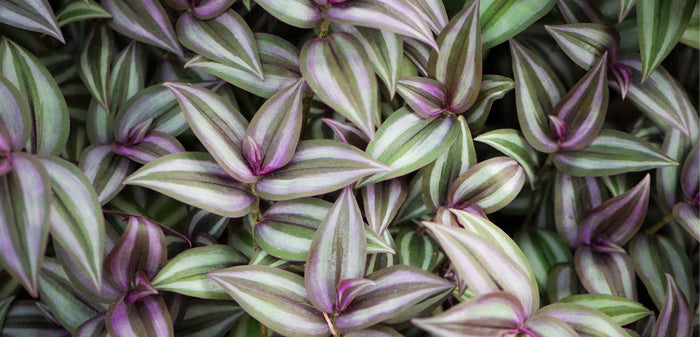
Fittonia (Nerve Plant) — Small, patterned leaves in green-and-white or green-and-red. Loves the high humidity of closed terrariums. One of the best terrarium plants available — widely found in Singapore.
Mosses — Multiple moss types work beautifully. Java moss, cushion moss, sheet moss — all thrive in enclosed high-humidity environments and provide the most naturalistic terrarium aesthetic. Singapore's climate means moss is readily available and grows vigorously.
Selaginella (Spike Moss) — Delicate, fern-like low-growing plant that loves moisture. Spreads to fill empty spaces.
Miniature Ferns — Small fern varieties (baby tears fern, button fern) thrive in terrarium humidity. Singapore's bird's nest fern babies (pups from the base) are perfect starter sizes.
Peperomia (small varieties) — Some compact peperomias adapt well to terrarium conditions. Peperomia prostrata and P. rotundifolia work particularly well.
Miniature Orchids — Small orchid species are spectacular in closed terrariums with good light. Singapore's orchid culture means these are more accessible here than almost anywhere else.
Shop terrarium plants at Tumbleweed Plants
![Image 2: Close-up of a terrarium interior — bright green fittonia, moss, and a small fern arranged artfully with a piece of driftwood. Alt: Terrarium plants close-up — fittonia, moss, and miniature fern in Singapore terrarium.]
---
Best Plants for Open Terrariums in Singapore

Air Plants (Tillandsia) — No soil needed. Display on a pebble or sand base. Soak in water for 20 minutes once a week, then drain completely upside down before returning to the display. Singapore's humidity means air plants may need less frequent soaking than temperate-climate guides suggest — watch for signs of overwatering (soft, mushy base).
Compact tropical foliage plants — Small peperomias, miniature aglaonemas, or compact calathea varieties work beautifully in open terrariums in Singapore's conditions.
Note on succulents in Singapore open terrariums: While succulents are the most common open terrarium plant in temperate countries, they're challenging in Singapore's humid climate. Choose varieties known to handle humidity (Haworthia, Gasteria) or focus on tropical plants instead.
---
Step-by-Step: Building a Closed Tropical Terrarium
Step 1: Clean the container
Wash with warm water and mild dish soap. Rinse thoroughly. A clean container prevents unwanted bacterial or fungal growth — important in Singapore's warm conditions where microbes are active year-round.
Step 2: Add the drainage layer
Pour 1–2 inches of pebbles or LECA into the bottom.
Step 3: Add charcoal layer
Sprinkle 1/2 inch of horticultural charcoal over the drainage layer.
Step 4: Add substrate
Add 2–4 inches of terrarium or potting mix on top. Mist lightly with water so it holds shape.
Step 5: Plan your arrangement
Before planting, arrange your plants (still in their nursery pots) on top of the soil layer to visualise the final layout. Consider height variation and how the plants will fill the space over time.
Step 6: Plant
Remove each plant from its nursery pot. Gently loosen the roots if they're tightly bound. Use long tweezers or your fingers to create a small hole in the substrate and nestle the plant in. Firm the soil gently around the roots.
Start with the largest plants first, then fill in with smaller plants and moss.
Step 7: Add decorative elements
Top-dress with pebbles, sand, or decorative stones. Add any hardscape (driftwood, stones) now.
Step 8: Water and close
Mist the terrarium lightly with a spray bottle until the substrate is evenly moist but not saturated. Close the lid.
Step 9: Monitor
For the first 1–2 weeks, watch the condensation patterns:
- No condensation: Add a little more water
- Heavy condensation covering all walls: Too much water — open the lid for a few hours to let some moisture escape
- Light condensation on one side or in the morning, clearing by afternoon: The water cycle is balanced — you've achieved equilibrium
Singapore note: In our warm climate, the water cycle in a closed terrarium moves faster than in temperate countries. Check condensation patterns daily for the first week — the terrarium may reach equilibrium faster, and it's also easier to add too much water and tip the balance toward oversaturation.
Once balanced, a closed terrarium needs almost no further attention — even less so in Singapore, where the stable warmth and humidity maintain the water cycle consistently.
![Image 3: A completed closed terrarium on a north-facing HDB windowsill in Singapore — lush condensation visible on the glass walls, healthy plants inside. Alt: Balanced closed terrarium on Singapore HDB windowsill — condensation water cycle.]
---
Common Terrarium Problems and Solutions

Mold or white fuzz on soil or plants:
In Singapore's warmth, mold can develop quickly if the terrarium is too wet. Open the lid for a few hours, remove any dead plant matter, and allow the terrarium to dry slightly before reclosing. Horticultural charcoal in the drainage layer helps prevent recurring mold.
Plants touching the glass and browning:
Condensation dripping on leaves causes rot in some plants. Prune plants back from the glass.
Overgrown plants:
In Singapore's year-round growing season, terrarium plants grow faster than in temperate climates — plan for more frequent pruning. Remove overgrown sections with small scissors to maintain balance. Cuttings can often be propagated.
Yellowing plants:
Insufficient light (move closer to a window — a north-facing Singapore window is ideal) or overwatering (open lid to dry slightly, remove damaged leaves).
Too much condensation persisting:
In Singapore's humidity, achieving the right moisture balance sometimes takes a few adjustments. Leave the lid off for half a day, then replace and monitor again.
---
![Image 4: A flat-lay of terrarium supplies on a Singapore kitchen counter — glass container, pebbles, horticultural charcoal, potting mix, tweezers, spray bottle, and small plants ready to be planted. Alt: Terrarium building supplies Singapore — DIY terrarium kit.]
Looking for terrarium starter plants? We carry small-format fittonias, nerve plants, miniature peperomias, and several moss varieties well-suited to both closed and open terrariums. Browse our terrarium plant collection at Tumbleweed Plants — all selected for Singapore's year-round tropical growing conditions. Delivered islandwide.
---
Quick summary
Key Takeaways
- Two Types of Terrariums: Open vs. Closed
- What You'll Need
- Best Plants for Closed (Tropical) Terrariums in Singapore
- Best Plants for Open Terrariums in Singapore
- Step-by-Step: Building a Closed Tropical Terrarium
- Common Terrarium Problems and Solutions
Ready to bring some green into your home?
Browse 250+ hand-picked plants, curated for Singapore homes — delivered to your door.
Browse All Plants →