















How to Water Indoor Plants Correctly in Singapore
Posted on April 09 2026
In this article

- Why Singapore's Climate Changes the Rules
- The Golden Rule: Check Before You Water
- How Much Water to Give
- Watering Frequency by Plant Type
- Singapore Tap Water: Is It Safe for Plants?
- The Air Conditioning Factor
- Overwatering: The Number One Killer
- Underwatering: Less Common but Still Problematic
- Seasonal Adjustments in Singapore
- Pro Tips
- Final Thoughts
If there is one thing that kills more houseplants than anything else, it is watering — specifically, getting it wrong. Too much water drowns roots. Too little dehydrates the plant. And in Singapore's unique tropical climate, the rules are different from what most international plant care guides tell you.
This guide covers everything you need to know about watering indoor plants in Singapore — from how often to how much to what water to use.
Why Singapore's Climate Changes the Rules
Most plant care advice online comes from temperate climates where humidity is lower, seasons are distinct, and indoor heating dries out homes in winter. None of that applies here.
Singapore watering factors:
- High ambient humidity (70-90%): Plants lose less water through transpiration, so soil stays moist longer
- Consistent warmth (25-32°C): Warm soil supports faster root activity but also faster bacterial growth in overwatered conditions
- Year-round growing season: No winter dormancy means plants actively use water all year — but not at temperate-summer rates
- Air conditioning: The wild card. AC units can drop room humidity to 40-50%, significantly increasing water needs
The net effect: Singaporean plant parents tend to overwater more often than underwater. Our high humidity means soil dries slower than most guides suggest.
The Golden Rule: Check Before You Water

Never water on a schedule. Instead, check soil moisture every time:
The Finger Test
Push your finger 2-3cm into the soil. If it feels:
- Dry: Water now
- Slightly moist: Check again tomorrow
- Wet: Do not water — wait several days
This simple test works for most houseplants and takes five seconds. It accounts for all the variables — pot size, soil type, humidity, air conditioning, and the plant's current growth rate.
The Chopstick Test
Insert a wooden chopstick into the soil to the bottom of the pot. Pull it out after a few minutes:
- Clean and dry: Soil is dry throughout — water needed
- Slightly damp with soil clinging: Moisture present — wait
- Wet with dark soil clinging: Too wet — definitely wait
This is more accurate than the finger test for deeper pots where the top may feel dry while the bottom is still wet.
The Weight Test
Lift the pot. A watered pot is noticeably heavier than a dry one. After a few watering cycles, you develop an intuitive sense of when water is needed just by lifting.
Moisture Meters
Electronic moisture meters take the guesswork out entirely. Insert the probe deep into the soil for a reading on a scale of 1 (dry) to 10 (wet). Most houseplants should be watered when the meter reads 3-4.
Affordable moisture meters are available at Singapore nurseries and on Shopee for under $10. A worthwhile investment for beginners.
How Much Water to Give
When you do water, water thoroughly:
- Pour slowly and evenly over the entire soil surface
- Continue until water drains from the bottom of the pot
- Empty the saucer after 30 minutes — never let pots sit in standing water
This ensures the entire root zone is hydrated, not just the top layer. It also flushes out accumulated mineral salts.
Bottom Watering
An alternative method where you fill a tray with water and let the pot soak it up from below through the drainage holes:
- Place the pot in a tray of water (2-3cm deep)
- Let it soak for 20-30 minutes
- Remove the pot and let it drain
- Empty the tray
Best for: Plants with sensitive crowns (African Violets), very dry root balls that repel water from the top, and pots where top watering creates a mess.
Not ideal for: Very large pots (impractical) or plants prone to root rot (too much moisture exposure).
Watering Frequency by Plant Type

These are guidelines for Singapore's climate — always confirm with the soil moisture test:
Moisture-Loving Plants (water when top 1-2cm dries)
- Ferns (Boston, Maidenhair, Bird's Nest)
- Calathea and Maranta
- Peace Lily
- Fittonias
Typical Singapore frequency: Every 3-5 days
Moderate Water Needs (water when top 3-4cm dries)
- Monstera
- Philodendron
- Pothos
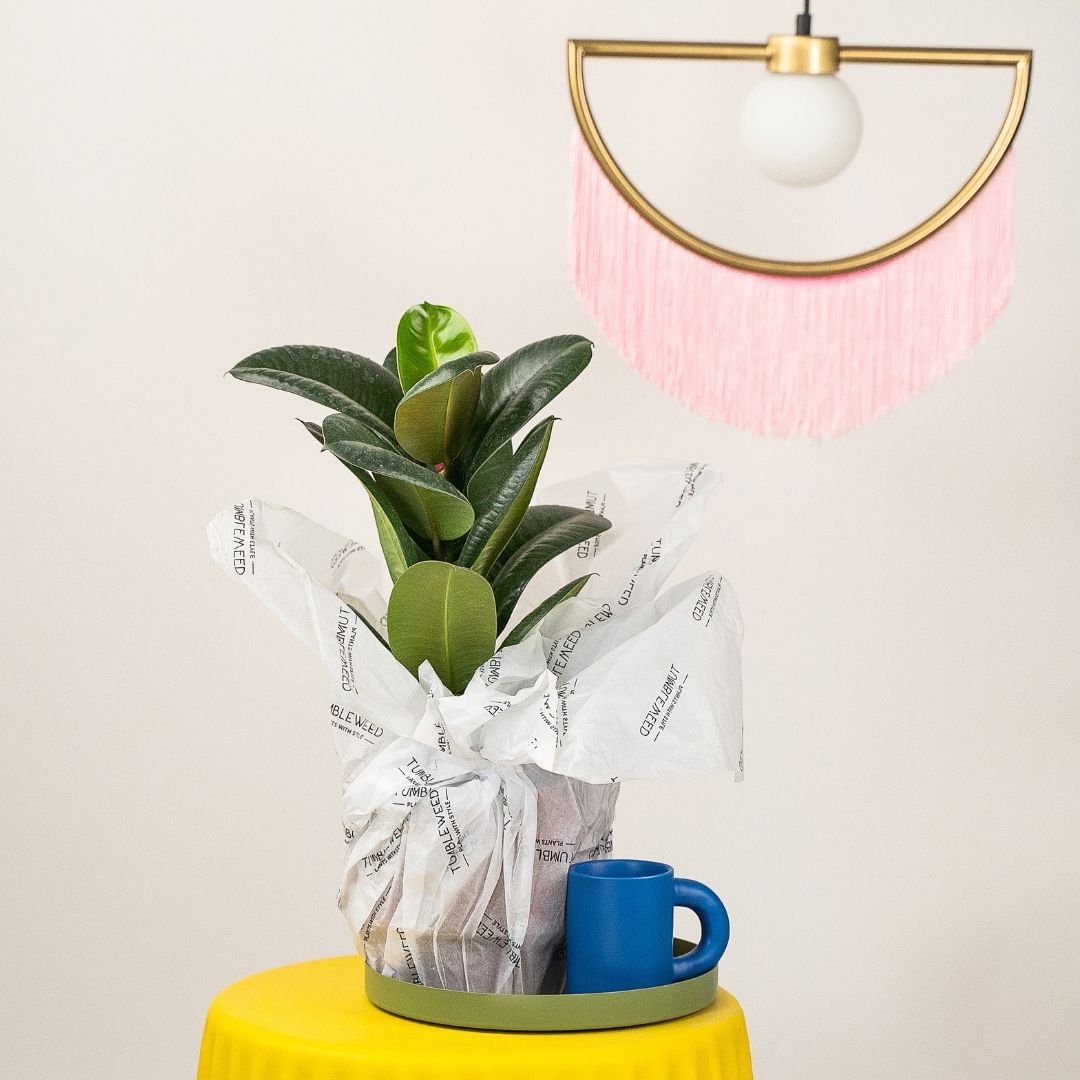
- Rubber Plant
- Dracaena
Typical Singapore frequency: Every 5-8 days
Drought-Tolerant (water when soil is mostly dry)
- Snake Plant
- ZZ Plant
- Succulents and Cacti
- Ponytail Palm
Typical Singapore frequency: Every 10-14 days (or longer)
Singapore Tap Water: Is It Safe for Plants?
Short answer: Yes, for most plants. Singapore's tap water is safe and relatively clean.
Longer answer: Our tap water contains chlorine (for disinfection) and has moderate mineral content. Most plants handle this without issues. However:
Sensitive plants (Calathea, Dracaena, Spider Plant) may develop brown leaf tips from chlorine or fluoride exposure. For these:
- Let water sit in an open container overnight (chlorine evaporates)
- Use a basic carbon filter
- Collect rainwater during monsoon season
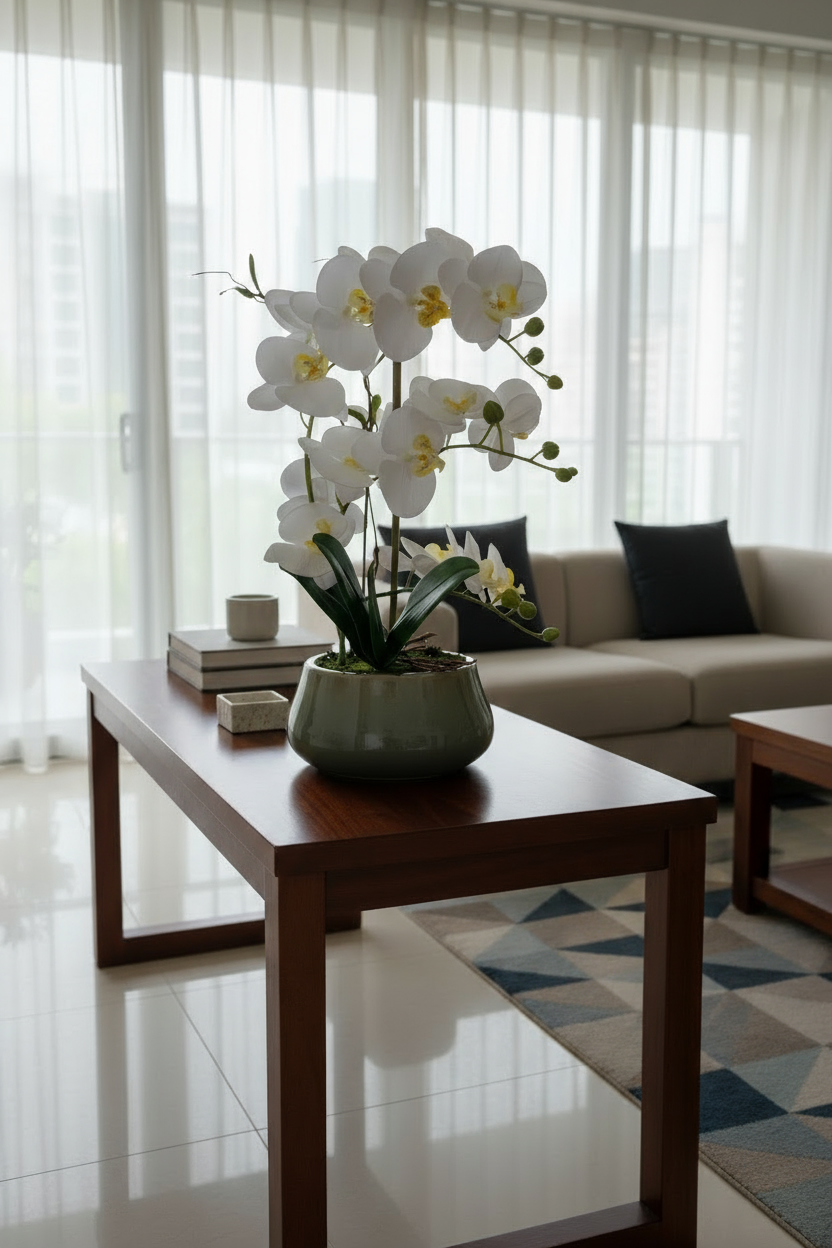
Orchids generally prefer rainwater or filtered water for best results.
Succulents and cacti are fine with tap water — they are very tolerant.
Water temperature: Always use room-temperature water. Cold water from the tap can shock tropical roots. Let water sit for 30 minutes if it comes out cold.
The Air Conditioning Factor

Air conditioning is the biggest variable in Singapore plant watering. A plant near an AC vent can need water twice as often as the same plant in a naturally ventilated room.
If your plant is in an air-conditioned room:
- Check soil moisture every 2-3 days instead of weekly
- Group plants together to create a humidity microclimate
- Use a humidifier or pebble tray to counteract dry air
- Position plants away from direct airflow from vents
- Watch for crispy leaf edges — the first sign of low humidity
If your plant is in a naturally ventilated area:
- Standard watering frequency applies
- Be cautious during monsoon season when humidity is extremely high — reduce watering
- Plants on covered balconies may dry faster due to wind
Overwatering: The Number One Killer
Overwatering does not mean you gave too much water at once — it means you water too frequently, keeping the soil constantly wet.
Signs of Overwatering
- Yellowing leaves, starting from the bottom
- Soft, mushy stems near the soil line
- Soil that smells sour or musty
- Fungus gnats (tiny flies) hovering around the plant
- Mould on the soil surface
- Root rot (black, mushy roots when unpotted)
How to Fix Overwatering
Mild cases:
- Stop watering and let soil dry out completely
- Move to a spot with better air circulation
- Remove any mouldy soil from the surface
- Resume watering only when soil is appropriately dry
Severe cases (root rot):
- Unpot the plant
- Trim all black, mushy roots with clean scissors
- Let the root ball dry for a few hours in shade
- Repot in fresh, well-draining soil
- Water sparingly until new growth appears
Underwatering: Less Common but Still Problematic
Signs of Underwatering
- Wilting, drooping leaves
- Dry, crispy leaf edges
- Leaves curling inward
- Soil pulling away from the pot edges
- Slow or stunted growth
How to Fix Underwatering
For mildly dry plants, a thorough watering usually resolves the issue within hours. For severely dry plants:
- Bottom-water for 30-60 minutes (dry soil can become hydrophobic and repel water from the top)
- Alternatively, water in small amounts every few minutes until the soil reabsorbs moisture
- Trim completely dead leaves
- Adjust your checking routine going forward
Seasonal Adjustments in Singapore
While Singapore does not have dramatic seasons, there are subtle variations:
Dry months (February-March): Humidity drops slightly, evaporation increases. Check plants more frequently.
Monsoon months (November-January): Very high humidity, frequent rain. Reduce indoor watering frequency. Plants on balconies may get rain — adjust accordingly.
Inter-monsoon periods: Variable conditions. Stick to the moisture-check routine.
Pro Tips
- Water in the morning when possible. Evening watering leaves moisture on leaves and soil overnight, increasing fungal risk in Singapore's warmth.
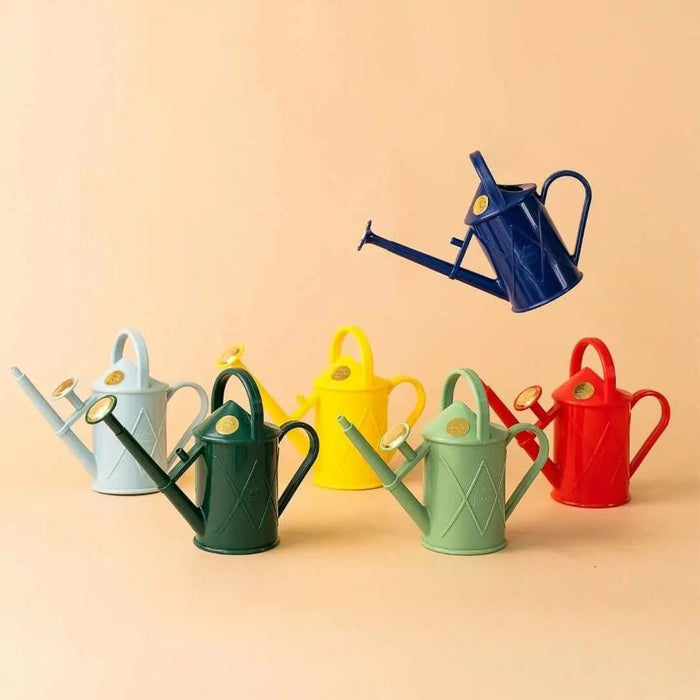
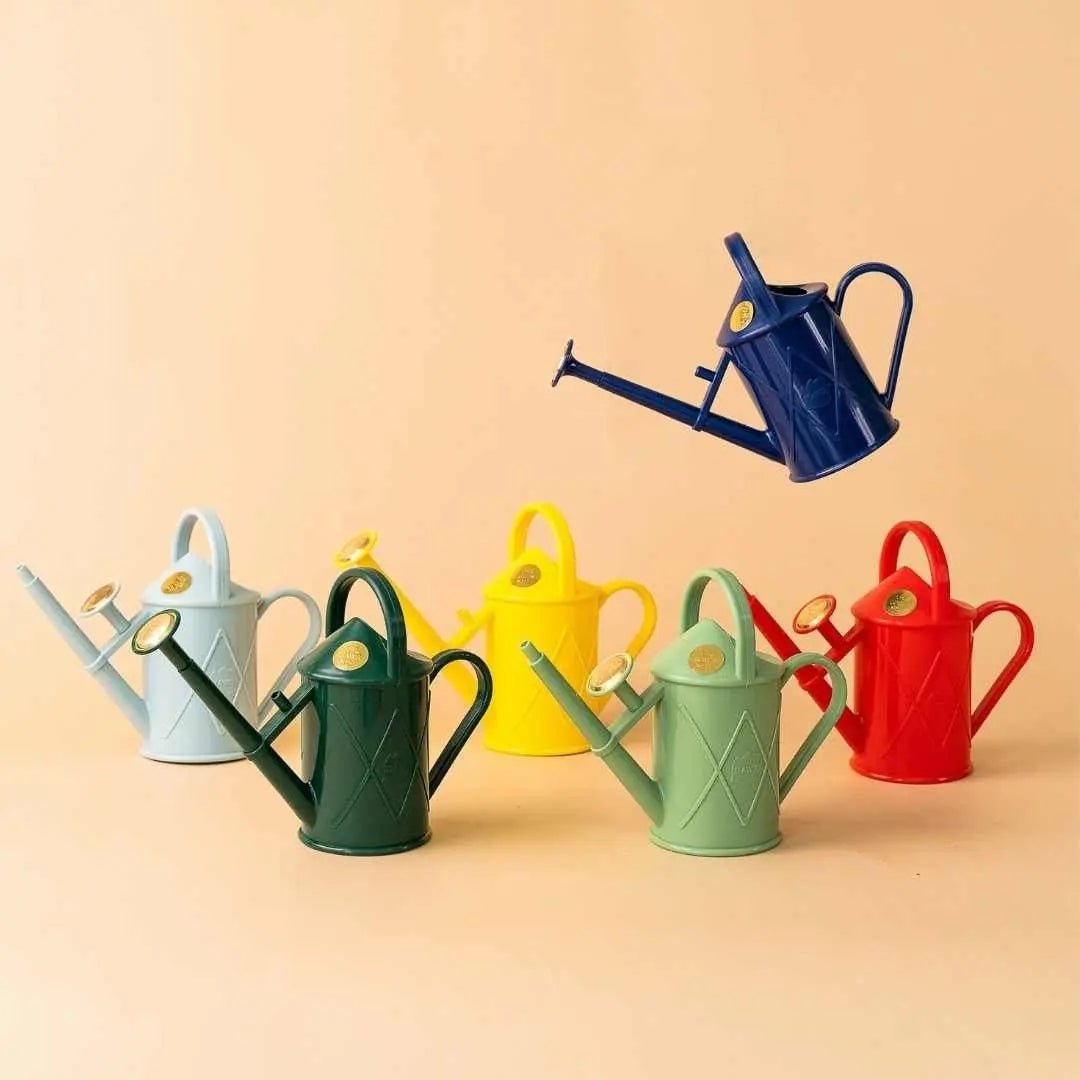
- Use a watering can with a narrow spout for precision. Avoid splashing water on leaves of sensitive plants (Calathea, African Violet).
- Group your watering — check all plants at once rather than randomly throughout the week. This builds a routine and helps you notice changes.
- Keep a simple log for the first few months if you are new to plants. Note when you water each plant and how many days until it needs water again. Patterns emerge quickly.
Final Thoughts
Mastering watering in Singapore comes down to one habit: checking before pouring. The finger test takes five seconds and prevents 90% of watering problems. Combine that with good drainage, appropriate pots, and awareness of your home's air conditioning patterns, and you will keep your plants healthy through every season.
For more care guides tailored to Singapore's climate, visit our plant care blog. Browse Tumbleweed Plants for healthy, locally acclimatised plants ready to thrive in your home.
Quick summary
Key Takeaways
- Why Singapore's Climate Changes the Rules
- The Golden Rule: Check Before You Water
- How Much Water to Give
- Watering Frequency by Plant Type
- Singapore Tap Water: Is It Safe for Plants?
- The Air Conditioning Factor
Ready to bring some green into your home?
Browse 250+ hand-picked plants, curated for Singapore homes — delivered to your door.
Browse All Plants →