
















Peace Lily Care Guide for Singapore | Tumbleweed Plants Singapore
Posted on April 10 2026
In this article
The Peace Lily — Spathiphyllum — is one of the few houseplants that blooms reliably in low light. Its elegant white spathes (the modified leaves that most people call flowers) rise above dark green foliage like flags of surrender — which is exactly how it got its name. In a world of green-only houseplants, the Peace Lily offers something rare: flowers without fuss.

Beyond the blooms, the Peace Lily is one of the most communicative houseplants you can own. When it needs water, it tells you — dramatically. The entire plant droops, leaves hanging limply, looking like it is on its last breath. Water it, and within hours it springs back to full attention. This built-in watering alarm makes the Peace Lily one of the easiest plants for beginners to manage.
Varieties
Spathiphyllum wallisii — The compact standard. 30-45cm. Ideal for desks and shelves.
Spathiphyllum 'Mauna Loa' — Larger variety. 60-90cm. A floor or table plant with larger flowers.
Spathiphyllum 'Sensation' — The giant. Up to 120-150cm. Massive, ribbed leaves. A true statement plant.
Spathiphyllum 'Domino' — Variegated leaves with cream and green marbling. Slightly more demanding than solid-green varieties.
Light
The Peace Lily's greatest asset: it thrives in low light.
Low light — Perfectly adequate. The Peace Lily evolved on the forest floor under dense canopy. It handles dim indoor conditions better than almost any other flowering plant.
Medium indirect light — The sweet spot. Produces the most flowers while maintaining compact growth.
Bright indirect light — Good growth and more frequent blooming, but watch for leaf bleaching if too bright.
Direct sun — No. Even brief direct sun causes brown scorched patches on the thin leaves. Peace Lilies are shade plants.
Blooming and light: Peace Lilies bloom more prolifically in medium to bright indirect light. In very low light, the plant grows well but may not flower. If your Peace Lily has not bloomed, try moving it to a brighter (still indirect) spot.
Watering
The Peace Lily is your most honest plant about watering needs.
The droop signal: When the Peace Lily needs water, it droops — all leaves angle downward dramatically. This is not an emergency. Water thoroughly and the plant recovers within 2-6 hours.
Schedule in Singapore:
- Water when the top 2-3cm of soil is dry
- Every 5-7 days in naturally ventilated rooms
- Every 7-10 days in air-conditioned rooms
Technique:
- Water thoroughly until it drains from the bottom
- Empty saucers — Peace Lilies tolerate moisture but not sitting in water
- The droop signal is your backup — if you forget to check, the plant will remind you
Overwatering signs: Yellow leaves, soft stems, root rot (soil smells sour).
Underwatering signs: Drooping (the classic signal), then crispy leaf tips if chronically underwatered.
Water quality: Peace Lilies are somewhat sensitive to fluoride and chlorine in tap water. Brown leaf tips can result from tap water chemicals. Using filtered water or leaving tap water out overnight to off-gas chlorine helps.
Soil

Standard well-draining mix:
- 60% potting mix
- 25% perlite
- 15% coco coir or orchid bark
Peace Lilies prefer consistently moist but not waterlogged soil. This mix holds moisture while providing adequate drainage.
Humidity
Singapore's 70-80% humidity is ideal. Peace Lilies are tropical understory plants and appreciate our ambient moisture.
AC rooms: The 50-60% humidity of AC rooms is acceptable. Peace Lilies handle lower humidity better than Calathea or ferns. Brown leaf tips in AC rooms are more often a water-quality issue than a humidity issue.
Temperature

Singapore's year-round 26-32°C is within range. Peace Lilies prefer 18-30°C — our warmth is suitable. Keep away from cold AC drafts.
Fertilising
- Balanced liquid fertiliser at half strength every 6-8 weeks
- Peace Lily is a light feeder — over-fertilising causes brown leaf tips and edge burn
- During active blooming, a slightly phosphorus-heavy fertiliser can encourage continued flowering
- Flush soil every 2-3 months to clear salt buildup
Getting Peace Lily to Bloom

Light
The primary blooming trigger. Move to a brighter spot (still indirect) if your Peace Lily has not bloomed in 6+ months. Medium indirect light produces the most consistent flowering.
Maturity
Young Peace Lilies (under 1 year old) may not bloom. Flowering begins once the plant is established with a healthy root system.
Slight Root-Bound
Peace Lilies tend to bloom more when slightly root-bound. Avoid repotting into oversized pots.
Patience
A well-cared-for Peace Lily in adequate light will bloom naturally. Some bloom 2-3 times a year; others bloom once. Individual plants vary.
Flower Lifecycle
Each white spathe lasts several weeks. As it ages, it turns from white to green, then brown. Cut the spent flower stalk at the base once it turns brown to redirect energy to new growth.
Common Problems
Brown Leaf Tips
The most common Peace Lily complaint. Causes:
- Tap water chemicals — fluoride and chlorine cause tip burn
- Over-fertilising — excess salts damage leaf tips
- Low humidity — less common in Singapore but possible in heavy AC
- Underwatering — chronic drought causes progressive tip browning
Fix: Switch to filtered water, reduce fertiliser, and maintain consistent watering. Brown tips cannot be reversed — trim them off cleanly for aesthetics.
Yellow Leaves
One or two lower leaves: Natural ageing. Peace Lilies shed old leaves periodically.
Multiple leaves: Overwatering (check roots for rot), too much direct light, or root-bound stress.
No Flowers
Cause: Insufficient light (most common), plant too young, or recently repotted.
Fix: Move to brighter indirect light. Be patient.
Drooping
Underwatering: The classic Peace Lily signal. Water thoroughly.
Overwatering: If soil is wet but the plant droops, roots may be damaged from rot. Check roots.
Transplant shock: After repotting, Peace Lilies often droop for a few days. Normal.
Brown Flowers
Normal lifecycle. As flowers age, they turn green, then brown. Remove spent flower stalks.
Pests
Peace Lily is relatively pest-resistant:
- Mealybugs — Occasionally in leaf joints. Treat with rubbing alcohol.
- Fungus gnats — In moist soil. Let soil dry slightly between waterings. Yellow sticky traps help.
Styling
The Peace Lily's combination of dark foliage and white flowers makes it versatile:
- Bathroom plant — Thrives in humidity and low light. The most popular bathroom houseplant.
- Bedroom nightstand — Non-toxic, calming presence, tolerates low light.
- Office desk — Low-light tolerance makes it ideal for interior office spaces.
- Living room accent — Larger varieties (Sensation) as floor plants.
- Grouped display — Multiple Peace Lilies at varying sizes create a serene, spa-like arrangement.
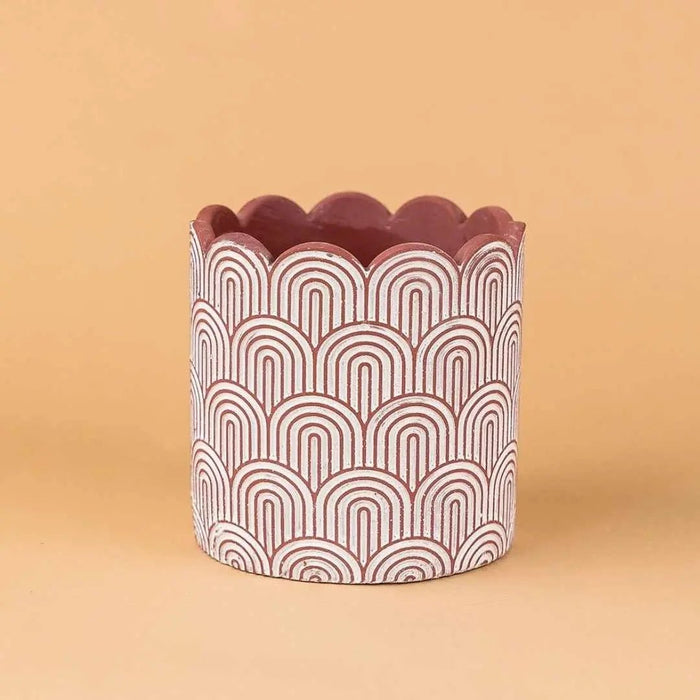
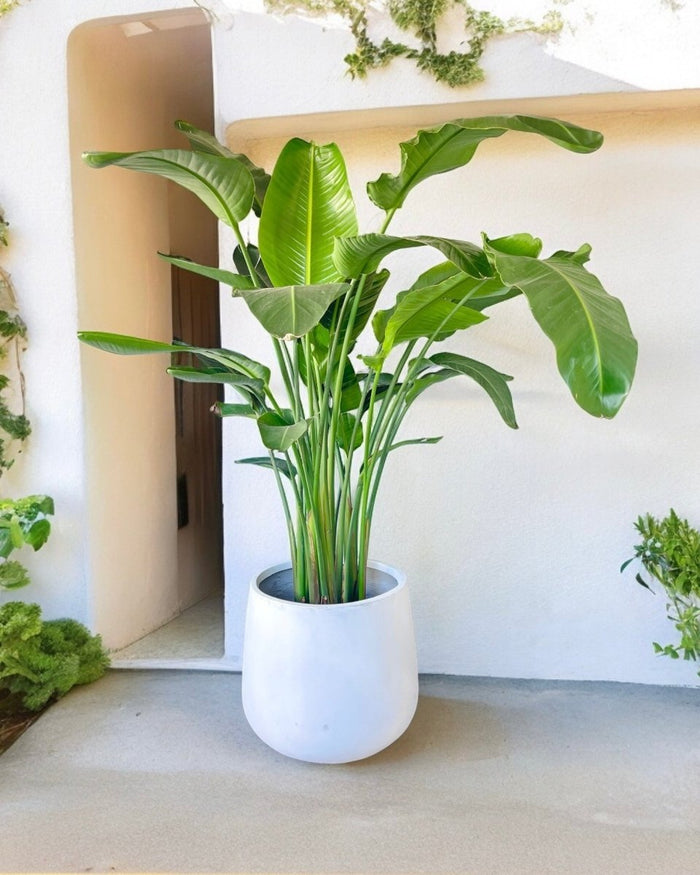
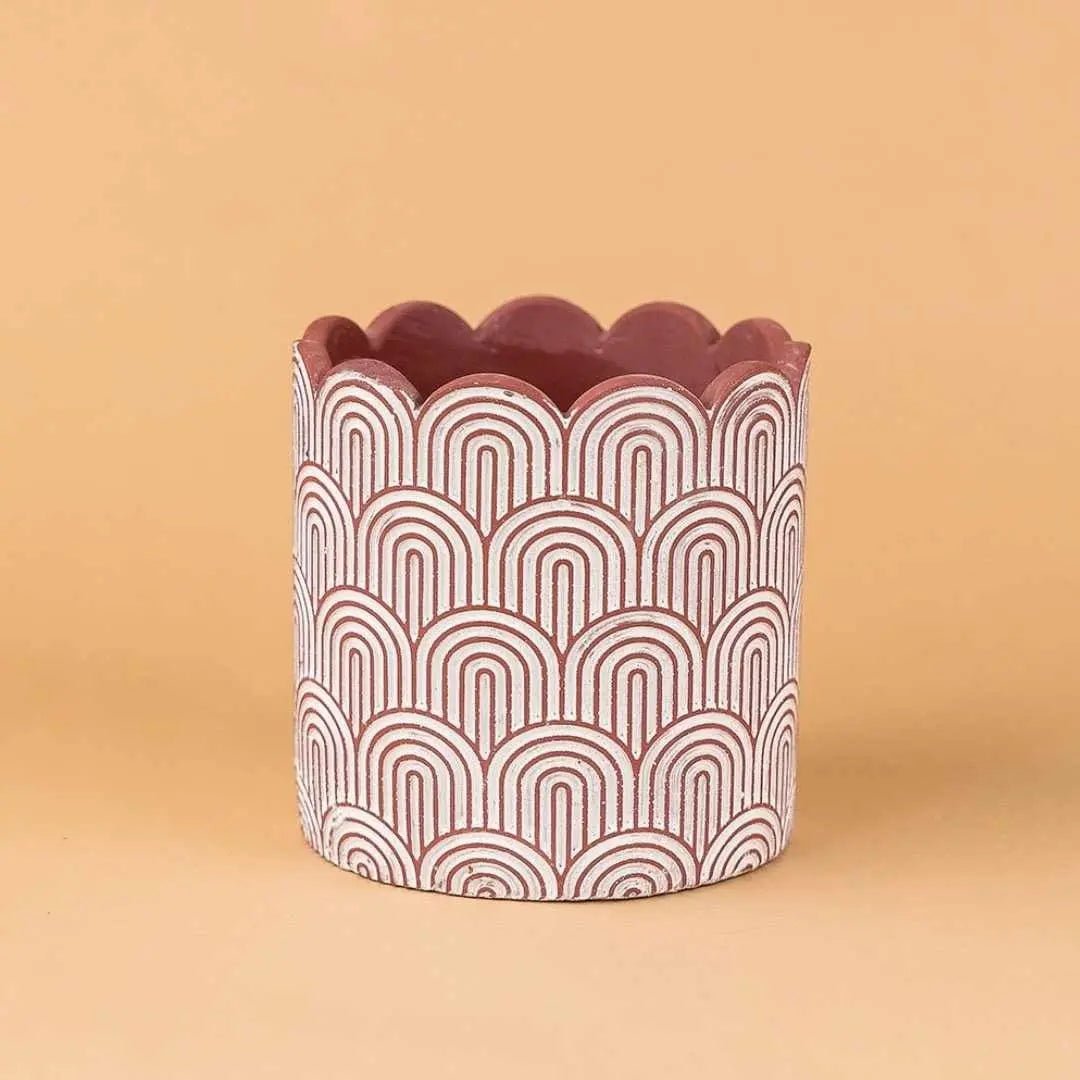
Pot choice: White, cream, or soft green pots complement the white flowers. Simple, clean shapes.
Is Peace Lily Toxic?
Yes, mildly. Contains calcium oxalate crystals that cause oral irritation, drooling, and difficulty swallowing if ingested by pets or children. Keep out of reach of cats and dogs that chew plants. Not life-threatening but unpleasant.
Shop Peace Lily
Browse our indoor plant collection for Peace Lilies and other flowering houseplants delivered across Singapore.
The Peace Lily is the beginner's best friend. It tells you when it needs water (dramatically). It blooms in conditions where other flowering plants refuse. It tolerates the low light of bathrooms, bedrooms, and interior offices. And those white spathes — rising above the dark green leaves like quiet exclamation marks — add an elegance that purely foliage plants cannot match. In Singapore, where most of our indoor spaces are dimmer than we think, the Peace Lily is that rare plant that does not just survive in the shadows but flowers there.
Quick summary
Key Takeaways
- Varieties
- Light
- Watering
- Soil
- Humidity
- Temperature
Ready to bring some green into your home?
Browse 250+ hand-picked plants, curated for Singapore homes — delivered to your door.
Browse All Plants →