



















Rubber Plant Care Guide for Singapore | Tumbleweed Plants Singapore
Posted on April 09 2026
In this article
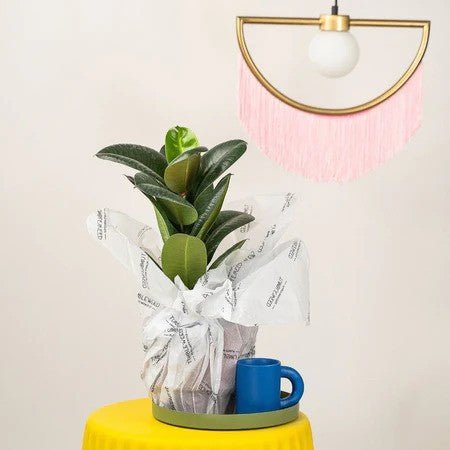
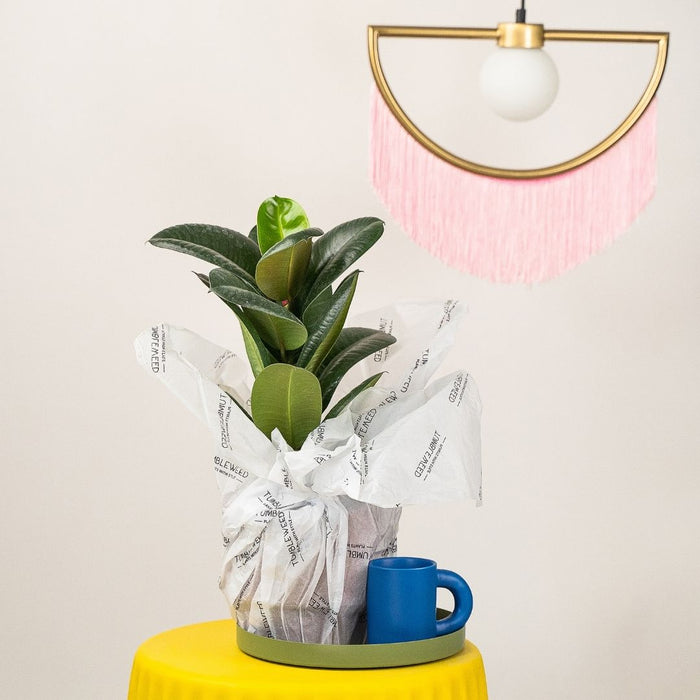
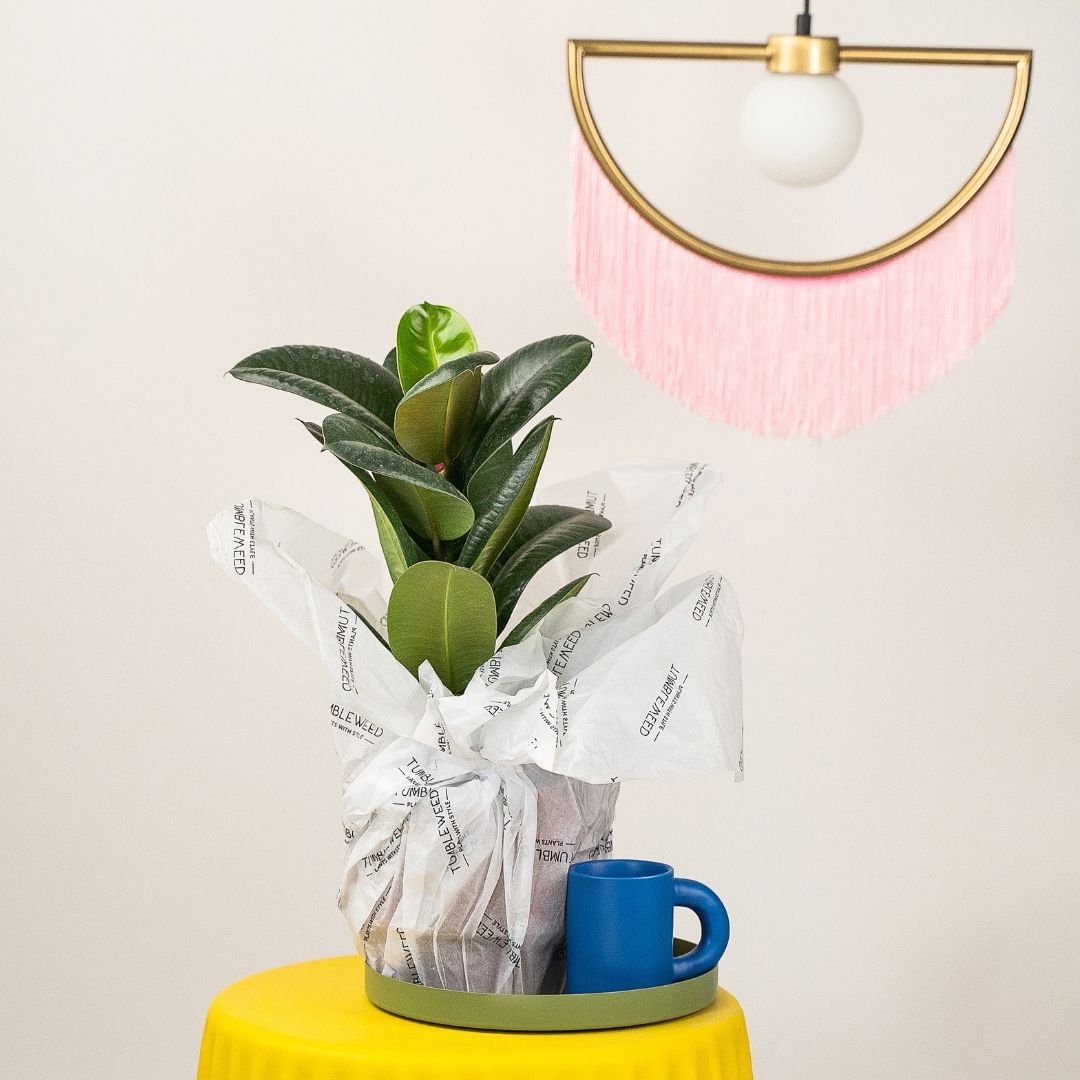
The Rubber Plant — Ficus elastica — is one of the most reliable indoor trees you can grow in Singapore. Its large, glossy, dark green leaves create a bold architectural statement in any room, and its willingness to tolerate imperfect conditions makes it forgiving for new plant owners. A well-grown Rubber Plant can reach the ceiling, becoming a genuine indoor tree that transforms a room from furnished to alive.

Originally from the tropical forests of Southeast Asia (including parts of Malaysia and Indonesia), Ficus elastica is already adapted to our climate. It thrives in Singapore's warmth and humidity, making it one of the easier large plants to keep healthy indoors.
Varieties Worth Growing
Ficus elastica 'Robusta' — The classic. Dark green, thick, glossy leaves. The most tolerant and easiest variety.
Ficus elastica 'Burgundy' — Deep burgundy-red leaves that appear almost black in some lights. Dramatic and sophisticated. Needs brighter light than the green variety to maintain its colour.
Ficus elastica 'Tineke' — Variegated with cream, green, and pink tones. Stunning but needs brighter light and is less forgiving of neglect.
Ficus elastica 'Ruby' — Similar to Tineke but with more pronounced pink and red tones. The most colourful variety but also the most light-demanding.
Ficus elastica 'Shivereana' — Speckled, mottled leaves with a camouflage-like pattern. Unusual and eye-catching.
Light

Bright indirect light — Optimal for all varieties. Near an east or north-facing window, or a few metres from a west-facing window.
Medium light — The green and Burgundy varieties tolerate medium light well. Growth slows but the plant remains healthy.
Low light — Only the green 'Robusta' variety handles genuinely low light, and even then, growth becomes very slow and leggy. Variegated varieties lose their colour in low light and should not be placed in dim rooms.
Direct sun — Morning sun is beneficial. Harsh afternoon sun can scorch leaves, especially on variegated varieties.
Key sign of insufficient light: New leaves are smaller than older ones. Variegated varieties revert to green. Stems stretch with wide gaps between leaves.
Watering
Rubber Plants prefer to dry out partially between waterings. They are more tolerant of underwatering than overwatering.
Schedule in Singapore:
- Water when the top 3-5cm of soil is dry
- Typically every 7 to 14 days depending on pot size, light, and season
- In air-conditioned rooms, less frequently — every 10 to 18 days
Technique:
- Water thoroughly until it drains from the bottom
- Empty saucers after 30 minutes
- Do not let the pot sit in standing water
Overwatering signs:
- Yellow lower leaves that drop
- Soft, mushy stems
- Soil that stays wet for more than a week
Underwatering signs:
- Drooping leaves that perk up after watering
- Brown, crispy leaf edges
- Slow or stalled growth
Soil
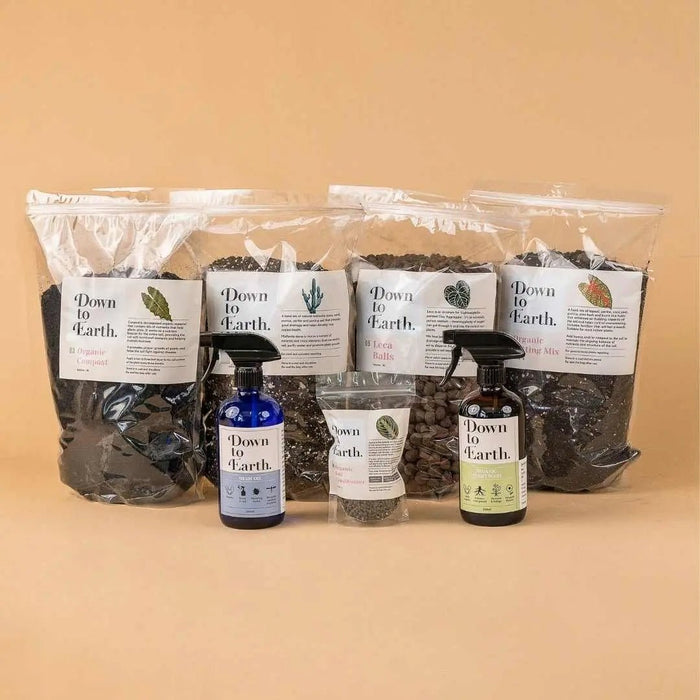
A well-draining mix that retains some moisture without staying waterlogged:
- 60% quality potting mix
- 20% perlite
- 20% orchid bark or coco chips
Standard potting soil works but adding perlite and bark improves drainage and root health, especially in Singapore's humid climate where soil dries more slowly.
Humidity
Rubber Plants love Singapore's humidity. No supplemental humidity needed — our ambient 70-80% relative humidity is ideal. In air-conditioned rooms, they still do fine. This is one area where Rubber Plants are truly effortless in our climate.
Fertilising

Growing season (year-round in Singapore): Feed every 4 to 6 weeks with a balanced liquid fertiliser diluted to half strength.
Signs of over-fertilising: Salt buildup on soil surface, brown leaf tips, stunted growth despite good conditions.
Signs of under-fertilising: Pale new leaves, slow growth, smaller leaves than normal.
Pruning
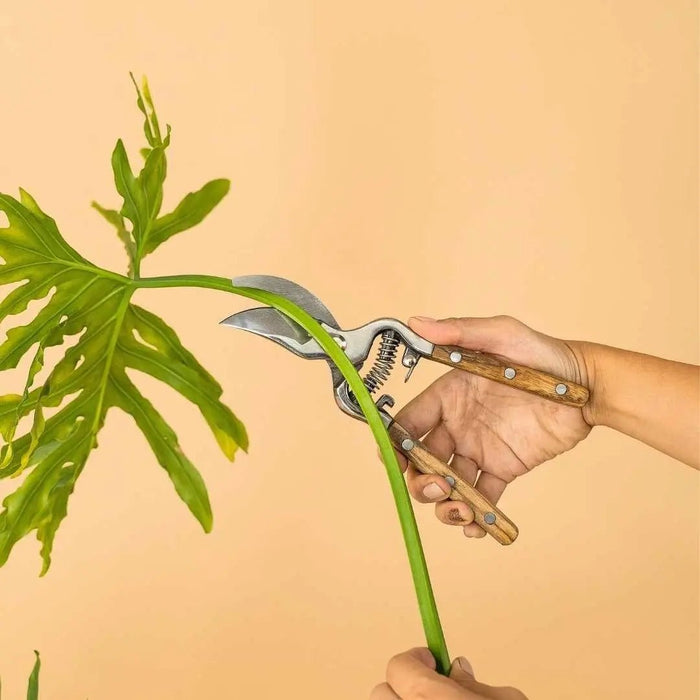
Rubber Plants grow as a single, unbranched stem unless pruned. Without pruning, you get a tall, narrow plant — which is fine if that is what you want. But if you want a bushier, branched tree form, pruning is essential.
How to prune for branching:
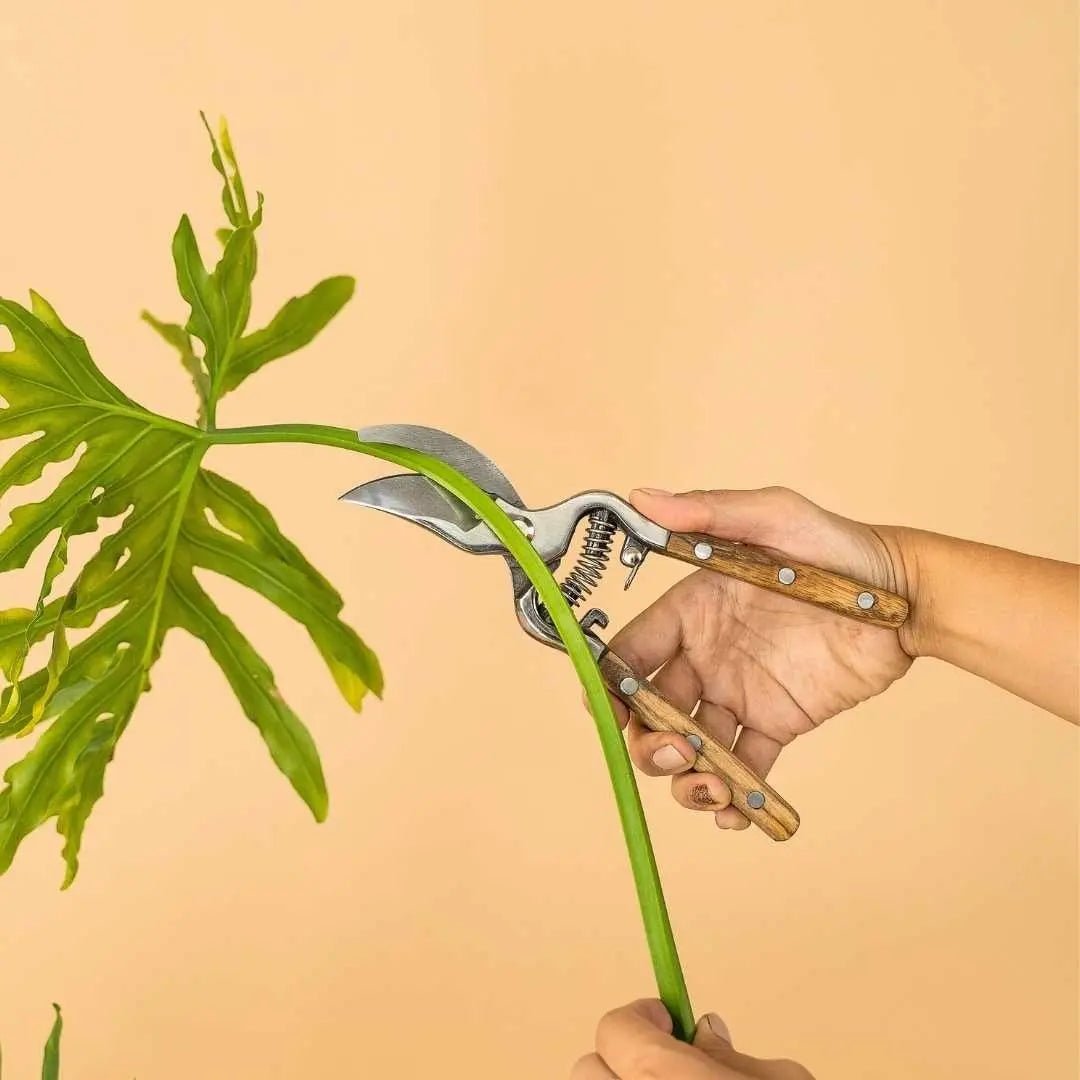
- Cut the main stem at the desired height — just above a leaf node
- The plant will produce one to three new branches from nodes below the cut
- Use a clean, sharp blade (Ficus sap is sticky and mildly irritating — wear gloves)
- Wipe away the milky latex sap with a damp cloth
When to prune: Any time of year in Singapore. Spring equivalent (February to April) promotes the fastest response.
Tip: The cut stem section can be propagated — so pruning also gives you a new plant.
Propagation

Stem Cutting in Water
- Cut a stem section with two to three leaves and at least one node
- Let the cut end dry for a few hours (stops excess sap leaking)
- Place in a jar of water with the node submerged
- Change water weekly
- Roots appear in 3 to 6 weeks
- Transfer to soil when roots are 5-8cm long
Air Layering
The preferred method for larger plants — it produces a bigger, more established plant than a cutting:
- Choose a spot on the stem where you want roots to form
- Make a small upward cut (about 3cm long, one-third through the stem)
- Insert a small piece of toothpick to keep the wound open
- Wrap the wound area with moist sphagnum moss
- Wrap the moss in plastic wrap and secure with tape or ties
- Roots grow into the moss over 4 to 8 weeks
- Cut below the new root ball and pot as a new plant
Common Problems
Dropping Lower Leaves
Some lower leaf drop is normal as the plant grows taller — it naturally sheds older leaves. Excessive drop indicates overwatering, cold drafts (from AC pointed directly at the plant), or sudden light change.
Brown Spots on Leaves
Could be sunburn (if near direct afternoon sun), bacterial infection (if spots are dark and wet-looking), or cold damage. Identify the cause before treating — sunburn needs relocation, bacterial issues need affected leaves removed.
Leggy, Sparse Growth
Insufficient light. Move to a brighter location or prune to encourage branching from lower nodes.
Sticky Sap on Leaves
Ficus elastica naturally exudes small amounts of sap from leaf tips, especially after watering. Also check for scale insects — they produce a sticky substance called honeydew.
Pests
- Scale — Brown, shell-like bumps on stems and leaf undersides. Remove with rubbing alcohol on a cotton swab.
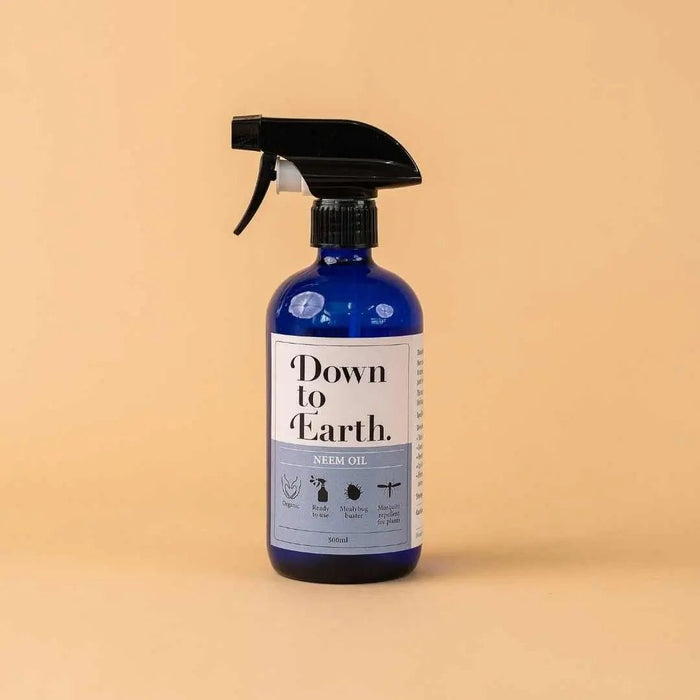
- Mealybugs — White, cottony clusters at leaf joints. Treat with isopropyl alcohol or neem oil.
- Spider mites — Tiny dots and webbing on leaf undersides. Increase humidity and spray with insecticidal soap.
Styling
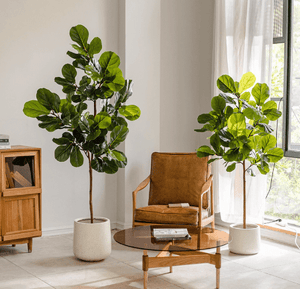
Rubber Plants are architectural — their bold leaves and vertical growth suit modern, minimalist interiors:
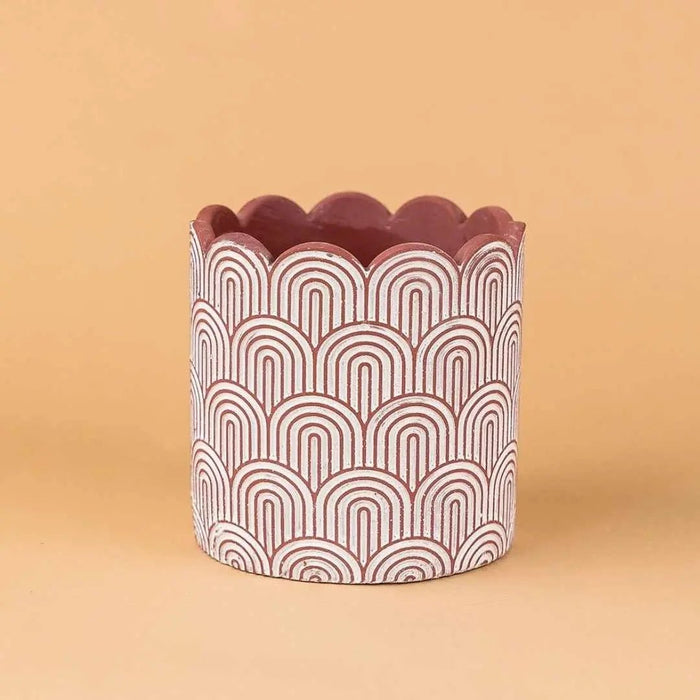
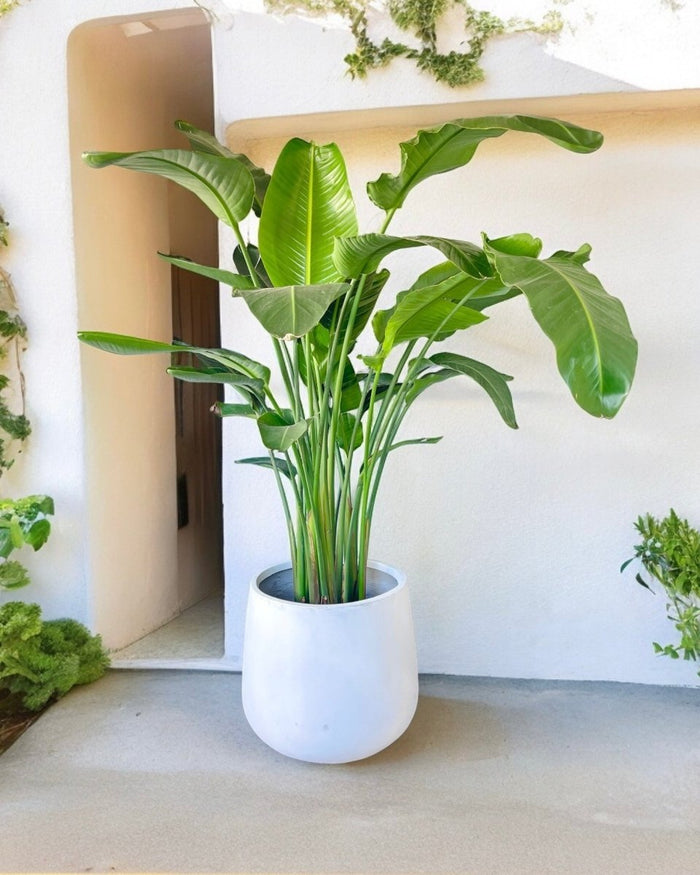
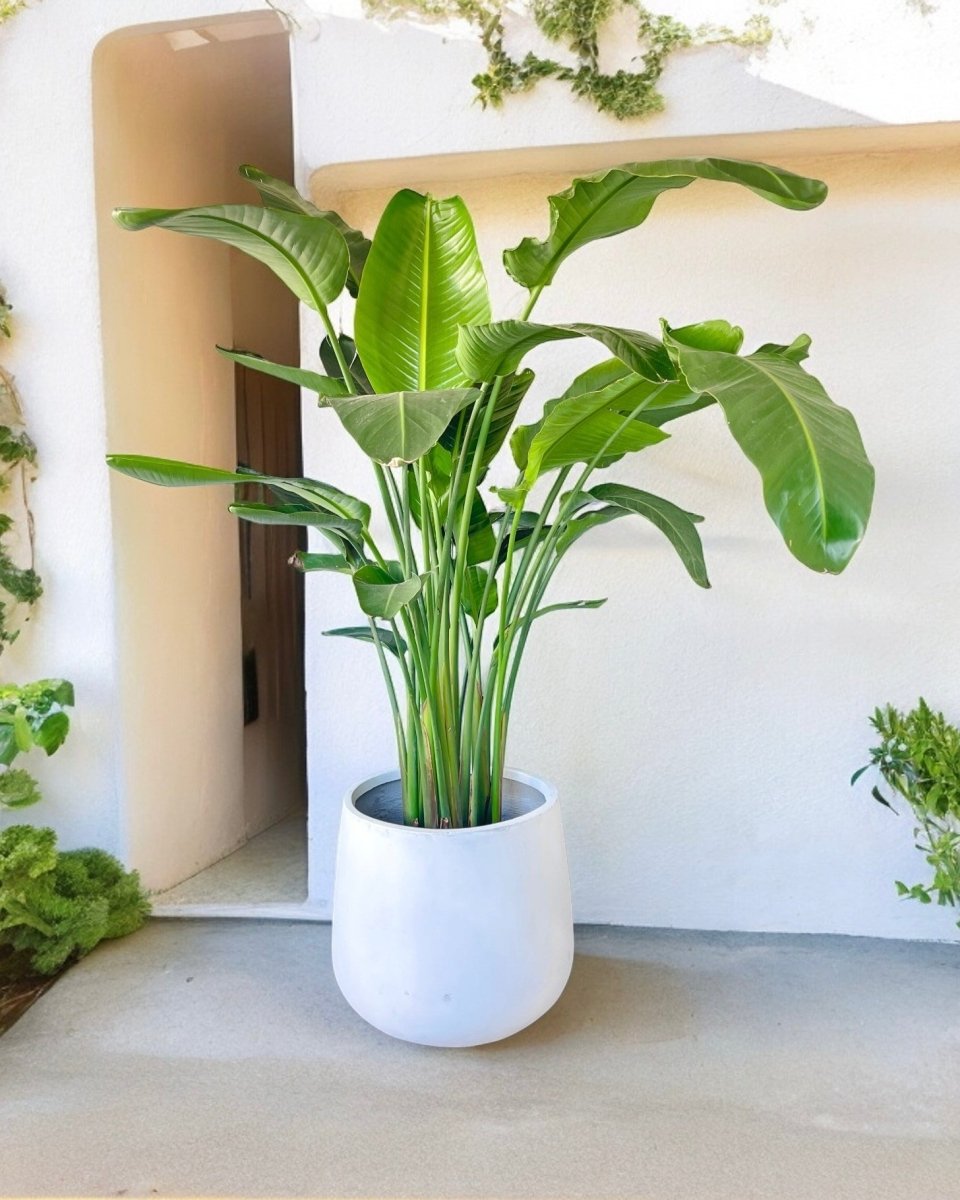
- Statement tree: A single large Rubber Plant (1.5m+) in a corner, in a clean white or concrete pot
- Paired plants: Two matching Rubber Plants flanking a doorway, console table, or sofa
- Mixed heights: A tall Rubber Plant behind shorter tabletop plants creates depth on a plant shelf
- Office plant: The Robusta variety handles office conditions (fluorescent light, AC) better than most large plants
Shop Rubber Plants
Browse our indoor plant collection for Ficus elastica and other indoor trees. We deliver healthy, well-established plants across Singapore.
A Rubber Plant is the indoor tree for people who want something impressive without the fussiness. It grows steadily, tolerates mistakes, and its glossy leaves bring a richness to a room that few other plants match. Give it reasonable light, water it when the soil dries, and prune it when it gets too tall — it asks for nothing more and gives back a living piece of architecture.
Quick summary
Key Takeaways
- Varieties Worth Growing
- Light
- Watering
- Soil
- Humidity
- Fertilising
Ready to bring some green into your home?
Browse 250+ hand-picked plants, curated for Singapore homes — delivered to your door.
Browse All Plants →