















ZZ Plant Care Guide for Singapore | Tumbleweed Plants Singapore
Posted on April 10 2026
In this article
The ZZ Plant — Zamioculcas zamiifolia — is the houseplant equivalent of a camel. It stores water in its thick, potato-like rhizomes and glossy, waxy leaves, allowing it to survive extended periods of drought, neglect, and darkness that would kill most plants. If the Snake Plant is the beginner's reliable friend, the ZZ Plant is the plant for people who are not sure they even want a plant.

But the ZZ Plant deserves better than its reputation as the "impossible to kill" default. It is a genuinely beautiful plant — its naturally glossy leaves reflect light like they have been polished, its symmetrical, arching stems create an elegant architectural form, and newer varieties offer colours from lime green to near-black. Given decent conditions, it grows into a substantial, striking specimen.
Varieties
Zamioculcas zamiifolia (Classic Green) — The original. Dark green, glossy leaves on arching stems. Grows 60-90cm tall. The most widely available and most forgiving variety.
ZZ 'Raven' (Black ZZ) — New leaves emerge bright green and darken to a dramatic near-black as they mature. Striking and increasingly popular. Slightly slower-growing than the classic.
ZZ 'Zenzi' (Dwarf ZZ) — A compact variety with shorter, thicker stems and curled leaves. Stays under 40cm. Perfect for desks and small spaces.
ZZ 'Zamicro' — Another dwarf variety with very small leaves and a compact growth habit. The tiniest ZZ available.
ZZ 'Variegata' — Rare variegated form with cream and green leaves. Much harder to find and significantly more expensive.
Light

ZZ Plants are famous for tolerating low light — and they genuinely do. But like the Snake Plant, there is a difference between surviving and growing.
Low light — The ZZ survives. It may go months without producing new growth, but it will not die. Dark offices, dim corridors, and rooms with small windows are all acceptable.
Medium indirect light — The ZZ grows. Steady new stems emerge, the plant fills out, and the glossy leaves look their best.
Bright indirect light — The ZZ thrives. Fastest growth, most new stems, and the fullest form.
Direct sun — Tolerated briefly (morning sun is fine), but extended direct afternoon sun can scorch the leaves. The waxy coating offers some protection, but it is not sun-proof.
Best placement in Singapore: Medium to bright indirect light produces the best results. But if you have a dim corner that needs a plant, the ZZ is your first choice.
Watering
This is the one care aspect that trips people up — not because it is complicated, but because it requires restraint.
The rule: water less than you think.
ZZ Plants store significant water in their rhizomes (thick, potato-like underground structures) and their fleshy stems and leaves. They are adapted to survive dry periods in their native East African habitat.
Schedule in Singapore:
- Water when the soil is completely dry throughout the pot
- Every 14-21 days in naturally ventilated rooms
- Every 21-30 days in air-conditioned rooms
- When in doubt, wait another week
Technique:
- Water thoroughly until it drains from the bottom
- Empty saucers promptly
- Let the soil dry completely before the next watering
Overwatering is the number one ZZ Plant killer. In Singapore's humid climate, soil stays moist longer, compounding the risk. If the soil feels even slightly damp, do not water.
Overwatering signs:
- Yellowing stems that become soft and mushy
- A foul smell from the soil
- Stems collapsing and falling over
- The rhizome feels soft or mushy when you unpot
Underwatering signs (rare):
- Slightly wrinkled or less glossy leaves
- Very slow — ZZ Plants can go 2-3 months without water in low light
Soil

Fast-draining is essential:
- 50% potting mix
- 30% perlite
- 20% orchid bark or coarse sand
The mix should dry within a week of watering. Dense, moisture-retentive soil is a death sentence for ZZ Plant rhizomes.
Humidity
ZZ Plants do not care about humidity. They handle Singapore's 70-80% ambient humidity without issue, and they handle the dry 40-50% of AC rooms equally well. Humidity is a non-factor.
Temperature

Happy at any temperature Singapore provides. The ZZ Plant is unfazed by our consistent tropical warmth.
Fertilising
Minimal:
- Balanced liquid fertiliser at half strength every 2-3 months
- Over-fertilising causes more harm than under-fertilising
- The ZZ Plant is a naturally slow grower — fertiliser does not significantly accelerate its pace
Propagation

ZZ Plants can be propagated, but patience is required — they are among the slowest plants to propagate.
Division (Fastest)
During repotting, separate the rhizome clumps:
- Remove the plant from its pot
- Identify separate rhizome sections with their own stems and roots
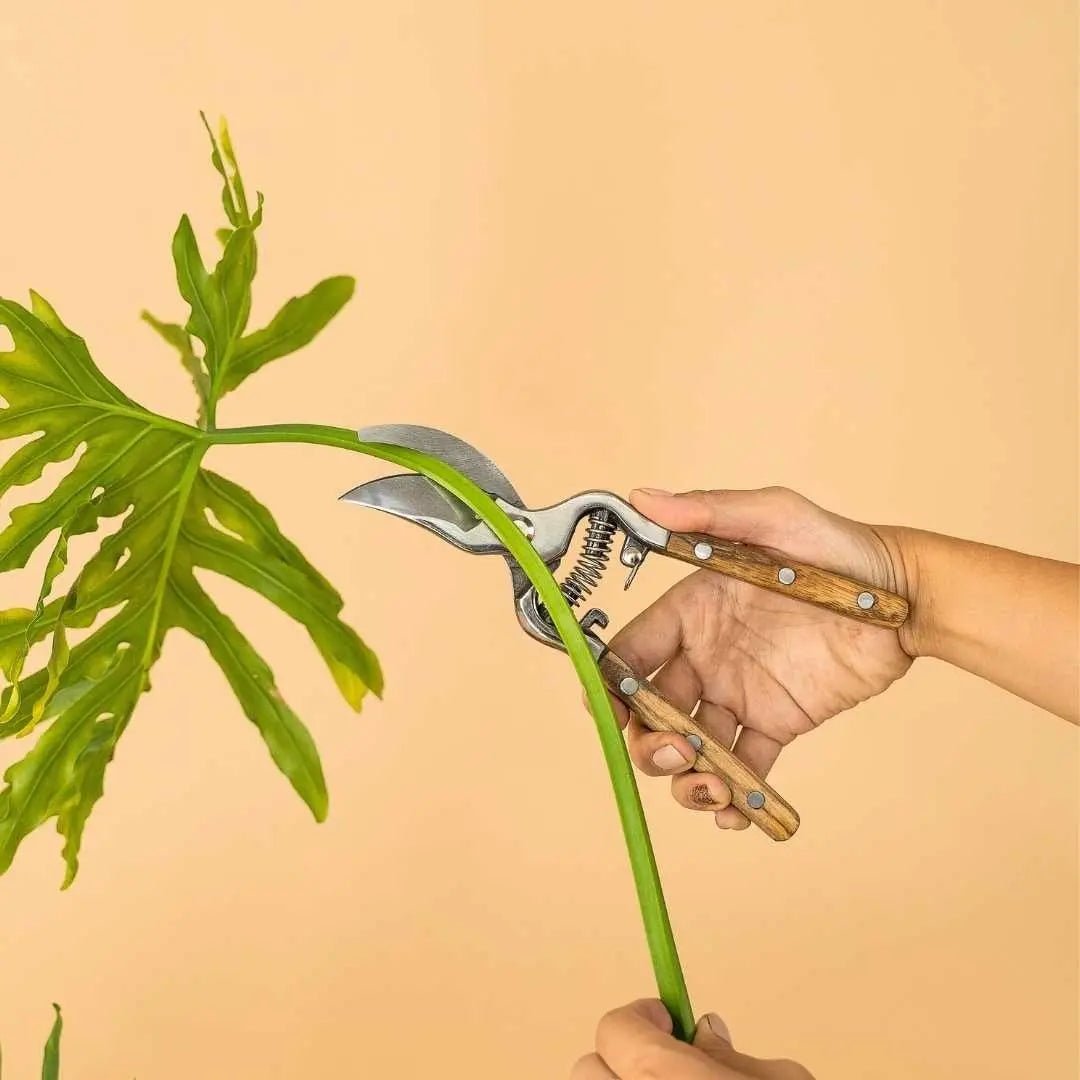
- Gently pull apart or cut with a clean knife
- Let cut rhizome surfaces dry for 24 hours
- Pot each division in fresh, well-draining soil
Leaf Cutting (Slowest but Interesting)
- Remove a healthy leaf with a small section of stem
- Let the cut end dry for 24 hours
- Insert the cut end 1-2cm into moist soil
- Wait. And wait. The leaf forms a tiny rhizome underground over 3-9 months before any new growth appears above soil
- This method tests patience but is fascinating
Stem Cutting in Water
- Cut a stem with several leaves
- Place the cut end in water
- Change water weekly
- Roots and rhizome begin forming in 2-4 months
- Transfer to soil once a small rhizome has formed
Common Problems
Yellow Stems
Almost always overwatering. Check the rhizome — if firm, reduce watering and the plant will recover. If mushy, trim the rotted parts, let the healthy rhizome dry for 48 hours, and repot in very fast-draining soil.
Leaning or Falling Stems
New stems emerge upright and gradually lean as they grow taller. This is normal growth behaviour. Support with a small stake if the lean is excessive. If stems fall over completely and are soft, this indicates rot from overwatering.
Slow Growth
Normal. ZZ Plants are inherently slow growers. In low light, they may go 6-12 months between new stems. In brighter light with occasional fertilising, expect 2-4 new stems per year.
Brown Leaf Tips
Usually from over-fertilising or very low humidity (rare in Singapore). Reduce fertiliser and check if the plant is near an AC vent.
Pests
ZZ Plants are remarkably pest-resistant. Occasional issues:
- Mealybugs — in leaf joints and at the base. Remove with rubbing alcohol.
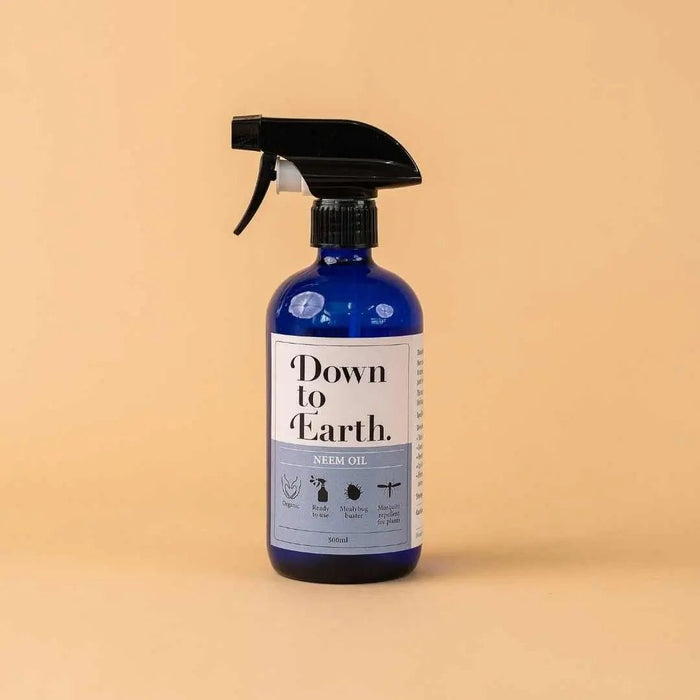
- Scale — on stems. Scrape off and treat with neem oil.
Their waxy leaf coating naturally deters many pests.
Is the ZZ Plant Toxic?
Yes, mildly. All parts contain calcium oxalate crystals that can irritate skin, mouth, and eyes. The sap can cause skin irritation in sensitive individuals. Keep away from children and pets who might chew the leaves. Wash hands after handling.
Despite internet myths, the ZZ Plant is not dangerously toxic — it is in the same toxicity category as Pothos and Philodendron (mild irritation, not poisoning).
Styling
The ZZ Plant's glossy, symmetrical form suits modern and minimalist interiors:
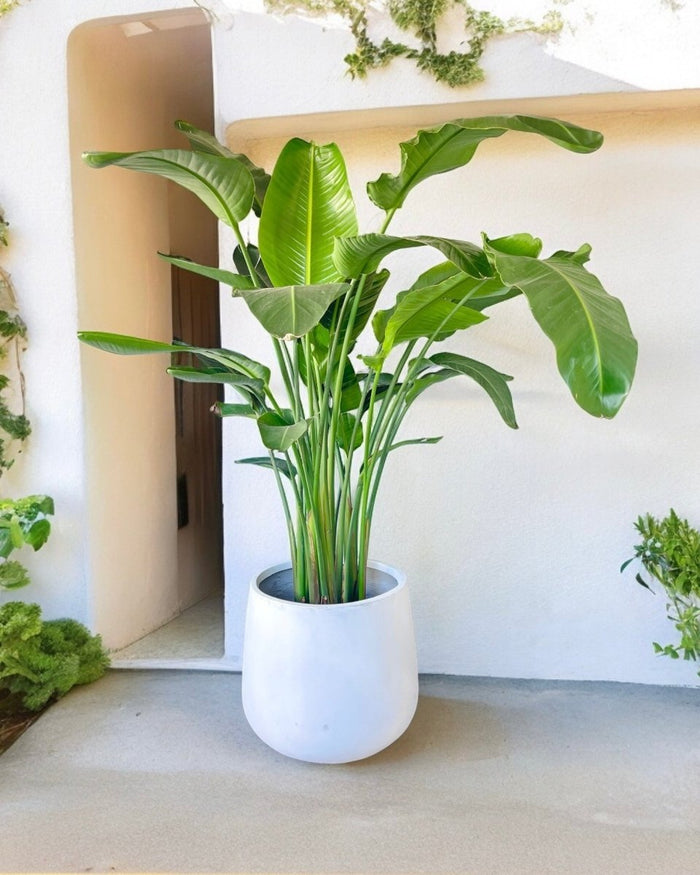
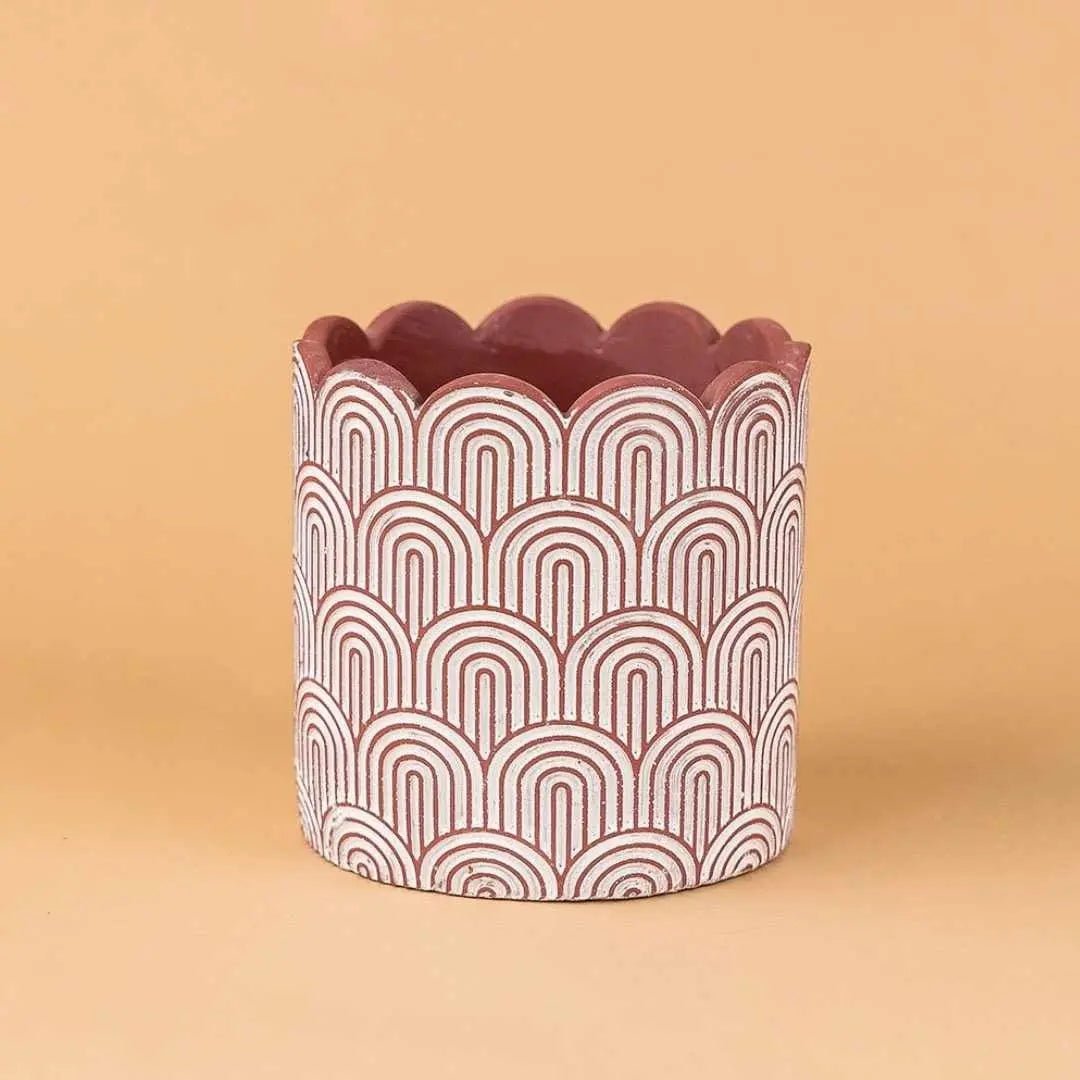
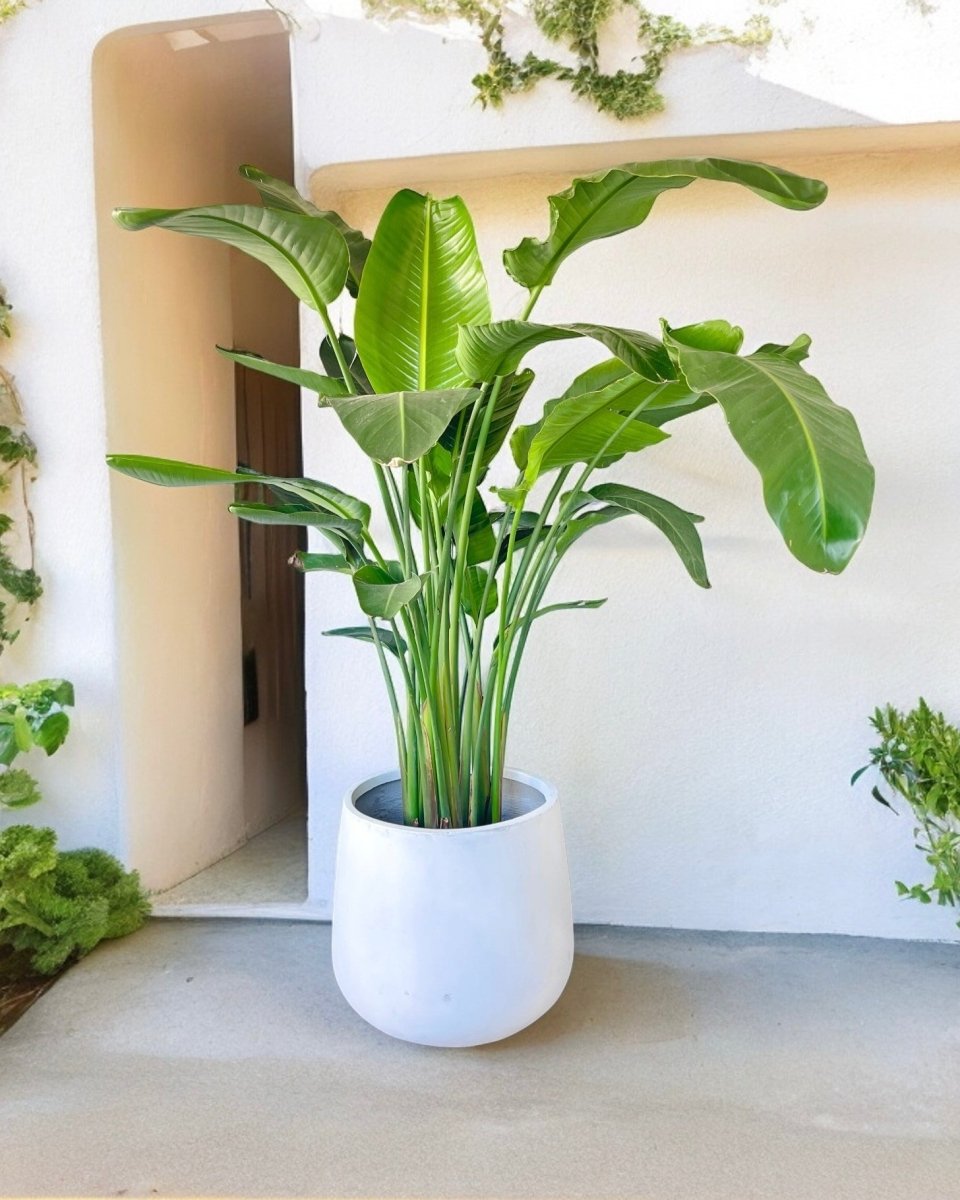
- Statement floor plant — A large ZZ Plant (70-90cm) in a clean white or concrete pot
- Desktop plant — ZZ 'Zenzi' or 'Zamicro' on a work desk
- Dark corner feature — where other plants would fail, the ZZ survives and still looks polished
- Paired display — two matching ZZ Plants flanking a console or doorway
- Office plant — thrives under fluorescent light with infrequent watering
Styling tip: The ZZ Plant's naturally glossy leaves look best when clean. Wipe with a damp cloth monthly to remove dust and restore the shine.
Shop ZZ Plants
Browse our indoor plant collection for ZZ Plant varieties delivered across Singapore.
The ZZ Plant asks for almost nothing and gives you a polished, architectural plant that looks like it receives professional care. It thrives on neglect, survives in darkness, and its naturally glossy leaves look permanently freshly cleaned. If you want a plant that makes you look like a better plant owner than you are, the ZZ Plant is it.
Quick summary
Key Takeaways
- Varieties
- Light
- Watering
- Soil
- Humidity
- Temperature
Ready to bring some green into your home?
Browse 250+ hand-picked plants, curated for Singapore homes — delivered to your door.
Browse All Plants →