















ZZ Plant Care Guide for Singapore
Posted on April 09 2026
In this article
The ZZ Plant is the closest thing the plant world has to a set-and-forget appliance. It survives in offices with no windows, thrives on neglect, shrugs off air conditioning, and looks polished doing it. Its glossy, dark-green leaves on gracefully arching stems give it an architectural quality that suits every interior style — from minimalist condos to eclectic HDB flats.

Zamioculcas zamiifolia — the ZZ Plant's full botanical name — is native to Eastern Africa, from Kenya to South Africa. It evolved in conditions of irregular rainfall and partial shade, storing water in thick rhizomes underground and in its swollen leaf stalks. This built-in drought tolerance is what makes it practically unkillable indoors.
Why ZZ Plants Are Perfect for Singapore
They handle air conditioning. Unlike humidity-loving tropicals that suffer in dry AC air, ZZ Plants are indifferent to humidity levels between 30% and 90%. Your office cubicle or bedroom with the AC blasting all night? No problem.
They tolerate low light. The ZZ Plant survives in lighting conditions that would kill most houseplants — interior corridors, windowless meeting rooms, and the dim corners of HDB bomb shelters. It grows faster in brighter conditions, but it does not die in shade.
They forgive forgetful watering. The underground rhizomes store weeks' worth of water. You can forget to water for a month and the ZZ Plant will look exactly the same as the day you last watered it.
They grow slowly and stay tidy. No exploding growth that outpaces its pot, no dropping leaves, no tendrils reaching across your desk. The ZZ Plant stays contained and neat.
Varieties

ZZ Plant (standard) — Deep green, glossy leaves. The original and still the most popular. Reaches 60-90cm tall at maturity.
ZZ 'Raven' (Zamioculcas zamiifolia 'Dowon') — New leaves emerge bright lime green and gradually darken to near-black. The colour transition is dramatic — you can see multiple shades on one plant simultaneously. A collector favourite.
ZZ 'Zenzi' — A dwarf variety with shorter, thicker, more tightly packed leaves. Compact and slow-growing, ideal for small spaces and desks.
ZZ 'Variegata' — Rare variegated form with yellow and green markings. Slower growing and less available than the standard, but striking.
Light
The ZZ Plant's light tolerance is extraordinary:
Bright indirect light — Optimal. Fastest growth, most vigorous new shoots. Near an east or north-facing window.
Medium light — Perfectly fine. Growth is moderate, the plant remains healthy and attractive.
Low light — Tolerated remarkably well. Growth slows to a crawl but the plant stays alive and green. Suitable for offices, corridors, and interior rooms.
Direct sunlight — Avoid prolonged direct sun. It can bleach or scorch the leaves. Brief morning sun is acceptable.
The practical takeaway: Put a ZZ Plant wherever you want one. As long as the space receives some ambient light during the day (even fluorescent office lighting counts), the plant will survive.
Watering

This is the single most important care instruction for ZZ Plants: water less than you think you need to.
The rhizomes and thick stems store so much water that overwatering is the primary way people kill ZZ Plants. Root rot from soggy soil kills far more ZZ Plants than drought ever does.
Schedule in Singapore:
- Every 14 to 21 days in bright conditions
- Every 21 to 30 days in low light or air-conditioned rooms
- During the monsoon season or humid periods, even less
The rule: Let the soil dry completely — not just the top layer, but all the way through the pot — before watering again. Stick your finger deep into the soil. If there is any moisture at all, wait.
Technique:
- Water thoroughly until liquid drains from the bottom
- Empty the saucer within 30 minutes
- Do not mist — ZZ Plants do not need or benefit from foliar moisture
Overwatering symptoms:
- Yellow, mushy leaves (the number one ZZ Plant killer)
- Soft, darkened stems at the base
- A foul smell from the soil
- Rhizomes that feel soft instead of firm
Underwatering symptoms (rare):
- Leaf drop (the plant sheds leaves to conserve moisture)
- Slightly wrinkled stems
- Soil completely compacted and pulling away from the pot edge
Soil
ZZ Plants need very well-draining soil. Their rhizomes and roots rot easily in moisture-retentive mixes.
Recommended mix:
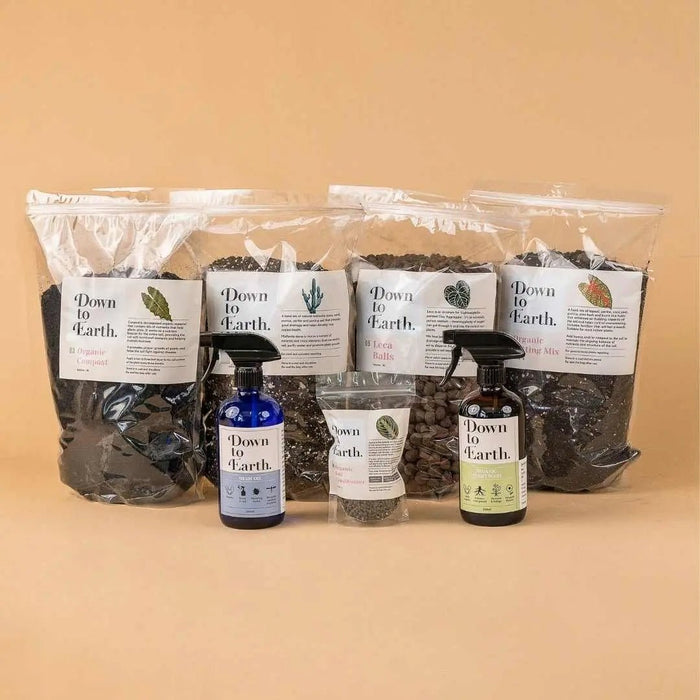
- 50% potting soil
- 30% perlite or pumice
- 20% orchid bark or coarse sand
The soil should dry within a week of watering. If it stays moist longer, add more perlite.
Pot Selection

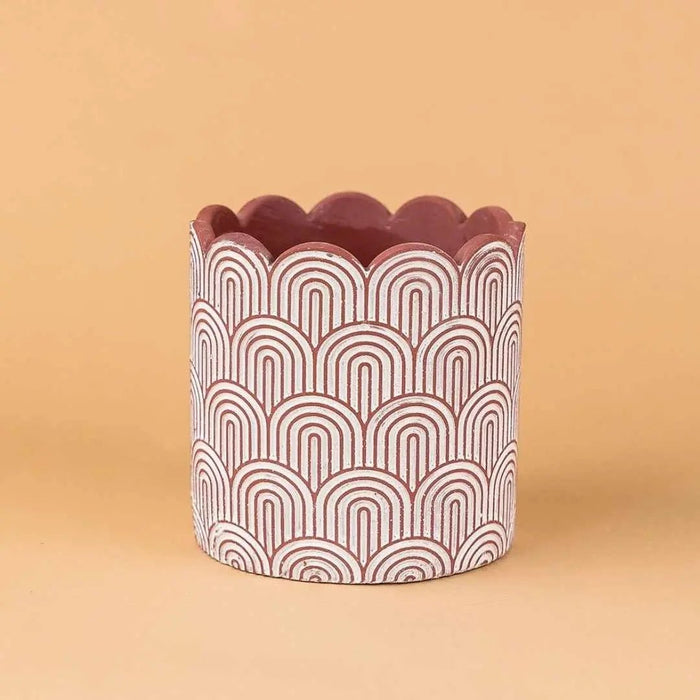
Drainage holes are essential. Never plant a ZZ in a pot without drainage.
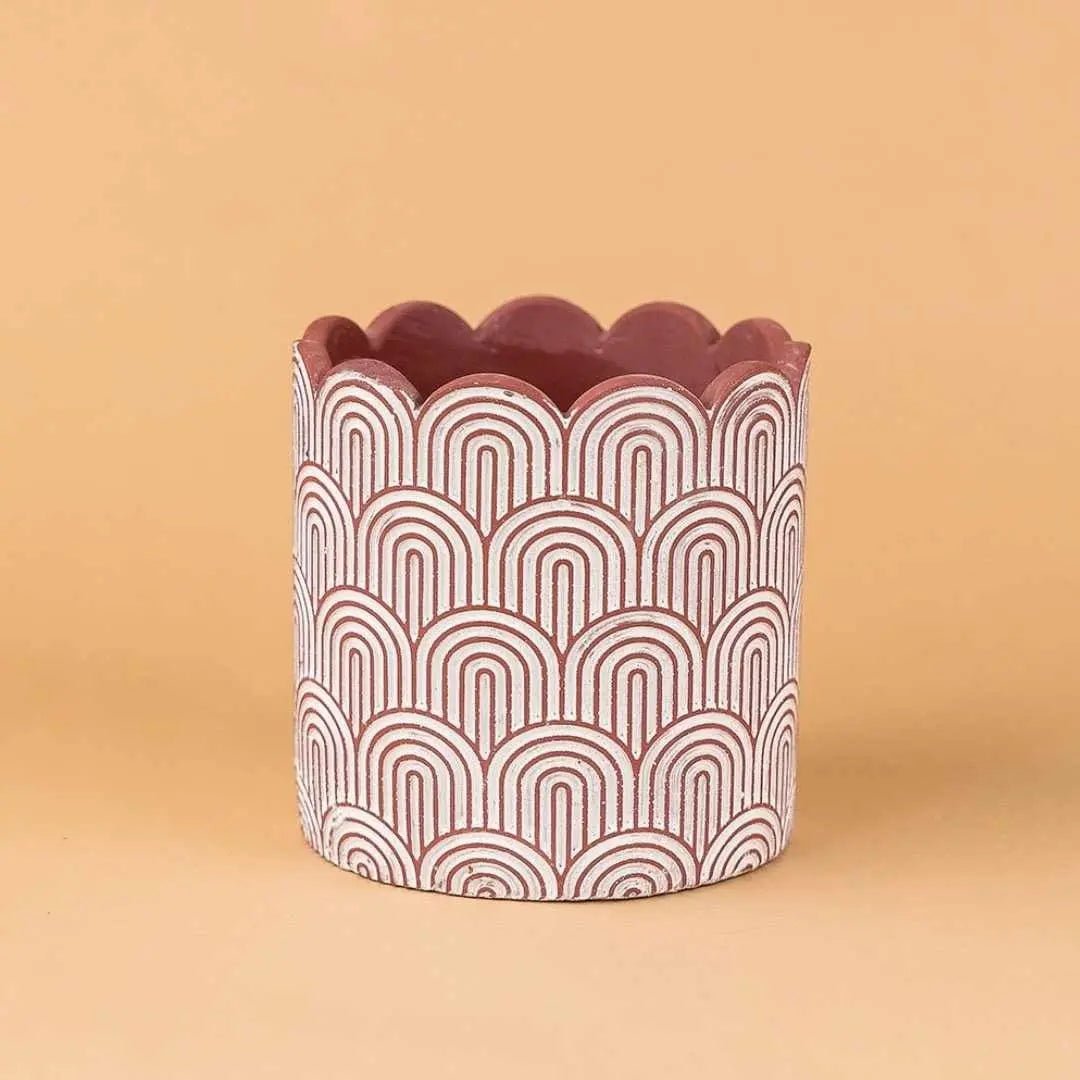
Terracotta is excellent — the porous material wicks moisture from the soil, adding another layer of protection against overwatering.
Do not oversize the pot. ZZ Plants grow slowly and do not need frequent repotting. A pot slightly larger than the rhizome mass is sufficient. Oversized pots hold excess moisture.
Repot every two to three years or when rhizomes visibly push against the pot walls. ZZ Plants are comfortable being slightly root-bound.
Fertilising
ZZ Plants are extremely light feeders. In their natural habitat, they grow in nutrient-poor soils.
- Feed once a month during active growth with balanced liquid fertiliser at half strength
- Skip fertilising entirely during slower growth periods
- Never fertilise dry soil
- If you forget to fertilise for months, the plant will not complain
Over-fertilising causes more harm than under-fertilising with this species.
Propagation
ZZ Plants propagate through three methods, though all require patience — this is a slow-growing plant at every stage.
Division (Fastest)
During repotting, separate the rhizome clumps:
- Remove the plant from its pot
- Identify natural divisions where separate rhizome clusters meet
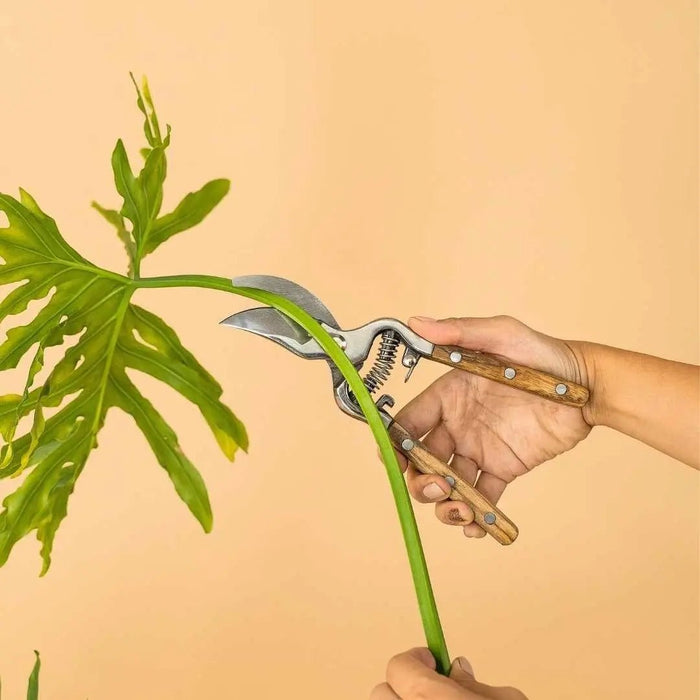
- Gently pull or cut apart with a clean knife
- Pot each division in fresh, well-draining soil
- Water lightly and place in bright indirect light
Stem Cutting
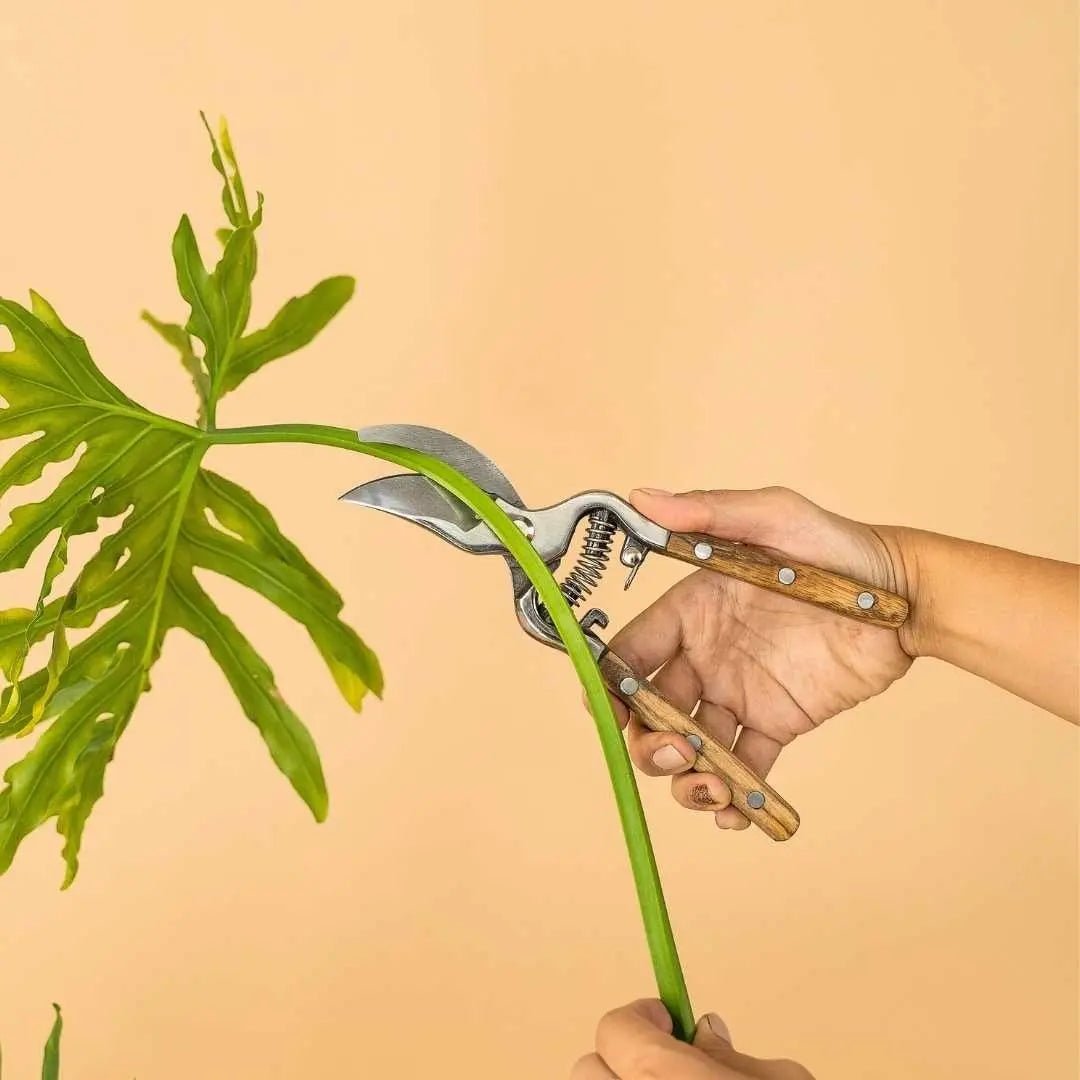
- Cut a healthy stem at the base
- Place the cut end in water (2-3cm submerged) or moist soil
- Position in bright indirect light
- Change water weekly (if in water)
- Rhizome formation takes two to six months — this is normal for ZZ Plants
- New shoots emerge from the rhizome once it reaches a viable size
Leaf Cutting
- Remove individual leaflets from a stem
- Insert the cut end 1cm into moist soil or place on top of damp sphagnum moss
- Wait — a small rhizome forms at the base of the leaf over three to nine months
- New growth eventually emerges from the rhizome
Leaf propagation is the slowest method but produces the most plants from a single stem. It requires genuine patience — months of looking at a leaf in soil with no visible progress until the tiny rhizome finally appears.
Common Problems
Yellow Leaves
Almost always overwatering. Check the soil — if it is wet or even moist, you are watering too often. Reduce frequency dramatically. If root rot has set in (mushy rhizomes), remove the plant, trim affected parts, let it dry for a day, and repot in fresh dry soil.
Leaning or Flopping Stems
This can indicate:
- Overwatering (stems soften at the base)
- Etiolation from very low light (stems stretch and weaken)
- The plant is simply top-heavy and needs a slightly larger or heavier pot for stability
Brown Tips
Less common in ZZ Plants than in most houseplants. If present, usually caused by:
- Salt buildup from fertiliser (flush the soil)
- Very dry air in heavily air-conditioned spaces (not harmful, just cosmetic)
Pests
ZZ Plants are remarkably pest-resistant. Occasional issues:
- Mealybugs in leaf axils — treat with isopropyl alcohol
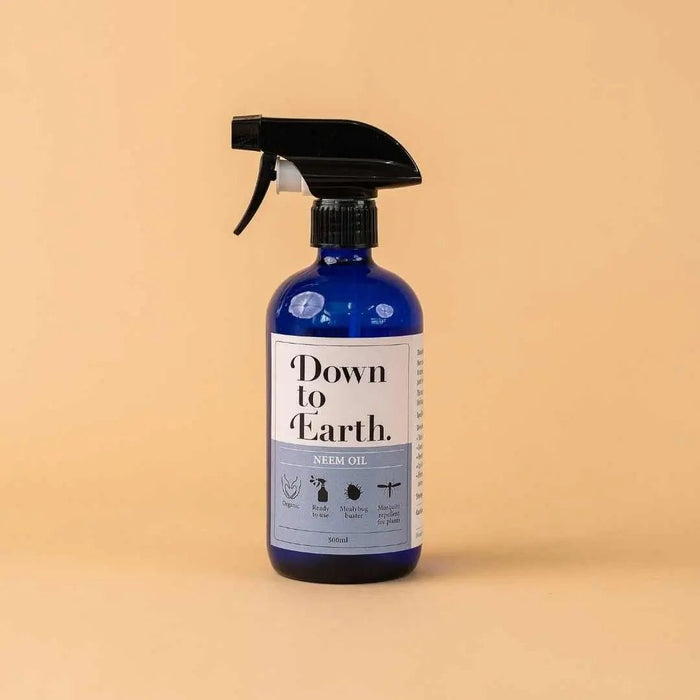
- Scale insects on stems — scrape off and treat with neem oil
- Fungus gnats in overly moist soil — let soil dry completely between waterings
Is the ZZ Plant Toxic?
Yes. All parts of the ZZ Plant contain calcium oxalate crystals, which cause mouth and throat irritation if ingested. The sap can also irritate skin in sensitive individuals. Wash hands after handling (especially after cutting or repotting) and keep out of reach of small children and pets.
Despite internet rumours, the ZZ Plant is not dangerously toxic — it causes discomfort, not serious harm. The irritation from chewing a leaf is enough to discourage further ingestion in both humans and pets.
Styling ZZ Plants
The architectural form of the ZZ Plant makes it a designer favourite:
- Modern minimalist: A single ZZ Plant in a matte black or white pot on a clean surface. The glossy leaves create the perfect focal point.
- Office desk: Compact varieties like Zenzi fit on any desk without crowding.
- Dark corners: The one plant guaranteed to survive (and look good) in the lowest-light spots.
- Grouped display: A standard green ZZ alongside a Raven creates a dramatic light-to-dark contrast.
- Corridor filler: Tall varieties in slim terracotta pots line an HDB corridor without taking up walkway space.
The dark, glossy foliage photographs exceptionally well — ZZ Plants are some of the most Instagrammable houseplants for their clean, graphic quality.
Shop ZZ Plants
Browse our collection of indoor plants including ZZ Plant varieties for every space and skill level. We deliver healthy plants across Singapore.
The ZZ Plant asks almost nothing of you — some space, a pot with drainage, and water every few weeks. In return, it offers year-round glossy beauty, air-purifying benefits, and the quiet confidence of knowing you own a plant that is virtually impossible to kill. For Singapore's busy urban lifestyle, that trade-off is hard to beat.
Quick summary
Key Takeaways
- Why ZZ Plants Are Perfect for Singapore
- Varieties
- Light
- Watering
- Soil
- Pot Selection
Ready to bring some green into your home?
Browse 250+ hand-picked plants, curated for Singapore homes — delivered to your door.
Browse All Plants →