














Best Plants for Dark Rooms and Low-Light Spaces in Singapore
Posted on April 09 2026
In this article

Not every room in a Singapore home has a window. HDB corridors, interior bathrooms, bomb shelters repurposed as storage rooms, and basement-level condo spaces all share the same challenge — little to no natural light. Even rooms with windows can be dark if they face a neighbouring building, a corridor, or sit on a lower floor shaded by surrounding structures.
The conventional wisdom says plants need light, and they do. Photosynthesis requires light energy. But "need light" does not mean "need a sun-drenched window." Certain plants have evolved to thrive in the deep shade of tropical forest floors, where less than 2% of sunlight penetrates the canopy. These are the plants that can survive — and some can genuinely thrive — in your darkest rooms.
Understanding Low Light
Before choosing plants, calibrate what "low light" actually means:
Low light (survivable): A room with a small window or a room that receives reflected light from an adjacent bright space. You can read a book without a lamp at midday, but it is not comfortable. Fluorescent office lighting falls in this category.
Very low light (challenging): A room with no window but an open doorway to a lit space. Or a room with a window that faces a wall less than two metres away. You need a lamp to read at midday.
No light (not possible): A sealed room with no windows and the door usually closed. No plant survives here without grow lights. Full stop.
The key distinction: most "low-light tolerant" plants survive in low light — they do not thrive. Growth will be slower, leaves may be smaller, and flowering will not occur. But the plant will live, which is better than an empty dark corner.
The Best Low-Light Plants

Tier 1: The True Shade Champions
These plants genuinely perform well in low light — not just surviving, but maintaining good form and appearance.
ZZ Plant (Zamioculcas zamiifolia)
The gold standard for dark spaces. The ZZ Plant evolved in the shaded understorey of East African forests and stores energy in underground rhizomes that sustain it through prolonged low-light periods. Its glossy leaves reflect what little light is available, maintaining a polished appearance even in dim conditions.
How it handles dark rooms: Growth slows significantly but the plant maintains its shape, leaf quality, and overall health. Can survive in rooms with only fluorescent lighting.
Snake Plant (Sansevieria)
The second-best option for truly dark spaces. Snake Plants use CAM photosynthesis — a more efficient form that allows them to photosynthesize with minimal light. Their stiff, upright leaves hold their form regardless of light conditions.
How it handles dark rooms: Maintains its upright, architectural shape. Growth slows to near-zero in very low light, but the plant can stay healthy for years.
Cast Iron Plant (Aspidistra elatior)
Named for its ability to survive conditions that would kill other plants. The Cast Iron Plant was a Victorian parlour favourite precisely because it tolerated the dim, gas-lit interiors of 19th-century homes. It remains one of the most shade-tolerant houseplants available.
How it handles dark rooms: Produces wide, dark green leaves that absorb light efficiently. Growth is slow in shade but the plant maintains a healthy, attractive form.
Pothos (Epipremnum aureum)
Pothos adapts to a remarkably wide range of light conditions. In low light, it shifts to producing larger, darker leaves that capture more light — a natural adaptation to shade conditions.
How it handles dark rooms: Grows more slowly, produces solid green leaves (losing variegation in very low light). Trails nicely from shelves or hangs even in dim spaces.
Tier 2: Tolerant of Low Light
These plants accept low light but show more visible decline than Tier 1 options. Best for rooms with at least some ambient light.
Aglaonema (Chinese Evergreen)
Shade-tolerant by nature. Green and silver varieties handle low light well. Pink and red varieties need more light to maintain colour — in very dim conditions, they revert toward green.
Dracaena
Most Dracaena varieties tolerate low light reasonably well. Dracaena compacta and Dracaena fragrans are the most shade-tolerant. Growth slows significantly but the plant holds its form.
Peace Lily (Spathiphyllum)
One of the few flowering plants that performs in low light. It will not flower as prolifically in shade, but the dark green foliage remains attractive and the occasional white bloom is a bonus.
Philodendron Heartleaf
Trails beautifully in low light. Produces smaller leaves than in bright conditions but maintains healthy growth.
Tier 3: Survive (Not Thrive) in Low Light
These plants tolerate low light temporarily but show noticeable decline over many months. Rotate them to brighter spots periodically if possible.
Spider Plant — Loses variegation, grows more slowly, produces fewer babies.
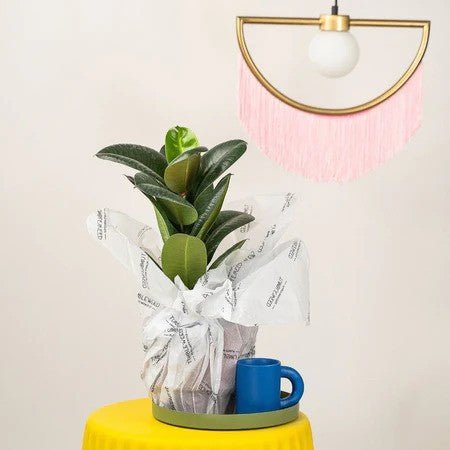
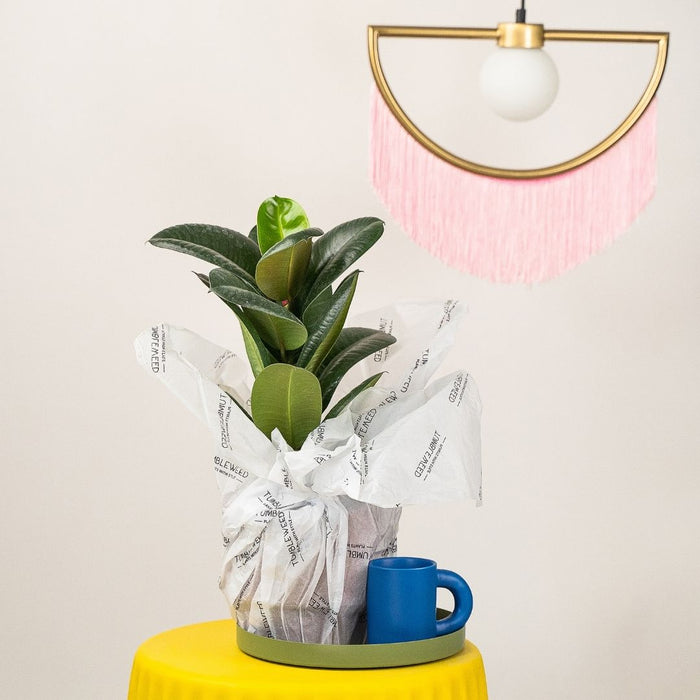
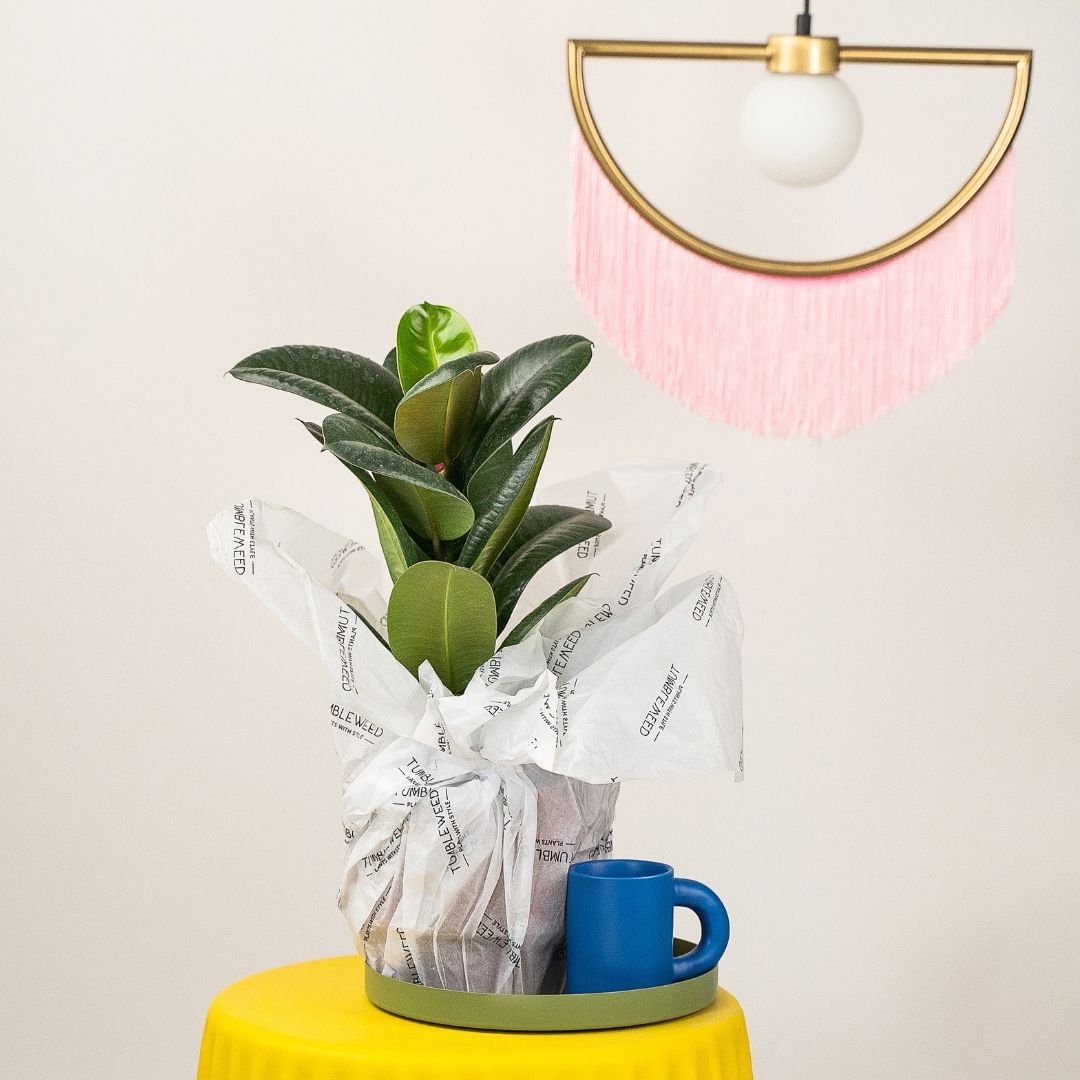
Rubber Plant — Maintains form but grows very slowly. May drop lower leaves over time.
Dieffenbachia — Tolerates shade but becomes leggy and loses leaf patterns.
Grow Lights: Expanding Your Options
If you want plants in a genuinely dark room, grow lights transform the equation entirely. Modern LED grow lights are affordable, energy-efficient, and available in designs that blend into home decor.
Types of grow lights:
- LED strip lights: Mount under shelves to illuminate plants below. Discreet and effective.
- Pendant grow lights: Hang above plants like a normal light fixture. Some are designed to look like home lighting.
- Floor lamp grow lights: Stand beside plants. Some models combine ambient room lighting with grow-spectrum LEDs.
- Clip-on grow lights: Attach to shelves or desks. The most affordable entry point.
How much light do grow lights provide?
Most houseplants need 10-14 hours of grow light per day to substitute for natural light. A timer automates this — set it once and forget.
Cost in Singapore:
Basic clip-on grow lights: $15-$30 on Shopee or Lazada. Quality LED strip systems: $30-$80. Designer grow light fixtures: $80-$200+.
Styling Plants in Dark Rooms

Use Light-Coloured Pots
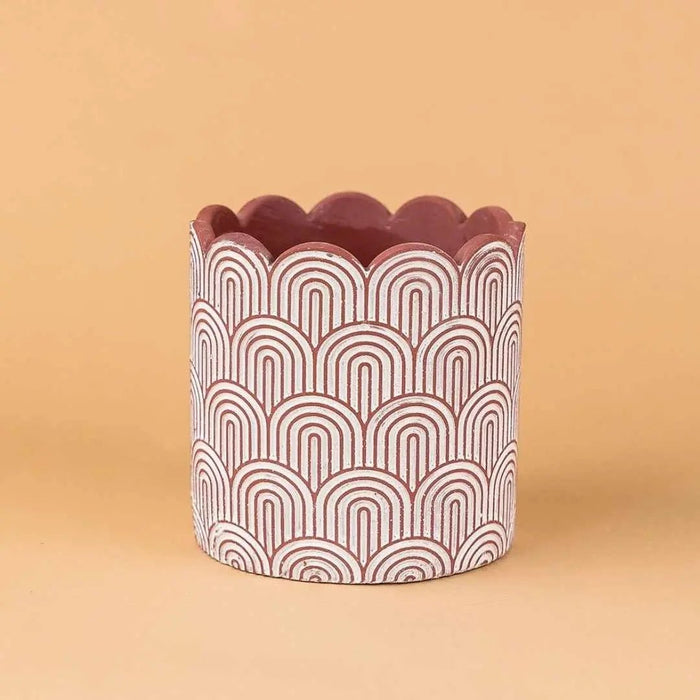
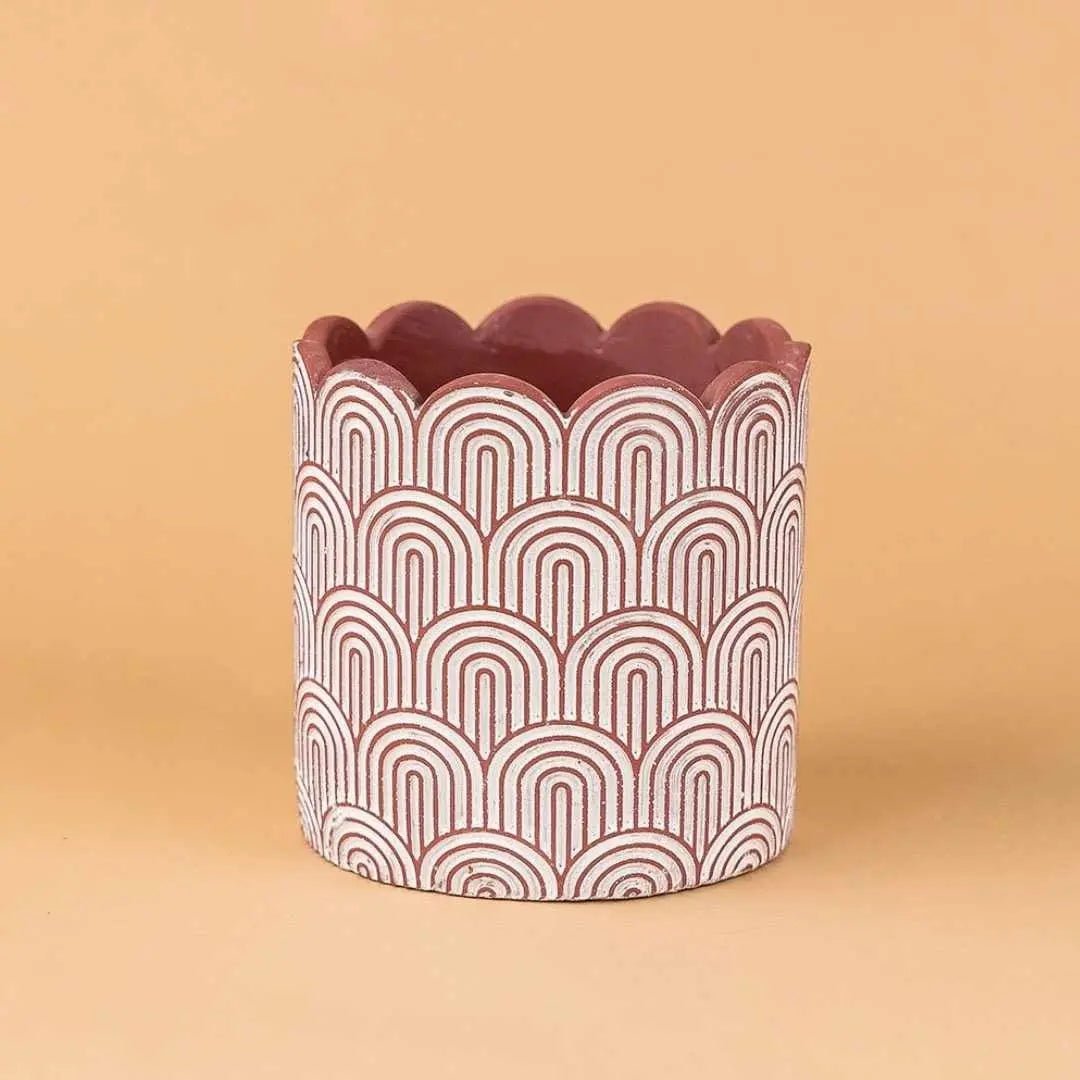
In dark rooms, white, cream, and light grey pots reflect what little light exists and create contrast with the green foliage. Dark pots in dark rooms disappear.
Choose Plants with Glossy Leaves
Glossy-leaved plants (ZZ Plant, Pothos, Rubber Plant) reflect ambient light, appearing brighter and more vibrant than matte-leaved plants in the same conditions.
Position Near Light Sources
Place plants near lamps, under-cabinet lights, or adjacent to doorways that lead to brighter rooms. Even small amounts of supplementary light make a difference.
Use Mirrors
A mirror opposite a window or light source reflects light deeper into the room. Placing a plant near a mirror effectively doubles the available light for that plant.
Keep Leaves Clean
Dust blocks light absorption. In dark rooms where every photon counts, clean leaves monthly by wiping with a damp cloth.
Care Adjustments for Low-Light Plants
Water less. Plants in low light photosynthesize less and therefore use less water. The soil dries more slowly. Overwatering is the biggest risk — let soil dry more between waterings than you would in brighter conditions.
Fertilise less. Reduced growth means reduced nutrient demand. Feed at half the frequency you would in bright light.
Expect slower growth. This is normal, not a problem. A ZZ Plant in a dark corridor might produce one new stem per year. That is fine.
Rotate periodically. If possible, move low-light plants to a brighter spot for a few weeks every few months. This "vacation" recharges the plant.
Accept limitations. Low-light plants will not flower, will not produce dramatic variegation, and will not grow rapidly. They will be green, alive, and present — which is exactly what a dark room needs.
Shop Low-Light Plants

Browse our indoor plant collection for shade-tolerant plants that transform Singapore's darkest spaces. From glossy ZZ Plants to elegant Peace Lilies, we deliver plants ready to brighten any corner.
Dark rooms are not no-plant zones — they are opportunities for the right plants. A ZZ Plant in a dim corridor, a Snake Plant in a windowless bathroom, a Pothos trailing from a shelf in a shaded study — these plants bring life to spaces that would otherwise be entirely artificial. They ask for little light and even less effort. In return, they give you something irreplaceable: the quiet presence of something green and alive in a space that would otherwise have none.
Quick summary
Key Takeaways
- Understanding Low Light
- The Best Low-Light Plants
- Grow Lights: Expanding Your Options
- Styling Plants in Dark Rooms
- Care Adjustments for Low-Light Plants
- Shop Low-Light Plants
Ready to bring some green into your home?
Browse 250+ hand-picked plants, curated for Singapore homes — delivered to your door.
Browse All Plants →