























How to Build a Plant Care Routine in Singapore | Tumbleweed Plants Singapore
Posted on April 16 2026
In this article

The difference between someone whose plants thrive and someone whose plants slowly decline is rarely knowledge — it is routine. Most plant owners know the basics: water when dry, give light, do not overwater. But knowing and consistently doing are different things. The busy professional who knows their Calathea needs filtered water but fills the watering can from the tap every time is not ignorant — they are routine-less.
A plant care routine is not a rigid schedule. It is a sustainable rhythm of attention that keeps your plants healthy without turning care into a chore. Here is how to build one that works in Singapore's conditions and your actual life.
Why Routines Matter More Than Knowledge
Consistency Beats Perfection
A plant that gets watered consistently every 7 days with tap water will outperform a plant that gets watered perfectly with filtered water but on a random, irregular schedule. Plants adapt to consistency. They struggle with unpredictability.
Catching Problems Early
Pests, disease, and stress are easiest to treat when caught early. A routine that includes a quick visual check of each plant means you notice the first mealybug, the first yellow leaf, the first sign of stress — instead of discovering a full infestation three weeks later.
Reducing Decision Fatigue
Without a routine, every watering is a decision: "Does this plant need water? When did I last water it? Is the soil dry enough?" A routine reduces these decisions to automatic actions on set days.
The Weekly Routine

Pick a Day
Choose one day per week as your primary plant care day. Sunday mornings work well for many people — a calm start to the week that gives your plants attention when you are unhurried.
The 15-Minute Walk-Through
On your plant care day, walk through your home with a watering can and a spray bottle:
- 1. Check each plant's soil — Insert a finger 2-3cm into the soil. If dry, water. If still moist, skip.
- 2. Water as needed — Water thoroughly until water drains from the bottom. Empty saucers after 30 minutes.
- 3. Quick visual inspection — Look at each plant for 5 seconds. Any yellow leaves? Pests? Drooping? New growth? This quick scan catches problems early.
- 4. Remove dead leaves — Pick off any yellowed, brown, or dead foliage. Takes seconds and keeps plants looking clean.
- 5. Rotate pots — Give each pot a quarter turn so all sides get even light exposure over the month.
Time: 15-20 minutes for a collection of 10-20 plants. Larger collections may take 30-40 minutes.
Mid-Week Check (Optional)
For plants in bright or warm positions that dry faster, a quick mid-week check (Wednesday or Thursday) prevents stress. No need for a full routine — just check soil moisture on your thirstiest plants and water if needed.
The Monthly Routine
Once a month, add these tasks to your weekly routine:
Leaf Cleaning
Wipe all large-leaved plants with a damp cloth. Dust blocks light absorption and hides pests. This is especially important in Singapore where dust, pollution, and cooking residue accumulate.
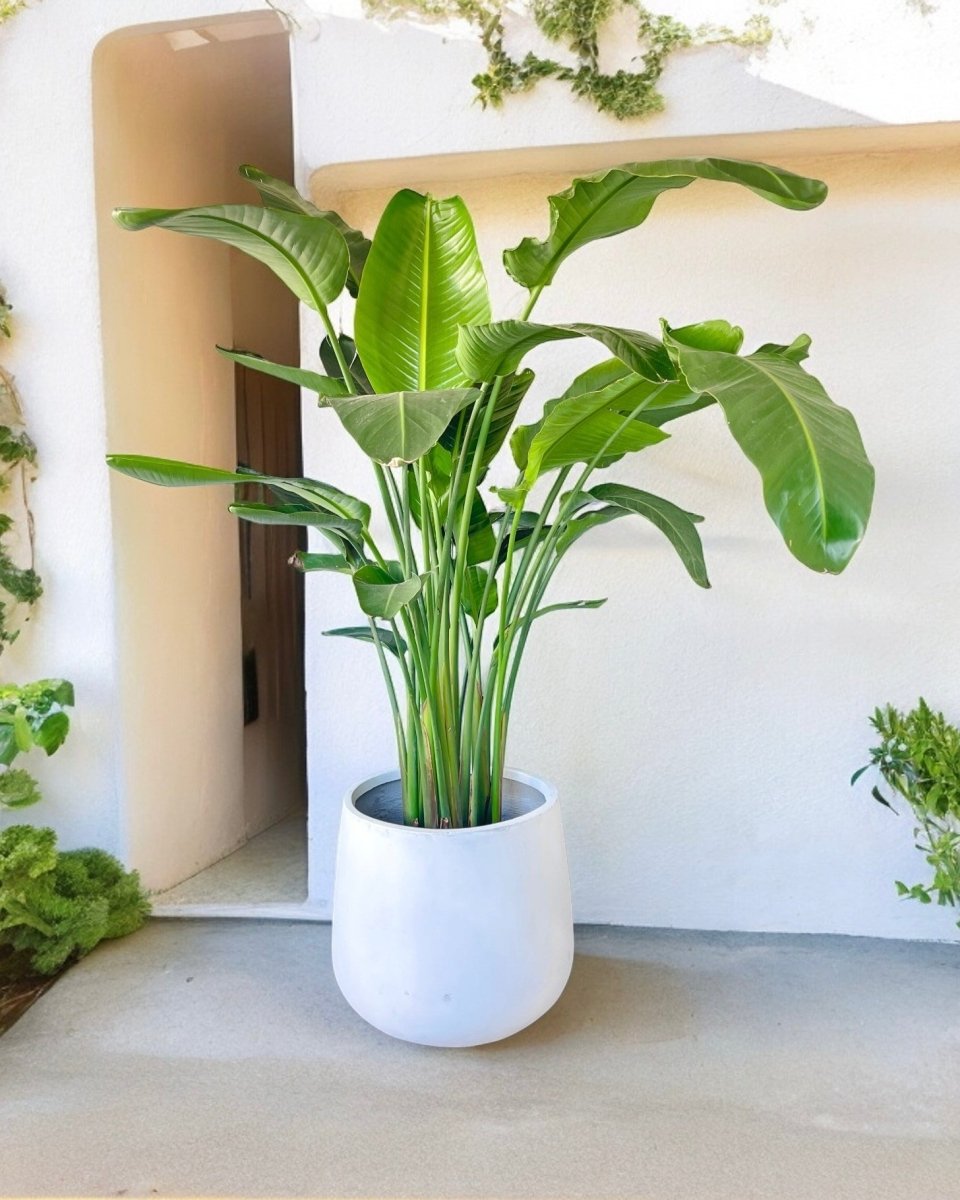
Plants to prioritise: Monstera, Philodendron, Rubber Plant, Aglaonema, Bird of Paradise.
Fertilising
Apply liquid fertiliser at half strength to actively growing plants. In Singapore's year-round warmth, most plants grow continuously, so monthly fertilising is appropriate throughout the year.
Pest Inspection
A thorough pest check — not the quick glance of the weekly routine, but a closer examination:
- Check leaf undersides for spider mites, scale, or mealybugs
- Look at stem junctions and leaf axils for hidden pests
- Inspect soil surface for fungus gnats
- Examine new growth points where pests often congregate
Pruning
Remove any leggy, damaged, or overgrown stems. Prune trailing plants that have grown too long. Shape bushy plants that have become uneven. Monthly light pruning prevents the need for major interventions.
The Quarterly Routine

Every three months, do a deeper assessment:
Soil Flush
Water each plant extra thoroughly to flush accumulated mineral salts and fertiliser residue from the soil. Let water run through the pot for an extended period.
Repotting Assessment
Check if any plants need repotting:
- Roots growing from drainage holes
- Plant drying out unusually fast
- Roots visible on the soil surface
- Stunted growth despite good care
Do not repot unless needed — unnecessary repotting stresses plants. If repotting is needed, the quarterly check is a good time.
Collection Review
Step back and assess your collection:
- Are any plants consistently struggling despite correct care? Consider rehoming or moving to a better position.
- Are any positions empty that could support a plant?
- Is the overall aesthetic still working, or has the collection become cluttered?
Adapting for Singapore's Climate
Rainy Season (November - January)
- Outdoor and balcony plants get natural watering — reduce or stop supplemental watering
- Indoor humidity increases — watch for fungal issues
- Light levels decrease on overcast days — light-loving plants may slow growth
- Reduce fertilising slightly if growth slows
Hot, Dry Periods (February - April)
- Water requirements increase — check soil moisture more frequently
- Indoor plants near windows may need more attention
- AC usage may increase, reducing indoor humidity
- Consider misting or pebble trays for humidity-loving plants
Monsoon Transition (May - June, September - October)
- Variable conditions — be flexible with your routine
- Watch for sudden heavy rain affecting balcony plants
- Pests may be more active during warm, humid transitions
Year-Round in Singapore
Singapore's lack of dramatic seasons means your routine stays relatively consistent. The main variable is AC usage (affects indoor humidity) and rainfall (affects outdoor plants). Indoor plants in climate-controlled environments need the least seasonal adjustment.
Tools for Your Routine

Essential
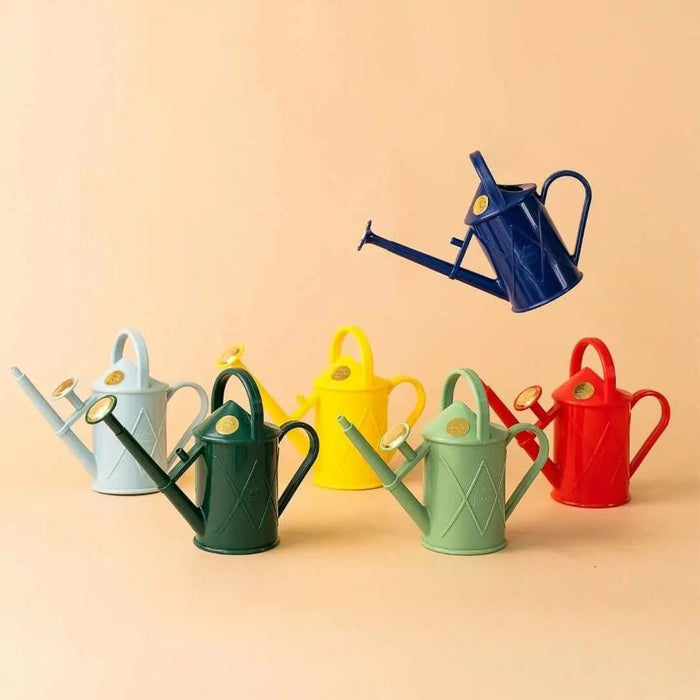
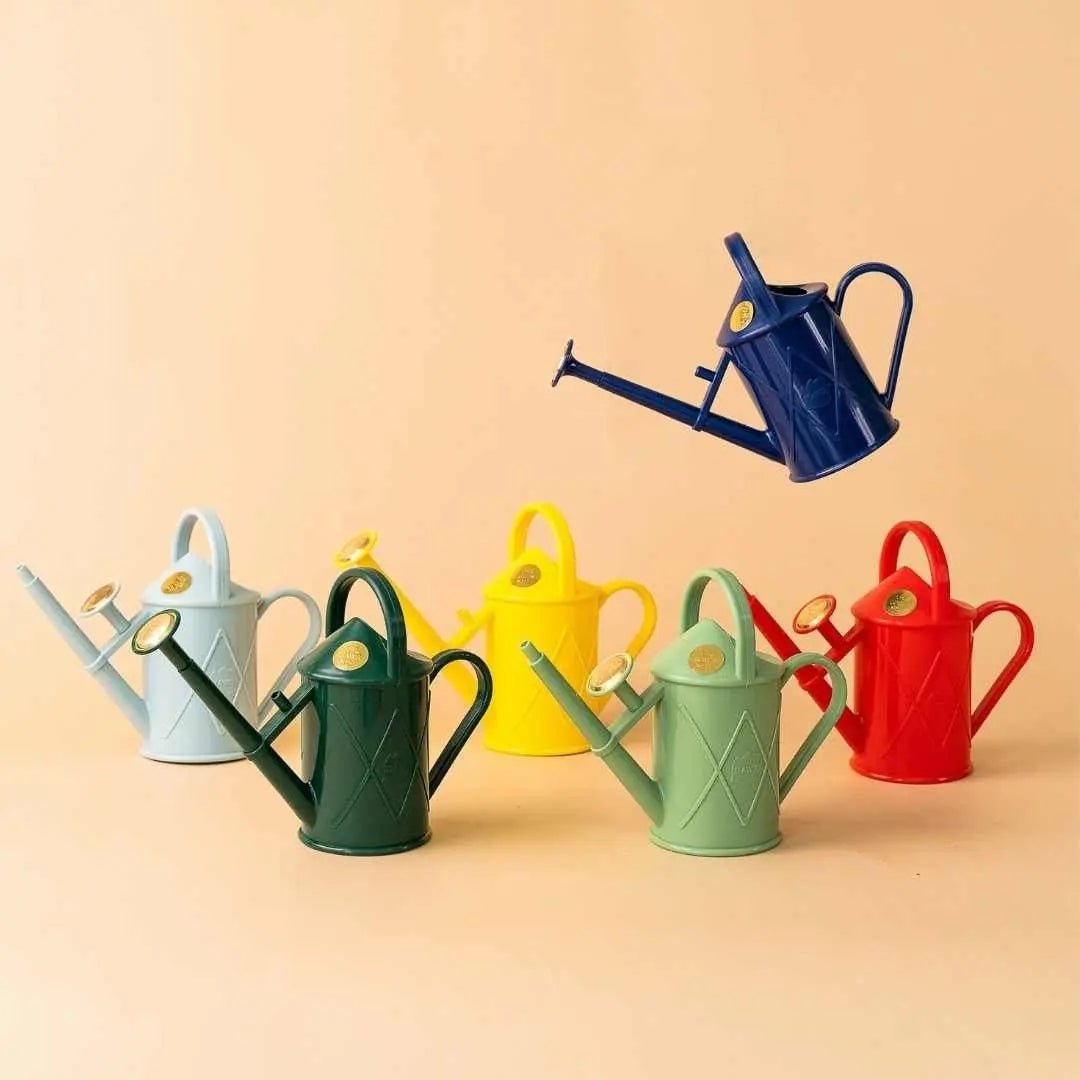
- Watering can with a narrow spout for precision
- Spray bottle for misting (if you have humidity-loving plants)
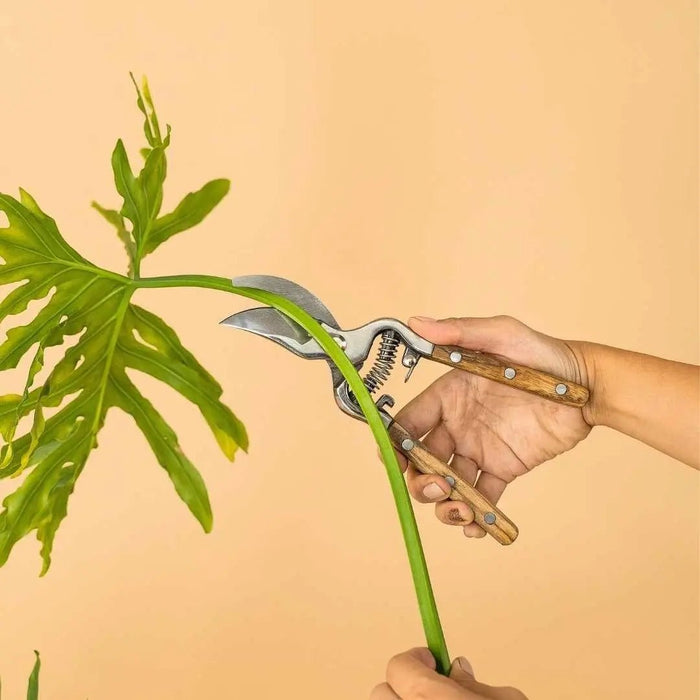
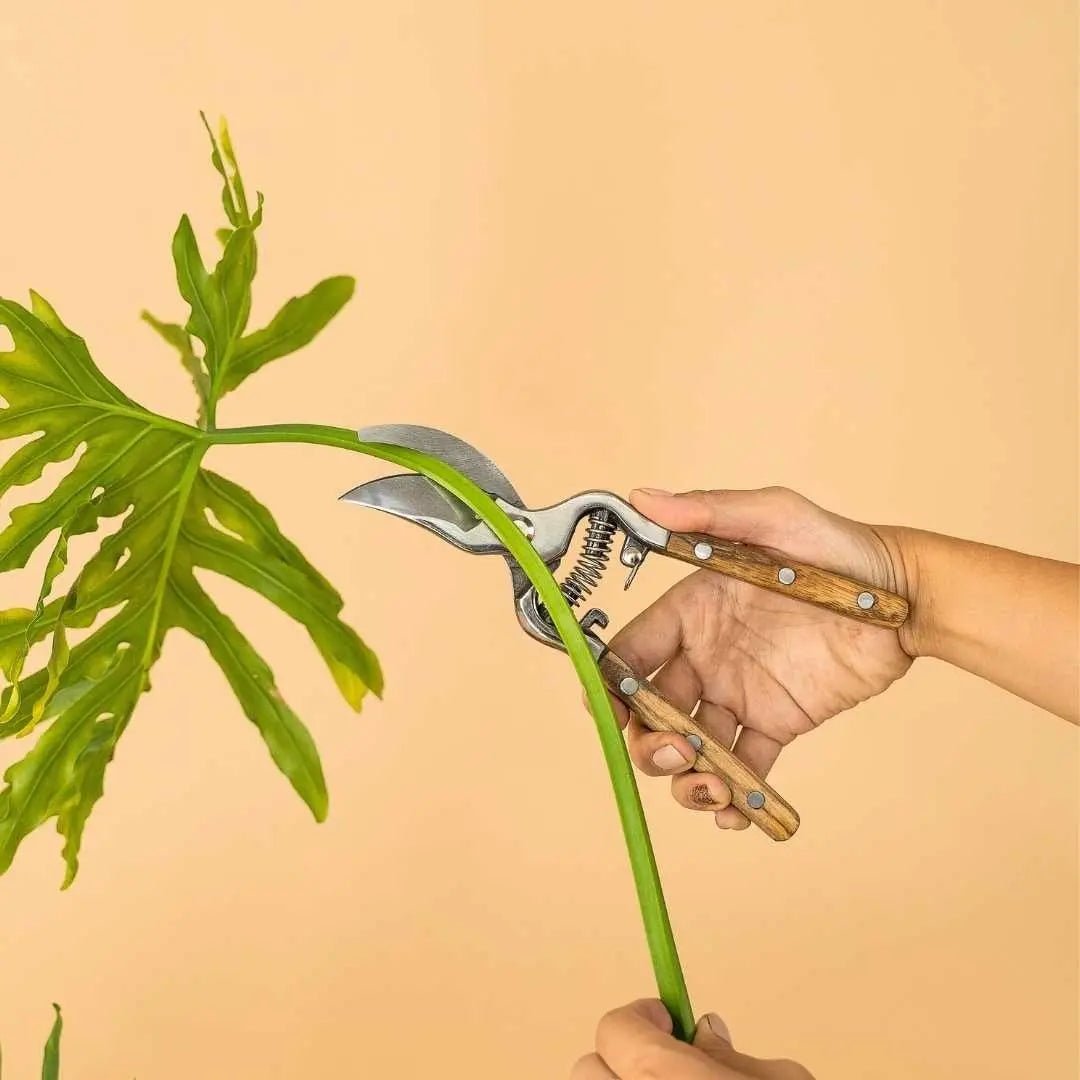
- Scissors or secateurs for pruning and removing dead leaves
- Saucers under every pot
Helpful
- Moisture metre — Takes the guesswork out of "is the soil dry enough?" Especially useful for large pots where finger-testing does not reach deep enough.
- Microfibre cloth — For leaf cleaning
- Small dustpan or bag — For collecting dead leaves and debris during your routine
Digital
- Plant care app — Apps like Planta or Greg can remind you of watering schedules and track your collection. Useful if you are building your routine and need reminders.
- Phone calendar — A simple monthly reminder for fertilising and quarterly tasks
Common Routine Mistakes
Watering on a Rigid Schedule
"Every Monday" is a starting point, not a rule. Soil drying speed changes with seasons, AC usage, and plant growth. Always check soil moisture before watering — the schedule tells you when to check, not when to water.
Doing Too Much
Over-caring is more common than under-caring. Over-watering, over-fertilising, and over-pruning all stress plants. Your routine should be attentive, not aggressive. Many plants thrive on benign neglect between check-ins.
Neglecting New Plants
New additions to your collection need more attention during the first 2-4 weeks as they acclimate to your home's conditions. Include a closer check on recent purchases in your routine until they have stabilised.
Skipping the Routine When Busy
Life happens. But a skipped week becomes a skipped month, and neglected plants deteriorate. If you cannot do the full routine, do a 5-minute essentials-only version: check the most vulnerable plants and water any that are obviously dry.
Shop Plants
Browse our indoor plant collection for plants delivered across Singapore — ready to join your care routine.
A plant care routine is not about being a perfect plant parent — it is about being a consistent one. Fifteen minutes once a week, a slightly longer session once a month, and a thoughtful review once a quarter. That is all it takes to keep a collection of 10, 20, or even 50 plants healthy and beautiful. In Singapore, where year-round warmth means year-round growth, the routine stays mercifully consistent. No winterising, no seasonal overhauls, no drastic adjustments. Just a regular rhythm of checking, watering, cleaning, and appreciating the living things that share your home. Build the routine. Keep it simple. And on those Sunday mornings when you are walking through your flat with a watering can, taking five seconds to look at each plant and notice what has changed, what has grown, what needs attention — that is not a chore. That is a practice. And it is one of the most quietly rewarding habits you can build.
Quick summary
Key Takeaways
- Why Routines Matter More Than Knowledge
- The Weekly Routine
- The Monthly Routine
- The Quarterly Routine
- Adapting for Singapore's Climate
- Tools for Your Routine
Ready to bring some green into your home?
Browse 250+ hand-picked plants, curated for Singapore homes — delivered to your door.
Browse All Plants →











Comments
0 Comments
Leave a Comment