


















ZZ Plant Care: The Indestructible Houseplant That Thrives on Neglect
Posted on April 16 2026
In this article
- What Is a ZZ Plant?
- ZZ Plants in Singapore: Why They're Perfect for Our Climate
- ZZ Plant Light Requirements
- How Often to Water a ZZ Plant
- Soil and Potting
- Temperature and Humidity
- Fertilizing
- Repotting ZZ Plants
- Propagating ZZ Plants
- Common ZZ Plant Problems
- Is the ZZ Plant Toxic?
- ZZ Plant Quick Reference
- Why Everyone Should Own a ZZ Plant
Target keyword: `zz plant care` / `zamioculcas zamiifolia care`

Est. monthly searches: 22,000–30,000
Pillar: B (Care/Educational)
CTA: Shop our ZZ plants — available in 4", 6", and 10" pots
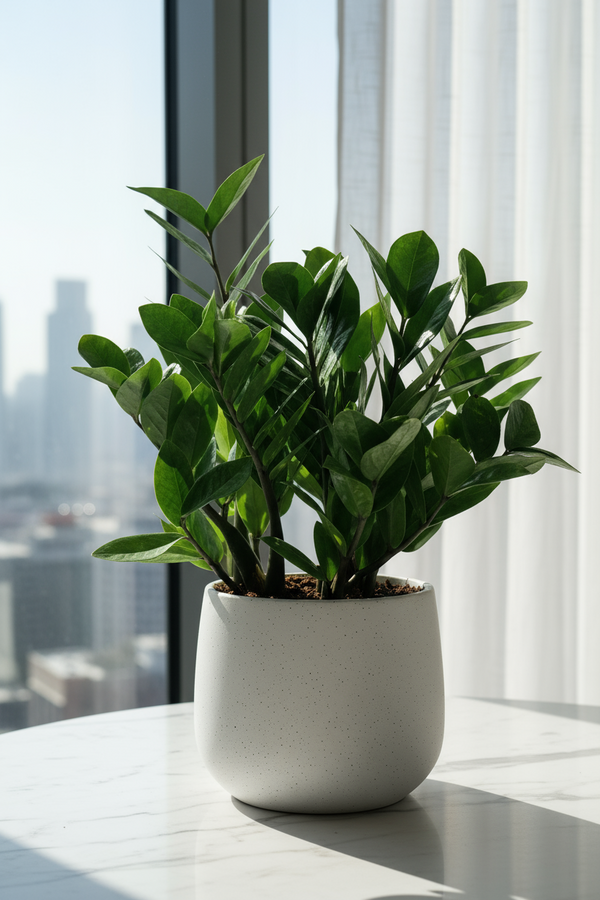
Thumbnail image spec: 1200x628px | Alt: "ZZ plant with glossy dark green leaves in a terracotta pot on a HDB windowsill in Singapore" | Source: Original product photography or Unsplash (search: ZZ plant indoor)
---
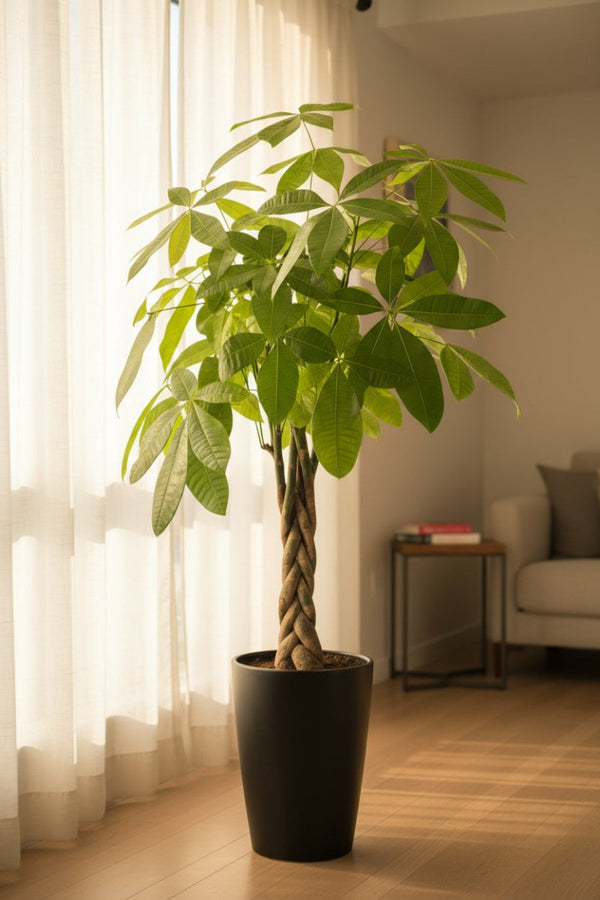
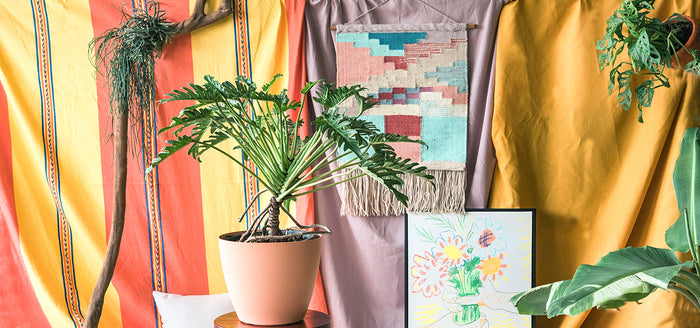
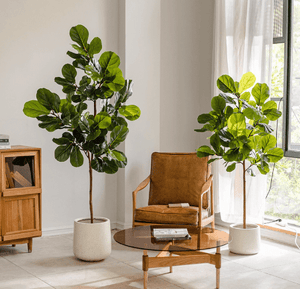
A thriving ZZ plant (Zamioculcas zamiifolia) in a bright HDB living room — one of the easiest plants to grow in Singapore's tropical climate.
If there's one plant that truly earns the title "indestructible," it's the ZZ plant (Zamioculcas zamiifolia). With its glossy, deep-green leaves and near-zero maintenance requirements, the ZZ is the houseplant world's best-kept secret — and once you own one, you'll wonder how you ever lived without it.
This guide covers everything you need to know about ZZ plant care, including the one mistake that actually does kill them (spoiler: it's overwatering) — with specific tips for keeping ZZ plants thriving in Singapore's warm, humid year-round climate.
---
What Is a ZZ Plant?
The ZZ plant is a tropical perennial native to eastern Africa, from Kenya down to South Africa. It stores water in thick underground rhizomes — essentially potato-like storage organs beneath the soil — which is why it can survive weeks, sometimes months, without water.
The name "ZZ" comes from its botanical name Zamioculcas zamiifolia, which is admittedly a mouthful. Other common names include Zanzibar gem and eternity plant (the latter because it seems to live forever regardless of how little care it gets).
!Image placeholder: ZZ plant rhizomes visible when unpotting — showing the potato-like storage organs
Alt: ZZ plant rhizomes exposed during repotting, showing thick storage organs in fresh potting mix | Source: gardening blog or Unsplash
---
ZZ Plants in Singapore: Why They're Perfect for Our Climate

Singapore's year-round tropical conditions — warm temperatures between 25–33°C, high ambient humidity, and consistent light — are excellent news for ZZ plants. Unlike growers in temperate climates who must manage seasonal dormancy, Singapore plant owners benefit from:
- No winter dormancy: ZZ plants grow actively year-round here, rather than slowing in cold months
- Consistent warmth: Singapore's average temperatures sit within the ZZ's ideal range (18–29°C) all year
- No cold-draft risk: You won't need to worry about cold window ledges damaging the plant
- Great for HDB and condo living: ZZ plants thrive in the indirect light typical of HDB corridors, condo balconies with morning sun, and any indoor space with a window
The main adaptation for Singapore growers: because there is no cool, dry winter season, you may find your ZZ needs slightly more frequent watering than guides written for temperate climates suggest. Always check the soil before watering — the rhizomes still store plenty of moisture.
Where to place your ZZ in a Singapore home:
- HDB living rooms with north or east-facing windows: excellent
- Condo interiors with indirect natural light: great
- Sheltered HDB corridors with bright reflected light: surprisingly good
- Direct outdoor exposure or uncovered balconies: avoid direct afternoon sun
---
ZZ Plant Light Requirements
Best light: Low to bright indirect light
Avoid: Direct sun, especially afternoon sun through a west-facing window
ZZ plants are famous for tolerating low light — and they genuinely mean it, unlike many plants marketed as "low light" that merely survive in dim conditions. A ZZ in a north-facing room with minimal natural light will grow slowly but stay healthy and glossy.
For faster growth, move it closer to a bright indirect light source like an east-facing window. The leaves will be larger and more numerous, and the plant will look fuller.
One exception: direct harsh sunlight will scorch the leaves, turning them yellow then brown. Keep it out of south- or west-facing windows without a sheer curtain as a buffer.
Singapore tip: The afternoon sun in Singapore (west-facing windows, 2–6pm) is extremely intense and will scorch ZZ leaves. East-facing windows with gentle morning light are ideal.
---
How Often to Water a ZZ Plant

In Singapore's tropical climate: Every 10–14 days during the monsoon season; every 7–10 days during drier inter-monsoon periods — but always check the soil first.
The golden rule of ZZ plant watering: when in doubt, don't. This plant stores water in its rhizomes and prefers to dry out completely between waterings. Always check the soil before watering — stick your finger 2 inches deep. If it feels even slightly moist, wait another week.
Signs you're overwatering:
- Yellow leaves (the #1 symptom)
- Mushy stems at the base
- A damp, musty smell from the soil
Signs you're underwatering (rare but possible):
- Leaves that are slightly wrinkled or dull-looking
- Dry, pulling-away soil
When you do water, water thoroughly until it drains from the bottom, then empty the saucer. Never let a ZZ sit in standing water.
!Image placeholder: Finger-test for ZZ plant soil moisture — 2 inches deep in a terracotta pot
Alt: Hand pressing into ZZ plant soil to check moisture before watering | Source: plant care photography or Unsplash
---
Soil and Potting
ZZ plants need fast-draining soil. Standard potting mix works if you amend it with:
- 30% perlite (improves drainage and aeration)
- Optional: a small amount of coarse sand
Avoid heavy, moisture-retaining mixes marketed for ferns or moisture-loving tropicals — these hold too much water for ZZ roots.
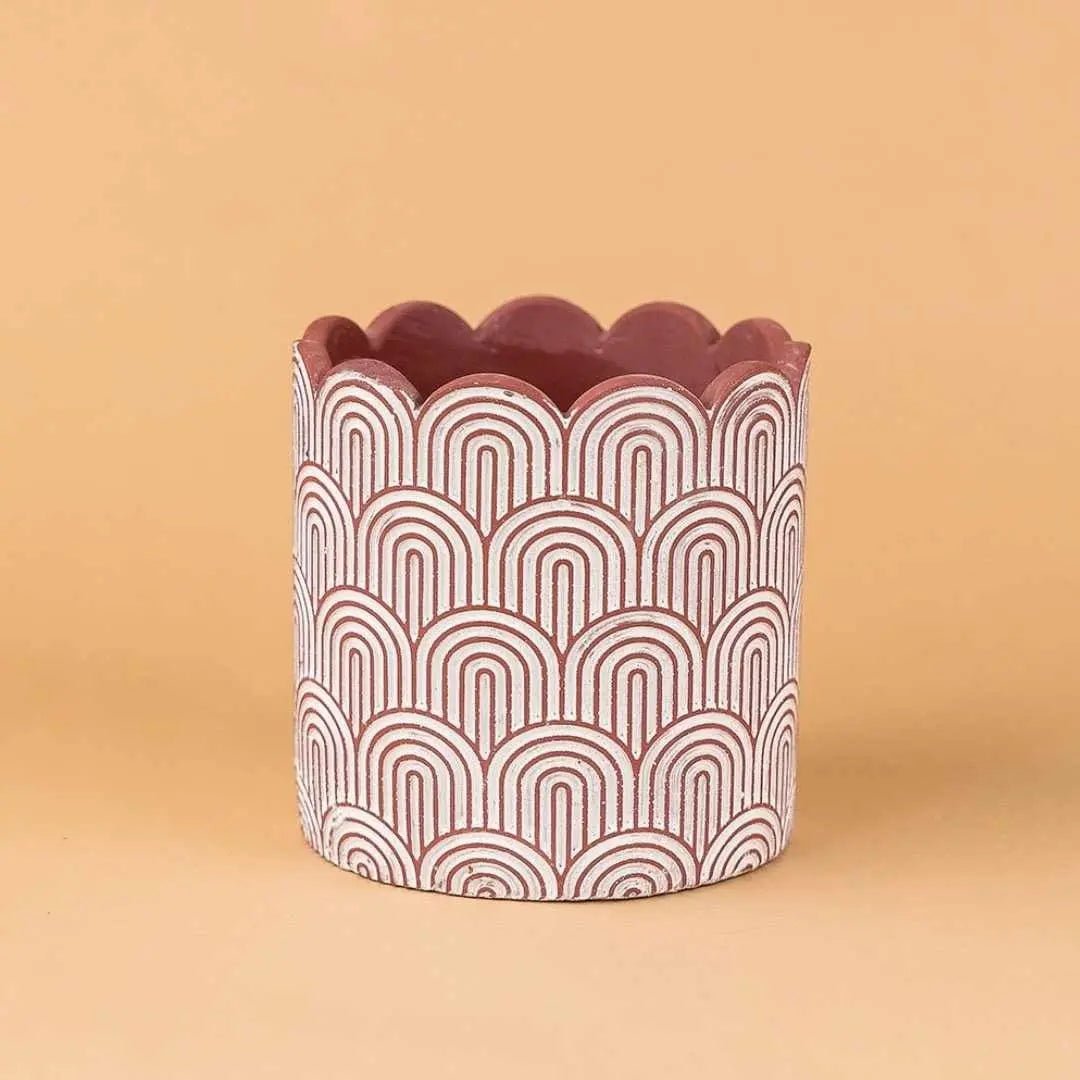
Pot choice: Always use a pot with drainage holes. Terracotta is ideal because it allows the soil to breathe and dry out faster. Glazed ceramic or plastic work fine if you water sparingly.
Singapore note: In Singapore's humidity, glazed pots and plastic pots retain moisture longer than they would in drier climates. When in doubt, lean toward terracotta.
---
Temperature and Humidity

Ideal temperature: 65–85°F (18–29°C) — Singapore's everyday range
Minimum: 45°F (7°C) — not a concern in Singapore
ZZ plants are comfortable in Singapore's ambient humidity (typically 70–80% outdoors). You do not need to mist, run a humidifier, or take any special humidity measures for ZZ plants here — our climate already provides more than enough.
Keep them away from:
- Air conditioning vents blowing directly on the plant (can cause sudden temperature drops)
- Uncovered windows during heavy monsoon rain (avoid waterlogging)
---
Fertilizing
Frequency: Once a month during active growing periods (in Singapore, that's most of the year)
Type: Balanced liquid fertilizer (10-10-10), diluted to half strength
ZZ plants are slow growers and light feeders. Over-fertilizing causes salt buildup in the soil, which can damage the roots and cause brown leaf tips. Because Singapore has no true dormant season for ZZ plants, you can fertilize more consistently — but still take a break every 3–4 months to flush the soil and prevent salt accumulation.
---
Repotting ZZ Plants
ZZ plants prefer being slightly root-bound and rarely need repotting. Signs it's time:
- Rhizomes visibly pushing out of the drainage holes
- The pot cracks or visibly bulges (yes, this happens — the rhizomes are that strong)
- Water drains immediately through because roots fill all the space
Repot every 2–3 years in any season (Singapore's year-round warmth makes any time suitable), moving up only one pot size. Handle the rhizomes gently — they're not fragile, but breaking them can stress the plant.
Alt: ZZ plant rhizome cluster being transferred to a slightly larger terracotta pot with perlite-amended soil | Source: plant care photography
---
Propagating ZZ Plants
ZZ plants can be propagated two ways:
1. Division (easiest): When repotting, separate the rhizome clusters. Each section needs at least one stem. Plant in fresh, well-draining soil and water lightly.
2. Leaf cuttings (slow but satisfying): Remove a healthy leaf with its stem. Let it callous for a few hours, then insert the cut end into moist, well-draining soil. Roots and eventually a tiny rhizome will form in 3–6 months. This method is slow but produces genetically identical plants.
Singapore tip: Singapore's warmth speeds up propagation compared to temperate climates — leaf cuttings may develop rhizomes closer to the 3-month end of the range.
---
Common ZZ Plant Problems
Yellow leaves
Most common cause: Overwatering or soggy soil
Fix: Let the soil dry completely. If roots are brown and mushy, you may have root rot — remove the affected roots, let the plant dry, and repot in fresh soil.
Brown leaf tips
Cause: Fertilizer salt buildup, or fluoride in tap water
Fix: Flush the soil thoroughly with water to remove salt buildup. Switch to filtered or distilled water if browning persists.
Dropping leaves suddenly
Cause: Cold shock from aircon, or sudden temperature change
Fix: Move to a stable location away from direct aircon airflow.
Leggy, stretched growth
Cause: Insufficient light
Fix: Move closer to a window. The plant is reaching toward light.
---
Is the ZZ Plant Toxic?
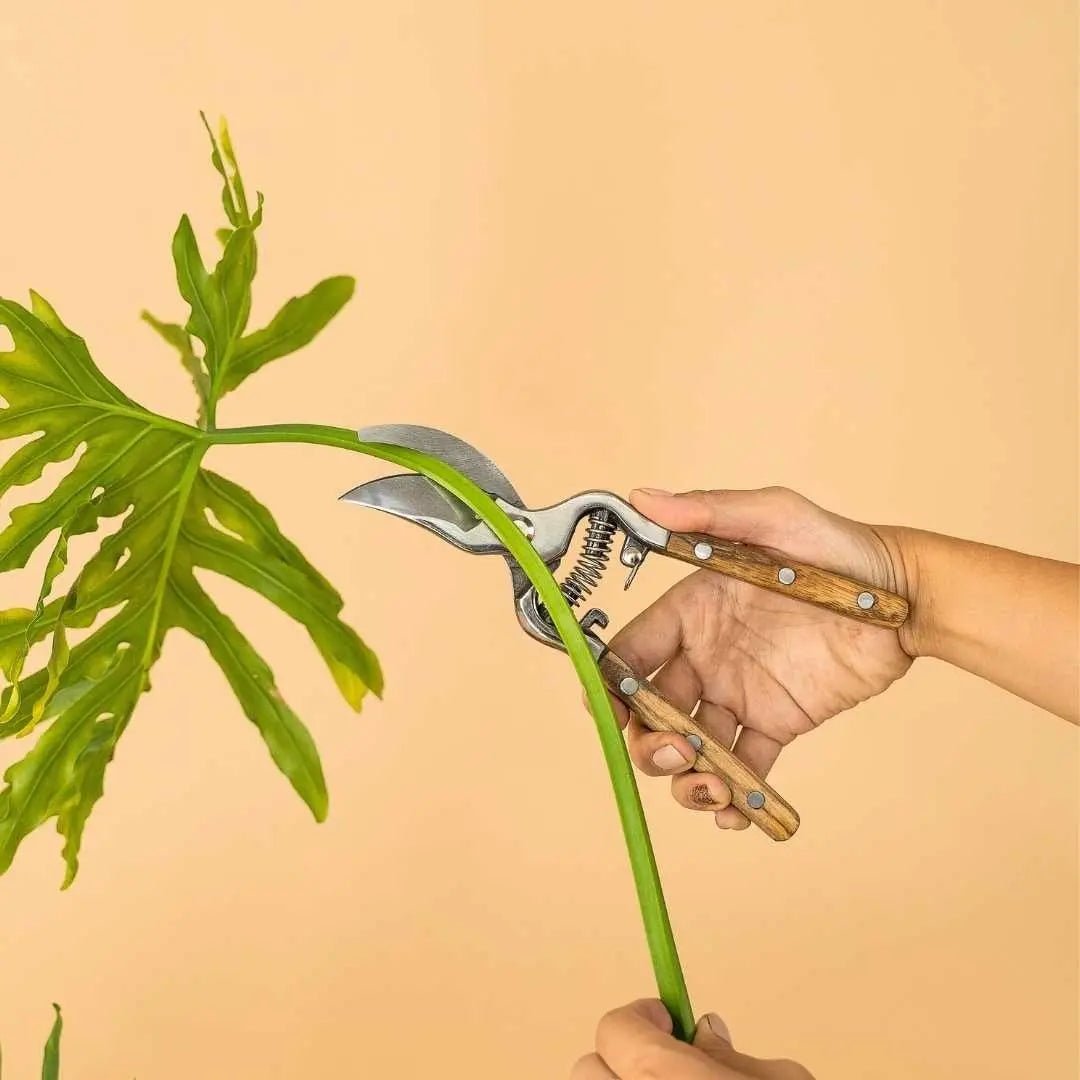
Yes — ZZ plants are toxic to people and pets. All parts of the plant contain calcium oxalate crystals, which can cause skin irritation on contact and gastrointestinal upset if ingested. Wear gloves when pruning or repotting, and keep out of reach of children and animals.
If you need a pet-safe alternative, browse our pet-friendly plants collection for safe options.
---
ZZ Plant Quick Reference
| Care Factor | Requirement | Singapore Notes |
|---|---|---|
| Light | Low to bright indirect | East-facing window ideal; avoid west afternoon sun |
| Watering | Every 10–14 days | Always check soil first; humidity slows drying |
| Humidity | Average (not fussy) | Singapore ambient is fine; no misting needed |
| Temperature | 18–29°C | Singapore's year-round range is perfect |
| Fertilizer | Monthly, half strength | Year-round (no true dormancy here) |
| Repotting | Every 2–3 years | Any season suitable in Singapore |
| Toxic? | Yes — pets and children | Consider pet-safe alternatives if needed |
---
Why Everyone Should Own a ZZ Plant
The ZZ plant is the rare intersection of beautiful and bulletproof. It tolerates:
- Low light
- Irregular watering
- Average humidity
- Minimal fertilizing
- Temperature fluctuations
And in return it gives you: thick, architectural stems, glossy leaves that naturally shine without leaf polish, and a plant that simply refuses to die.
Whether you're a first-time plant parent who's killed everything before, or an experienced collector adding architectural plants to your HDB or condo, the ZZ deserves a spot in your home.
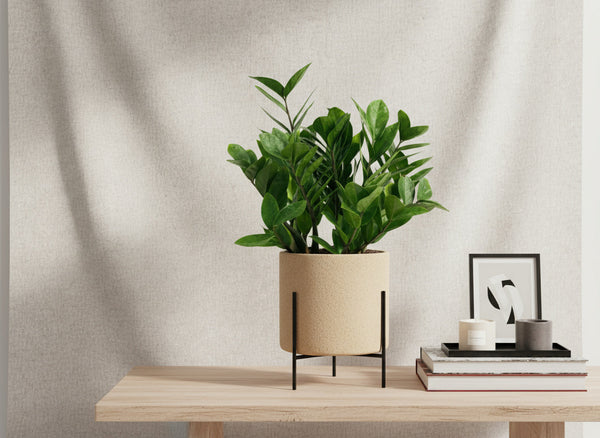
Alt: ZZ plant in a white ceramic pot on a wooden plant stand in a bright Singapore HDB living room | Source: Interior/lifestyle photography, Unsplash or original
---
Ready to bring home a ZZ plant? Shop our ZZ plant collection — available in tabletop 4" and 6" pots and statement-making 10" sizes, all grown in well-draining custom mix and ready to thrive in your Singapore home. Need it fast? Check our same-day plant delivery options.
---
Quick summary
Key Takeaways
- What Is a ZZ Plant?
- ZZ Plants in Singapore: Why They're Perfect for Our Climate
- ZZ Plant Light Requirements
- How Often to Water a ZZ Plant
- Soil and Potting
- Temperature and Humidity
Ready to bring some green into your home?
Browse 250+ hand-picked plants, curated for Singapore homes — delivered to your door.
Browse All Plants →