




















Moisture Meter for Plants: How to Use One in Singapore Homes
Posted on July 03 2026
Watering is one of the trickiest parts of keeping indoor plants in Singapore. Our homes are humid, bathrooms and service yards can stay damp for days, and air-conditioned rooms can dry pots out faster than expected. A moisture meter will not replace careful observation, but it can make your watering decisions much clearer—especially if you are caring for larger plants, self-watering planters, or pots with dense soil mixes.
This guide explains how to use a moisture meter properly in Singapore homes, what the readings actually mean, and how to avoid the common mistakes that lead to overwatering or root rot.
What is a moisture meter?
A moisture meter is a simple plant-care tool with a probe that goes into the potting mix. It gives you a quick reading of how wet or dry the mix is below the surface. Some tools, such as a 4-in-1 watering meter, may also include light, pH or nutrient indicators.
For most indoor plant owners, the moisture reading is the most useful part. It helps answer the question: “Is the root zone actually dry, or does only the top layer look dry?”
Why moisture meters are useful in Singapore
Singapore’s climate makes plant watering a little different from what you may read in overseas care guides. High humidity slows evaporation from the soil surface. Rainy weeks can keep balcony plants wetter for longer. At the same time, strong afternoon sun, fans and air-conditioning can make some pots dry out quickly.
A moisture meter is helpful because it checks what is happening inside the pot, not just what the top centimetre of soil looks like. This is especially useful for:
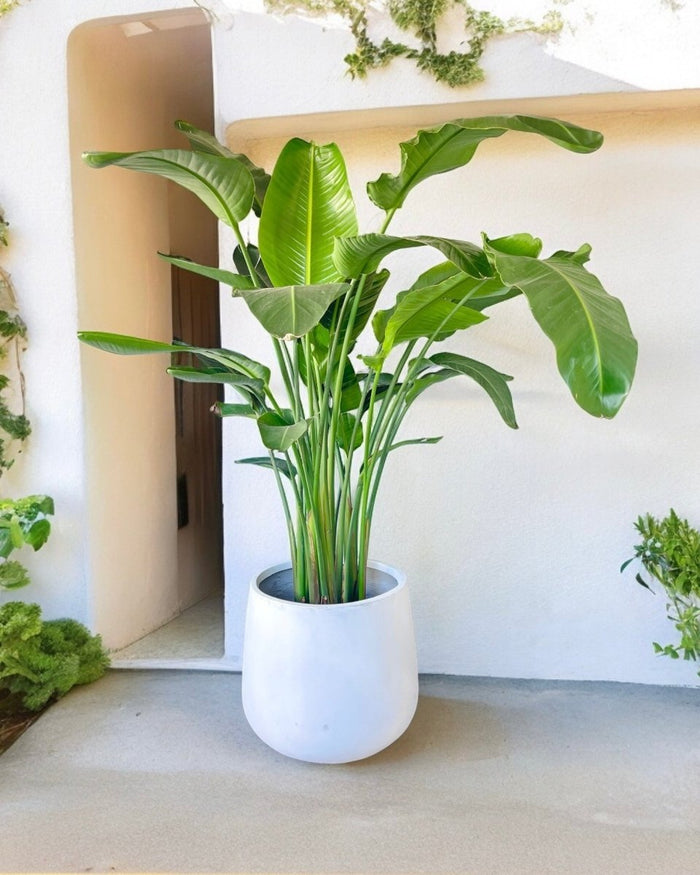
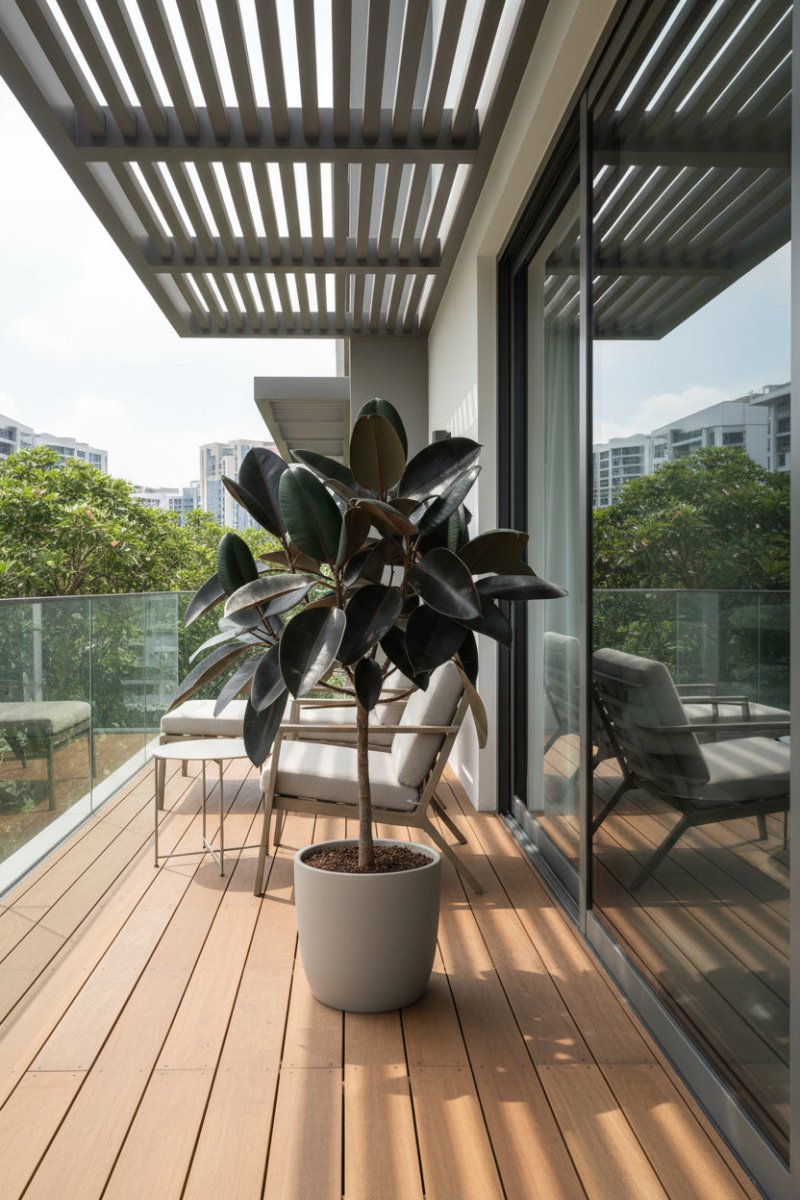
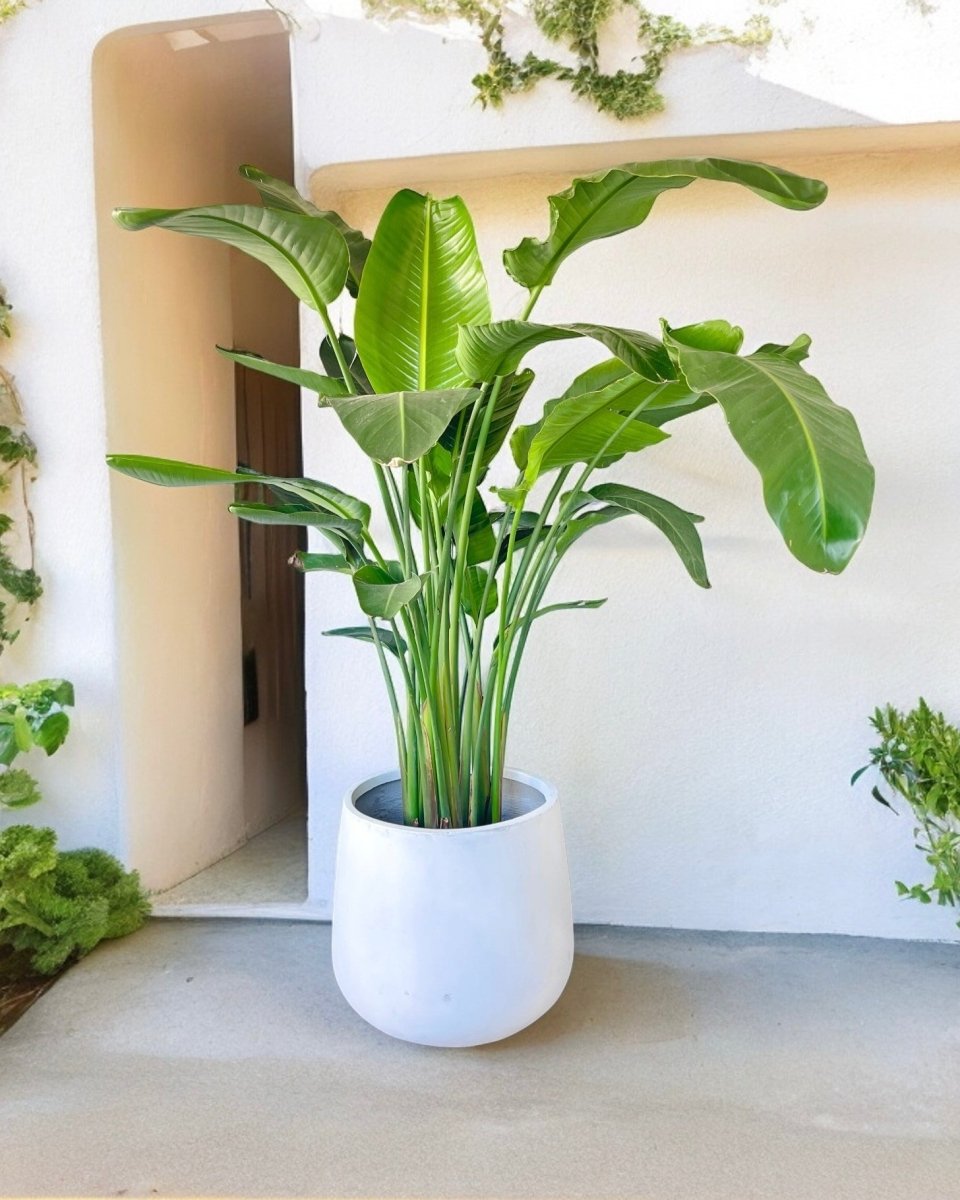
- Large indoor plants such as ficus, monstera, palms and bird of paradise, where the top may look dry while the lower pot is still damp.
- Decorative planters where it is hard to judge drainage or soil depth by sight.
- New plant parents who are still learning the weight and feel of a watered pot.
- Busy homes and offices where multiple people may be watering the same plants.
How to use a moisture meter correctly
For the best reading, insert the probe gently into the potting mix until it reaches the root zone. For a small tabletop plant, this may be only a few centimetres deep. For a floor plant, test deeper and closer to where the roots are likely to sit.
- Test before watering. Do not water first and then check; the reading will only confirm what you just did.
- Insert the probe away from the main stem. Aim for the middle area between the stem and the pot edge to avoid damaging thicker roots.
- Check two or three spots. Large pots can be unevenly moist, especially if water runs down one side.
- Wipe the probe after each use. This keeps the tool clean and helps prevent residue building up.
- Use the reading as a guide, not a command. Combine it with leaf condition, pot weight, recent weather and the plant’s usual preference.
What the readings mean
Different meters use different scales, but most are designed around a simple dry-to-wet reading. In practice, think of the numbers as a broad guide:
| Reading | What it usually means | What to do |
|---|---|---|
| Dry | The root zone is low on moisture | Water if the plant prefers to dry slightly between waterings |
| Moist | The potting mix still has usable moisture | Wait and check again in a few days for most indoor plants |
| Wet | The lower mix may be saturated | Do not water; check drainage, airflow and potting mix condition |
Plants do not all want the same reading. A cactus or succulent should dry more thoroughly than a fern. A peace lily may prefer a more consistently moist mix. A ficus, monstera or snake plant generally does better when the mix is allowed to partially dry before the next watering.
Common mistakes to avoid
Only testing the surface
The top of the pot can dry quickly in Singapore homes, especially near a bright window or fan. Always test deeper than the surface. Many overwatered plants happen because the top looks dry while the lower half of the pot is still wet.
Watering every plant at the same reading
A moisture meter does not remove the need to know your plant. Ferns, calatheas, ficus, hoyas and succulents have different preferences. Use the meter to understand the pot, then match your watering decision to the plant type.
Ignoring drainage
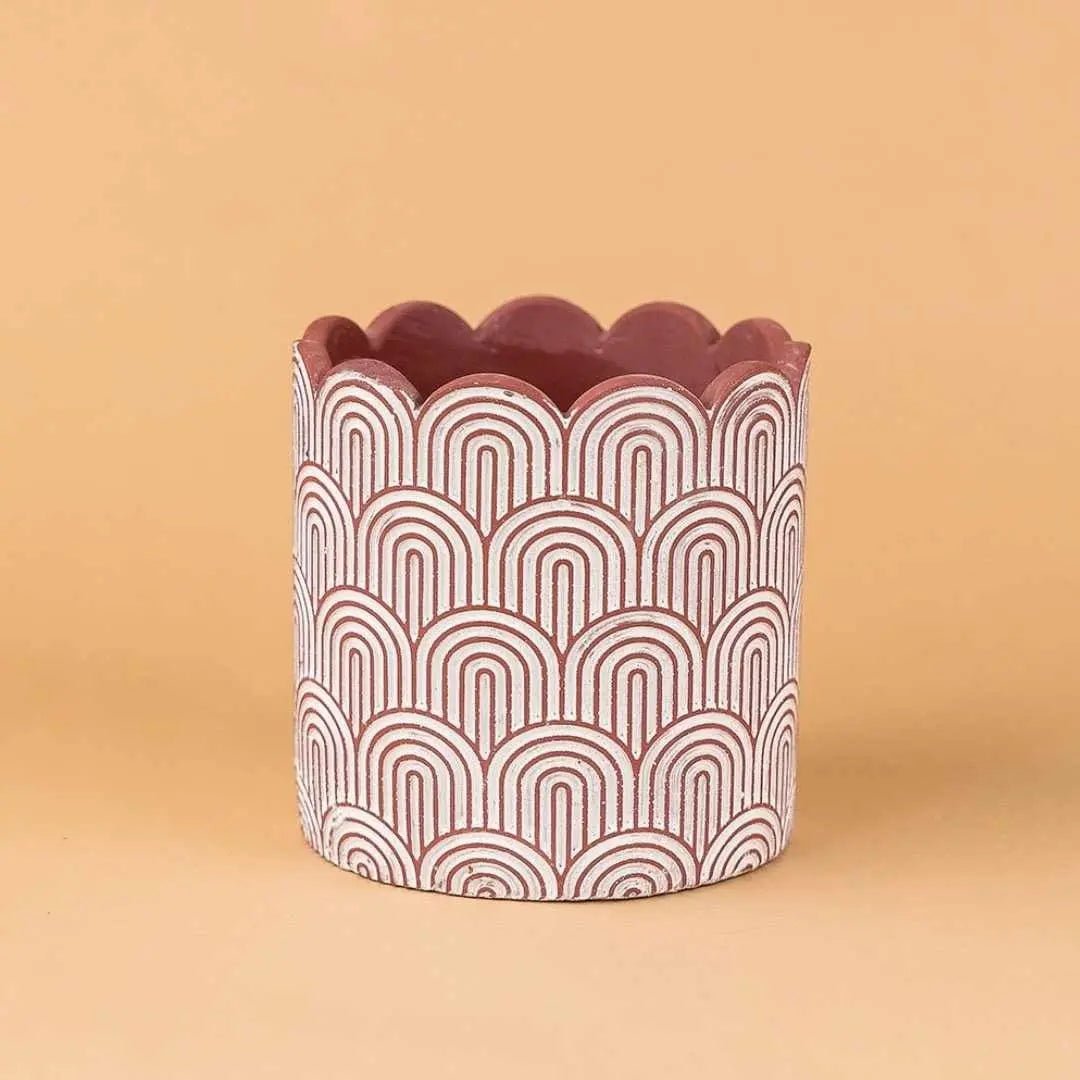
If a pot stays wet for too long, the issue may not be your watering schedule. It may be a pot without drainage, a decorative cachepot holding excess water, or a mix that has become too compact. Browse planters with drainage in mind, and consider checking your potting mix if water is slow to move through.
Leaving the meter in the soil
Most basic probe meters are meant for quick checks, not permanent placement. Insert, read, remove and wipe clean.
How often should you check?
For a new plant, check every few days for the first two to three weeks. This helps you learn how quickly that specific pot dries in your home. Once you understand the pattern, you can check less often and use the meter mainly before watering.
For established plants, a practical rhythm is:
- Small pots: check every 3–5 days, depending on light and airflow.
- Medium pots: check weekly.
- Large floor plants: check every 7–10 days, then water only when the lower root zone has dried enough for that plant.
Moisture meter vs finger test: which is better?
The finger test is still useful for small pots and loose mixes: push your finger into the top few centimetres and feel whether the mix is dry, cool or damp. A moisture meter is more useful when the pot is deep, the plant is large, or the soil surface is misleading.
The best method is to use both. The meter gives you a deeper reading. Your eyes and hands tell you about leaf firmness, yellowing, drooping, pot weight and soil texture.
When a moisture meter reading may be misleading
Moisture meters are simple tools, so readings can vary depending on soil texture, salts, probe placement and how evenly the pot was watered. If a plant looks stressed but the meter says everything is fine, investigate further. Check for compacted soil, root rot smells, blocked drainage holes, pests, or roots filling the pot.
If the reading says wet for many days in a row, do not keep waiting forever without action. Move the plant to brighter indirect light if suitable, improve airflow, empty any standing water from the outer pot, and consider repotting into a better-draining mix if the problem continues.
Quick watering checklist for Singapore plant parents
- Check the root zone, not only the top layer.
- Water thoroughly when the plant actually needs it, then let excess water drain away.
- Avoid “just a little every day” watering for most indoor plants.
- Adjust during rainy weeks, haze periods, intense sun, travel and air-conditioning changes.
- Keep a simple routine, but let the plant and potting mix decide the final timing.
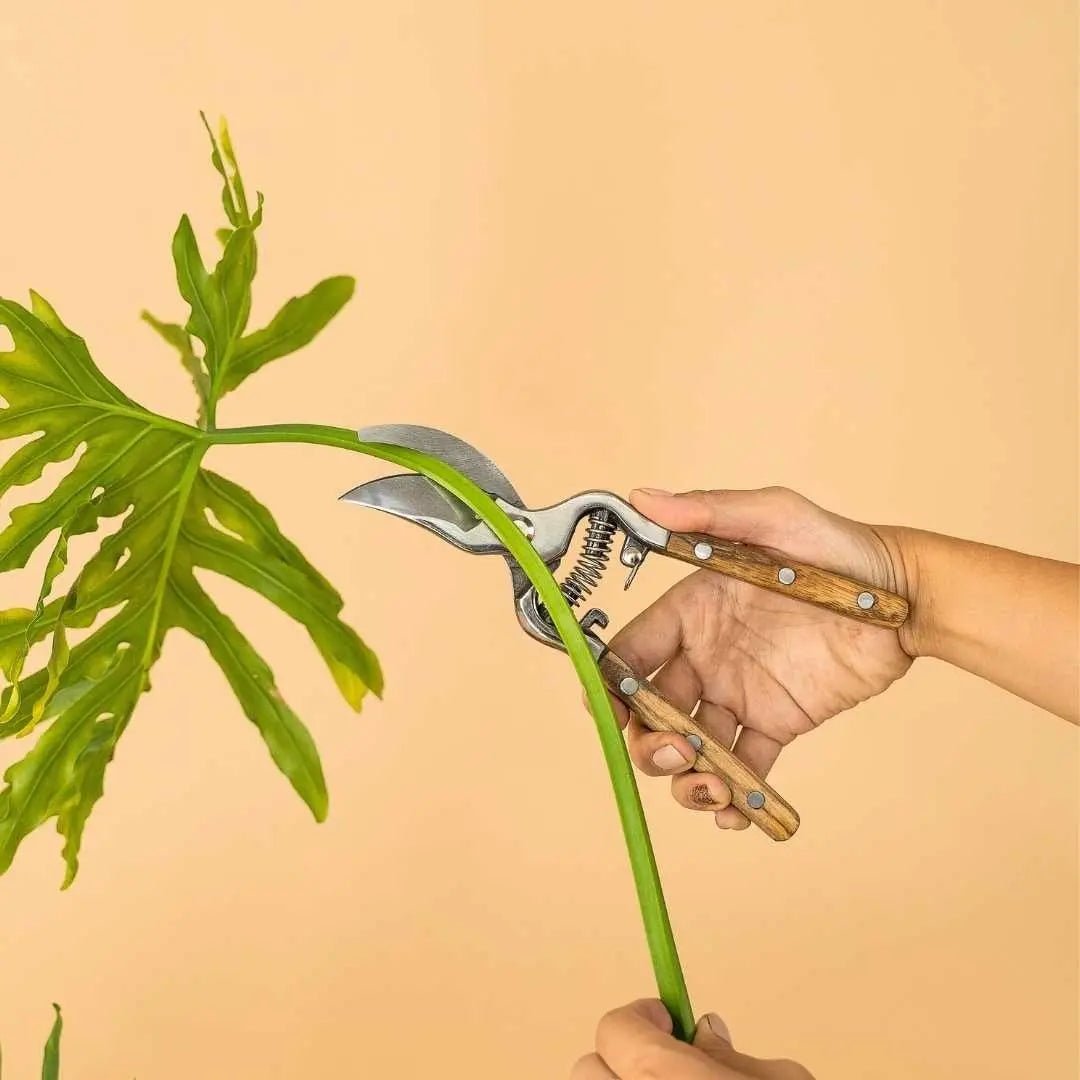
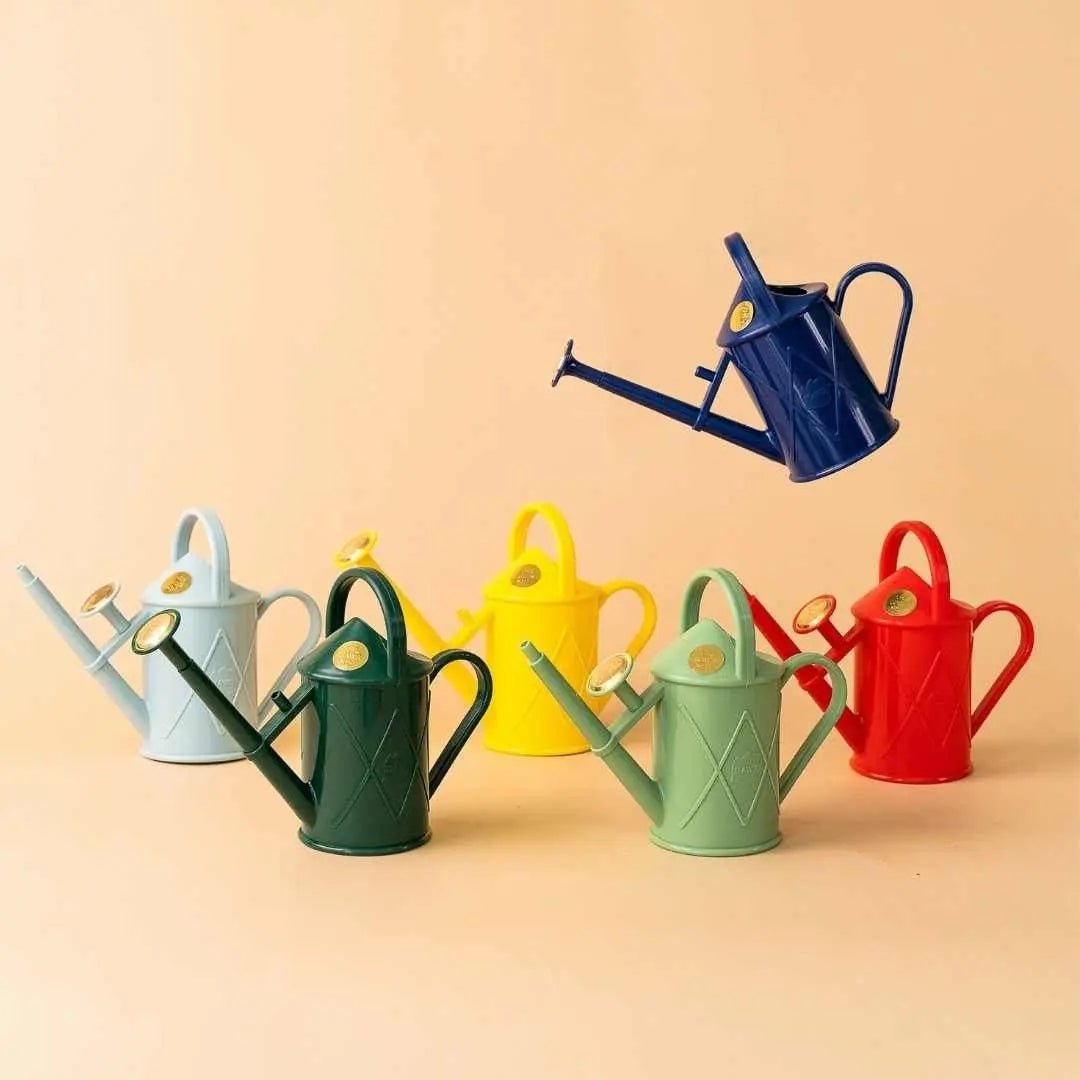
If you are building a plant-care kit, start with the basics: a suitable watering can, a clean pair of snips, a well-draining pot, and a simple moisture meter or watering meter. You can explore more practical tools in Tumbleweed’s gardening tools and plant care collections.
FAQ
Do I need a moisture meter for every plant?
No. One meter can be used across your plants as long as you wipe the probe clean between checks. It is most helpful for deeper pots, new plants and plants that are easy to overwater.
Can a moisture meter prevent root rot?
It can reduce the risk by helping you avoid watering when the root zone is still wet. However, root rot can also be caused by poor drainage, compacted soil, oversized pots or a plant sitting in standing water.
Should I water when the meter says dry?
Usually, yes for plants that prefer to dry slightly between waterings. But always consider the plant type. Succulents and cacti often prefer a drier cycle, while moisture-loving plants may not want to stay dry for long.
Is a moisture meter useful for self-watering pots?
Yes, especially while you are learning how fast the reservoir and potting mix behave in your home. It helps confirm whether the upper root zone is receiving moisture evenly.