














Monstera Deliciosa Care Guide for Singapore
Posted on April 09 2026
In this article
Monstera Deliciosa — the Swiss Cheese Plant — is one of the most popular houseplants in Singapore for good reason. Its large, dramatically fenestrated leaves make an instant design statement, and it is surprisingly easy to grow in our tropical climate.

If you have ever scrolled through plant Instagram and felt envious of those massive, deeply split Monstera leaves, this guide will show you how to achieve that look in your own Singapore home.
Understanding Monstera Deliciosa
Monstera is a climbing aroid native to the tropical forests of Central America. In the wild, it climbs tall trees using aerial roots, reaching heights of 20 metres with leaves over 90cm across.
Indoors in Singapore, you can expect leaves of 30-60cm on a well-cared-for specimen. The iconic holes and splits in the leaves (called fenestrations) develop as the plant matures — young plants produce solid, heart-shaped leaves first.
Key facts:
- Growth rate: moderate to fast in Singapore's climate
- Mature size indoors: 1.5-3 metres tall
- Lifespan: decades with proper care
- Toxicity: mildly toxic to pets if ingested
Light Requirements

Monstera is adaptable, but the right light dramatically affects leaf size and fenestration.
Ideal light: Bright indirect light. In a Singapore home, this means:
- 1-2 metres from a large window
- Near a north or east-facing window
- Behind a sheer curtain on bright south/west windows
Low light tolerance: Monstera survives in low light but will grow slowly with smaller, less fenestrated leaves. If your Monstera has been producing only solid leaves, insufficient light is the likely cause.
Direct sun: Brief morning sun (1-2 hours) is fine and can encourage larger growth. Avoid harsh afternoon sun, which scorches leaves — look for brown, crispy patches as a warning sign.
Pro tip for Singapore HDB flats: If your flat faces west and gets intense afternoon sun, place your Monstera further into the room or use a sheer curtain. The reflected light in the room is usually sufficient.
Watering in Singapore's Climate
Monstera prefers consistent moisture without waterlogging — a balance that is easy to achieve in Singapore if you follow a simple routine.
How Often to Water
In Singapore's heat, most Monsteras need watering every 5-7 days. However, this varies with:
- Pot size (smaller pots dry faster)
- Soil mix (chunkier mixes drain faster)
- Air conditioning (dries soil faster)
- Season (slightly more in dry months, less during monsoon)
The Right Way to Check
Finger test: Insert your finger 3-4cm into the soil. Water only when this depth feels dry. The top centimetre may dry quickly in Singapore's heat, but Monstera prefers slightly moist (not wet) soil deeper down.
Weight test: Lift the pot. A dry pot feels noticeably lighter than a freshly watered one. After a few waterings, you will calibrate this instinctively.
Water Quality
Monstera is less fussy about water than Calathea, but using room-temperature water is important. Cold water can shock the roots. Singapore tap water is fine for Monstera — no need to filter or age it.
Overwatering vs Underwatering
Overwatering signs:
- Yellow leaves starting from lower/older leaves
- Mushy, dark brown stems near soil level
- Soil smells sour or musty
- Fungus gnats hovering around the soil
Underwatering signs:
- Drooping, wilting leaves that perk up after watering
- Crispy brown edges
- Curling leaves
- Slow growth
Soil Mix
Monstera needs a chunky, well-draining mix. Dense, water-retentive soils lead to root rot — the number one killer of indoor Monsteras.
Recommended mix:
- 40% potting soil
- 30% perlite or pumice
- 20% orchid bark
- 10% horticultural charcoal
This mix retains enough moisture for Monstera's needs while allowing excess water to drain quickly — critical in Singapore's humidity where soil dries slower than in drier climates.
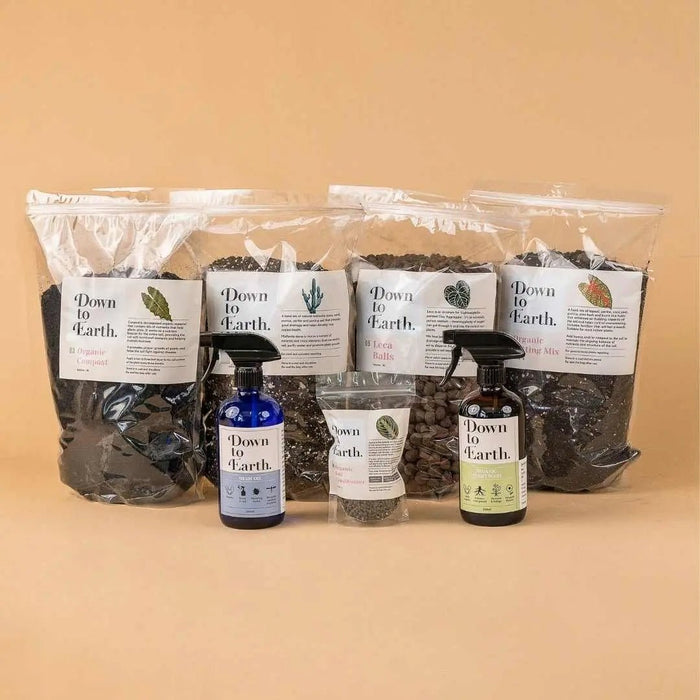
Where to buy components in Singapore: Most nurseries along Thomson Road stock perlite, orchid bark, and charcoal. Online plant supply shops on Shopee and Lazada carry premixed aroid mixes that work well.
Getting Those Iconic Fenestrations
The split leaves are why most people buy Monstera. Here is how to encourage maximum fenestration:
Age and Maturity
Fenestrations develop with maturity. A young Monstera cutting may produce 5-10 solid leaves before the first splits appear. Patience is the first requirement.
Light Intensity
Bright indirect light is the single biggest factor in fenestration. Plants in low light produce fewer and smaller splits. Move your Monstera to the brightest indirect-light spot you have.
Provide a Climbing Support
In nature, Monstera climbs trees. Providing a moss pole, coco coir pole, or wooden plank to climb triggers the plant's natural growth pattern — larger leaves with more fenestrations.
How to use a moss pole:
- Insert the pole firmly into the pot before or during repotting
- Tie the main stem loosely to the pole using soft plant ties
- Keep the moss pole moist (mist it when you water)
- As aerial roots develop, guide them toward the pole
Consistent Fertilising
Monstera is a moderate feeder. Monthly feeding with balanced liquid fertiliser during active growth (year-round in Singapore) supports larger leaf production.
Avoid Stress
Consistent care produces better fenestrations. Fluctuating conditions — irregular watering, moving the plant frequently, or sudden light changes — can cause the plant to produce smaller, less split leaves as it redirects energy to survival.
Support and Training
As your Monstera grows, it needs structural support:
Moss poles — The gold standard. Natural-looking and functional. Keep them moist for best aerial root attachment.
Bamboo stakes — Simple, inexpensive, and available at any Singapore nursery. Less attractive but effective for young plants.
Wooden planks — A flat board mounted behind the plant gives aerial roots maximum surface area to grip. Increasingly popular in the Singapore plant community.
Trellises — Wall-mounted trellises create a living wall effect with Monstera vines trained across them.
Propagation
Monstera is one of the easiest plants to propagate, making it a popular choice for sharing with friends.
Stem Cutting Method
- Identify a healthy stem with at least one node (the bumpy joint where leaves and aerial roots emerge)
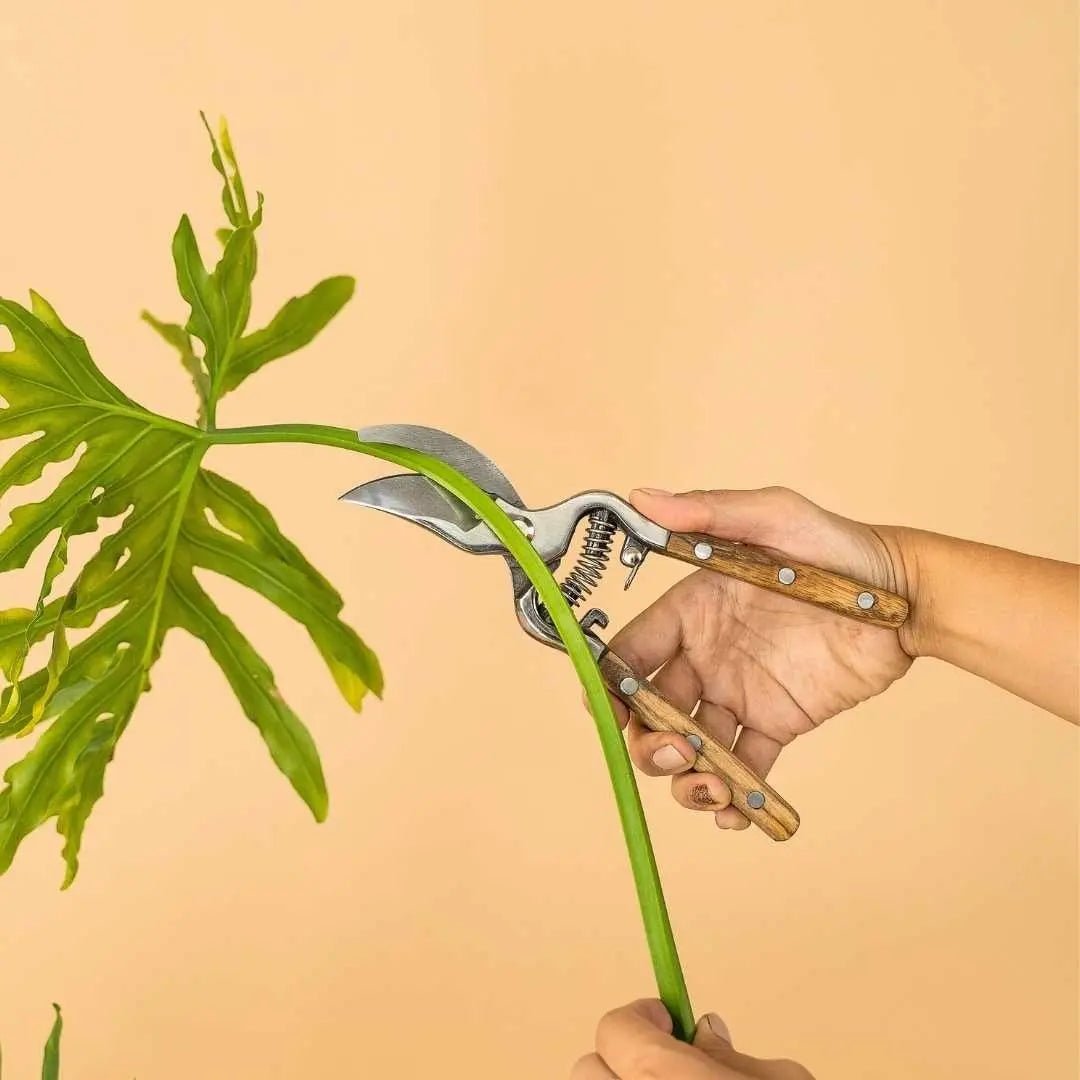
- Cut 2-3cm below the node using clean, sharp scissors
- Include at least one leaf and one aerial root if possible
- Place in water or moist sphagnum moss
- Keep in bright indirect light
- Roots develop in 2-4 weeks in Singapore's warmth
- Pot up when roots are 5-8cm long
Air Layering
For larger plants, air layering produces a more established cutting:
- Wrap moist sphagnum moss around a node with aerial roots
- Cover with cling wrap and secure
- Keep moss moist for 3-4 weeks
- Cut below the rooted section and pot up
Common Problems in Singapore
Root Rot
The biggest threat. Caused by overwatering, poor drainage, or dense soil. Prevention is better than cure — use the chunky soil mix and let soil partially dry between waterings.
If caught early, unpot the plant, trim black/mushy roots, let the root ball dry for a few hours, and repot in fresh, well-draining mix.
Pest Issues
Mealybugs — White, cottony clusters in leaf axils. Wipe with rubbing alcohol on a cotton bud. For heavy infestations, spray with neem oil solution.
Thrips — Tiny elongated insects that leave silvery streaks on leaves. Treat with insecticidal soap or neem oil.
Scale — Brown, flat bumps on stems and leaf undersides. Scrape off manually and treat with neem oil.
Browning Leaves
- Brown spots with yellow halos: Overwatering or bacterial infection
- Brown crispy edges: Underwatering, low humidity, or salt buildup
- Brown tips only: Low humidity or fertiliser burn
Where to Place Monstera in Your Singapore Home
Best locations:
- Living room corner near a large window — becomes a stunning focal point
- Beside a bookshelf — train it to climb upward along the shelf
- Bedroom with good natural light
- Home office — large leaves add life to work-from-home setups
Avoid:
- Directly under air-con vents (cold drafts stress the plant)
- Dark corridors without supplemental light
- Small, enclosed spaces — Monstera needs room to spread
Final Thoughts
Monstera Deliciosa is the perfect statement plant for Singapore homes. Our tropical climate means you skip the struggles that growers in cooler climates face — no humidity trays, no grow lights, no winter dormancy worries.
Give it bright indirect light, water when the soil is partially dry, provide something to climb, and feed it regularly. Your Monstera will reward you with increasingly spectacular leaves for years to come.
Find your perfect Monstera at Tumbleweed Plants — we carry healthy, well-rooted specimens ready to thrive in your space.
Quick summary
Key Takeaways
- Understanding Monstera Deliciosa
- Light Requirements
- Watering in Singapore's Climate
- Soil Mix
- Getting Those Iconic Fenestrations
- Support and Training
Ready to bring some green into your home?
Browse 250+ hand-picked plants, curated for Singapore homes — delivered to your door.
Browse All Plants →