














The Complete Guide to Bonsai Trees in Singapore
Posted on April 08 2026
In this article
Bonsai is one of those pursuits that starts with a single tree and quietly becomes a lifelong obsession. There is something uniquely compelling about growing a miniature living sculpture — watching it develop through the seasons, shaping it with intention, and understanding that what you create now might outlive you by decades. If you are new to bonsai in Singapore, this guide will give you a solid foundation. If you are already a bonsai keeper looking to expand your collection, there is plenty here for you too.

What Is Bonsai?
Bonsai (盆栽) literally means "planted in a tray" in Japanese, though the art form originated in China, where it was called penjing or penjin. The practice involves growing a tree in a small container and using careful pruning, wiring, and horticultural technique to create the impression of a full-sized, mature tree in miniature.
Contrary to a common misconception, bonsai trees are not a special species of dwarf tree. They are ordinary trees — figs, junipers, maples, elms, ficus varieties — kept small through training and regular root and branch pruning. In the right hands, with consistent care, they can live for hundreds of years.
Can You Grow Bonsai in Singapore?

Absolutely — and Singapore offers some advantages that colder climates do not. The tropical climate allows year-round outdoor growing for many species, and the warmth and humidity suit a wide range of tropical and subtropical bonsai trees beautifully. The main challenge is managing heat and ensuring adequate air circulation.
Singapore bonsai enthusiasts tend to focus on species that thrive in tropical conditions rather than trying to force temperate species (like Japanese maples) to survive in year-round heat. Work with the climate, not against it — and you will have healthy, thriving trees.
Best Bonsai Species for Singapore
Ficus (Ficus retusa, Ficus microcarpa)
The most popular bonsai choice in Singapore for good reason. Ficus is incredibly adaptable, tolerates Singapore's heat and humidity, and can be grown indoors near a bright window or outdoors. It responds well to pruning and develops beautiful aerial roots over time — a highly prized feature in tropical bonsai.
Fukien Tea (Carmona retusa)
A favourite in Southeast Asian bonsai, the Fukien tea produces small white flowers and tiny red or black berries year-round. It thrives in warm, humid conditions and develops an attractive, textured bark with age.
Chinese Elm (Ulmus parvifolia)
One of the most beginner-friendly bonsai species. The Chinese elm has small, delicate leaves, grows vigorously, and recovers well from pruning mistakes. It can be kept outdoors in Singapore with some afternoon shade protection.
Serissa (Serissa foetida)
Also called "tree of a thousand stars" for its tiny white flowers. Serissa is slightly more demanding than ficus or elm but rewards attentive growers with continuous blooms. Sensitive to environmental changes, so find it a good spot and leave it there.
Bougainvillea
Thrives in Singapore's heat and produces spectacular floral displays when root-bound and slightly stressed. Requires full sun and infrequent but deep watering to trigger flowering.
Jade Plant (Crassula ovata)
For those who want a more forgiving beginner bonsai, jade is succulence-styled and extremely drought tolerant. It grows more slowly but is very difficult to kill.
Bonsai Care in Singapore: The Essentials
Light
Most bonsai do best outdoors in Singapore, where they receive strong natural light. A sheltered spot that gets morning sun and some afternoon shade is ideal for most tropical species. If you are keeping bonsai indoors, choose a spot near a bright window and consider supplementing with a grow light.
Avoid: Dark corners, spots directly under air-conditioning units, and areas with poor air circulation.
Watering
Watering is the single most critical skill in bonsai care. Bonsai pots are small and shallow, which means they dry out quickly — especially in Singapore's heat.
General guidance:
- Check the soil daily by pressing a finger 1–2 cm below the surface
- Water thoroughly when the top layer feels slightly dry — allow water to run freely out of the drainage holes
- Never water on a fixed schedule — always check the soil first
- During Singapore's hotter months, outdoor bonsai may need watering twice daily
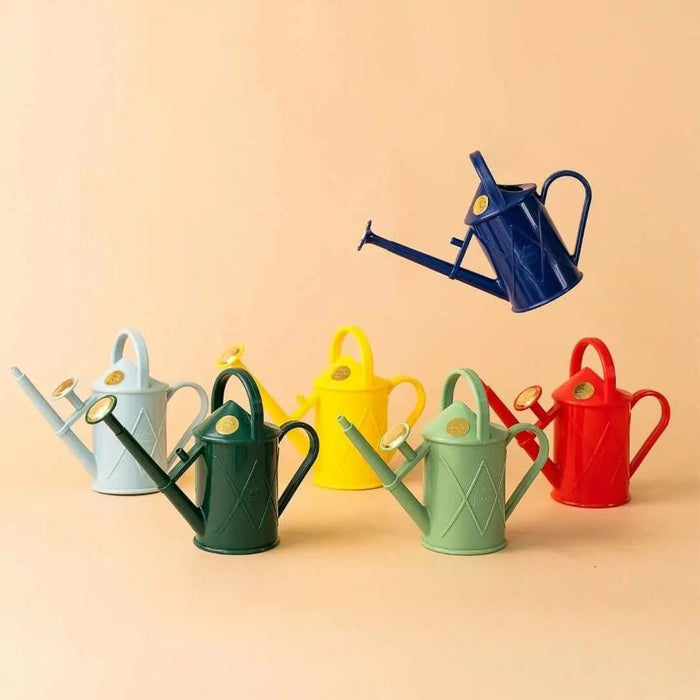
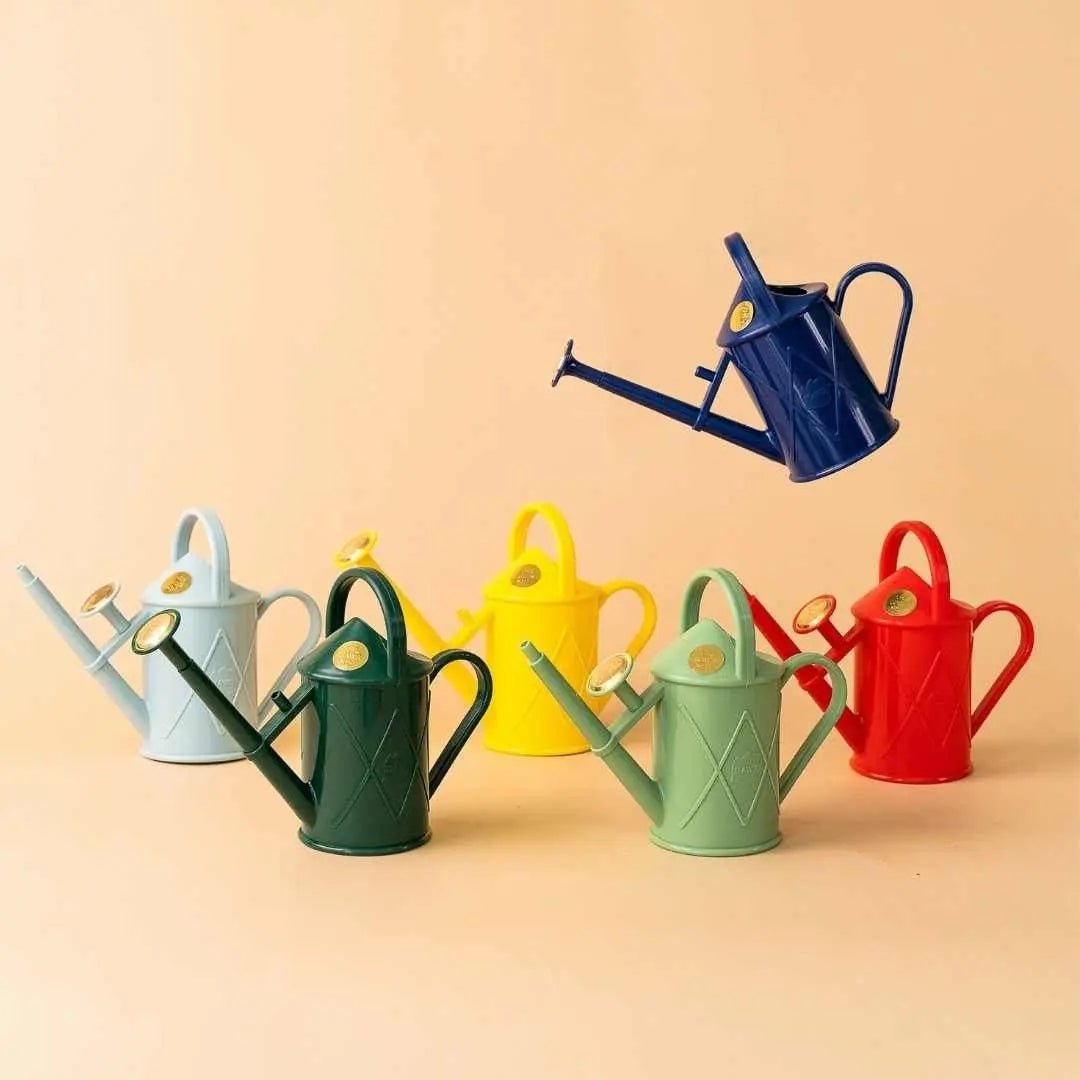
- Use a fine-rose watering can or hose attachment to water gently without disturbing the soil
Over- and under-watering are the two most common causes of bonsai death. Learning to read your specific tree and soil combination takes a little time but becomes second nature.
Soil
Bonsai soil is not ordinary potting mix. Good bonsai soil drains rapidly while retaining just enough moisture for root health. Common components include:
- Akadama: A fired Japanese clay that provides structure and moisture retention
- Pumice: Improves drainage and aeration
- Decomposed granite or coarse sand: Adds drainage
Ready-mixed bonsai soil is available from specialist nurseries in Singapore. For tropical species, a mix with slightly more water retention works well given the need for frequent watering in the heat.
Fertilising
Bonsai trees growing in small pots need regular fertilising to compensate for the limited soil volume.
- Use a balanced slow-release fertiliser (e.g., 10-10-10) during the growing season
- Apply a liquid fertiliser monthly to supplement
- Reduce fertilising during periods of slower growth
- For flowering bonsai like bougainvillea, switch to a low-nitrogen, high-phosphorus fertiliser before the flowering season
Pruning
There are two types of pruning in bonsai:
Maintenance pruning: Regularly trimming back new growth to maintain the tree's shape. This is ongoing throughout the growing season and keeps the silhouette clean.
Structural pruning: Removing larger branches to define the overall design of the tree. This is done less frequently — typically once or twice a year — and requires more thought and planning.
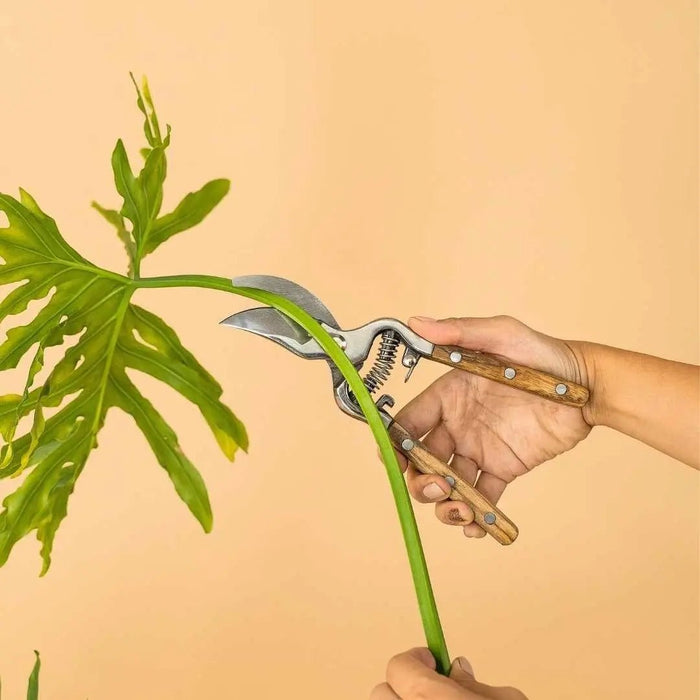
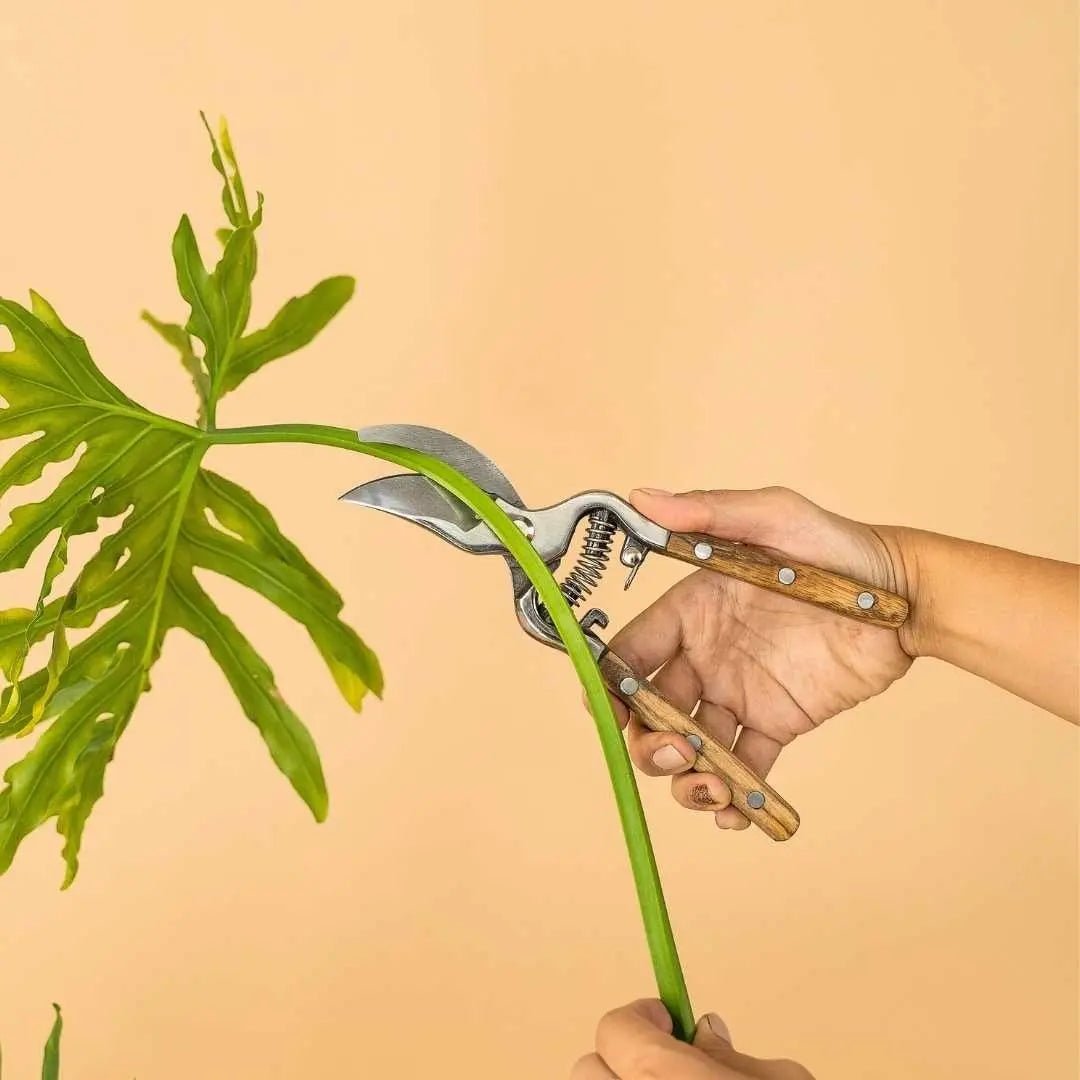
Always use clean, sharp bonsai scissors or concave cutters. Concave branch cutters leave a hollow wound that heals flush with the bark rather than leaving a protruding stub.
Wiring
Wiring is the practice of wrapping copper or aluminium wire around branches to guide them into a desired position. In Singapore's climate, trees grow quickly and wire should be checked regularly — wire left on too long can bite into the bark and leave permanent scarring.
- Remove wire before it bites in, even if the branch has not fully set
- Rewire later if the branch needs further shaping
- Aluminium wire is recommended for beginners as it is easier to work with than copper
Styling Basics: Common Bonsai Styles
| Style | Description |
|---|---|
| Formal upright (Chokkan) | Straight, tapering trunk. Classic, structured |
| Informal upright (Moyogi) | Slight curves in the trunk. Most common style |
| Slanting (Shakan) | Trunk grows at an angle, suggesting wind exposure |
| Cascade (Kengai) | Branches fall below the pot rim, suggesting a cliff-growing tree |
| Multi-trunk (Kabudachi) | Multiple trunks growing from a single root system |
| Forest planting (Yose-ue) | Multiple trees in one pot, creating a woodland scene |
For beginners, the informal upright style is the most forgiving and suits most species readily available in Singapore.
Choosing Your First Bonsai in Singapore

If you are buying your first bonsai, keep these points in mind:
- Choose a robust species. Ficus or Chinese elm are excellent starter trees. They are forgiving of beginner mistakes and readily available.
- Look at the nebari. The nebari is the surface root structure at the base of the trunk. A wide, well-developed nebari suggests an older, more developed tree and adds significantly to its visual impact.
- Check the health. Leaves should be a strong, even colour. Roots should be firm, not mushy. Check under the leaves for pests.
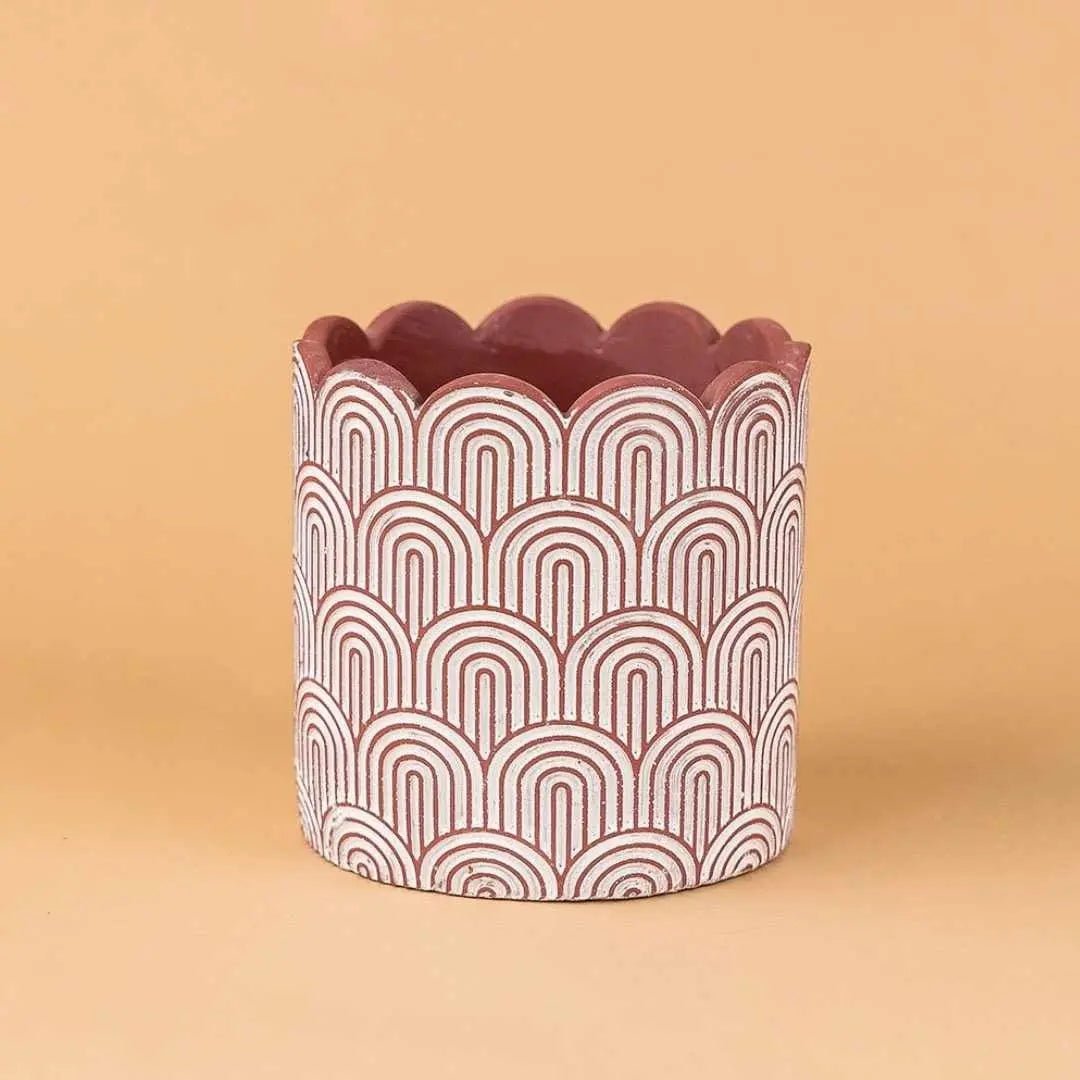
- Buy a pot that suits the tree. Bonsai pots are not just aesthetic choices — the size relative to the tree affects watering frequency and root development.
- Start with one tree. Get to know it thoroughly before expanding your collection.
Browse our bonsai collection at /collections/bonsai — we stock a curated range of tropical species suited to Singapore growing conditions, from beginner-friendly starters to more developed specimens. Pots, soil, and tools are available at /collections/bonsai.
Bonsai as a Long-Term Practice
What makes bonsai different from most houseplants is the relationship that develops over time. A well-cared-for tree keeps the history of every pruning decision, every wire, every season in its form. The tree you shape today is a collaboration between you, the plant, and the decades ahead.
Singapore's bonsai community is active and welcoming — joining a local club or attending workshops can accelerate your learning enormously and connect you with growers who have been at it for twenty, thirty, forty years.
There is no rush. That is rather the point.
Quick summary
Key Takeaways
- What Is Bonsai?
- Can You Grow Bonsai in Singapore?
- Best Bonsai Species for Singapore
- Bonsai Care in Singapore: The Essentials
- Styling Basics: Common Bonsai Styles
- Choosing Your First Bonsai in Singapore
Ready to bring some green into your home?
Browse 250+ hand-picked plants, curated for Singapore homes — delivered to your door.
Browse All Plants →