














How to Choose the Right Pot for Your Plant: A Singapore Guide
Posted on April 08 2026
In this article
- Why the Right Pot Matters More Than You Think
- Drainage: The Non-Negotiable
- Pot Materials: Pros, Cons, and Singapore Suitability
- Choosing the Right Pot Size
- Self-Watering Pots: Are They Worth It in Singapore?
- Pot Features to Look For
- Matching Pots to Popular Singapore Plants
- Balcony Pots: Special Considerations for Singapore
- Quick Pot Selection Checklist
- Final Thoughts
# How to Choose the Right Pot for Your Plant: A Singapore Guide | Tumbleweed Plants Singapore

You have found the perfect plant. It is green, healthy, and ready to brighten up your home. But now comes a decision that trips up more people than you might expect: choosing the right pot. It sounds simple, yet the wrong pot can lead to root rot, stunted growth, overheating on a sun-drenched balcony, or a cracked mess after a few months in Singapore's tropical climate. The pot is not just a decorative shell; it is your plant's home, and it directly affects drainage, root health, temperature regulation, and even how often you need to water. This guide will help you make the right choice for Singapore's specific conditions, whether you are potting up a small desk plant or selecting a statement planter for your living room.
Why the Right Pot Matters More Than You Think
Most new plant owners focus on watering schedules and light placement, which are important, but they overlook the pot. Here is why it deserves your attention:
- Drainage determines whether your plant's roots sit in healthy, aerated soil or in a waterlogged swamp that breeds root rot.
- Material affects how quickly soil dries out, how much heat the pot absorbs, and how long the pot lasts in Singapore's climate.
- Size influences root development, watering frequency, and overall plant health.
- Weight matters if you are placing pots on a balcony railing, a floating shelf, or if you need to move them for cleaning.
Getting these factors right from the start saves you from repotting headaches and plant health problems down the line.
Drainage: The Non-Negotiable

Why Drainage Holes Are Essential
If there is one rule to follow, it is this: always choose a pot with at least one drainage hole at the bottom. Singapore's warm, humid climate means soil stays moist longer than it would in drier environments. Without drainage, excess water has nowhere to go, and roots sit in saturated soil, which quickly leads to root rot.
Root rot is the number-one killer of houseplants in Singapore, and it almost always traces back to poor drainage. A pot with a drainage hole lets excess water escape freely, keeping the root zone moist but not waterlogged.
What About Cachepots?
A cachepot is a decorative outer pot without drainage holes that holds a plain nursery pot inside. This is a perfectly valid approach and one that many experienced plant owners prefer. You get the aesthetic of a beautiful planter with the drainage benefits of a nursery pot. Just remember to empty any collected water from the cachepot within 30 minutes of watering.
Can You Drill Drainage Holes?
Yes, in many cases. Ceramic and terracotta pots can be drilled using a masonry bit. Plastic pots are even easier: a heated nail or a simple drill does the job. Concrete and thick stoneware are more challenging but possible with the right tools. If you buy a gorgeous planter without drainage, drilling a hole is often the best solution.
Pot Materials: Pros, Cons, and Singapore Suitability
Ceramic Pots
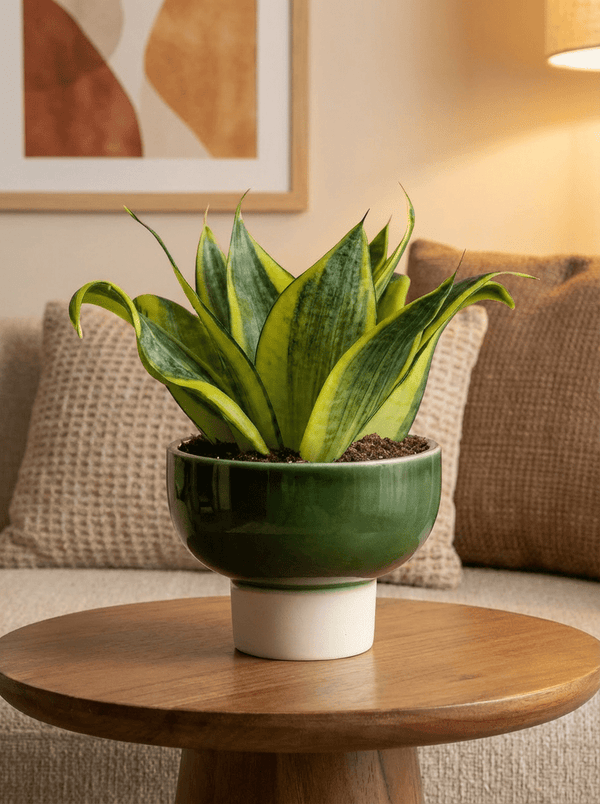
Ceramic is one of the most popular pot materials in Singapore, and for good reason. Glazed ceramic pots come in a huge range of colours, finishes, and shapes, making them easy to match with any interior style.
Pros:
- Attractive finish; wide variety of designs
- Heavier base provides stability
- Glazed surface retains moisture longer, reducing watering frequency
Cons:
- Can be heavy, especially in larger sizes
- Glazed ceramic does not breathe as well as terracotta, so overwatering is easier
- May crack if dropped
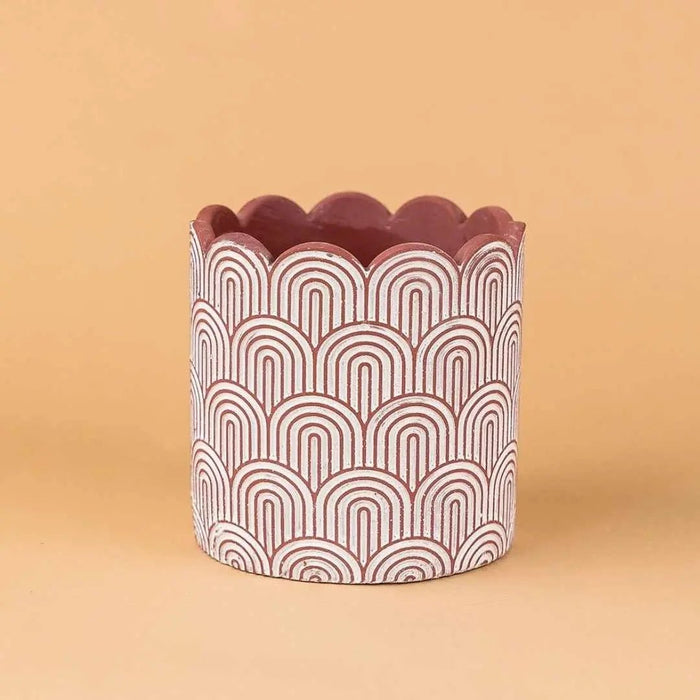
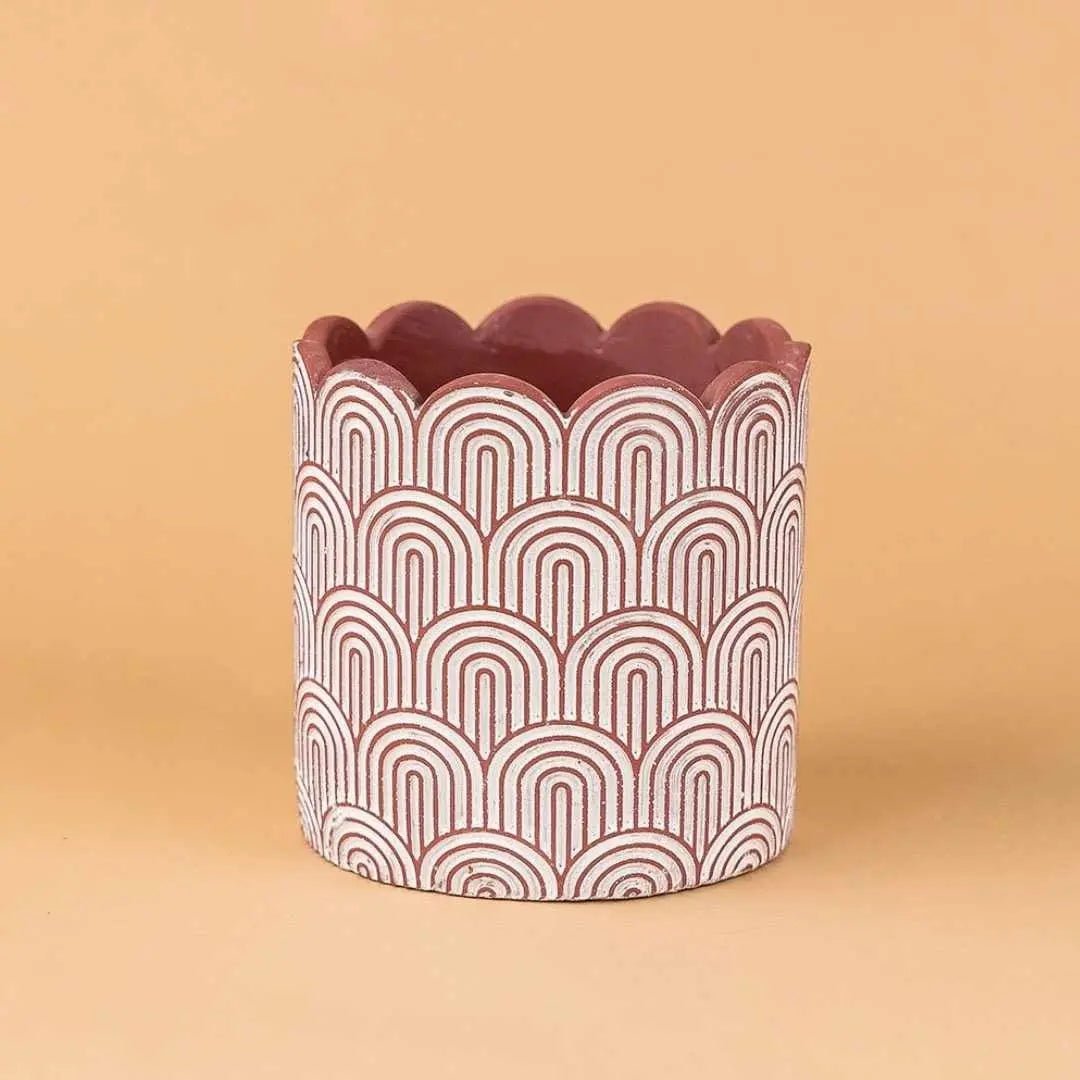
Singapore tip: Glazed ceramic works well indoors and on sheltered balconies. Avoid placing dark-coloured ceramic pots in direct sun on an exposed balcony, as they can absorb significant heat and cook the roots. The Adorned Planter is a great example of a versatile glazed ceramic pot that suits both indoor and sheltered outdoor settings.
Terracotta Pots
The classic orange-brown clay pot. Terracotta is porous, which means it wicks moisture away from the soil and allows air to reach the roots.
Pros:
- Excellent breathability; reduces risk of overwatering
- Affordable and widely available
- Natural, earthy aesthetic
Cons:
- Dries out quickly in Singapore's heat, requiring more frequent watering
- Can develop white mineral deposits (harmless but unsightly)
- Fragile; cracks easily if knocked over
- Heavy when large
Singapore tip: Terracotta is ideal for plants that prefer drier conditions, such as succulents, cacti, and snake plants. For moisture-loving plants like ferns and calatheas, terracotta may dry out too fast in our climate. If you place terracotta on an exposed balcony, expect to water significantly more often during the hot months.
Concrete and Cement Pots
Concrete pots have become a staple of modern Singapore interior design. Their minimalist, industrial look pairs well with contemporary HDB and condo aesthetics.
Pros:
- Heavy and stable; will not blow over in balcony wind
- Porous, allowing some air and moisture exchange
- Durable and long-lasting
- Stylish, modern appearance
Cons:
- Very heavy, especially in larger sizes
- Can leach lime into the soil when new (soak in water for a few days before planting)
- Absorbs heat in direct sun
Singapore tip: Concrete pots are excellent for balconies because their weight keeps them secure in tropical storms. However, during the peak heat months, concrete in direct sun can get very hot. Line the inside with a plastic nursery pot to insulate roots from the heated walls. The Aera Cube offers the concrete aesthetic in a manageable size that works on both desks and shelves.
Plastic Pots
Do not dismiss plastic. Modern plastic planters have come a long way from the flimsy black nursery pots. High-quality plastic planters can look surprisingly elegant while offering practical advantages.
Pros:
- Lightweight; easy to move and rearrange
- Inexpensive
- Retains moisture well; less frequent watering needed
- Will not crack or break if dropped
- Many now come in attractive designs
Cons:
- Not breathable; roots get less air circulation
- Can degrade in direct UV exposure over time
- Less visually appealing than ceramic or concrete (though this is changing)
Singapore tip: Plastic is the most practical material for high-rise balconies where weight is a concern and for large plants that need to be moved periodically. Choose UV-stabilised plastic if the pot will sit in direct sunlight. The lightweight Addie Planter is a smart option for indoor spaces where you want modern style without the weight.
Fibreglass and Resin Pots
These composite materials mimic the look of concrete, stone, or ceramic at a fraction of the weight. They are increasingly popular in Singapore, particularly for large statement planters.
Pros:
- Lightweight despite large size
- Durable and weather-resistant
- Available in many finishes (stone, concrete, matte)
- UV resistant
Cons:
- More expensive than plastic
- Not breathable
- Quality varies widely between manufacturers
Singapore tip: Fibreglass is excellent for large floor planters in condos and landed homes. It gives you the look of a heavy stone planter without the structural weight concerns on upper floors.
Choosing the Right Pot Size

The General Rule
Choose a pot that is 2 to 5 centimetres wider in diameter than the plant's current nursery pot. This gives the roots room to grow without leaving too much excess soil, which stays wet and invites root rot.
What Happens If the Pot Is Too Big?
A pot that is too large relative to the plant's root ball means there is a large volume of moist soil that the roots cannot access or dry out. In Singapore's humidity, this excess moisture takes even longer to evaporate, creating the perfect conditions for root rot and fungal issues.
What Happens If the Pot Is Too Small?
A pot that is too tight restricts root growth, leading to the plant becoming root-bound. While some plants tolerate being slightly root-bound, most will eventually show signs of stress: slow growth, drooping leaves, and water running straight through the soil without being absorbed.
Size Guide by Plant Type
| Plant Size | Pot Diameter | Examples |
|---|---|---|
| Small desk plants | 10-15 cm | Succulents, small Aglaonema, air plant holders |
| Medium tabletop plants | 15-20 cm | Pothos, Peace Lily, ZZ Plant |
| Large floor plants | 20-30 cm | Monstera, Fiddle Leaf Fig, Bird of Paradise |
| Statement plants | 30 cm and above | Large palms, mature Monstera, tree-form Ficus |
Self-Watering Pots: Are They Worth It in Singapore?
Self-watering pots feature a built-in reservoir that allows the plant to draw water from the bottom as needed. They are popular with busy Singaporeans who travel frequently or tend to forget watering.
How They Work
A wick or capillary system connects the soil to a water reservoir below. The plant draws moisture upward through the wick as the soil dries, providing a steady supply of water.
Pros in Singapore's Climate
- Reduces watering frequency significantly
- Provides consistent moisture, which many tropical plants love
- Ideal for forgetful waterers and frequent travellers
- Prevents both overwatering and underwatering
Cons to Consider
- Not suitable for plants that need their soil to dry out completely between waterings (succulents, cacti, snake plants)
- The reservoir can breed mosquitoes if not covered or treated; in Singapore, this is a serious concern due to dengue
- More expensive than standard pots
- Harder to gauge soil moisture since the watering dynamic is different
Singapore tip: If you use self-watering pots, add a BTI (mosquito dunk) tablet to the reservoir to prevent mosquito breeding. This is not just good practice; it is a legal requirement under NEA regulations in Singapore.
Pot Features to Look For
Saucers and Drip Trays
Always use a saucer under your pot to protect furniture and flooring. Empty the saucer within 30 minutes of watering. Some pots, like the Airstone Aura Pot, come with integrated saucers, saving you the trouble of finding a matching tray.
Elevated Bases
Pots with built-in feet or stands improve airflow beneath the pot and prevent water stains on surfaces. This is especially useful on wooden furniture and laminate flooring common in Singapore homes.
Colour and Finish
In terms of heat management, lighter-coloured pots reflect more sunlight and absorb less heat than dark pots. For balcony plants in direct sun, choose white, cream, or pastel-coloured planters. For indoor plants, colour is purely an aesthetic choice. The Airi Opal Pot offers a soft, neutral finish that complements most plant varieties and interior styles.
Matching Pots to Popular Singapore Plants
Not sure which pot to pair with your plant? Here are some practical pairings:
Tropical Foliage (Monstera, Philodendron, Aglaonema)
These plants like consistently moist but not soggy soil. Glazed ceramic or plastic pots with drainage holes work well. Avoid terracotta, which dries too fast for their liking. The Abigail planter offers the right balance of style and moisture retention for these tropical favourites.
Succulents and Cacti
These need fast-draining soil and pots that do not hold moisture. Terracotta is the classic choice. Unglazed ceramic also works. Ensure the pot is on the smaller side; succulents prefer snug fits.
Ferns and Calatheas
Moisture-loving plants that appreciate consistent humidity around their roots. Glazed ceramic or plastic pots help retain moisture. Pair with a pebble tray in air-conditioned rooms to maintain humidity.
Large Floor Plants
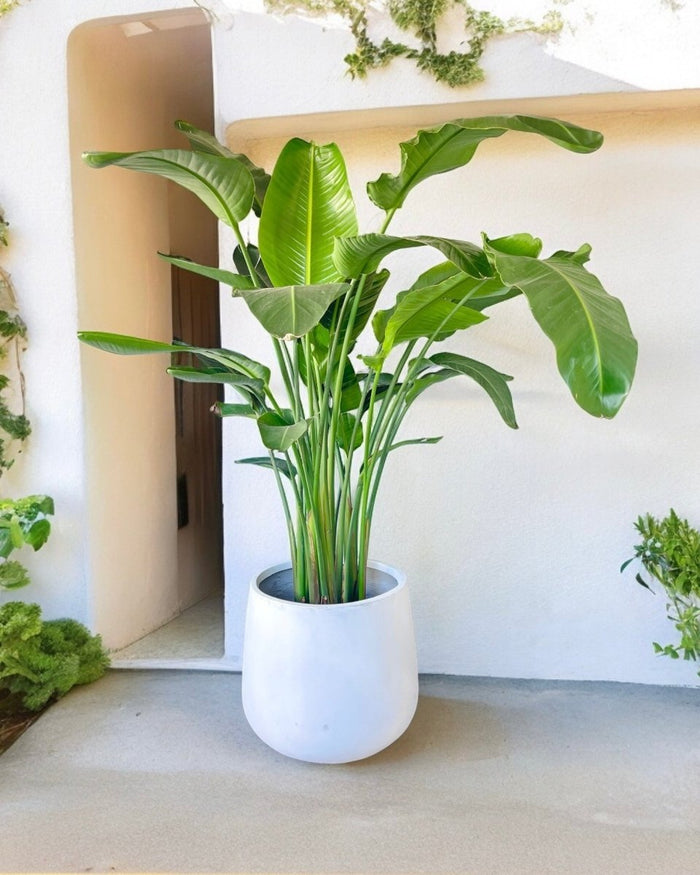
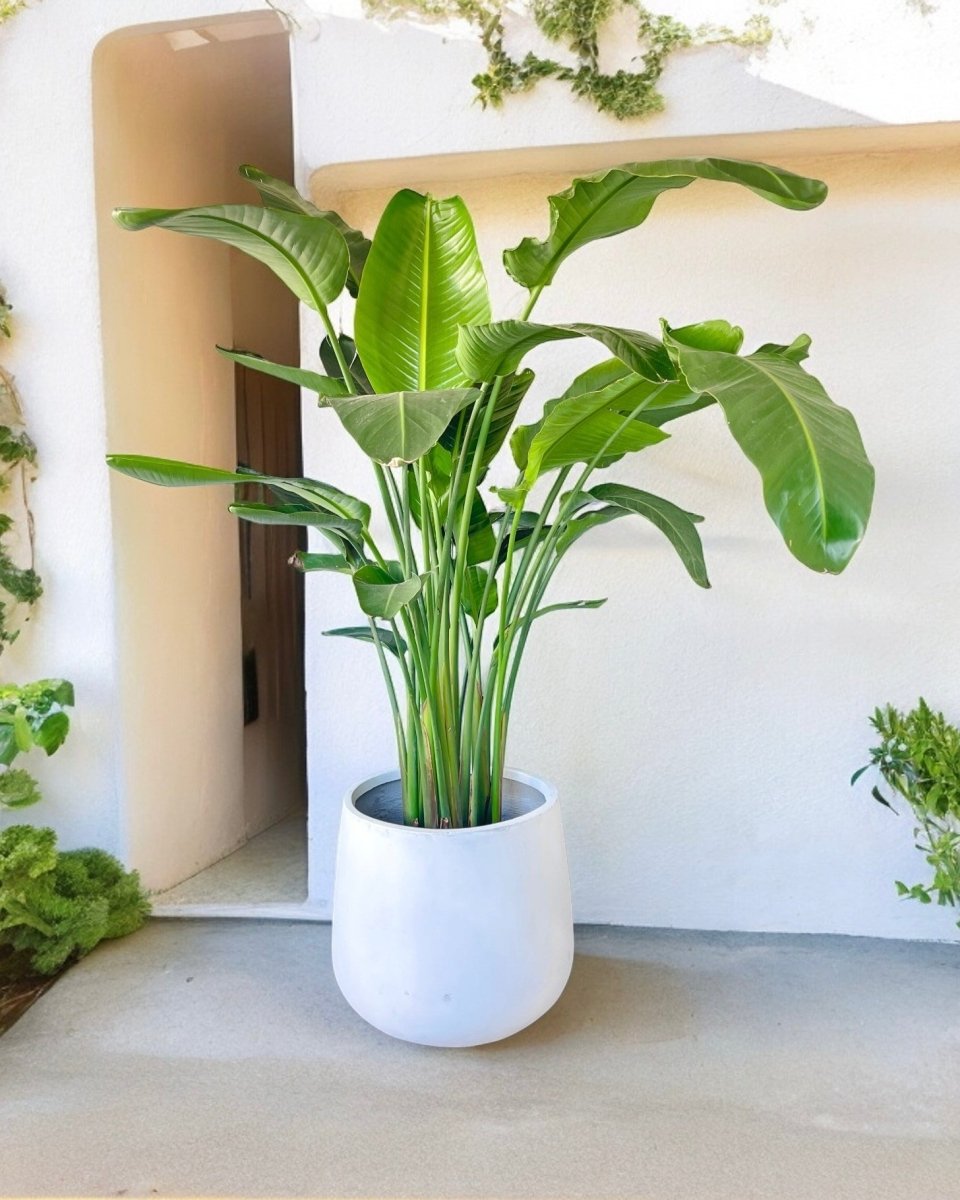
For big specimens like Monstera Deliciosa or Bird of Paradise, choose sturdy pots that will not tip over. Concrete, heavy ceramic, or fibreglass planters provide the stability these top-heavy plants need. Ensure the pot is heavy enough to counterbalance the plant's canopy.
Balcony Pots: Special Considerations for Singapore
Wind Resistance
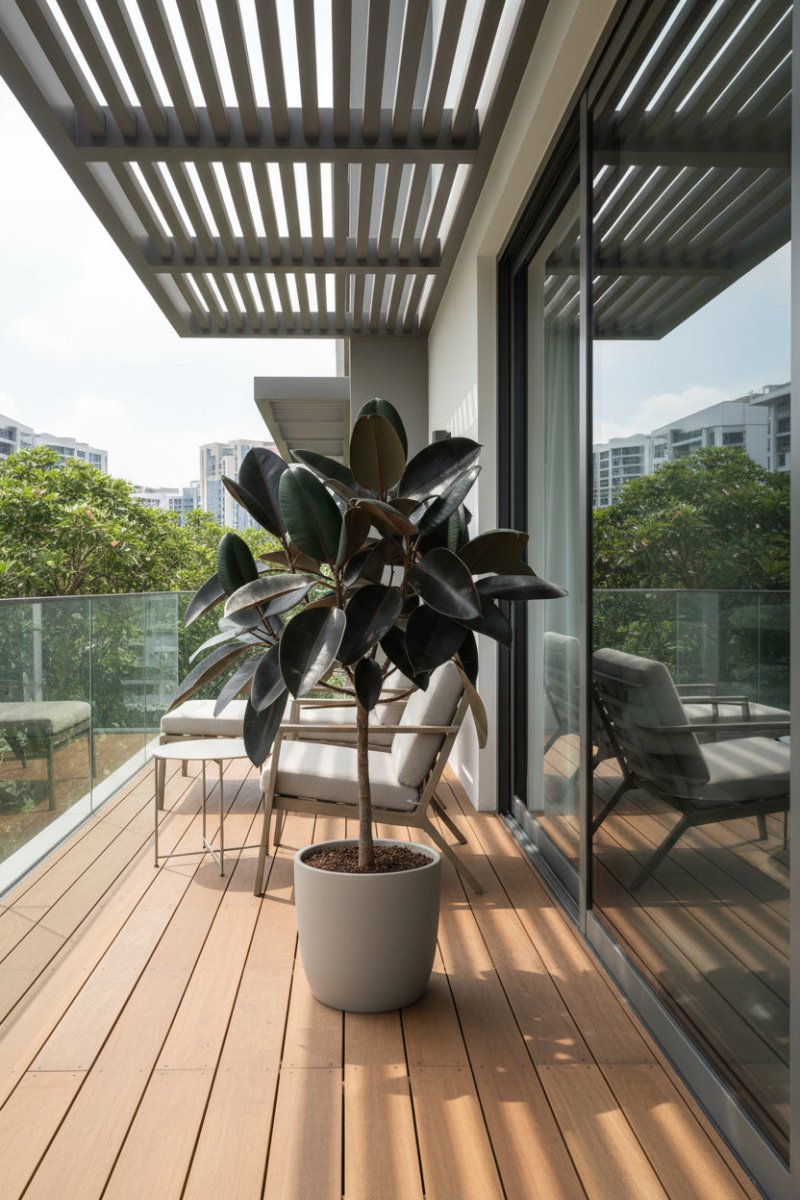
Upper-floor HDB and condo balconies can be windy, especially during monsoon season. Choose heavy pots (concrete, thick ceramic) or use pot feet with adhesive grips to prevent toppling.
Heat Management
Balcony floors and railings in direct sun can reach extreme temperatures. Place pots on wooden plant stands or use pot feet to elevate them off the hot floor. Choose light-coloured pots and avoid thin black plastic, which absorbs and transfers heat to roots.
Weight Limits
Be mindful of the total weight if you have many large pots on a balcony. Concrete and terracotta add up quickly. Fibreglass and high-quality plastic let you create a lush balcony garden without the structural weight concerns.
NEA Compliance
Under Singapore's National Environment Agency guidelines, any container that can collect standing water must be managed to prevent mosquito breeding. Ensure saucers are emptied regularly and self-watering pot reservoirs are treated.
Quick Pot Selection Checklist
- Does the pot have drainage holes? If not, can you drill them?
- Is the pot 2 to 5 cm wider than the current nursery pot?
- Is the material appropriate for the location (indoor, sheltered balcony, exposed balcony)?
- Is the weight manageable for your space and flooring?
- Does the colour and finish suit your interior design?
- Have you got a saucer or drip tray to protect surfaces?
Final Thoughts
Choosing the right pot is one of the simplest ways to set your plant up for success, and one of the easiest mistakes to correct if you get it wrong. In Singapore, the key considerations are always drainage, heat management, and mosquito prevention. Start with a well-draining pot in the right size, match the material to your plant's moisture needs and your home's conditions, and you will avoid the most common pitfalls.
If you are looking for planters that combine style with function, browse our curated planter collection. From the minimalist Aera Cube to the elegant Adorned Planter, you will find pots designed to look great and keep your plants healthy in Singapore's tropical climate.
Quick summary
Key Takeaways
- Why the Right Pot Matters More Than You Think
- Drainage: The Non-Negotiable
- Pot Materials: Pros, Cons, and Singapore Suitability
- Choosing the Right Pot Size
- Self-Watering Pots: Are They Worth It in Singapore?
- Pot Features to Look For
Ready to bring some green into your home?
Browse 250+ hand-picked plants, curated for Singapore homes — delivered to your door.
Browse All Plants →