














How to Choose the Right Pot for Your Plant
Posted on April 08 2026
In this article
Target keyword: `how to choose a pot for plants` / `best pots for houseplants`

Monthly search volume: ~8,000–12,000 combined
Intent: Buying guide + informational
Pillar: B (Care & Educational)
Publish date: Week 3, Day 1
CTA: Shop Pots & Planters | Plant Stands | Same-Day Delivery
Tags: plant pots, planters, terracotta, drainage, repotting
Thumbnail image spec: Flat-lay of 4–5 pots in different materials (terracotta, white ceramic, black plastic nursery pot, fabric grow bag) on a neutral warm-grey background. Natural daylight. Overlay text: "Which Pot Is Right for Your Plant?" — 1200×628 px, JPEG, <200 KB.
---
The pot you choose affects your plant's health more than most people realize. The wrong pot — wrong size, wrong material, or no drainage holes — is one of the most common reasons houseplants die. The right pot makes watering easier, prevents root rot, and gives the plant room to grow at the right pace.
This guide covers everything you need to know: pot size, materials, drainage, and matching the right pot to specific plants.
---
Rule #1: Drainage Holes Are Non-Negotiable
Before anything else: every pot used for growing plants must have drainage holes.
Without drainage, excess water pools at the bottom of the pot. Roots sit in standing water, oxygen is cut off, and root rot develops — sometimes within days to weeks depending on the plant.
What about decorative pots without holes?
Use the "double pot" method: grow your plant in a plastic nursery pot with drainage holes that fits inside the decorative pot. Water the plant normally, then remove it from the decorative pot to drain, or place a layer of gravel at the bottom of the decorative pot to keep the inner pot above standing water.
---
Choosing the Right Pot Size

Pot size is one of the most misunderstood aspects of plant care. Bigger is not always better.
Too Small
A pot too small restricts root growth, dries out too quickly, and can cause the plant to become root-bound (roots circling inside the pot or growing out of drainage holes). Root-bound plants need repotting.
Too Large
A pot too large holds far more soil than the roots can use. That excess soil stays wet for too long, creating conditions for root rot — even with correct watering habits.
The Rule: One Size Up
When repotting, choose a pot 1–2 inches larger in diameter than the current pot. This gives roots room to expand without drowning them in excess soil.
Exception: Fast-growing plants (pothos, philodendrons) can tolerate slightly larger jumps. Slow-growing or rot-prone plants (succulents, snake plants, ZZ plants) should be kept in snug pots.
How to Know It's Time to Repot
- Roots are growing out of the drainage holes
- The plant tips over easily (top-heavy)
- Water runs straight through without absorbing (very root-bound soil)
- The plant has visibly outgrown its pot proportionally
- Stunted growth despite good care
Best repotting time: Spring, at the start of the growing season.
---
Pot Materials: Which Is Best for Singapore?
> Singapore note: Our year-round heat and humidity change how each pot material behaves. Terracotta dries out faster than in cooler climates — this is actually an advantage for overwatering-prone plants, helping prevent root rot in our humid air. Plastic pots retain moisture well, making them ideal for drought-sensitive tropicals kept in air-conditioned rooms where the dry, cool air can dehydrate soil quickly.
Quick Comparison Table
| Material | Breathability | Moisture Retention | Weight | Price | Best For |
|---|---|---|---|---|---|
| Terracotta (unglazed) | High | Low (dries fast) | Medium | $ | Succulents, cacti, overwatering-prone plants |
| Glazed Ceramic | Low | High | Heavy | $$–$$$ | Ferns, calathea, peace lily, tropical moisture-lovers |
| Plastic | Low | High | Light | $ | Most tropicals; ideal as inner nursery pot |
| Fabric / Grow Bag | Very High | Very Low | Very Light | $ | Vigorous growers, outdoor containers |
| Self-Watering | Medium | Very High (reservoir) | Medium–Heavy | $$–$$$ | Moisture-lovers, travelers, office plants |
---
Terracotta (Unglazed Clay)
Pros:
- Porous — allows air and moisture to pass through the walls, helping roots breathe
- Dries faster — excellent for plants prone to overwatering (succulents, cacti, snake plants)
- Heavy — provides stability for top-heavy plants
- Affordable and widely available
Cons:
- Dries out faster — requires more frequent watering for moisture-loving plants
- Can crack in freezing temperatures if left outdoors
- Mineral deposits (white crust) build up on the outside over time (harmless but visible)
Singapore tip: Terracotta dries out noticeably faster in Singapore's humid heat compared to temperate climates. This is a bonus for succulent and cactus growers, but plan to water moisture-loving plants more frequently if using terracotta.
Best for: Succulents, cacti, snake plants, ZZ plants, any plant susceptible to overwatering
---
Glazed Ceramic
Pros:
- Non-porous — retains moisture longer than terracotta
- Wide range of colors and styles
- Heavier than plastic — good stability
Cons:
- Retains moisture — requires careful watering for drought-tolerant plants
- More expensive than plastic or terracotta
- Heavy (difficult to move when large)
Best for: Tropical plants that like consistent moisture (ferns, calathea, peace lily)
---
Plastic
Pros:
- Retains moisture well (infrequent watering)
- Lightweight — easy to move
- Inexpensive
- Wide range of sizes
Cons:
- Not breathable
- Less aesthetically attractive (though often hidden inside decorative pots)
- Degrades in UV light over time if used outdoors
Singapore tip: Plastic pots are ideal for drought-sensitive tropical plants kept in air-conditioned rooms. The dry, cool aircon air can suck moisture out of soil faster than you expect — plastic's moisture-retaining properties help buffer against this.
Best for: Most tropical houseplants; ideal as nursery/inner pot inside decorative containers
---
Fabric / Grow Bags
Pros:
- Air pruning — roots hit the fabric edge and naturally branch inward rather than circling
- Excellent drainage and airflow
- Lightweight and flexible
Cons:
- Dries out very quickly — requires frequent watering
- Less attractive for display use
- Not ideal for all houseplants
Best for: Vigorous growers, plants with aggressive root systems, outdoor container gardening
---
Self-Watering Pots
Pros:
- Reservoir at the bottom provides consistent sub-irrigation
- Reduces watering frequency
- Prevents overwatering from above
Cons:
- Root rot risk if the reservoir is never allowed to empty
- Not suitable for all plants (succulents and cacti should never be sub-irrigated)
- More expensive
Best for: Moisture-loving plants, frequent travelers, plants in offices where watering is inconsistent
---
Pot Size by Plant Type

| Plant | Recommended Pot Size (for a medium specimen) | Preferred Material |
|-------|---------------------------------------------|-------------------|
| Succulent / cactus | Snug fit — only 1 inch of space around roots | Terracotta |
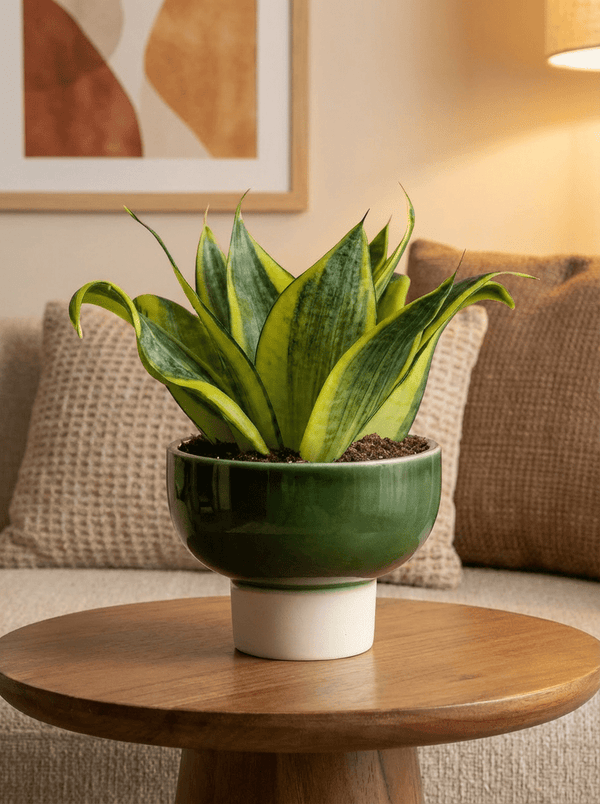
| Snake plant | Slightly snug — 1–2 inches around roots | Terracotta or plastic |
| Monstera | 10–14 inch pot, increase as it grows | Plastic or glazed ceramic |
| Pothos | Any size — tolerates root-bound conditions | Plastic or terracotta |
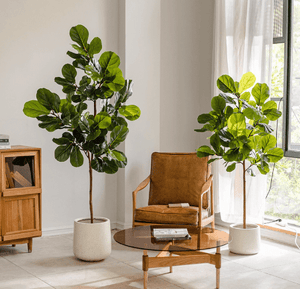
| Fiddle leaf fig | 10–14 inch pot; avoid upsizing too fast | Glazed ceramic or plastic |
| Peace lily | Snug fit — likes being slightly root-bound | Glazed ceramic or plastic |
| Fern | Sized to fit with moisture-retaining material | Glazed ceramic or plastic |
---
Color and Aesthetics
Pot color affects soil temperature, which matters outdoors but is less critical indoors. For indoor plants, choose based on decor — but keep the functional rules above in mind first.
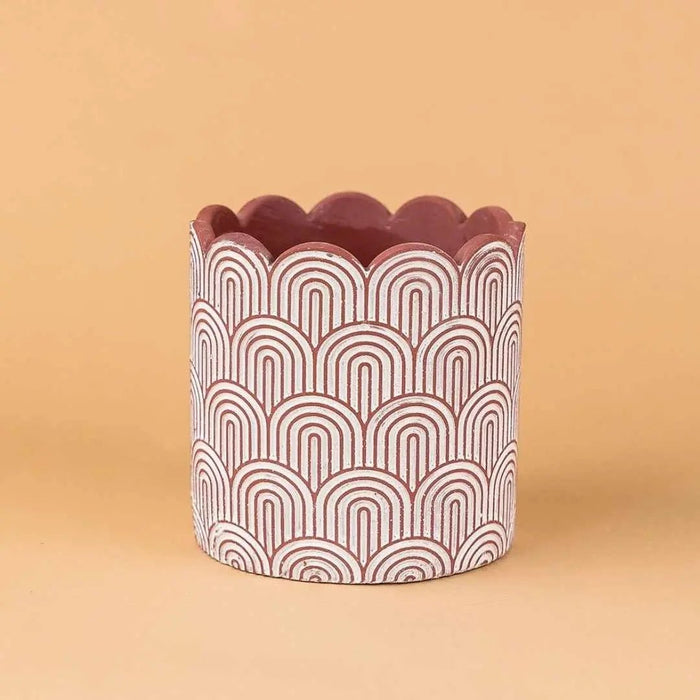
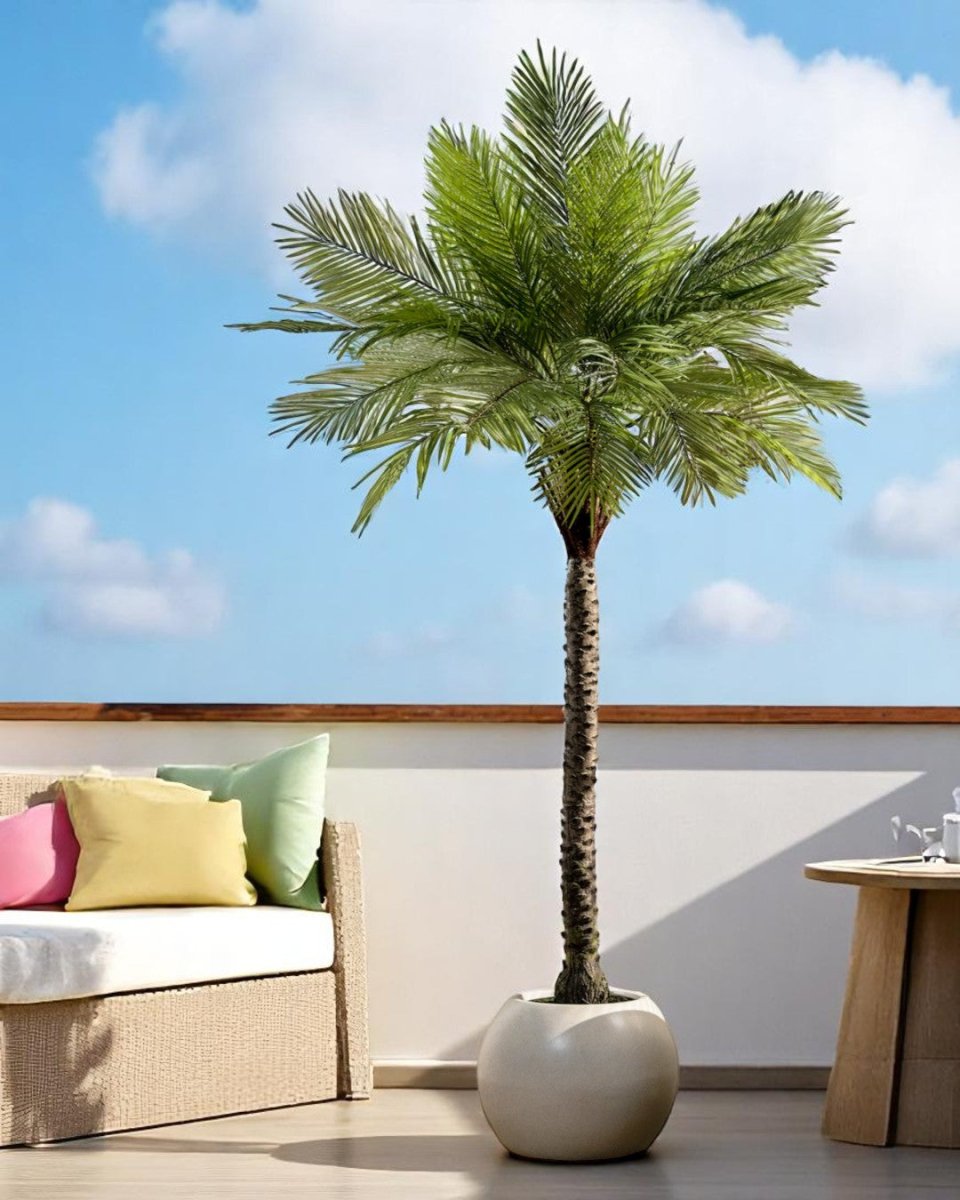
Grouping tip: Collections of plants in matching or coordinating pots look more intentional. Terracotta creates a cohesive earthy look; white ceramic is minimal and modern; a mix of textures works well in eclectic spaces.
---
Shop Pots, Planters & Stands in Singapore

Browse our large planters collection — terracotta, glazed ceramic, and modern designs, all with drainage holes included.
Pair your new pot with the perfect plant stand to elevate your display and improve airflow around your plants.
New to plants? Our starter plant collection pairs each plant with care instructions so you're set up correctly from day one — with same-day delivery available across Singapore.
---
Get Your New Pots Delivered Today
Same-day delivery available across Singapore. Order before noon and receive your pots and plants by evening.
Shop Same-Day Delivery — Tumbleweed Plants
---
Quick summary
Key Takeaways
- Rule #1: Drainage Holes Are Non-Negotiable
- Choosing the Right Pot Size
- Pot Materials: Which Is Best for Singapore?
- Pot Size by Plant Type
- Color and Aesthetics
- Shop Pots, Planters & Stands in Singapore
Ready to bring some green into your home?
Browse 250+ hand-picked plants, curated for Singapore homes — delivered to your door.
Browse All Plants →