














Philodendron Care Guide: Everything You Need to Know About the Most Diverse Houseplant Genus
Posted on April 16 2026
In this article
Thumbnail image spec (1200x628px): A lush split between a trailing heartleaf philodendron and an upright self-heading selloum; bright background with text overlay: "Philodendron Care Guide — Tumbleweed Plants Singapore"

---
Philodendrons are, without question, one of the most popular and diverse houseplant genera in the world. With over 450 species ranging from compact trailing plants to enormous tree-like specimens, there is almost certainly a philodendron that fits your home, your light conditions, and your skill level.
In Singapore, philodendrons are particularly well-suited to our tropical climate. With year-round warmth between 25–33°C, high ambient humidity, and the ability to grow indoors in HDB flats, condos, and landed properties alike, philodendrons thrive here in ways they simply cannot in temperate countries. No dormancy, no winter slowdown — just consistent, lush, year-round growth.
The good news: despite their variety, most philodendrons share the same core care requirements. Learn those, and you can grow virtually any of them.
---
Two Types of Philodendrons (and Why It Matters)
Before diving into care, it helps to understand the two growth habits you'll encounter:
Vining/climbing philodendrons produce long stems with leaves that emerge along the vine. They naturally want to climb or trail. Common examples: heartleaf philodendron, Brasil, micans, scindapsus (technically a different genus but often sold as philodendron).
Self-heading philodendrons grow upright from a central point and don't vine. Their leaves emerge directly from the crown of the plant and tend to be larger and more dramatic. Common examples: Philodendron bipinnatifidum (selloum/tree philodendron), Philodendron gloriosum, Philodendron erubescens (blushing philodendron).
Vining types typically need something to climb (a moss pole, trellis) or space to trail. Self-heading types stay in place and spread outward as they grow — perfect for the corners of HDB living rooms or condo balconies.
---
Philodendron Light Requirements in Singapore
Ideal: Medium to bright indirect light
Minimum: Low indirect light (growth will be slow)
Avoid: Prolonged direct sunlight (scorches leaves)
Philodendrons evolved as understory jungle plants, adapted to growing beneath a forest canopy. In Singapore, this makes them perfect for the filtered light typical of HDB corridors, north-facing windows, or any room screened from the intense equatorial afternoon sun.
Vining types like heartleaf philodendron are among the most light-tolerant houseplants you can own — they survive in dim corners where most plants fail. However, "surviving" and "thriving" are different: brighter indirect light means faster growth and larger leaves.
Self-heading types and variegated varieties generally need more light to look their best. Variegated philodendrons like Thai Constellation or White Wizard require bright indirect light to maintain their white-and-green coloration; in low light, new leaves emerge mostly green.
Singapore tip: East-facing windows (morning sun, shaded afternoon) are ideal for most philodendrons. Avoid west-facing windows with no sheer curtain — Singapore's afternoon sun is intense enough to scorch even shade-tolerant varieties.
---
How to Water Philodendrons
Frequency: Every 1–2 weeks during the growing season; every 2–3 weeks in winter
Philodendrons prefer to dry out partially between waterings. The standard guidance: water when the top 1–2 inches of soil are dry. They forgive slight underwatering much better than they forgive overwatering.
Singapore context: In our humid tropical climate, soil dries more slowly than in air-conditioned temperate homes. If your plant lives in a well-ventilated balcony or corridor, it may need water every 5–7 days. If kept in a fully air-conditioned room, soil stays moist longer — check before watering rather than following a fixed schedule.
Overwatering signs:
- Yellow leaves, especially lower leaves
- Mushy stems at the base
- Soggy soil that smells musty
Underwatering signs:
- Drooping or wilting leaves that perk up after watering
- Dry, very lightweight pot
- Leaf edges curling inward
Water thoroughly until it drains from the bottom, then empty the saucer. Never let a philodendron sit in standing water.
---
Soil and Potting

Philodendrons need well-draining, aerated soil. A good general mix:
- 60% standard potting mix
- 30% perlite
- 10% orchid bark
For self-heading types with larger root systems, you can use a slightly richer mix with less perlite.
Repot every 1–2 years in spring when roots begin circling the pot or emerging from drainage holes. Go up one pot size only — too large a pot leads to overwatering risk.
---
Temperature and Humidity
Ideal temperature: 65–85°F (18–29°C)
Minimum: 55°F (13°C)
Singapore advantage: Our year-round ambient temperature of 25–33°C falls perfectly within the philodendron's preferred range. You will never need to worry about cold damage, frost, or winter dormancy in Singapore. This means philodendrons grown here can produce new leaves continuously year-round.
Most philodendrons tolerate average home humidity without complaint. However, Singapore's naturally high relative humidity (70–90% outdoors) is a huge advantage for humidity-loving types like velvet-leaf Philodendron micans or gloriosum. If kept indoors in full air-conditioning, humidity drops — consider grouping plants together or using a small humidifier for the most sensitive varieties.
---
Fertilizing

Frequency: Once a month, year-round in Singapore (no seasonal pause needed)
Type: Balanced liquid fertilizer (10-10-10 or similar), diluted to half strength
Philodendrons are moderate feeders. Because Singapore has no true winter and philodendrons grow year-round here, you can fertilise monthly throughout all 12 months rather than pausing in the cooler months as temperate-climate guides advise. Excess fertilizer leads to salt buildup, shown as brown leaf tip burn.
---
Popular Philodendron Varieties and What Makes Each Unique
Philodendron hederaceum (Heartleaf Philodendron)
The classic. Heart-shaped, glossy green leaves on trailing vines. Extremely forgiving, tolerates low light and irregular watering. Perfect for beginners — including anyone new to plant ownership in Singapore.
Philodendron hederaceum 'Brasil'
A naturally occurring variegated form of the heartleaf. Yellow-green to lime streaks through the center of each leaf. Same easy care as the species. Stunning.
Philodendron micans
Velvety, iridescent leaves in deep bronze-green with coppery undersides. Needs more light than heartleaf to maintain its coloration. Benefits from Singapore's natural ambient humidity when placed outdoors or near a window.
Philodendron erubescens 'Pink Princess'
One of the most sought-after houseplants of the past decade. Pink-and-green variegation that is genetically unstable — every leaf is different. Needs very bright indirect light to produce pink leaves. Reverts to all-green in low light.
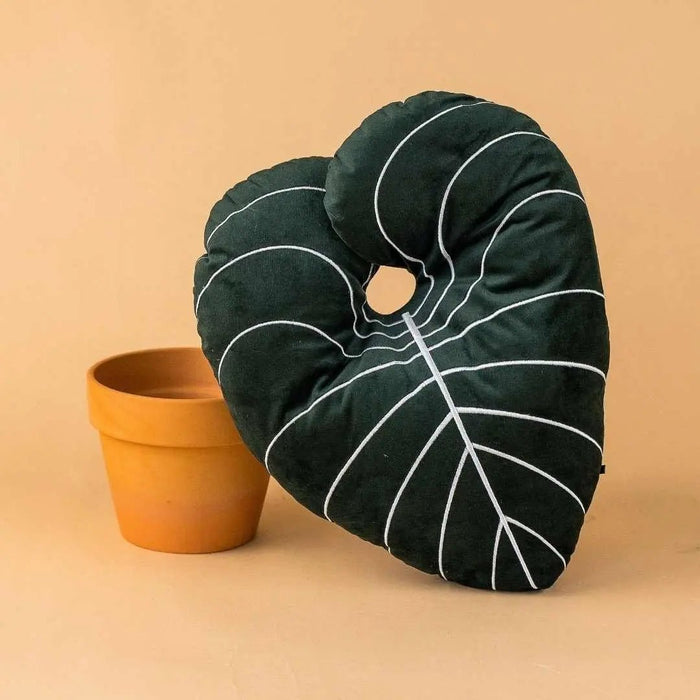
Philodendron gloriosum
A crawling (not vining) self-heading type with enormous velvety leaves crossed with white veins. Grown for its dramatic foliage. Thrives in Singapore's humidity; needs bright indirect light.
Philodendron bipinnatifidum / Thaumatophyllum bipinnatifidum (Selloum)
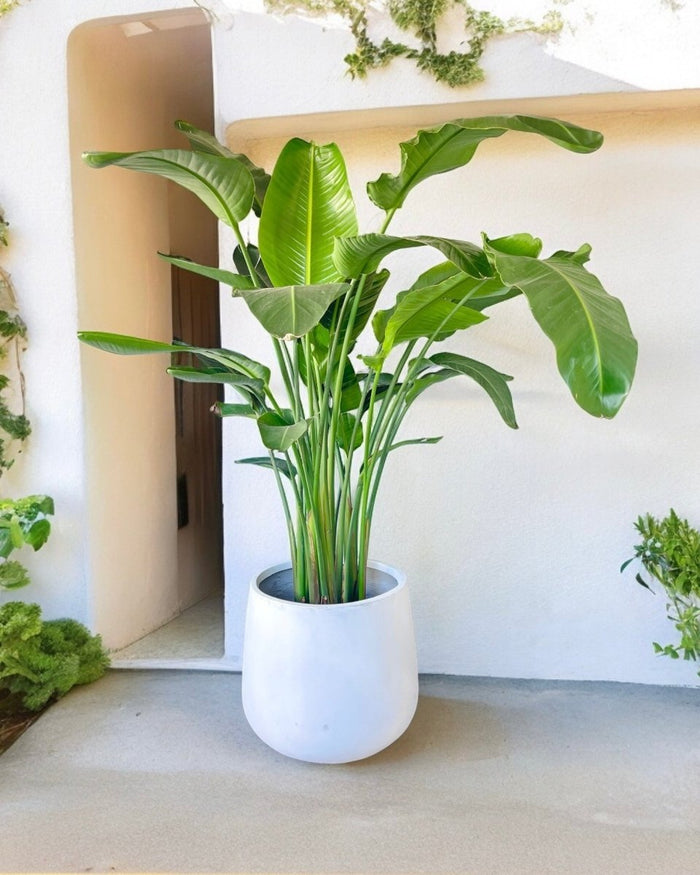
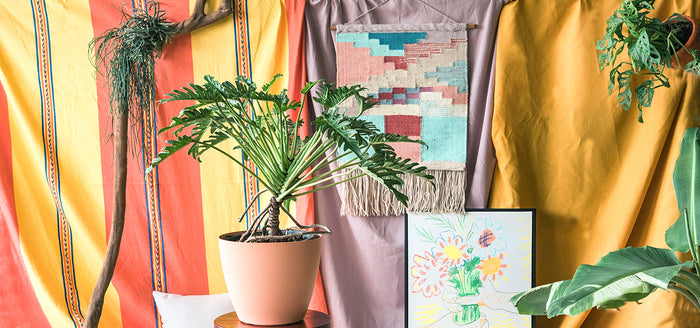
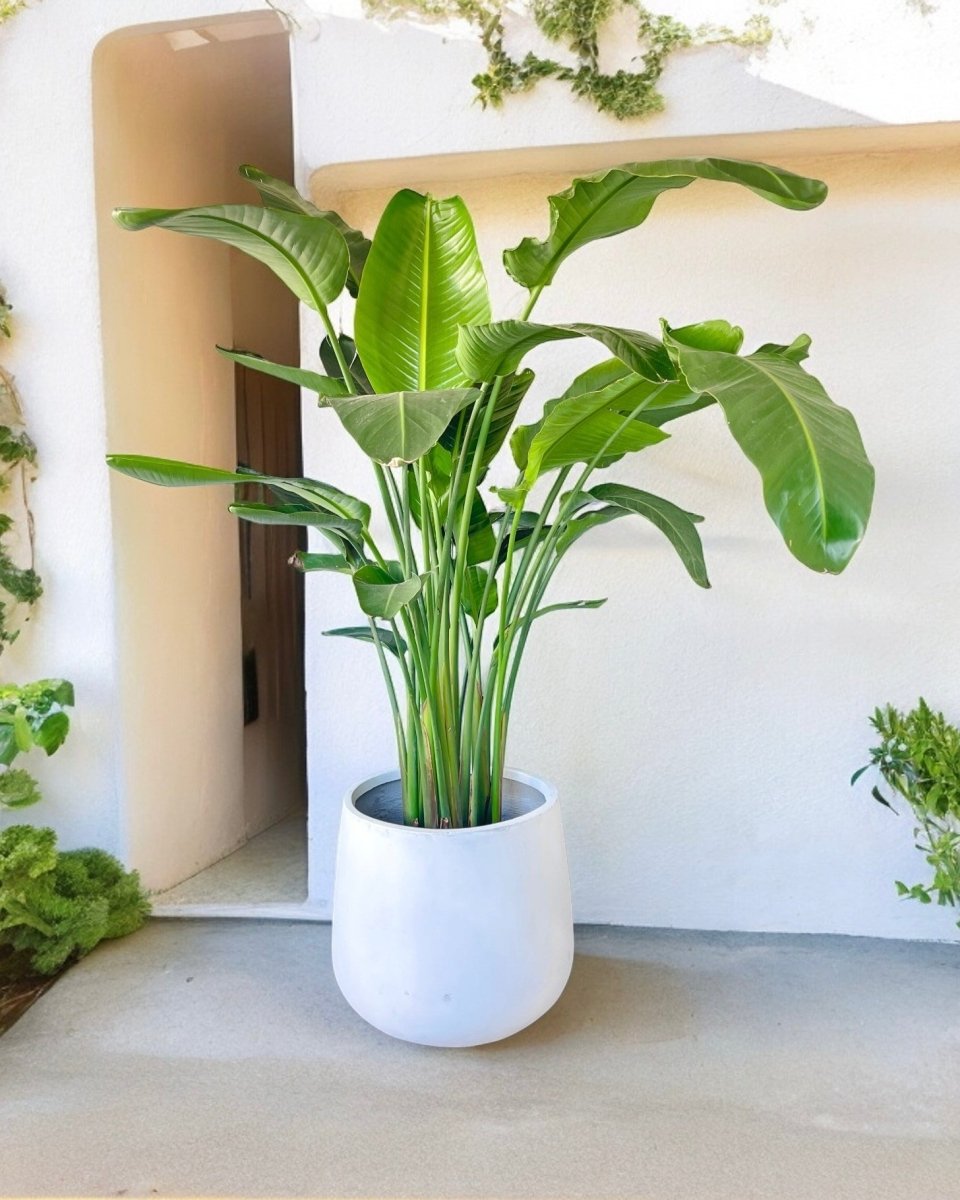
A large self-heading philodendron with deeply lobed, tropical leaves on a thick woody trunk. Can grow 4–6 feet wide indoors. An excellent statement plant for Singapore HDB common areas or condo lobbies.
---
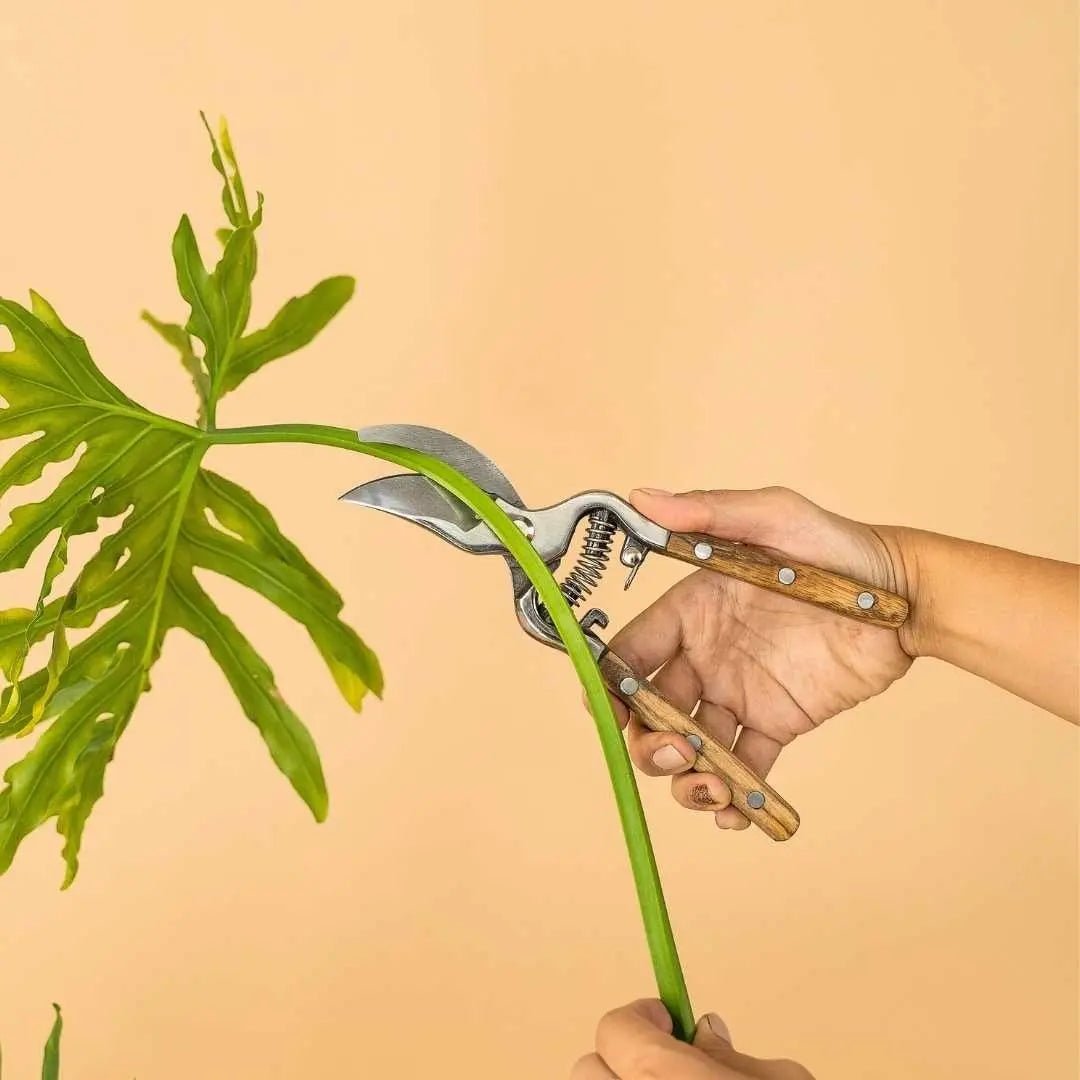
Propagating Philodendrons

Vining philodendrons are among the easiest houseplants to propagate:
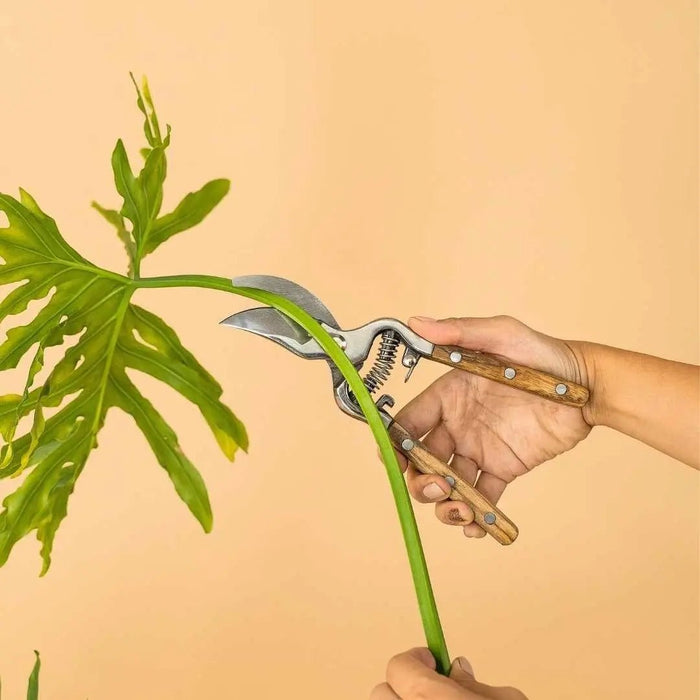
- Cut a stem section with at least 2–3 nodes (the bumps on the stem where leaves emerge)
- Remove the bottom leaf
- Place the cutting in a jar of water, ensuring the nodes are submerged but leaves are above the water
- Roots appear within 2–4 weeks
- Pot up once roots are 1–2 inches long
Self-heading types can be propagated by division when repotting — separate rooted offshoots from the main plant.
Singapore tip: With our warm temperatures, philodendron cuttings root faster here than in cooler climates. Expect roots in 10–14 days rather than the 3–4 weeks often cited in US or European guides.
---
Common Problems
Yellow leaves: Almost always overwatering. Check soil moisture and drainage.
Small new leaves: Usually insufficient light or underfeeding. Move to brighter spot and resume monthly fertilizing.
Leggy vines with wide leaf spacing: Not enough light. Move closer to a window.
Brown leaf tips: Low humidity or fertilizer salt. Flush soil and increase humidity.
Aerial roots: Normal! Vining philodendrons produce aerial roots along their stems that help them climb or absorb moisture from the air. You can tuck them into the soil, direct them toward a moss pole, or simply leave them.
---
Quick summary
Key Takeaways
- Two Types of Philodendrons (and Why It Matters)
- Philodendron Light Requirements in Singapore
- How to Water Philodendrons
- Soil and Potting
- Temperature and Humidity
- Fertilizing
Ready to bring some green into your home?
Browse 250+ hand-picked plants, curated for Singapore homes — delivered to your door.
Browse All Plants →