














Choosing the Right Plant Pot: A Complete Guide
Posted on April 09 2026
In this article
The pot you choose is more than a decorative shell — it directly affects your plant's health. Pot material influences how fast soil dries. Size determines how much water the roots can access. Drainage (or lack of it) is the difference between a thriving plant and root rot. Choosing the right pot is as important as choosing the right plant.

Yet most people pick pots based solely on looks, which is like choosing shoes based on colour alone. The best pot is one that looks great AND supports the specific needs of the plant inside it.
Pot Materials: What Each Does Differently
Terracotta
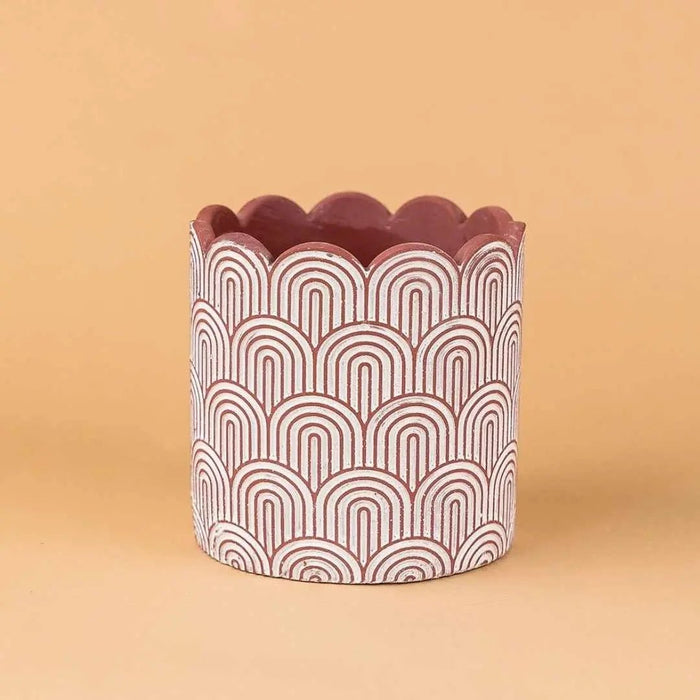
What it is: Unglazed, porous clay fired at relatively low temperatures. The classic plant pot.
How it affects your plant:
- Porous walls wick moisture from the soil, helping it dry faster. This provides a natural buffer against overwatering — perfect for drought-tolerant plants and overenthusiastic waterers.
- Air passes through the walls, promoting root aeration.
- Heavy weight provides stability for tall plants and prevents tipping in windy spots.
Best for: Snake Plants, ZZ Plants, succulents, cacti, Rubber Plants, and any plant that prefers drier conditions. Also excellent for beginners who tend to overwater.
Drawbacks: Dries out faster (you may need to water more frequently). White mineral deposits form on the surface over time (cosmetic, not harmful). Fragile — drops and sharp impacts cause cracks. Heavy for large pots.
Singapore note: In our hot, humid climate, terracotta's faster drying is generally beneficial. It balances Singapore's high humidity and prevents the waterlogging that is so common with non-porous pots.
Glazed Ceramic
What it is: Clay pot with a waterproof glaze on the outside (and sometimes inside).
How it affects your plant:
- Glaze seals the pores, so moisture stays in the soil longer than in terracotta.
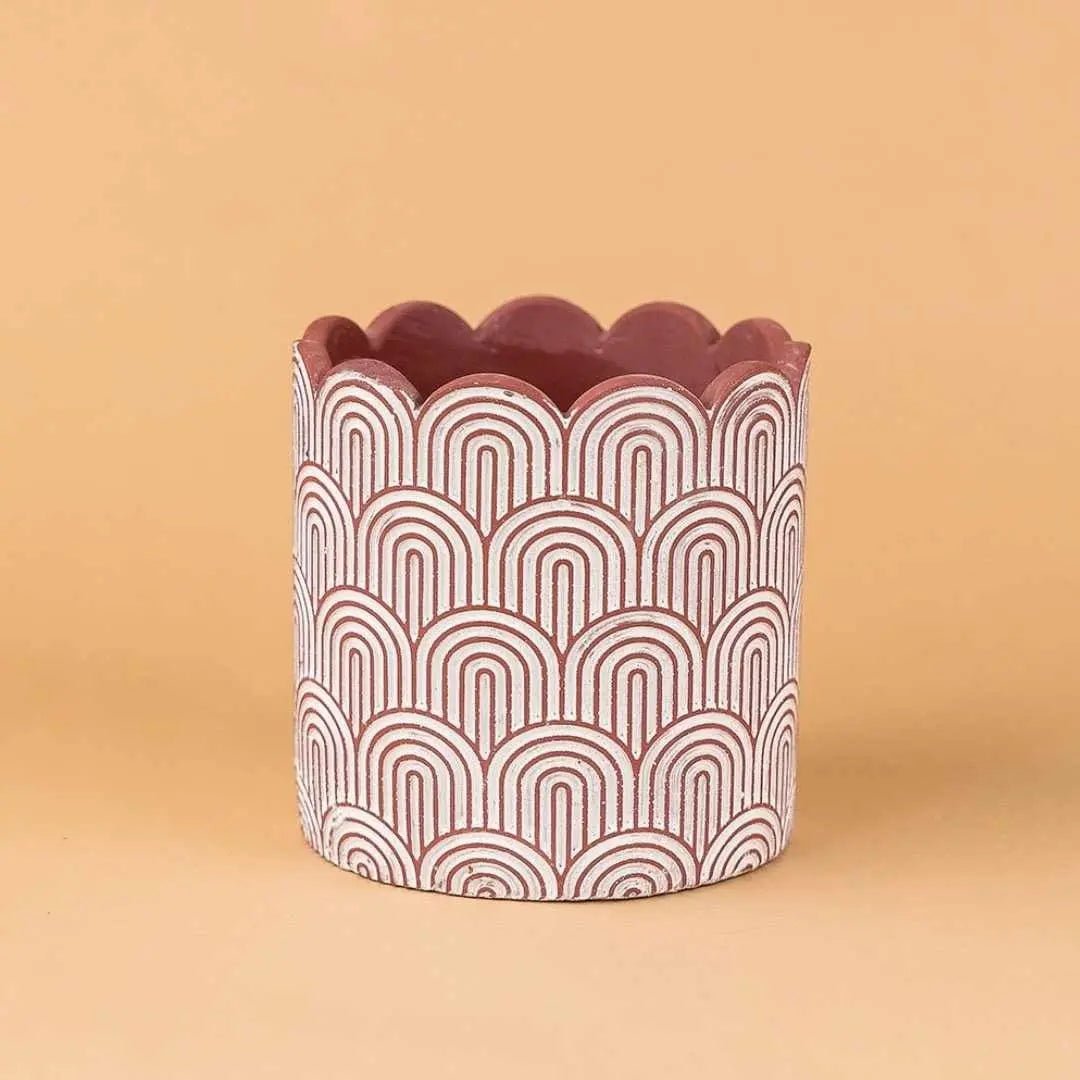
- Available in countless colours and designs — the most aesthetically versatile option.
- Still heavier than plastic, providing good stability.
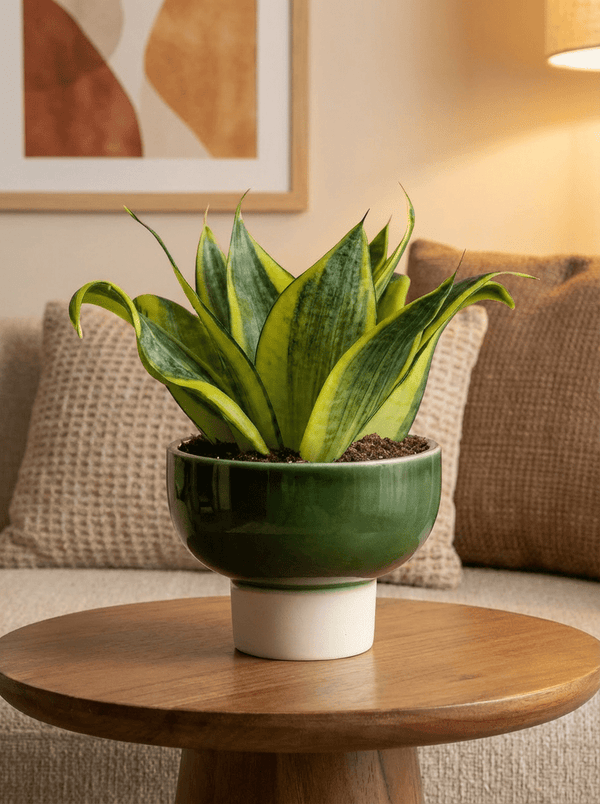
Best for: Calathea, ferns, Peace Lily, and other moisture-loving plants. Also ideal when you want a decorative pot that retains moisture.
Drawbacks: Heavier than plastic. More expensive. Breakable. Fully glazed interior pots can retain too much moisture for drought-sensitive plants.
Plastic
What it is: Lightweight, non-porous containers in every size and colour imaginable.
How it affects your plant:
- Retains moisture longer than terracotta or unglazed ceramic.
- Lightweight — easy to move, hang, and rearrange.
- Flexible — you can squeeze the sides to loosen root-bound plants.
- Affordable — the cheapest option for building a large collection.
Best for: Hanging plants (weight matters), humidity-loving plants, large collections on a budget, and nursery pots used inside decorative cache pots.
Drawbacks: Can overheat in direct sun (dark-coloured plastic absorbs heat). Less stable — lightweight pots tip easily. Less aesthetically pleasing than other materials (though modern designs have improved). Not breathable.
Singapore note: Black plastic pots left in direct sun on a balcony can heat up enough to damage roots. Use light-coloured plastic or keep plastic pots out of direct sun.
Concrete / Cement
What it is: Heavy, industrial-look planters cast from concrete or cement mix.
How it affects your plant:
- Extremely heavy — excellent stability for large plants.
- Slightly porous — breathes better than glazed ceramic or plastic.
- Concrete can be alkaline — fresh concrete may raise soil pH, affecting acid-loving plants.
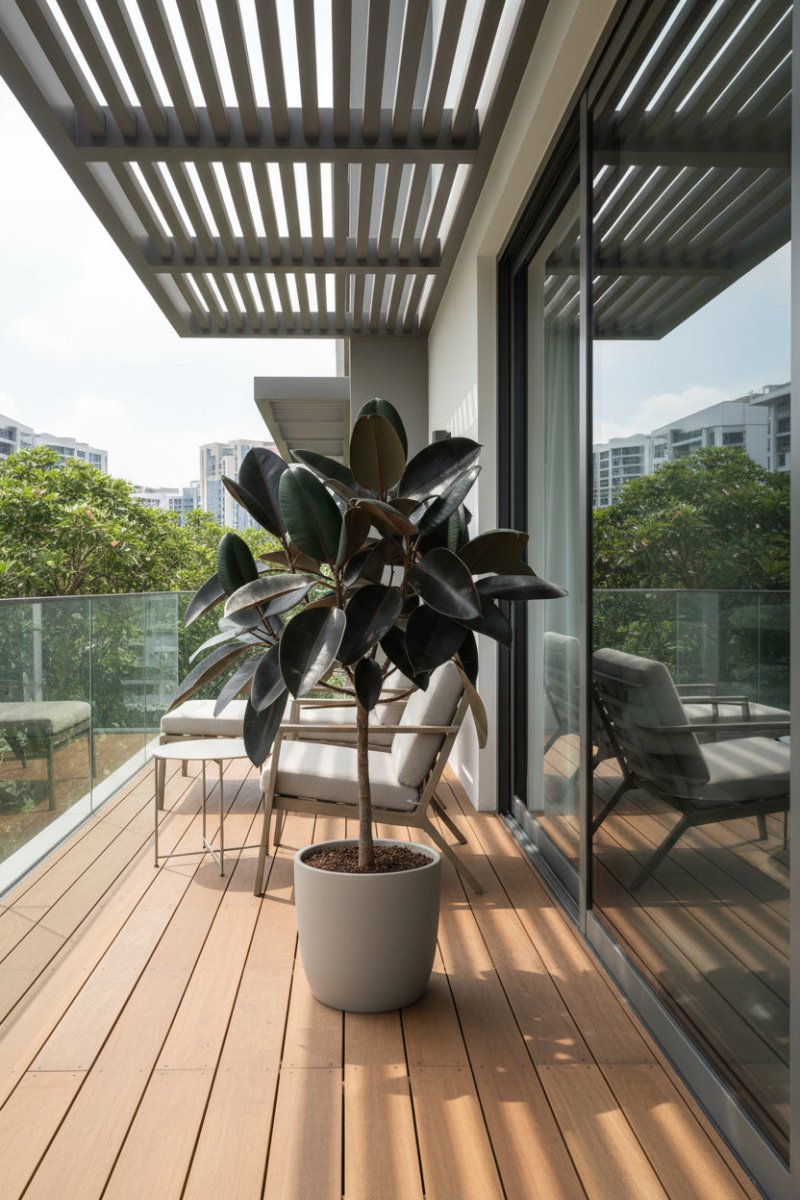
Best for: Large floor plants, outdoor and balcony use, modern and industrial interior styles.
Drawbacks: Very heavy (difficult to move once filled with soil). Can leach alkalinity into soil. Expensive for large sizes.
Woven Baskets and Natural Fibre
What it is: Baskets made from rattan, seagrass, jute, or other natural fibres, used as decorative cache pots.
How it affects your plant:
- Purely decorative — always use a nursery pot with drainage inside the basket.
- Breathable — air circulates through the weave.
- Adds warmth and texture to styling.
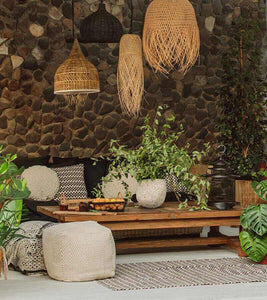
Best for: Living rooms, boho and tropical interior styles, and hiding plain nursery pots.
Drawbacks: Not waterproof — protect with a plastic liner. Can develop mould in Singapore's humidity if kept constantly damp. Not suitable as a direct planting vessel.
Pot Sizing

The One-to-Two-Size Rule
When repotting, choose a pot that is one to two sizes larger than the current one. In practice, this means:
- A plant in a 10cm pot moves to a 12-14cm pot
- A plant in a 15cm pot moves to a 17-20cm pot
Why Not Go Bigger?
A pot that is much larger than the root ball holds excess soil around the roots. That excess soil stays wet long after the roots have absorbed what they need — creating a soggy environment that promotes root rot.
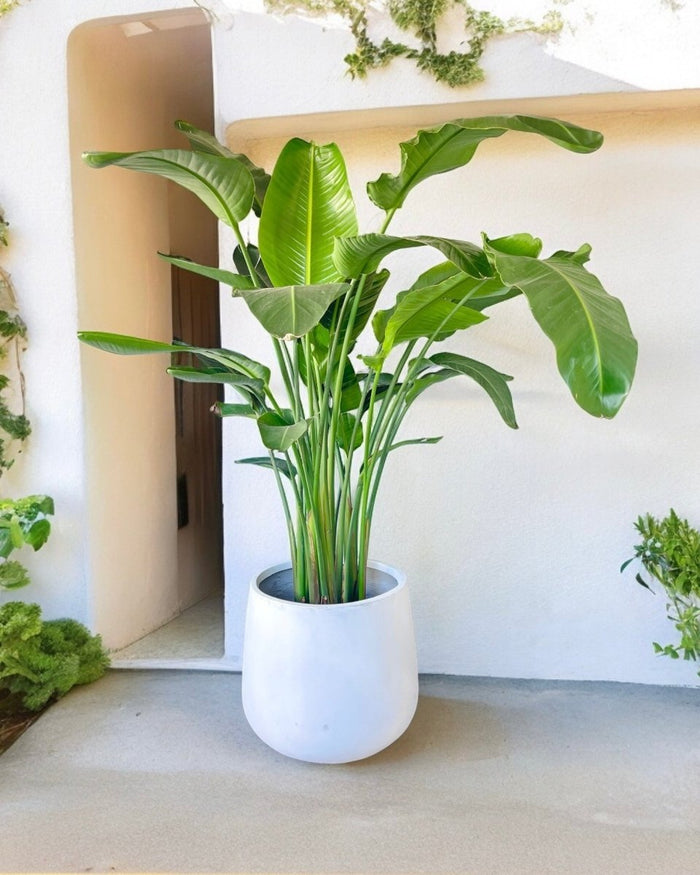
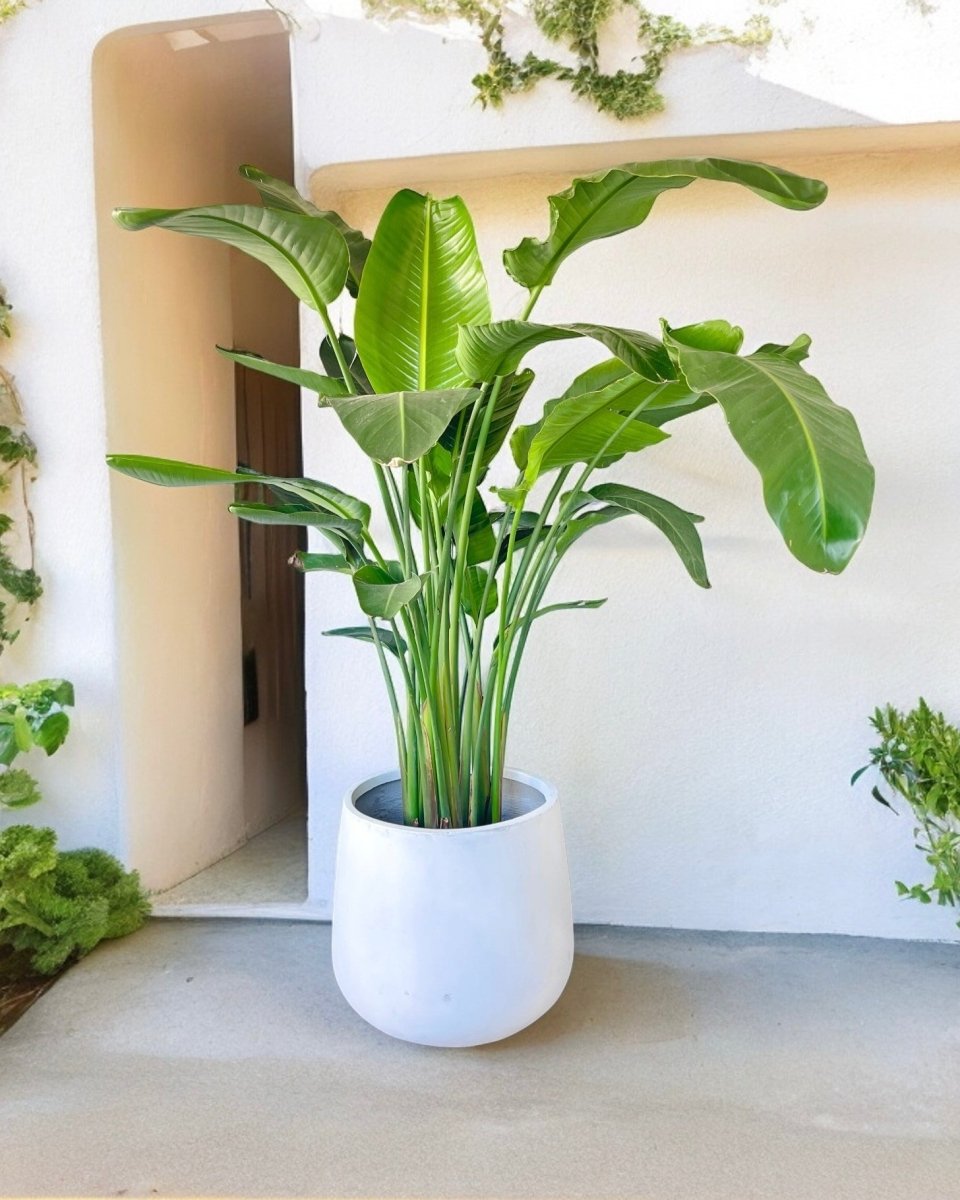
Exception: Fast-growing plants with large root systems (Monstera, Bird of Paradise) can handle slightly larger pot jumps than slow growers like ZZ Plants.
When the Pot Is Too Small
Signs your plant needs a larger pot:
- Roots emerging from drainage holes
- Roots circling the soil surface
- Water runs straight through without being absorbed
- Plant dries out within two to three days of watering
- Growth has stalled despite adequate light and feeding
- The pot is visibly bulging or cracking
Drainage: The Non-Negotiable
Every pot must have drainage holes. This is the most important rule in pot selection — more important than material, size, or aesthetics.
Water that cannot drain accumulates at the bottom of the pot, drowning roots and creating anaerobic conditions where harmful bacteria and fungi thrive. No amount of "drainage layers" (gravel, LECA, or broken terracotta at the bottom) compensates for a pot without holes.
The Cache Pot System
The most flexible approach:
- Keep your plant in a plain nursery pot with drainage holes
- Place the nursery pot inside a decorative cache pot (no drainage required)
- When you water, either remove the nursery pot, water in the sink, let it drain, and return — or water in place and empty accumulated water from the cache pot within 30 minutes
This system lets you change the decorative pot whenever you want without disturbing the plant, and ensures perfect drainage regardless of the outer container's design.
Drilling Your Own Holes
If you find the perfect pot without drainage, you can drill holes yourself:
- Ceramic/terracotta: Use a masonry drill bit at slow speed with water as a lubricant
- Plastic: A heated metal rod or standard drill bit works easily
- Concrete: Diamond-tipped drill bit at slow speed
Matching Pots to Plants

| Plant Type | Best Pot Material | Why |
|---|---|---|
| Succulents, cacti | Terracotta | Fast drying, prevents rot |
| Snake Plant, ZZ Plant | Terracotta | Tolerates and benefits from drying |
| Calathea, ferns | Glazed ceramic, plastic | Retains moisture longer |
| Pothos, Philodendron | Any | Adaptable to any pot material |
| Hanging plants | Plastic, lightweight ceramic | Weight matters for ceiling hooks |
| Orchids | Slotted or clear plastic | Need root aeration and light |
| Large floor plants | Heavy ceramic, concrete, terracotta | Stability for tall specimens |
Styling with Pots
Colour Coordination
- Two to three pot colours maximum in any visible grouping. More than three creates visual noise.
- White and neutral pots work with any plant and any interior style. The safest choice.
- Terracotta adds warmth. Pairs beautifully with green foliage and natural materials (wood, rattan).
- Matte black creates a modern, gallery-like aesthetic. Striking with variegated plants.
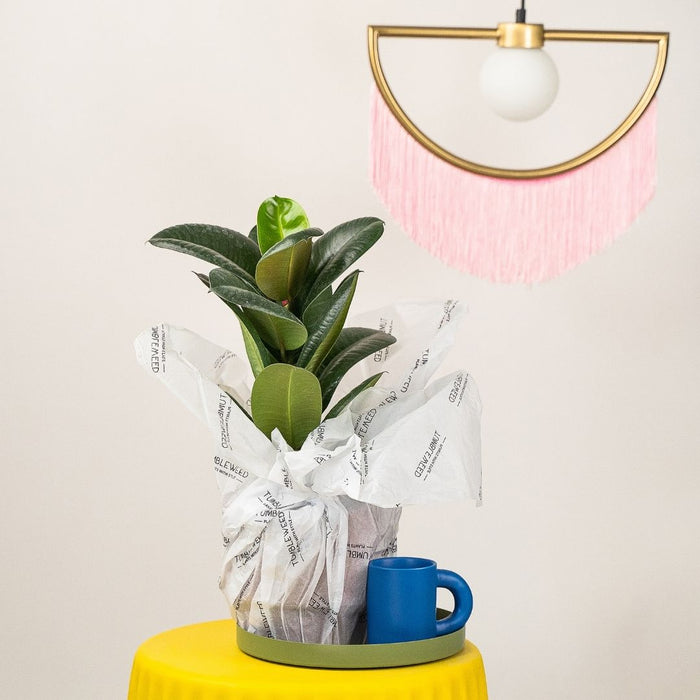
- Coloured pots (blue, yellow, pink) are statement pieces — use sparingly as accents.
Mixing Materials (Carefully)
Mixing two materials (e.g., ceramic and terracotta, or concrete and woven baskets) adds visual interest. Three materials in one grouping is the practical maximum before the arrangement looks chaotic.
Pot Shape
- Cylindrical: Modern, clean lines. Best for upright plants.
- Tapered (wider at top): Makes repotting easier — the root ball slides out.
- Bulbous: Adds character but makes repotting difficult — roots may need to be cut to extract.
- Shallow and wide: Good for succulents, Calathea, and crawling plants like Philodendron Gloriosum.
Where to Buy Pots in Singapore

- Nurseries (Thomson Road, Bah Soon Pah Road) — functional pots at low prices
- IKEA — affordable, standardised designs
- Typo, Naiise, and lifestyle stores — decorative pots at mid-range prices
- Online (Shopee, Lazada) — massive variety including imported designs
- Specialty ceramic studios — handmade, unique pieces at premium prices
Shop Plants and Pots
Browse our indoor plant collection — each plant ships in a healthy nursery pot, ready for your chosen decorative container. Find the plant first, then match it with the perfect pot.
The right pot does three things simultaneously: it supports your plant's health, it fits your space's aesthetic, and it makes daily care practical. Take the time to choose well, and both you and your plant will benefit for years.
Quick summary
Key Takeaways
- Pot Materials: What Each Does Differently
- Pot Sizing
- Drainage: The Non-Negotiable
- Matching Pots to Plants
- Styling with Pots
- Where to Buy Pots in Singapore
Ready to bring some green into your home?
Browse 250+ hand-picked plants, curated for Singapore homes — delivered to your door.
Browse All Plants →