






















Seasonal Plant Care in Singapore: A Month-by-Month Guide
Posted on April 09 2026
# Seasonal Plant Care in Singapore: A Month-by-Month Guide | Tumbleweed Plants Singapore
Singapore does not have the dramatic four seasons of temperate countries, but that does not mean plant care stays exactly the same all year. Our tropical climate has its own rhythms — the northeast monsoon, the drier inter-monsoon, the southwest monsoon, and the hot, dry months — each bringing subtle but meaningful changes in temperature, humidity, rainfall, and sunlight that affect how your houseplants grow and what care they need.
Understanding these seasonal shifts helps you optimise your plant care routine and avoid problems before they start.
Singapore's Climate Seasons
Before the month-by-month guide, here is a quick overview:
- Northeast Monsoon (December–March): Wettest period. Cooler temperatures, overcast skies, frequent heavy rain.
- Inter-Monsoon 1 (April–May): Transition period. Hot, humid, thunderstorms in the afternoon.
- Southwest Monsoon (June–September): Drier than NE monsoon but still occasional rain. Smoky haze possible (from regional fires).
- Inter-Monsoon 2 (October–November): Transition back. Thunderstorms, increasing rain.
January: Peak Monsoon Season
Conditions
Wettest month of the year. Cooler temperatures (24-30°C), overcast skies, and frequent heavy rain. Lower light levels indoors due to cloud cover.
Care Adjustments
- Watering: Reduce frequency. Higher humidity means soil stays moist longer. Check before watering — many plants need water less often this month.
- Outdoor plants: Ensure excellent drainage. Balcony plants may get waterlogged from rain. Move under cover if necessary.
- Light: Indoor light levels drop. Move light-hungry plants closer to windows. Consider supplemental lighting for high-light species.
- Pests: Watch for fungal issues. Good air circulation is critical. Reduce misting.
- Fertilising: Reduce to every 4-6 weeks. Lower light slows growth, so plants need less feeding.
February: Late Monsoon, Transition Begins
Conditions
Rain continues but begins tapering off. Slightly more sunshine appears. Still relatively cool for Singapore.
Care Adjustments
- Continue reduced watering but start checking soil more frequently as drier days appear
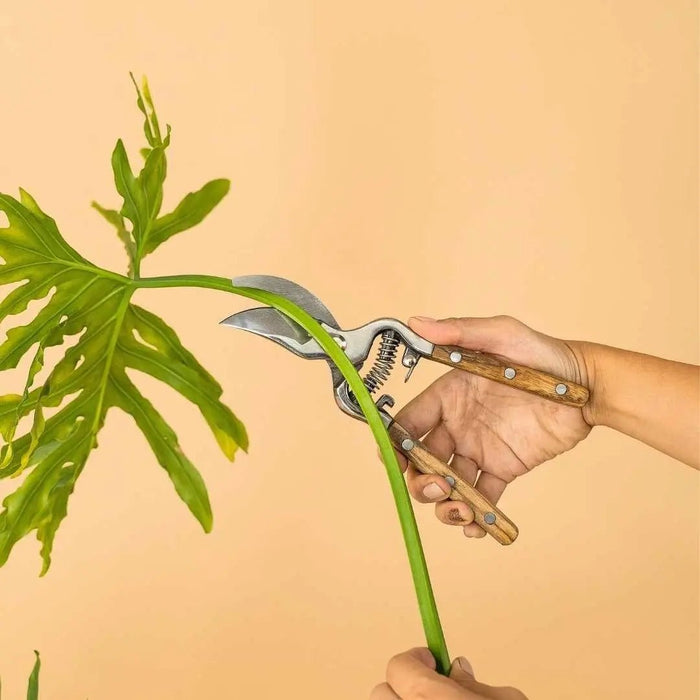
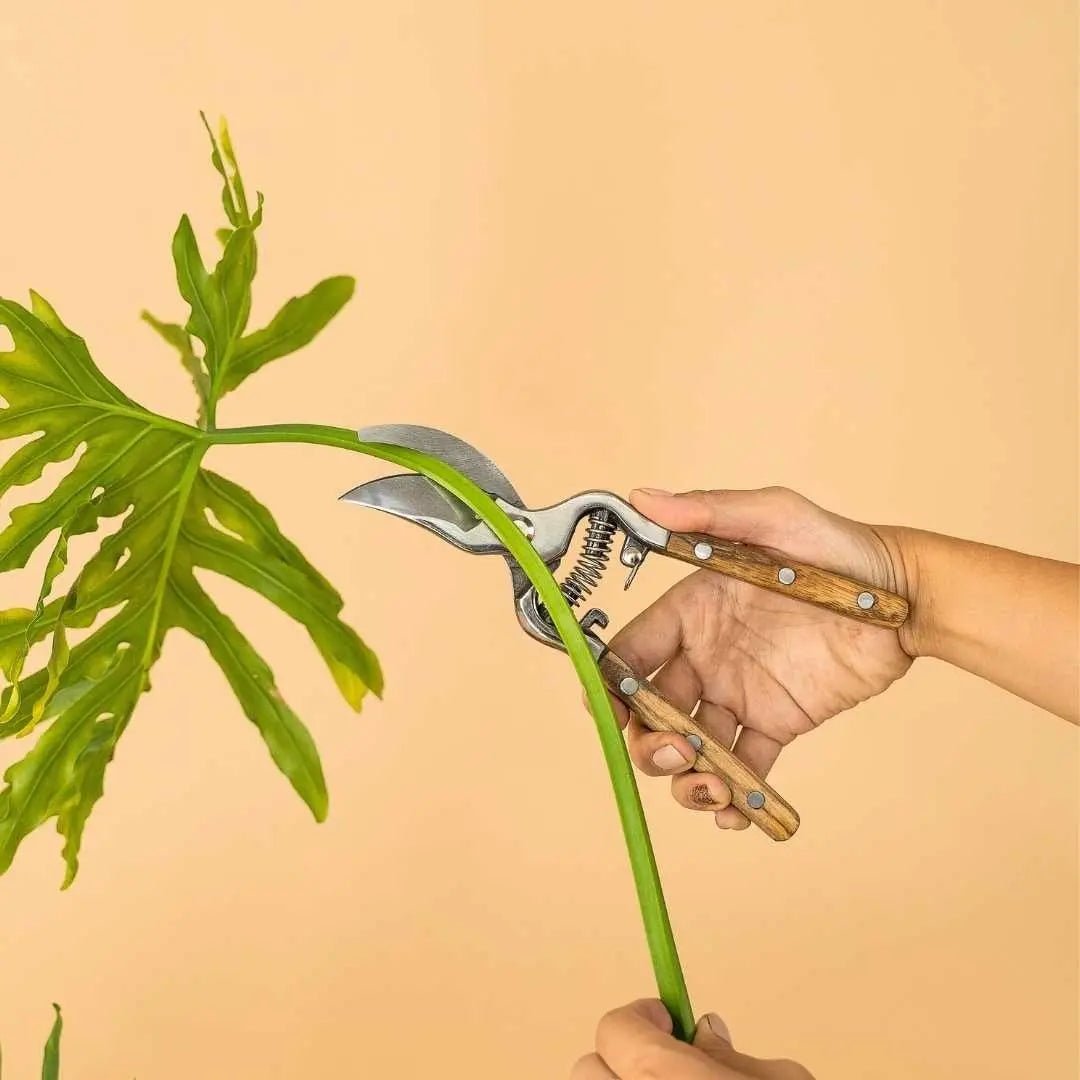
- Pruning: Good time to prune overgrown plants before the main growing season. Cut back leggy growth.
- Repotting: Start planning repotting for plants that have outgrown their containers. Late February into March is ideal.
- Clean leaves: Wipe dust from foliage to maximise photosynthesis as light increases.
March: Warming Up
Conditions
The inter-monsoon transition begins. Temperatures climb, afternoon thunderstorms are common, and humidity remains high. Sunlight hours increase.
Care Adjustments
- Repotting season: This is the best time to repot in Singapore. Plants are entering their most active growth phase and recover quickly from root disturbance.
- Resume normal watering: As temperatures rise, soil dries faster. Return to your regular watering schedule.
- Fertilising: Resume regular feeding (every 2-4 weeks depending on the plant). Growth is accelerating.
- Propagation: Excellent time to take cuttings. Warm temperatures and increasing light boost rooting success.
- Pest check: Warming conditions bring increased pest activity. Inspect plants thoroughly.
April–May: Hot and Humid
Conditions
The hottest period of the year. Temperatures regularly hit 33-34°C. High humidity, afternoon thunderstorms. Strong sunlight.
Care Adjustments
- Watering: Increase frequency. Soil dries faster in the heat, especially for balcony plants and those near sunny windows.
- Sun protection: Move sensitive plants away from intense afternoon sun. Sheer curtains help filter harsh light.
- Fertilising: Full feeding schedule. Plants are growing vigorously.
- Misting: Helpful for humidity-loving plants in air-conditioned rooms, but usually unnecessary in non-aircon spaces.
- Outdoor plants: Water morning and evening if needed. Heat stress is a real risk for balcony plants.
- Moisture meter: Invaluable during hot periods. Soil can look dry on the surface while still moist below — or the reverse.
June–July: Southwest Monsoon Begins
Conditions
Generally drier than the northeast monsoon, with less rainfall and more consistent sunshine. Regional haze from land clearing fires may affect air quality in some years.
Care Adjustments
- Consistent care: Temperatures remain warm, growth stays active. Maintain regular watering and feeding.
- Haze years: If haze reduces outdoor air quality, keep windows closed. Indoor plants may benefit from wiping leaves more frequently. Air purifying plants (peace lily, snake plant, spider plant) earn their keep.
- Pest vigilance: Spider mites thrive in drier, less humid conditions. Check susceptible plants (calathea, palms, hibiscus) regularly.
- Propagation: Still excellent conditions for taking cuttings and dividing plants.
August–September: Dry Season Peak
Conditions
The driest months in many years. Strong sunshine, warm temperatures, lower relative humidity (though still high by global standards).
Care Adjustments
- Watch watering closely: Drier air means faster evaporation. Plants in terracotta pots and on sunny balconies may need more frequent watering.
- Humidity: If aircon is running heavily, indoor humidity may drop noticeably. Group plants, use pebble trays, or mist humidity-loving species.
- Succulents thrive: This is their peak season. Tiger Aloe, Adenium, and other succulents look their best.
- Continue fertilising: Growth remains active.
- Spider mite watch: Peak risk period. Maintain humidity around susceptible plants.
October–November: Second Inter-Monsoon
Conditions
Transition back toward the northeast monsoon. Increasing afternoon thunderstorms, rising humidity and rainfall. Temperatures remain warm.
Care Adjustments
- Adjust watering down: Increasing rain and humidity mean slower soil drying.
- Drainage check: Test that all pots drain freely. Blocked drainage holes become critical as rain increases.
- Reduce fertilising: Begin tapering off as growth slows slightly in preparation for the cloudier monsoon months.
- Fungal prevention: As humidity rises, ensure good air circulation. Avoid overhead misting.
- Bring in sensitive plants: If you have succulents or cacti on the balcony, consider moving them to sheltered spots before the heavy rains arrive.
December: Monsoon Returns
Conditions
The northeast monsoon returns. Wet, cooler, overcast. The cycle begins again.
Care Adjustments
- Reduce everything: Less water, less fertiliser, less intervention. Plants grow more slowly in lower light.
- Holiday prep: If traveling for the holidays, see our guide to watering plants when travelling.
- Enjoy the slower pace: This is a good time to clean pots, plan your plant purchases for the new year, and simply enjoy your collection.
Year-Round Constants in Singapore
Despite seasonal variations, some things remain constant:
- Temperature: Always suitable for tropical houseplants. You rarely need to worry about cold damage unless plants are exposed to heavy aircon below 18°C.
- Humidity: Always relatively high. Even in the "dry" season, Singapore humidity is higher than most indoor environments globally.
- Growth: Most tropical houseplants grow year-round in Singapore, just at varying rates. There is no true dormancy period for most species.
- Pests: Active year-round. Regular inspection is always important.
Browse plants and care tools for every season at Tumbleweed Plants including moisture meters, spray bottles, and automatic misters, all with delivery across Singapore.